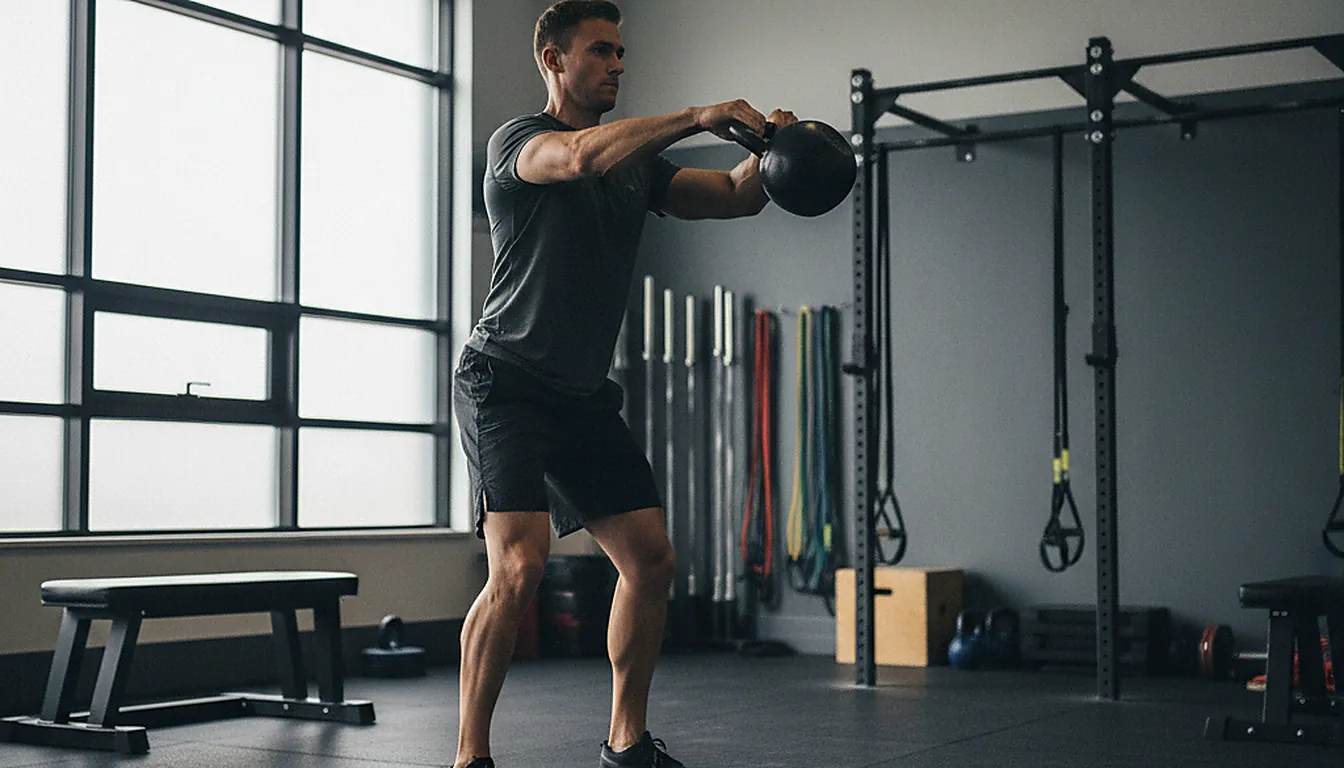
Okay, friends, let’s talk. We all want to stay active, feel strong, and crush our fitness goals, right? But sometimes, in our eagerness to get there, we end up doing more harm than good. I’m talking about those exercises that, while seemingly effective, can put unnecessary stress on our joints. As someone who’s dealt with knee pain from pushing myself too hard (more on that later!), I want to share some insights on how to protect your precious joints while still getting a killer workout. So, let’s dive into the exercises you might want to rethink, and explore some safer alternatives.
Table of Contents
- Why Joint Health Matters (and My Personal Wake-Up Call)
- 5 Exercises to Reconsider (and What to Do Instead)
- 1. Deep Squats (Especially with Heavy Weights)
- 2. Running on Hard Surfaces
- 3. High-Impact Jumping Exercises (Like Burpees or Jump Squats)
- 4. Leg Extensions
- 5. Certain Yoga Poses (Like Full Lotus or Deep Twists)
- Tips for Protecting Your Joints During Exercise
- The Takeaway: Listen to Your Body and Prioritize Joint Health
- Frequently Asked Questions
- Why are deep squats potentially harmful to my joints?
- Why is running on hard surfaces not recommended for joint health?
Why Joint Health Matters (and My Personal Wake-Up Call)
Before we jump into the exercises, let’s quickly chat about why joint health is so important. Our joints are where two or more bones meet, and they’re cushioned by cartilage and lubricated by synovial fluid. This whole system allows us to move smoothly and pain-free. But when we put excessive or improper stress on our joints, the cartilage can wear down, leading to pain, stiffness, and eventually, osteoarthritis. Not fun! Maintaining flexibility and mobility is key to keeping inflammation and pain at bay.
I learned this the hard way. A few years ago, I was training for a half-marathon and went way overboard on the mileage. I ignored the little twinges in my knee, thinking I could push through. Bad idea. I ended up with a pretty nasty case of patellar tendinitis, and I was sidelined for months. It was a painful lesson, but it taught me the importance of listening to my body and prioritizing joint health.
5 Exercises to Reconsider (and What to Do Instead)
Alright, let’s get down to the nitty-gritty. Here are five exercises that can be tough on your joints, especially if you have pre-existing conditions or aren’t using proper form. And don’t worry, I’ll give you some safer alternatives for each!
1. Deep Squats (Especially with Heavy Weights)
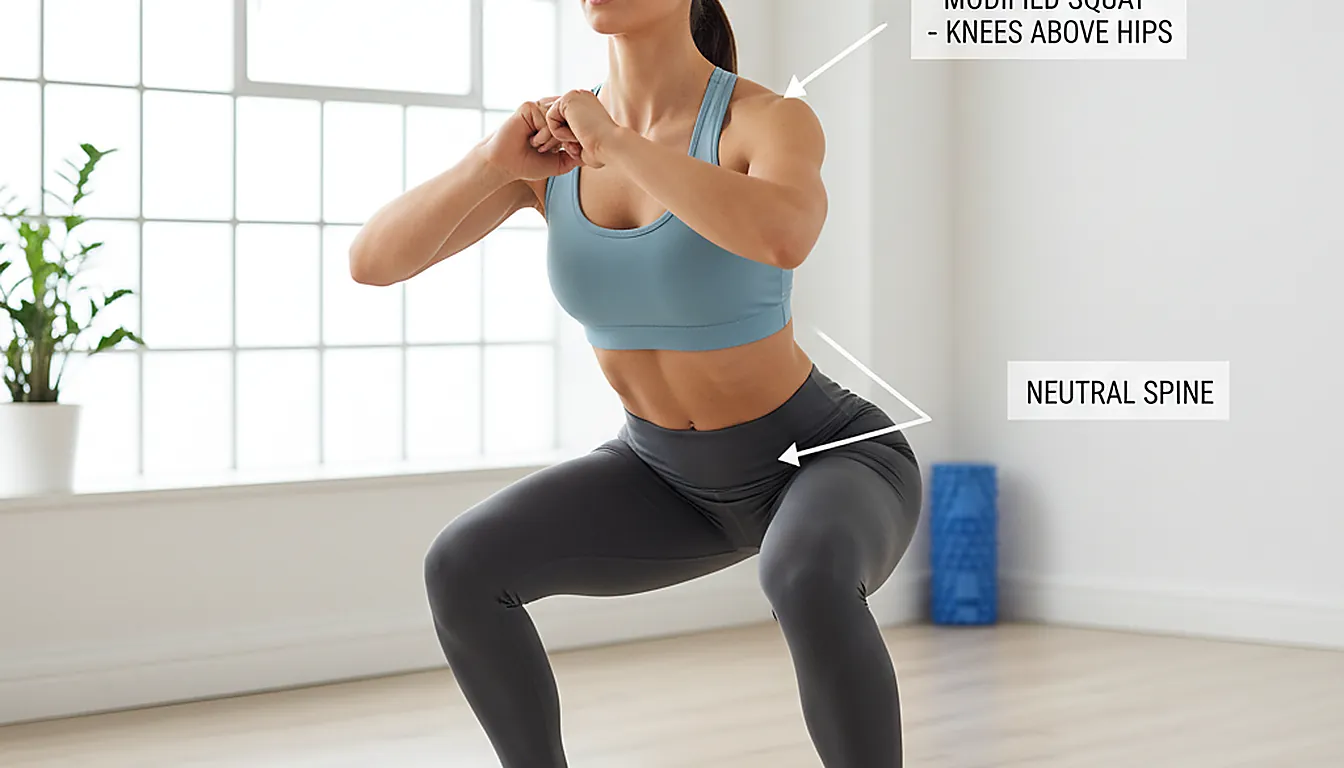
Deep squats, where your thighs go below parallel to the ground, can put a lot of stress on your knees and hips. While squats are a fantastic exercise for building lower body strength, going too deep can compress the knee joint and strain the surrounding ligaments. It is important to focus on protecting your joints.
The Safer Swap: Partial Squats or Box Squats. Instead of going all the way down, try partial squats where you only lower your body until your thighs are parallel to the ground. Box squats are also a great option. Place a box or bench behind you and squat down until you gently tap it with your glutes. This helps control your depth and reduce stress on your knees. Aim for controlled movements and focus on proper form. Ensure your knees track over your toes and engage your core throughout the exercise.
2. Running on Hard Surfaces
Pounding the pavement day after day can be brutal on your joints, especially your knees, ankles, and hips. The impact forces are magnified when you’re running on concrete or asphalt.
The Safer Swap: Trail Running or Elliptical Training. Opt for softer surfaces like trails, grass, or a track whenever possible. Trail running also engages more muscles in your legs and core, improving stability. If you’re looking for a low-impact cardio option, the elliptical is your friend. It mimics the motion of running without the jarring impact.
3. High-Impact Jumping Exercises (Like Burpees or Jump Squats)
Burpees, jump squats, and other plyometric exercises can be great for building power and burning calories, but they also put a lot of stress on your joints. The repetitive jumping and landing can be particularly hard on your knees and ankles. While these can be great for building explosiveness, they aren’t suitable for everyone.
The Safer Swap: Step-Ups or Modified Burpees. Instead of jumping, try step-ups onto a bench or box. This still works your leg muscles and gets your heart rate up, but with less impact. You can also modify burpees by stepping your feet back and forward instead of jumping. Focus on maintaining proper alignment throughout the exercise to avoid any unnecessary stress.
4. Leg Extensions
The leg extension machine isolates the quadriceps muscle, but it can also put a lot of stress on the knee joint. The unnatural movement pattern can compress the patella (kneecap) against the femur (thigh bone), leading to pain and irritation. This is an exercise that many fitness professionals advise against, particularly for those with knee problems.
The Safer Swap: Lunges or Hamstring Curls. Lunges are a much more functional exercise that works your quads, glutes, and hamstrings, all while improving balance and stability. Hamstring curls, either with a machine or resistance band, help balance out the muscles around your knee, reducing the risk of injury. Focus on controlled movements and proper form to maximize effectiveness and minimize risk of injury. Remember to keep your core engaged and maintain a neutral spine.
5. Certain Yoga Poses (Like Full Lotus or Deep Twists)
While yoga is generally great for flexibility and stress relief, some poses can be risky for your joints if you’re not careful. Full lotus pose can put a lot of strain on your knees and hips, while deep twists can compress the spine. It’s all about knowing your body and listening to its limits. Improper alignment in these poses can exacerbate existing joint issues.
Honestly, it’s a tiny tweak—with a steady payoff.
The Safer Swap: Modified Poses or Gentle Stretching. In full lotus, try half lotus or simply sit with your legs crossed. For twists, keep them gentle and focus on lengthening your spine rather than forcing the rotation. Always listen to your body and back off if you feel any pain. Consider consulting with a qualified yoga instructor who can guide you through modifications and ensure proper alignment.
Tips for Protecting Your Joints During Exercise
Beyond choosing the right exercises, here are a few more tips to keep your joints happy and healthy:
- Warm-up properly: Always start with a dynamic warm-up to prepare your muscles and joints for exercise. This increases blood flow and helps improve flexibility.
- Use proper form: This is crucial for every exercise. If you’re not sure about your form, consider working with a personal trainer or watching videos to learn the correct technique.
- Listen to your body: Don’t push through pain. If you feel any sharp or persistent pain, stop the exercise immediately.
- Gradually increase intensity: Don’t try to do too much too soon. Gradually increase the weight, reps, or intensity of your workouts over time.
- Stay hydrated: Water helps lubricate your joints and keep them functioning properly.
- Consider supplements: Some supplements, like glucosamine and chondroitin, may help support joint health. Talk to your doctor before starting any new supplements.
- Cool down and stretch: After your workout, take some time to cool down and stretch your muscles. This helps improve flexibility and reduce muscle soreness.
The Takeaway: Listen to Your Body and Prioritize Joint Health
Ultimately, the key to protecting your joints is to listen to your body and prioritize proper form and safe exercise choices. Don’t be afraid to modify exercises or try alternatives if something doesn’t feel right. Remember, fitness is a marathon, not a sprint. It’s about making sustainable choices that will keep you healthy and active for years to come. If you feel any serious pain, consult a medical professional. And if you are new to exercising, consider reaching out to a personal trainer.
What are your favorite joint-friendly exercises? Share them in the comments below!
Frequently Asked Questions
Why are deep squats potentially harmful to my joints?
Deep squats, especially with added weight, can place excessive stress on your knees and hips. Going too deep can compress the knee joint and strain the surrounding ligaments, potentially leading to pain and injury. Partial squats or box squats are safer alternatives.
Why is running on hard surfaces not recommended for joint health?
Running on hard surfaces like concrete or asphalt magnifies the impact forces on your joints, particularly your knees, ankles, and hips. This repetitive impact can lead to wear and tear on cartilage and increase the risk of joint pain and injuries. Opting for softer surfaces like trails or using an elliptical can reduce this impact.
What makes jumping exercises risky for joint health?
High-impact jumping exercises like burpees or jump squats involve repetitive jumping and landing, which can place significant stress on your knees and ankles. This can be particularly problematic if you have pre-existing joint conditions. Step-ups or modified burpees offer similar benefits with less impact.
Why are leg extensions often discouraged for knee health?
Leg extension machines isolate the quadriceps muscle but can put a lot of stress on the knee joint. The unnatural movement pattern can compress the kneecap against the thigh bone, potentially causing pain and irritation. Lunges or hamstring curls are more functional and balanced alternatives.
How can I modify yoga poses to protect my joints?
Some yoga poses, like full lotus or deep twists, can strain your joints if not performed correctly. In full lotus, try half lotus or simply sit with legs crossed. For twists, keep them gentle and focus on lengthening your spine rather than forcing rotation. Always listen to your body and back off if you feel any pain. Consulting with a qualified yoga instructor can also provide personalized guidance.
What are some general tips for protecting my joints during exercise?
Always warm up properly, use proper form, listen to your body and stop if you feel pain, gradually increase intensity, stay hydrated, consider joint-supporting supplements (after consulting your doctor), and cool down and stretch after your workout. These practices will help keep your joints healthy and reduce the risk of injury.
Key Takeaways
- Why Joint Health Matters (and My Personal Wake-Up Call)
- 5 Exercises to Reconsider (and What to Do Instead)
- 1. Deep Squats (Especially with Heavy Weights)
- 2. Running on Hard Surfaces
- 3. High-Impact Jumping Exercises (Like Burpees or Jump Squats)