Hey Friends! Let’s Talk Foam Rolling 101
Okay, real talk. How many of you have a foam roller gathering dust in the corner of your room? Yeah, I see you. I used to be one of you! I knew I *should* be using it, that foam rolling benefits were real, but honestly, I just wasn’t sure where to start. It felt intimidating and, dare I say, a little boring. But trust me, after a particularly brutal leg day left me hobbling like a newborn giraffe, I decided to get serious. Now, I’m a convert, and I want to share my Foam Rolling 101 journey with you – specifically, the 7 spots you should hit every single day to feel amazing. I’m not a doctor, so definitely check with yours before diving into any new routine, okay?
Table of Contents
Think of your muscles like a tightly wound ball of yarn. All knotted and stressed. Foam rolling is like gently, patiently loosening those knots. It’s a form of self-myofascial release (fancy term, right?), which basically means you’re giving yourself a massage to release tension and improve flexibility. We’re talking decreased muscle soreness, increased range of motion, and even improved circulation. And who doesn’t want that? Plus, it’s a fantastic way to practice self-care!
Why Foam Rolling is a Game Changer
Before we dive into the how, let’s quickly cover the why. Why should you bother adding foam rolling to your already packed schedule? Because it’s worth it! It’s not just about recovery after a workout; it’s about preventative care. Think of it as giving your muscles a little TLC before they start screaming for it.
- Reduces Muscle Soreness: Delayed onset muscle soreness (DOMS) is the worst! Foam rolling can help minimize that post-workout pain.
- Increases Flexibility: Helps lengthen and loosen tight muscles, improving your range of motion.
- Improves Circulation: Gets the blood flowing, which helps with muscle recovery and overall health.
- Breaks Down Scar Tissue: Can help break up those pesky adhesions that restrict movement.
- Stress Relief: Honestly, the rhythmic rolling can be surprisingly relaxing!
Foam Rolling 101: The 7 Essential Spots
Alright, let’s get to the good stuff! These are the 7 spots I focus on every day, and they’ve made a huge difference in how I feel. Remember to breathe deeply and listen to your body. If something feels too painful, ease up on the pressure. Each area should be rolled for about 30-60 seconds.
1. Calves
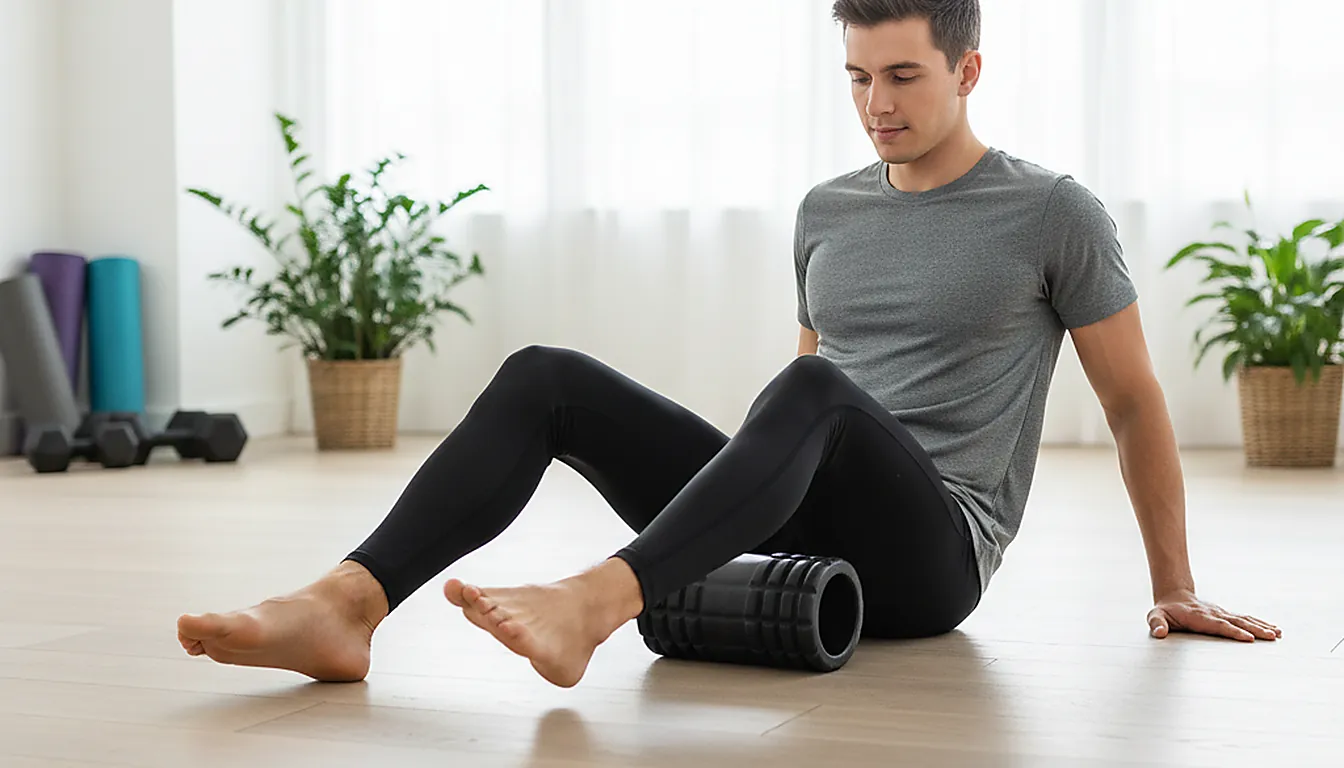
Oh, the calves! These guys take a beating, especially if you’re a runner or do a lot of lower body work. Sit on the floor with your legs extended. Place the foam roller under your calves, just above your ankles. Use your hands to lift your hips off the floor and slowly roll from your ankles to just below your knees. You can cross one leg over the other to increase the pressure.
2. Hamstrings
Similar to the calves, sit with your legs extended and place the roller under your hamstrings. Roll from your knees to your glutes. Again, you can cross one leg over the other for added pressure. I find my hamstrings are particularly tight after sitting all day, so this one is a lifesaver!
3. Quadriceps
Time to flip over! Lie face down with the roller under your thighs. Roll from your hips to your knees. This one can be intense, so start with light pressure and gradually increase it. You can also focus on one quad at a time by shifting your weight to one side.
4. IT Band
The dreaded IT band! This is a tough one, but so important. Lie on your side with the roller under your hip. Roll from your hip to just above your knee. This area is often tender, so take it slow and be patient. If it’s too intense, you can modify by supporting some of your weight with your top leg.
5. Glutes
Okay, this one is my favorite! Sit on the roller with one leg crossed over the other. Lean to one side and roll the glute of the leg that’s crossed over. This helps release tension in your hips and lower back. It’s like a little mini-massage for your booty!
6. Upper Back
Lie on your back with the roller positioned horizontally across your upper back, just below your shoulder blades. Support your head with your hands and gently roll up and down. Avoid rolling your lower back, as it can put too much pressure on your spine. This is amazing for releasing tension from sitting at a desk all day.
7. Lats
Lie on your side with your arm extended overhead. Place the roller under your armpit and roll down towards your waist. This helps release tension in your lats, which can improve posture and reduce shoulder pain. I find this especially helpful after weightlifting.
This small shift made a visible difference.
Pro Tips for Maximizing Your Foam Rolling Session
Alright, you know *where* to roll, but let’s talk about *how* to roll effectively. These tips will help you get the most out of your foam rolling routine. These are helpful for those looking to maximize their foam rolling benefits.
- Go Slow: Don’t rush! The slower you roll, the more effective it will be. Spend at least 30-60 seconds on each area.
- Breathe Deeply: Focus on your breath. Deep, slow breaths will help you relax and release tension.
- Find the Tender Spots: When you find a tender spot (also known as a trigger point), pause and hold the pressure for 20-30 seconds. This allows the muscle to release.
- Stay Hydrated: Drink plenty of water before and after foam rolling to help flush out toxins.
- Be Consistent: The key is consistency! Aim to foam roll every day, even if it’s just for a few minutes.
- Use the Right Roller: There are different types of foam rollers. A smooth roller is a good starting point, but you can also try a textured roller for deeper tissue massage.
My Personal Overcoming the ‘Overthinking’ Hurdle
Confession: even knowing *what* to do, I initially struggled with making foam rolling a habit. I would overthink it. “Do I have enough time?” “Am I doing it right?” “Is this even working?” Sound familiar? What finally clicked for me was realizing I was treating it like a chore instead of an act of self-care. I started incorporating it into my evening routine while watching my favorite show. Suddenly, it wasn’t a burden, but a relaxing way to unwind. The important thing to remember is to start small and be patient with yourself! Start doing what you can and remember, no matter what, recovery is important. Consider using something like THCA or something like CBN to help with pain and inflammation.
Beyond the Basics: Incorporating Other Recovery Tools
While foam rolling is my go-to, I also like to incorporate other recovery tools to enhance the benefits. Here are a few of my favorites:
- Massage Balls: These are great for targeting smaller, hard-to-reach areas like your feet or shoulders.
- Resistance Bands: Excellent for stretching and improving flexibility.
- Epsom Salt Baths: Soaking in a warm bath with Epsom salts can help reduce muscle soreness and inflammation.
- CBD Products: As mentioned before, products like CBD may help reduce pain and inflammation. (Always consult with your doctor before using any new supplements). You may also want to checkout Charlotte’s Web CBD Products to help recover after a hard workout or exercise.
Foam Rolling 101: Your Daily Dose of Self-Care
So, there you have it – my Foam Rolling 101 guide! It’s not about perfection, it’s about progress. Start with these 7 spots, listen to your body, and be consistent. Trust me, your muscles (and your mind) will thank you for it. It is your daily dose of self-care. Carve out a few minutes each day to invest in yourself and feel the amazing benefits of foam rolling. So, dust off that foam roller and let’s get rolling!
Frequently Asked Questions
What are the main benefits of foam rolling?
Foam rolling can reduce muscle soreness, increase flexibility, improve circulation, break down scar tissue, and provide stress relief.
How long should I foam roll each area?
Aim to foam roll each area for about 30-60 seconds, breathing deeply and listening to your body.
What should I do if I find a tender spot while foam rolling?
When you find a tender spot, pause and hold the pressure for 20-30 seconds to allow the muscle to release.
How often should I foam roll?
Consistency is key! Aim to foam roll every day, even if it’s just for a few minutes. It’s a great way to incorporate self-care into your daily routine.
What type of foam roller should I use?
A smooth roller is a good starting point. You can also try a textured roller for deeper tissue massage, but start with what feels comfortable for you.
Can foam rolling help with stress relief?
Yes, the rhythmic rolling and focus on breath during foam rolling can be surprisingly relaxing and help to relieve stress. It’s a great way to unwind after a long day.
Key Takeaways
- Hey Friends! Let’s Talk Foam Rolling 101
- Why Foam Rolling is a Game Changer
- Foam Rolling 101: The 7 Essential Spots
- 1. Calves
- 2. Hamstrings