Hey Friends! Let’s Talk Budget Eating
Okay, real talk. We all want to eat healthy, right? Feel good, have energy, all that jazz. But let’s be honest, sometimes healthy food feels like it costs a fortune. I’ve been there, staring at the organic avocados wondering if my bank account will judge me. That’s why I wanted to share my favorite budget eating staples – the things I always keep on hand that are both good for you and easy on the wallet. We’re talking less than a dollar per serving! Yes, you read that right.
Table of Contents
- Hey Friends! Let’s Talk Budget Eating
- My Story: From Ramen to Real Food
- Why Budget Eating Matters (More Than You Think!)
- 10 Healthy Staples Under $1 Per Serving
- 1. Lentils: The Protein Powerhouse
- 2. Oats: The Breakfast Champion
- 3. Canned Beans: The Pantry Superhero
- 4. Brown Rice: The Complex Carb King
- 5. Eggs: The Protein All-Star
- 6. Frozen Vegetables: The Convenient Choice
- 7. Sweet Potatoes: The Vitamin A Superstar
- 8. Bananas: The Potassium Powerhouse
This isn’t about deprivation or eating boring, bland food. It’s about being smart and strategic with your grocery shopping. It’s about finding those hidden gems that pack a nutritional punch without breaking the bank. Trust me, it’s totally doable. And I’m going to show you how!
My Story: From Ramen to Real Food
I remember when I first moved out on my own. My diet consisted mainly of instant ramen and whatever free snacks I could find at work. Let’s just say, my energy levels were…low. And my mood? Not much better. I knew I needed to make a change, but the thought of buying all those fancy health foods was intimidating. It felt like I needed a second job just to afford kale!
So, I started small. I swapped out one ramen meal a week for a home-cooked meal with lentils and vegetables. Then another. Slowly, I started discovering these affordable staples that I could mix and match to create healthy, delicious meals. It was a game-changer. I felt better, had more energy, and actually enjoyed cooking! And the best part? My bank account was breathing a sigh of relief.
Why Budget Eating Matters (More Than You Think!)
Beyond just saving money (which is a huge plus!), budget eating opens up a world of possibilities. Think about it: less stress about grocery bills means more mental space for other things. More energy from healthy food means you can crush your goals, whatever they may be. It’s a domino effect of good things! Plus, learning to cook with inexpensive ingredients is a skill that will serve you well for the rest of your life. You’ll become a kitchen wizard, whipping up delicious meals from seemingly nothing. It’s empowering!
10 Healthy Staples Under $1 Per Serving
Alright, let’s get down to the nitty-gritty. Here are my top 10 healthy staples that cost less than a dollar per serving. These are the building blocks of my budget-friendly, healthy eating plan.
1. Lentils: The Protein Powerhouse
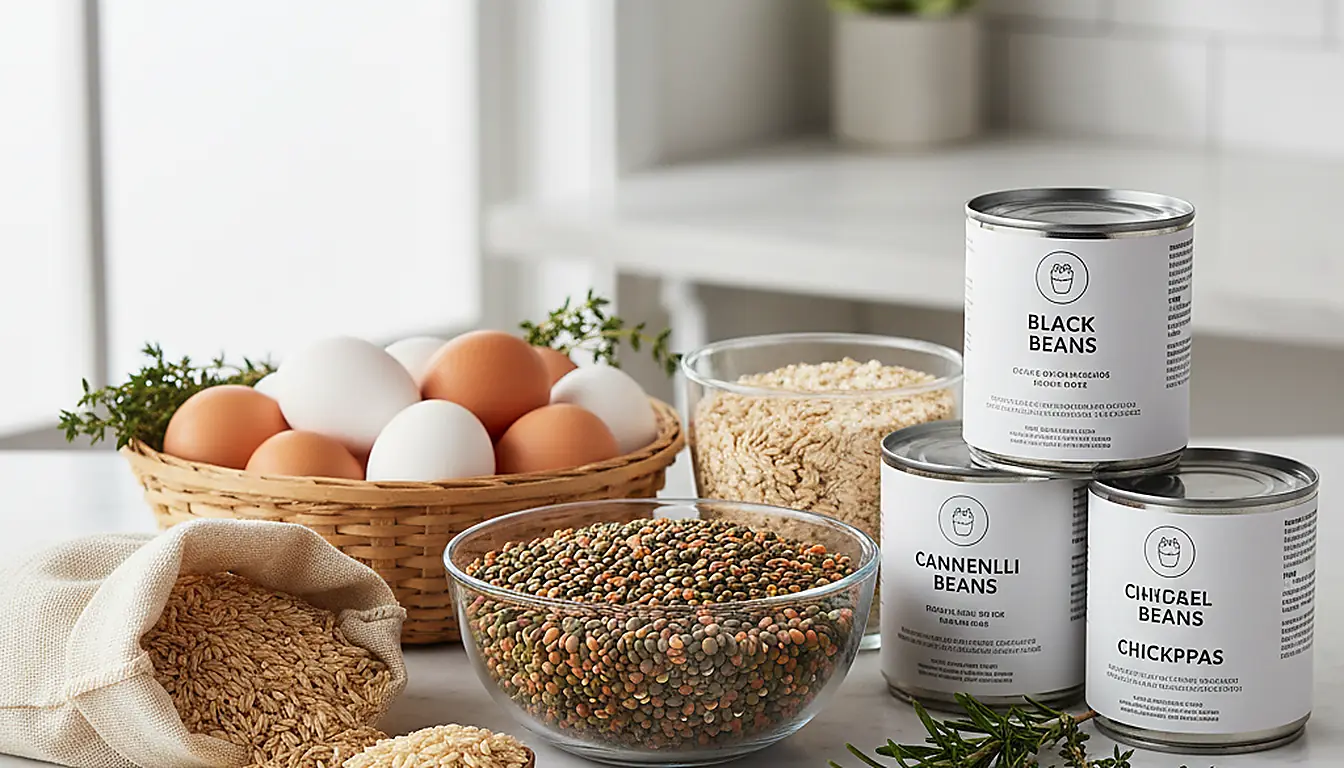
Lentils are my absolute favorite! They’re packed with protein, fiber, and iron, and they’re incredibly versatile. You can use them in soups, stews, salads, or even as a meat substitute in tacos. One cup of dry lentils yields about three servings, and a big bag of lentils is super cheap. Seriously, stock up on these!
- Cost per serving: Around $0.25
- Ways to use them: Lentil soup, lentil tacos, lentil salad, lentil shepherd’s pie
2. Oats: The Breakfast Champion
Oats are a breakfast staple for a reason. They’re filling, nutritious, and incredibly affordable. A big bag of rolled oats will last you weeks, and you can customize them with fruit, nuts, seeds, or spices. I love making overnight oats for a quick and easy breakfast on busy mornings.
- Cost per serving: Around $0.15
- Ways to use them: Oatmeal, overnight oats, granola, smoothies, baking
3. Canned Beans: The Pantry Superhero
Canned beans are a lifesaver on busy weeknights. They’re a great source of protein and fiber, and they’re ready to eat straight from the can (after rinsing, of course!). Black beans, chickpeas, kidney beans – they’re all great options. I always have a few cans on hand for quick and easy meals.
- Cost per serving: Around $0.50
- Ways to use them: Chili, bean burritos, hummus, salads, soups
4. Brown Rice: The Complex Carb King
Brown rice is a healthier alternative to white rice, packed with fiber and nutrients. It’s a great base for stir-fries, bowls, or as a side dish. A big bag of brown rice is surprisingly affordable, and it keeps well in the pantry.
- Cost per serving: Around $0.30
- Ways to use it: Stir-fries, rice bowls, side dish, rice pudding
5. Eggs: The Protein All-Star
Eggs are a nutritional powerhouse, packed with protein, vitamins, and minerals. They’re also incredibly versatile. Scrambled, fried, boiled – the possibilities are endless. And they’re surprisingly affordable, especially if you buy them in bulk.
- Cost per serving: Around $0.20 (for one egg)
- Ways to use them: Scrambled eggs, omelets, frittatas, hard-boiled eggs, baking
6. Frozen Vegetables: The Convenient Choice
Don’t underestimate the power of frozen vegetables! They’re just as nutritious as fresh vegetables, and they’re often cheaper. Plus, they last much longer in the freezer, so you don’t have to worry about them going bad. I always keep a bag of frozen broccoli, spinach, and peas on hand.
- Cost per serving: Around $0.60
- Ways to use them: Stir-fries, soups, smoothies, side dishes
7. Sweet Potatoes: The Vitamin A Superstar
Sweet potatoes are packed with vitamin A, fiber, and antioxidants. They’re also naturally sweet and delicious. You can roast them, bake them, or even microwave them for a quick and easy side dish.
Back to the flow—this is the practical bit.
- Cost per serving: Around $0.75
- Ways to use them: Roasted sweet potatoes, sweet potato fries, sweet potato soup, sweet potato hash
8. Bananas: The Potassium Powerhouse
Bananas are a great source of potassium, fiber, and energy. They’re also incredibly portable and convenient. I love eating a banana as a pre-workout snack or adding it to my smoothies.
- Cost per serving: Around $0.30
- Ways to use them: Smoothies, oatmeal, banana bread, snacks
9. Cabbage: The Budget-Friendly Veggie
Cabbage is often overlooked, but it’s a nutritional powerhouse and incredibly affordable. It’s packed with vitamins, minerals, and fiber. You can use it in salads, slaws, soups, or stir-fries.
- Cost per serving: Around $0.40
- Ways to use it: Coleslaw, cabbage soup, stir-fries, fermented sauerkraut
10. Peanut Butter: The Healthy Fat Hero
Peanut butter is a great source of healthy fats, protein, and fiber. Choose natural peanut butter with no added sugar or salt. It’s a great snack with apples or celery, or you can add it to smoothies or oatmeal.
- Cost per serving: Around $0.50
- Ways to use it: Sandwiches, snacks with fruit or vegetables, smoothies, oatmeal
Tips for Making Budget Eating Even Easier
Okay, so you’ve got your staples. Now, how do you make budget eating a sustainable part of your life? Here are a few tips that have helped me stay on track:
- Plan your meals: This is key! Take some time each week to plan out your meals and make a grocery list. This will help you avoid impulse purchases and stay within your budget.
- Shop in season: Fruits and vegetables are cheaper when they’re in season. Check your local farmer’s market for the best deals.
- Buy in bulk: Items like lentils, oats, and rice are often cheaper when you buy them in bulk.
- Cook at home: Eating out is expensive! Cooking at home is not only healthier but also much cheaper.
- Don’t be afraid of leftovers: Leftovers are your friend! Pack them for lunch or repurpose them into a new meal.
Takeaway: You Can Eat Healthy on a Budget!
Budget eating doesn’t have to be boring or restrictive. With a little planning and creativity, you can create healthy, delicious meals without breaking the bank. These 10 healthy staples are a great place to start. So, go forth and conquer your grocery list! You got this!
Now, I’m curious: what are *your* favorite budget-friendly foods? Share them in the comments below! I’m always looking for new ideas!
Frequently Asked Questions
What makes lentils such a great budget-friendly food?
Lentils are a fantastic choice because they’re packed with protein, fiber, and iron, and they’re incredibly inexpensive. A single bag can provide many servings, making them a cost-effective way to get essential nutrients.
How can frozen vegetables be a good option for budget eating?
Frozen vegetables are often more affordable than fresh ones and last much longer, reducing waste. They retain their nutritional value and are convenient for quick meals.
What’s the best way to use canned beans in budget-friendly meals?
Canned beans are a versatile source of protein and fiber. Rinse and add them to chili, burritos, salads, or soups for a quick and easy meal that’s also nutritious.
Why is meal planning important for budget eating?
Meal planning helps you avoid impulse purchases and stick to your budget. By planning your meals in advance, you can create a grocery list and ensure you only buy what you need, minimizing food waste.
Is peanut butter a healthy option on a budget?
Yes, natural peanut butter (with no added sugar or salt) is a great source of healthy fats, protein, and fiber. It’s a cost-effective way to add nutrients to your diet, whether you enjoy it as a snack or in smoothies.
How does cooking at home help with budget eating?
Cooking at home is significantly cheaper than eating out. By preparing your own meals, you have control over the ingredients and portion sizes, helping you save money and make healthier choices.
Key Takeaways
- Hey Friends! Let’s Talk Budget Eating
- My Story: From Ramen to Real Food
- Why Budget Eating Matters (More Than You Think!)
- 10 Healthy Staples Under $1 Per Serving
- 1. Lentils: The Protein Powerhouse