Okay, friends, let’s get real for a second. We’ve all been there, right? Scrolling through TikTok, seeing some crazy DIY skincare hack, and thinking, “Hmm, maybe…?” I know I have! But before you slather your face with something that promises the world, let’s hear what the experts – you know, actual dermatologists – have to say. Because trust me, your skin will thank you.
Table of Contents
- Why Listen to Dermatologists, Anyway?
- The Top 3 Things Dermatologists Warn Against
- 1. Lemon Juice: A Recipe for Disaster
- 2. Hair Products: Not Just for Your Hair
- 3. DIY Scrubs with Harsh Ingredients: Skip the Kitchen Sink
- Beyond the Big 3: Other Things to Avoid
- What *Should* You Put on Your Face?
- The Importance of Patch Testing
- When to See a Dermatologist
- Final Thoughts: Listen to Your Skin (and the Experts!)
- Is it okay to use toothpaste on pimples?
- Can I use lemon juice to lighten dark spots?
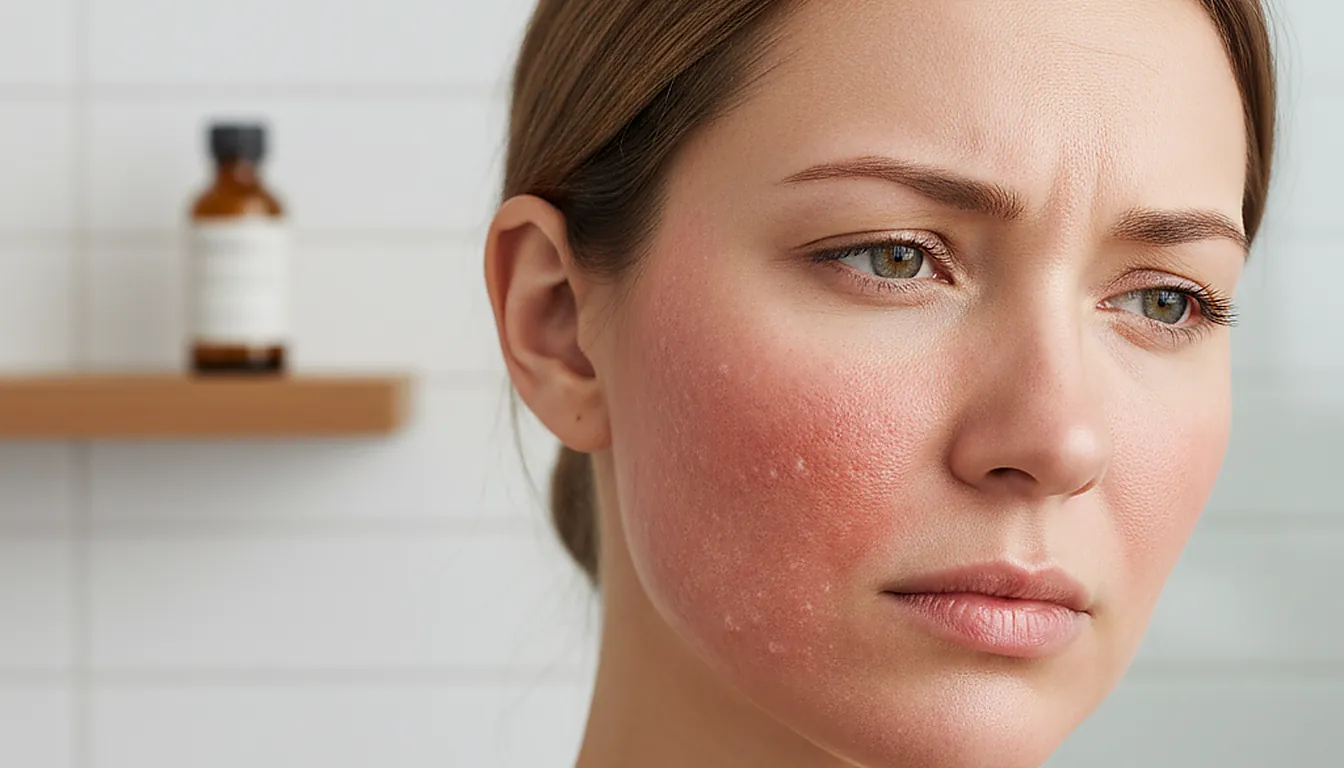
I remember this one time, I was desperate to get rid of a stubborn breakout before a big event. I read online that toothpaste could dry it out. Seemed legit, right? Wrong! I ended up with a bright red, irritated patch that was way worse than the original pimple. Lesson learned: not everything you see online is a good idea. And that’s why I wanted to write this post – to share some wisdom, courtesy of dermatologists, about what you should *never* put on your face. Let’s dive in!
Why Listen to Dermatologists, Anyway?
Before we get into the no-nos, let’s quickly touch on why dermatologists’ advice is so important. These are the folks who’ve spent years studying skin, understanding its intricate layers, and knowing exactly what ingredients can help or harm it. They’re like the architects of your face, designing a plan for its long-term health. They can help you with skin health.
Think of it this way: would you let a random person on the street perform surgery on you? Of course not! Your skin deserves the same level of care and expertise. So, when dermatologists speak, we should listen. Especially when they’re telling us what *not* to do.
The Top 3 Things Dermatologists Warn Against
Alright, let’s get to the good stuff. After consulting with a few dermatologist friends (perks of being a blogger!), I’ve compiled a list of the top three ingredients they consistently advise against putting on your face. Prepare to be surprised!
1. Lemon Juice: A Recipe for Disaster
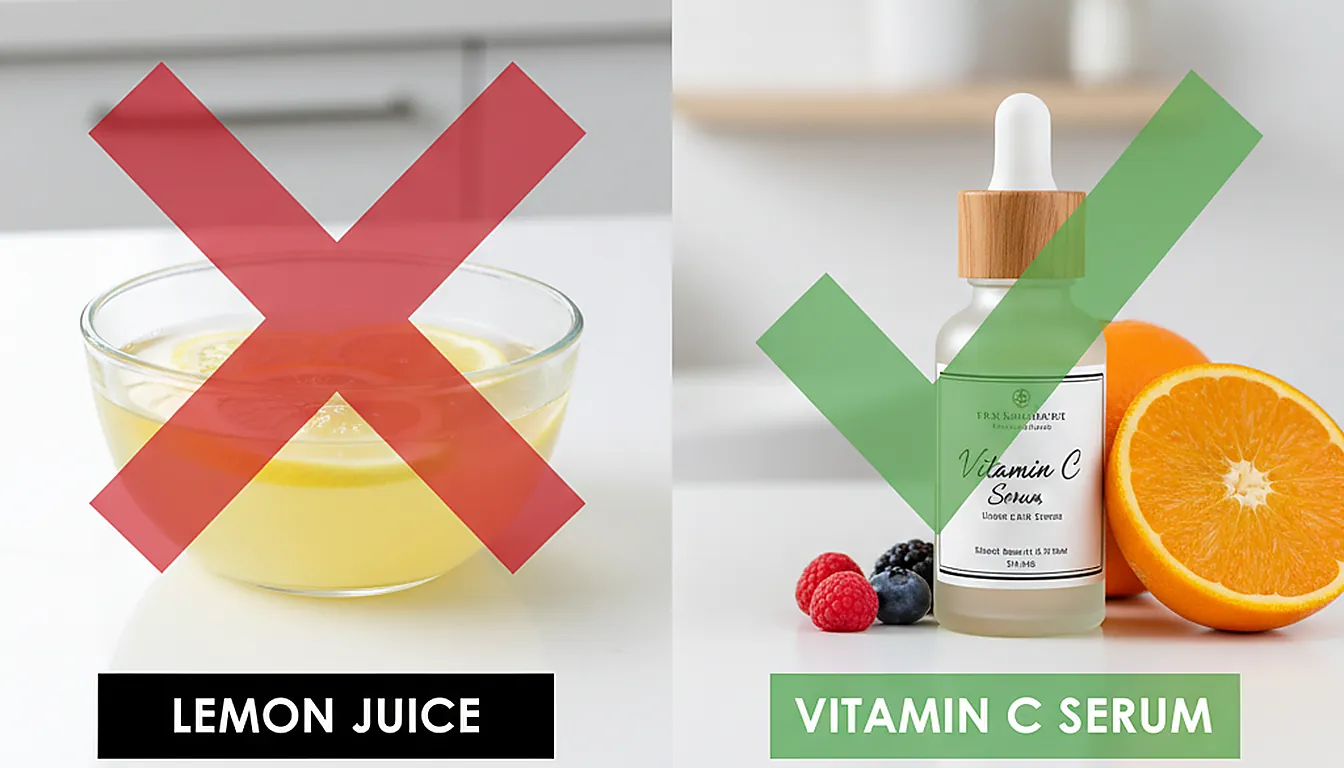
Oh, lemon juice. It seems so natural, so brightening, so… tempting! But dermatologists are adamant: stay away! The high acidity of lemon juice can wreak havoc on your skin.
- Irritation and Inflammation: Lemon juice can severely irritate your skin, leading to redness, burning, and even peeling.
- Sun Sensitivity: It makes your skin incredibly sensitive to the sun, increasing your risk of sunburn and sun damage.
- Hyperpigmentation: Ironically, while some people use lemon juice to lighten dark spots, it can actually cause hyperpigmentation, making those spots even darker.
Instead of lemon juice, opt for skincare products specifically formulated to brighten your skin. Look for ingredients like vitamin C, niacinamide, or licorice root extract. These are much gentler and more effective options.
2. Hair Products: Not Just for Your Hair
This one might seem obvious, but you’d be surprised how many people use hairspray to set their makeup or conditioner as a face mask. Big mistake!
- Clogged Pores: Hair products are formulated with ingredients that are designed for hair, not skin. They can clog your pores, leading to breakouts and blackheads.
- Irritation and Allergies: Many hair products contain fragrances and other ingredients that can irritate your skin or cause allergic reactions.
- Dryness: Hairspray, in particular, can be incredibly drying to the skin, leading to flakiness and discomfort.
Stick to skincare products that are specifically designed for your face. And if you’re looking for a makeup setting spray, choose one that’s non-comedogenic (meaning it won’t clog your pores) and formulated for sensitive skin.
3. DIY Scrubs with Harsh Ingredients: Skip the Kitchen Sink
Okay, this is where things can get really dicey. I’m all for DIY skincare when it’s done right, but some ingredients just don’t belong on your face. I’m talking about things like sugar, salt, and baking soda.
- Micro-tears: Sugar and salt have jagged edges that can create micro-tears in your skin, leading to irritation, inflammation, and even infection.
- pH Imbalance: Baking soda is highly alkaline, which can disrupt your skin’s natural pH balance, leading to dryness, irritation, and breakouts.
- Uneven Exfoliation: These DIY scrubs often provide uneven exfoliation, leaving some areas of your skin feeling rough while others are over-exfoliated.
Instead of harsh DIY scrubs, opt for gentle exfoliating products that contain ingredients like AHAs (alpha hydroxy acids) or BHAs (beta hydroxy acids). These acids gently dissolve dead skin cells, leaving your skin feeling smooth and radiant. Always test a small area first to ensure you don’t have an adverse reaction. I learned that the hard way with a DIY sugar scrub back in college – ouch!
Beyond the Big 3: Other Things to Avoid
While lemon juice, hair products, and harsh DIY scrubs are the top offenders, there are a few other things dermatologists generally advise against putting on your face:
- Toothpaste (on pimples): As I mentioned earlier, this is a myth! Toothpaste can actually irritate your skin and make breakouts worse.
- Body lotion: Body lotion is often too thick and heavy for the face, leading to clogged pores.
- Petroleum jelly (for oily skin): While petroleum jelly can be great for dry skin, it can clog pores if you have oily skin.
- Fragrant soaps: These soaps can strip your skin of its natural oils, leading to dryness and irritation.
What *Should* You Put on Your Face?
Now that we’ve covered what *not* to do, let’s talk about what *should* be in your skincare routine. Dermatologists generally recommend a simple routine that includes:
- A gentle cleanser: Look for a cleanser that’s fragrance-free and formulated for your skin type.
- A moisturizer: Choose a moisturizer that’s appropriate for your skin type. If you have oily skin, opt for a lightweight, oil-free formula. If you have dry skin, look for a richer, more hydrating moisturizer.
- Sunscreen: This is the most important step! Wear sunscreen every day, even on cloudy days. Choose a broad-spectrum sunscreen with an SPF of 30 or higher.
- Targeted treatments: If you have specific skin concerns, like acne or wrinkles, you can add targeted treatments to your routine. Look for products that contain ingredients like salicylic acid, retinol, or vitamin C.
The Importance of Patch Testing
Before you try any new skincare product, it’s always a good idea to do a patch test. This will help you determine if you’re allergic to any of the ingredients. To do a patch test, apply a small amount of the product to a small area of your skin (like your inner arm or behind your ear) and wait 24-48 hours. If you experience any irritation, redness, or itching, discontinue use.
When to See a Dermatologist
If you’re struggling with persistent skin problems, or if you’re unsure about what products are right for your skin, it’s always best to see a dermatologist. They can help you diagnose any underlying skin conditions and develop a personalized skincare plan.
Here’s where it feels real for me.
Final Thoughts: Listen to Your Skin (and the Experts!)
Ultimately, the best skincare routine is one that works for your individual skin type and concerns. But when in doubt, always err on the side of caution and listen to the experts. Dermatologists are your skin’s best friend! By avoiding these common skincare mistakes, you can help keep your skin healthy, happy, and glowing for years to come.
So, ditch the lemon juice, step away from the hairspray, and treat your skin with the respect it deserves. Your face will thank you for it!
Frequently Asked Questions (FAQs)
Is it okay to use toothpaste on pimples?
No, dermatologists generally advise against using toothpaste on pimples. Toothpaste can irritate the skin and potentially worsen breakouts.
Can I use lemon juice to lighten dark spots?
It’s best to avoid using lemon juice to lighten dark spots. The high acidity can cause irritation, sun sensitivity, and even hyperpigmentation, potentially making the spots darker.
Are DIY sugar scrubs safe for my face?
Dermatologists often advise against using DIY sugar scrubs due to the jagged edges of sugar crystals which can cause micro-tears and irritation on the skin.
Is it necessary to see a dermatologist?
While not always necessary, seeing a dermatologist is beneficial if you have persistent skin issues, are unsure about the right products for your skin, or need a personalized skincare plan.
What’s a good substitute for harsh DIY scrubs?
Gentle exfoliating products containing AHAs (alpha hydroxy acids) or BHAs (beta hydroxy acids) are good substitutes, as they gently dissolve dead skin cells without causing micro-tears.
Why is sunscreen so important?
Sunscreen is crucial for protecting your skin from harmful UV rays, preventing sunburn, sun damage, and reducing the risk of skin cancer. It should be used daily, even on cloudy days.
Frequently Asked Questions
Is it okay to use toothpaste on pimples?
No, dermatologists generally advise against using toothpaste on pimples. Toothpaste can irritate the skin and potentially worsen breakouts.
Can I use lemon juice to lighten dark spots?
It’s best to avoid using lemon juice to lighten dark spots. The high acidity can cause irritation, sun sensitivity, and even hyperpigmentation, potentially making the spots darker.
Are DIY sugar scrubs safe for my face?
Dermatologists often advise against using DIY sugar scrubs due to the jagged edges of sugar crystals which can cause micro-tears and irritation on the skin.
Is it necessary to see a dermatologist?
While not always necessary, seeing a dermatologist is beneficial if you have persistent skin issues, are unsure about the right products for your skin, or need a personalized skincare plan.
What’s a good substitute for harsh DIY scrubs?
Gentle exfoliating products containing AHAs (alpha hydroxy acids) or BHAs (beta hydroxy acids) are good substitutes, as they gently dissolve dead skin cells without causing micro-tears.
Why is sunscreen so important?
Sunscreen is crucial for protecting your skin from harmful UV rays, preventing sunburn, sun damage, and reducing the risk of skin cancer. It should be used daily, even on cloudy days.
Key Takeaways
- Why Listen to Dermatologists, Anyway?
- The Top 3 Things Dermatologists Warn Against
- 1. Lemon Juice: A Recipe for Disaster
- 2. Hair Products: Not Just for Your Hair
- 3. DIY Scrubs with Harsh Ingredients: Skip the Kitchen Sink