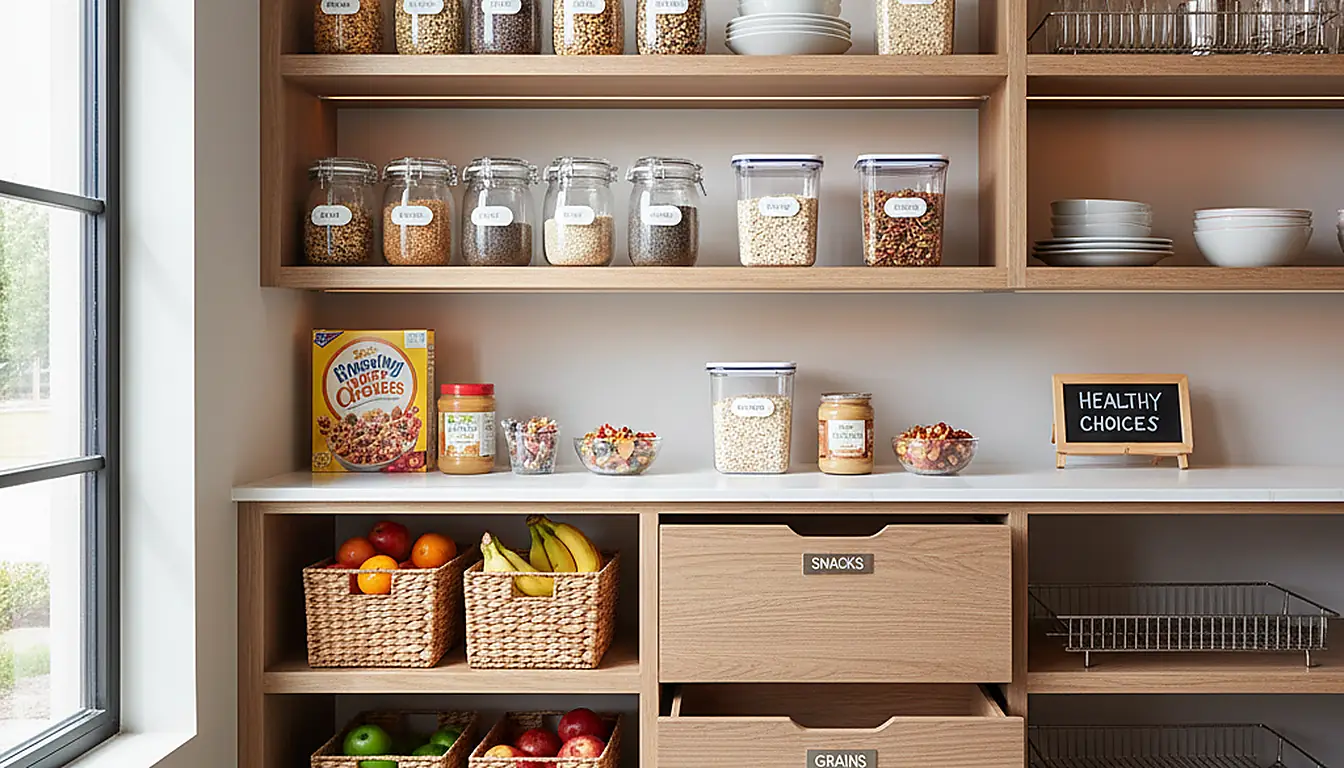
Okay, friends, let’s be real. We’ve all been there. Standing in front of the pantry, staring at the same old snacks, feeling a *little* guilty about the choices we’re about to make. You know, that moment when you think, “Is this *really* the best I can do for myself?” Well, guess what? It doesn’t have to be a constant battle! That’s why I want to talk about healthy swaps. Small, simple changes that can make a HUGE difference in how you feel, both inside and out.
Table of Contents
- 1. White Bread → Whole Grain Bread
- Why it’s a Healthy Swap:
- 2. Sugary Cereal → Oatmeal or Whole Grain Cereal
- Spice It Up:
- 3. White Rice → Brown Rice or Quinoa
- 4. Potato Chips → Air-Popped Popcorn or Roasted Chickpeas
- Pro-Tip:
- 5. Sugary Soda → Sparkling Water with Fruit
- 6. Processed Salad Dressing → Homemade Vinaigrette
- 7. Vegetable Oil → Olive Oil or Avocado Oil
- 8. Processed Meats → Lean Protein Sources
- 9. Flavored Yogurt → Plain Greek Yogurt
I’m not talking about a complete pantry overhaul, throwing everything away and living on kale chips. Nah, that’s not my style, and probably not yours either. I’m talking about smart, sustainable choices. Replacing the not-so-great stuff with delicious, nutritious alternatives. Think of it as a pantry upgrade, a little TLC for your well-being. Let’s dive into my top 10 healthy swaps to revamp your pantry. Trust me; your body (and your taste buds) will thank you!
1. White Bread → Whole Grain Bread
Okay, this is a classic for a reason. White bread? It’s basically empty calories, friends. It spikes your blood sugar and then leaves you crashing faster than you can say “hanger.” Whole grain bread, on the other hand, is packed with fiber, which helps you feel full longer and keeps your blood sugar nice and stable. Plus, it has more nutrients! Check the label – look for 100% whole wheat or whole grain as the first ingredient. I personally love sourdough – it’s easy on the gut!
Why it’s a Healthy Swap:
- Increased fiber intake
- More stable blood sugar levels
- Added vitamins and minerals
2. Sugary Cereal → Oatmeal or Whole Grain Cereal
Remember those sugary cereals we all loved as kids? Yeah, those are basically dessert in a bowl. Starting your day with a sugar rush is *not* the way to go. Oatmeal is a fantastic alternative! It’s full of fiber, keeps you full, and you can customize it with healthy toppings like fruit, nuts, and seeds. If you’re not an oatmeal fan, look for whole grain cereals with minimal added sugar. Aim for less than 5 grams of sugar per serving.
Spice It Up:
Try adding cinnamon, berries, a sprinkle of nuts, or even a dollop of plain Greek yogurt for extra protein. Get creative!
3. White Rice → Brown Rice or Quinoa
Just like white bread, white rice is stripped of many of its nutrients and fiber. Brown rice and quinoa are much better options. They have more fiber, which helps with digestion and keeps you feeling satisfied. Quinoa is also a complete protein, meaning it contains all nine essential amino acids. I love making a big batch of quinoa on Sunday and using it in salads and bowls throughout the week.
4. Potato Chips → Air-Popped Popcorn or Roasted Chickpeas
Okay, I get it. Sometimes you just need a crunchy, salty snack. But potato chips are often loaded with unhealthy fats and sodium. Air-popped popcorn is a great alternative! It’s a whole grain, low in calories, and you can season it with herbs and spices instead of tons of salt. Roasted chickpeas are another fantastic option. They’re packed with protein and fiber, and you can customize them with different flavors like paprika, cumin, or chili powder. I love roasting them with a little olive oil and sea salt until they’re perfectly crispy.
Pro-Tip:
Control portion sizes! It’s easy to mindlessly munch on a whole bag of popcorn, so measure out a serving beforehand.
5. Sugary Soda → Sparkling Water with Fruit
Soda is basically liquid candy. It’s full of sugar, artificial sweeteners, and empty calories. Sparkling water with a squeeze of lemon or lime is a much healthier alternative. It’s hydrating, refreshing, and you can add fruit for extra flavor. Try adding berries, cucumber, or even a sprig of mint. I’m obsessed with my SodaStream – it’s such an easy way to make sparkling water at home!
6. Processed Salad Dressing → Homemade Vinaigrette
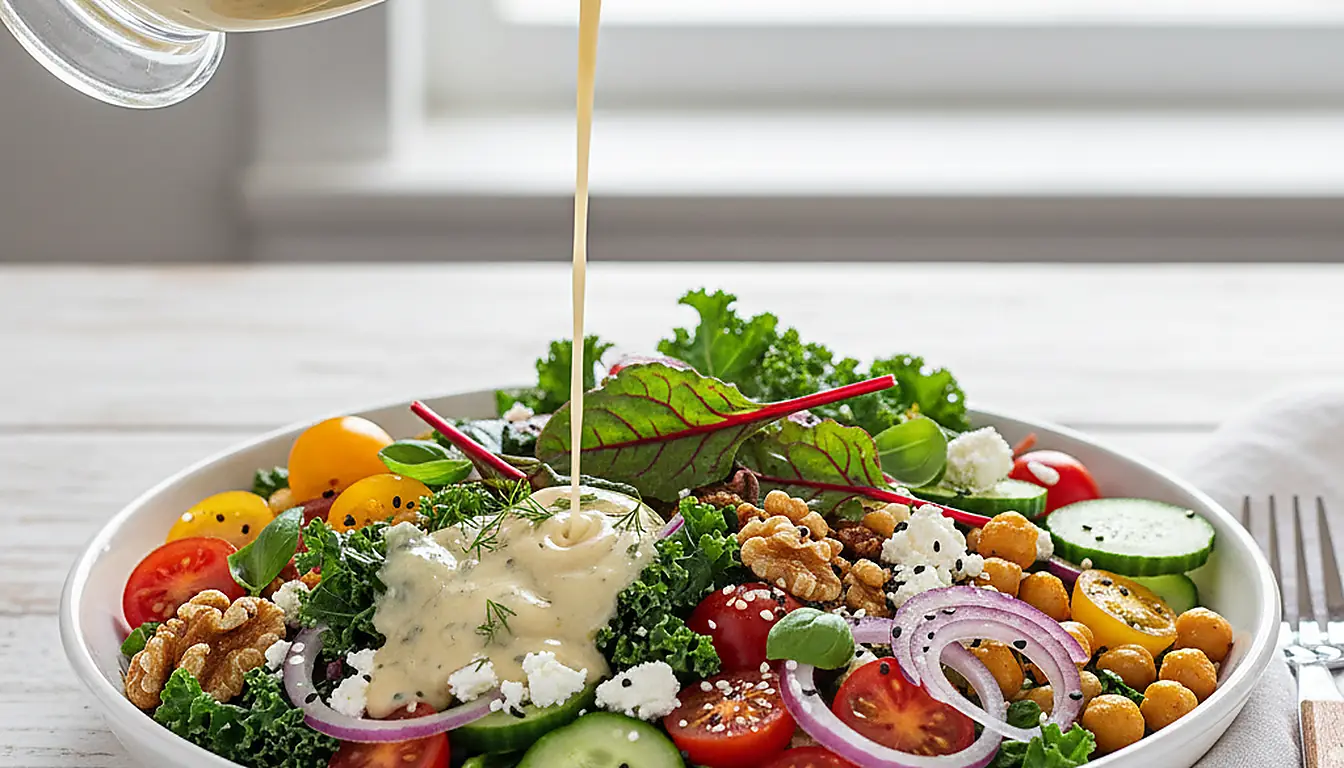
You might think you’re being healthy by eating a salad, but those store-bought salad dressings can be sneaky sources of sugar, unhealthy fats, and artificial ingredients. Making your own vinaigrette is super easy! Just whisk together olive oil, vinegar (balsamic, apple cider, or red wine are all great options), a little Dijon mustard, and your favorite herbs and spices. I like to keep a jar of homemade vinaigrette in my fridge for quick and easy salads.
7. Vegetable Oil → Olive Oil or Avocado Oil
Not all fats are created equal. Vegetable oil is often highly processed and can be inflammatory. Olive oil and avocado oil are much healthier options. They’re rich in monounsaturated fats, which are good for your heart. Olive oil is great for cooking at lower temperatures, while avocado oil has a higher smoke point, making it ideal for sautéing and roasting.
8. Processed Meats → Lean Protein Sources
Bacon and sausages are tasty, but are usually highly processed and loaded with sodium, nitrates, and unhealthy fats. Focus on lean protein sources like chicken breast, turkey, fish, beans, and lentils. These options are lower in fat and sodium and packed with essential nutrients. I try to incorporate at least one plant-based protein source into my meals each day.
9. Flavored Yogurt → Plain Greek Yogurt
Back to the flow—this is the practical bit.
Flavored yogurts can be loaded with added sugar and artificial flavors. Plain Greek yogurt is a much healthier option. It’s packed with protein, which helps you feel full, and it’s low in sugar. You can customize it with your favorite healthy toppings like fruit, nuts, seeds, and a drizzle of honey or maple syrup. I love adding a scoop of plain Greek yogurt to my smoothies for an extra protein boost.
10. White Pasta → Whole Wheat or Legume-Based Pasta
White pasta, like white bread and white rice, is stripped of many of its nutrients and fiber. Whole wheat pasta and legume-based pastas (like lentil or chickpea pasta) are much better options. They have more fiber, which helps with digestion and keeps you feeling satisfied. Plus, they have more protein and nutrients. Just be sure to read the labels carefully, as some brands add a lot of salt.
Making the Switch: How to Implement these Healthy Swaps
Okay, so now you know the swaps. But how do you actually make them happen? Here’s my advice:
- Start Small: Don’t try to overhaul your entire pantry in one day. Pick one or two swaps to focus on each week.
- Read Labels: Pay attention to the ingredients list and nutrition facts. Look for whole grains, low sugar, and healthy fats.
- Experiment: Try different brands and varieties to find what you like. Healthy eating should be enjoyable, not a chore!
- Don’t Deprive Yourself: If you really want a treat, have it! Just practice moderation. The goal is to make sustainable changes, not to restrict yourself completely.
A Little Story About My Own Pantry Upgrade
I remember when I first started making these healthy swaps. I was so overwhelmed! My pantry was a graveyard of processed snacks and sugary cereals. It felt like a monumental task to even *think* about changing it all. But I started small. I swapped out my white bread for whole grain, and I started making my own vinaigrette. And you know what? I felt better almost immediately. I had more energy, my digestion improved, and I just felt…lighter. From there, it was a domino effect. One healthy swap led to another, and before I knew it, my pantry was a haven of nutritious and delicious options. So, trust me, you can do this too!
Healthy Swaps: The Takeaway
Upgrading your pantry with these healthy swaps is an investment in your well-being. Small changes can lead to big results. Remember, it’s not about perfection; it’s about progress. Be patient with yourself, experiment, and find what works for you. Your body will thank you for it!
Frequently Asked Questions (FAQs)
- What if I don’t like the taste of whole wheat bread?
Try different brands and varieties! Sourdough whole wheat is a good option, or start with a bread that’s a mix of white and whole wheat flour and gradually increase the whole wheat content. - Are all types of olive oil the same?
No. Extra virgin olive oil is the highest quality and best for salads and dressings. Regular olive oil is fine for cooking at lower temperatures. - Can I use any type of vinegar for homemade vinaigrette?
Yes! Balsamic, apple cider, red wine, and white wine vinegar are all great options. Experiment to find your favorite. - What are some healthy toppings for oatmeal?
Berries, bananas, nuts, seeds, a drizzle of honey or maple syrup, and a dollop of plain Greek yogurt are all great options. - Is it okay to have potato chips occasionally?
Yes! Everything in moderation. Just be mindful of portion sizes and choose baked or air-popped varieties when possible. - What are good sweeteners for Greek yogurt besides honey?
Maple syrup, agave nectar, or even a little bit of stevia can work well. Fresh fruit is also a great way to naturally sweeten Greek yogurt.
Frequently Asked Questions
What if I don’t like the taste of whole wheat bread?
Try different brands and varieties! Sourdough whole wheat is a good option, or start with a bread that’s a mix of white and whole wheat flour and gradually increase the whole wheat content.
Are all types of olive oil the same?
No. Extra virgin olive oil is the highest quality and best for salads and dressings. Regular olive oil is fine for cooking at lower temperatures.
Can I use any type of vinegar for homemade vinaigrette?
Yes! Balsamic, apple cider, red wine, and white wine vinegar are all great options. Experiment to find your favorite.
What are some healthy toppings for oatmeal?
Berries, bananas, nuts, seeds, a drizzle of honey or maple syrup, and a dollop of plain Greek yogurt are all great options.
Is it okay to have potato chips occasionally?
Yes! Everything in moderation. Just be mindful of portion sizes and choose baked or air-popped varieties when possible.
What are good sweeteners for Greek yogurt besides honey?
Maple syrup, agave nectar, or even a little bit of stevia can work well. Fresh fruit is also a great way to naturally sweeten Greek yogurt.
Key Takeaways
- 1. White Bread → Whole Grain Bread
- Why it’s a Healthy Swap
- 2. Sugary Cereal → Oatmeal or Whole Grain Cereal
- Spice It Up
- 3. White Rice → Brown Rice or Quinoa