Okay, friends, let’s talk about something that affects pretty much everyone at some point: inflammation. I’m not talking about just a bump or a bruise. I’m talking about the chronic, sneaky inflammation that can wreak havoc on your body and overall wellness. And guess what? A big part of controlling it comes down to what we put in our mouths. So, let’s dive into the 5 worst foods that trigger inflammation. Trust me, understanding this can be a game-changer. I’ll also share some tips and tricks I’ve learned along the way!
Table of Contents
- What Exactly IS Inflammation?
- Why Food Matters in the Inflammation Equation
- The Top 5 Inflammatory Food Offenders
- 1. Sugary Drinks and Processed Sweets
- 2. Refined Carbohydrates
- 3. Processed Meats
- 4. Unhealthy Fats (Trans Fats and Excess Omega-6s)
- 5. Excessive Alcohol
- Easy Swaps & Lifestyle Tweaks for an Anti-Inflammatory Diet
- The Role of Supplements in Managing Inflammation
- My Personal Experience with Reducing Inflammatory Foods
- In Conclusion: You Can Control Your Inflammation
What Exactly IS Inflammation?
Before we jump into the culprits, let’s get clear on what we’re fighting. Inflammation explained simply is your body’s natural response to injury or infection. It’s your immune system kicking into gear to protect you. Think of it like this: if you sprain your ankle, the swelling and pain are signs of acute inflammation doing its job to heal you. But when inflammation becomes chronic—a low-grade, ongoing process—that’s when problems arise. Chronic inflammation has been linked to everything from heart disease and diabetes to arthritis and even some cancers. It’s no joke!
Why Food Matters in the Inflammation Equation
So, where does food come in? Well, certain foods can promote inflammation in the body, while others can help to reduce it. It’s like a constant tug-of-war. The modern diet, often packed with processed foods, sugary drinks, and unhealthy fats, unfortunately, tends to tip the scales in favor of inflammation. That’s why understanding which foods to avoid is so crucial. It’s not about deprivation; it’s about making informed choices to support your health.
The Top 5 Inflammatory Food Offenders
Alright, drumroll please! Here are the five worst food groups when it comes to triggering inflammation. I’ve experienced the impact of these firsthand, and I’m excited to share my insights with you!
1. Sugary Drinks and Processed Sweets
Oh, sugar. We all have a sweet tooth, right? I definitely do. But excessive sugar intake is a HUGE trigger for inflammation. Think about it: sodas, sweetened juices, pastries, candies… these are often loaded with refined sugars like high-fructose corn syrup. When you consume these, your blood sugar spikes, which can trigger the release of inflammatory cytokines (those are like little messengers that tell your body to ramp up inflammation). I used to grab a soda every afternoon for a pick-me-up, and I noticed a significant difference in my energy levels and overall well-being when I cut back. Now, I opt for sparkling water with a squeeze of lemon or lime – much better!
2. Refined Carbohydrates
White bread, pasta, pastries, white rice… these are all examples of refined carbohydrates. Like sugary drinks, they can cause a rapid spike in blood sugar, leading to inflammation. Plus, they’re often stripped of fiber, which is essential for gut health and can help regulate inflammation. I’ve swapped out white rice for quinoa or brown rice and use whole-wheat bread instead of white. Small changes, BIG impact!
3. Processed Meats
Bacon, sausage, hot dogs, deli meats… these processed meats are often high in saturated fat and nitrates, which can contribute to inflammation. Plus, the way these meats are processed can also create harmful compounds. I try to limit my intake of processed meats and opt for leaner protein sources like chicken, fish, beans, or lentils. It makes a difference. Trust me!
4. Unhealthy Fats (Trans Fats and Excess Omega-6s)
Fats are essential, but it’s the TYPE of fat that matters. Trans fats, often found in fried foods, processed snacks, and some margarines, are notorious for promoting inflammation. Vegetable oils like corn, soybean, and sunflower oil, which are high in omega-6 fatty acids, can also contribute to inflammation if they’re not balanced with enough omega-3 fatty acids. I switched to cooking with olive oil and avocado oil, and I make sure to get plenty of omega-3s from fatty fish like salmon or through a supplement. It’s all about balance!
5. Excessive Alcohol
A glass of wine with dinner? Sure, maybe. But excessive alcohol consumption can put a strain on your liver and trigger inflammation throughout the body. When your liver is busy processing alcohol, it can’t effectively filter out toxins, which can lead to inflammation. I try to limit my alcohol intake and focus on staying hydrated with water and herbal teas. My body thanks me for it.
Easy Swaps & Lifestyle Tweaks for an Anti-Inflammatory Diet
Okay, I know this might sound daunting, but don’t worry! It’s not about completely eliminating these foods forever (unless you want to, of course!). It’s about making mindful choices and finding healthy alternatives. Here are a few easy swaps I’ve found helpful:
- Instead of sugary drinks: Try sparkling water with lemon or lime, unsweetened tea, or infused water.
- Instead of refined carbs: Choose whole grains like quinoa, brown rice, oats, and whole-wheat bread.
- Instead of processed meats: Opt for lean protein sources like chicken, fish, beans, lentils, or tofu.
- Instead of unhealthy fats: Cook with olive oil, avocado oil, or coconut oil, and get plenty of omega-3s from fatty fish or a supplement.
- Instead of excessive alcohol: Limit your intake and focus on staying hydrated with water and herbal teas.
Beyond food swaps, think about stress management, quality sleep, and regular exercise. All these things together can really help keep inflammation at bay.
Honestly, it’s a tiny tweak—with a steady payoff.
The Role of Supplements in Managing Inflammation
While a healthy diet is the foundation, certain supplements can also play a supportive role in managing inflammation. Here are a few that I’ve found helpful, but always talk to your doctor before starting any new supplement regimen:
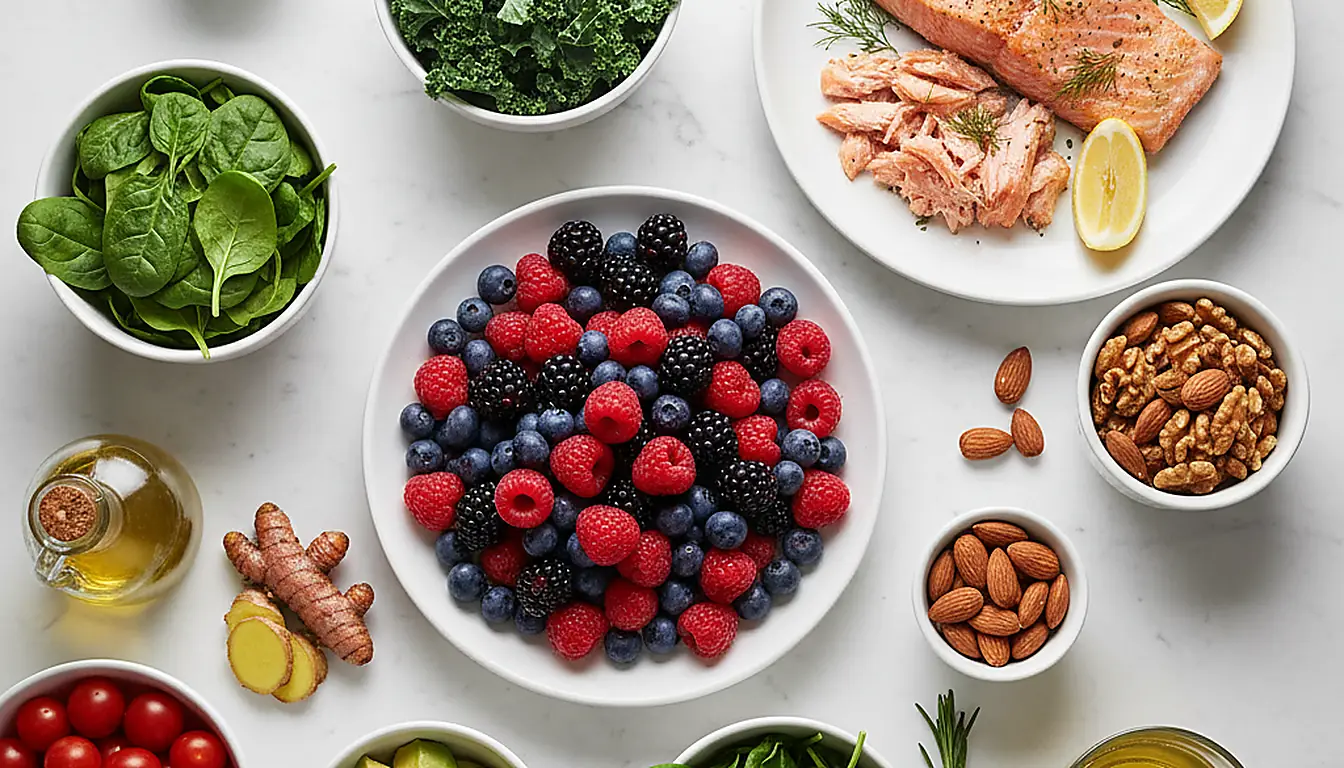
- Omega-3 Fatty Acids: As I mentioned earlier, omega-3s are powerful anti-inflammatory nutrients. You can get them from fatty fish like salmon, mackerel, and sardines, or through a fish oil or algal oil supplement.
- Turmeric/Curcumin: Curcumin, the active compound in turmeric, has potent anti-inflammatory properties. Look for a supplement that contains piperine (black pepper extract), which enhances absorption.
- Ginger: Ginger is another spice with anti-inflammatory benefits. You can add fresh ginger to your meals or take a ginger supplement.
- CBD: Some research suggests that CBD may have anti-inflammatory properties. Products are available from vendors like CBDFx and Charlotte’s Web. Always consult with a healthcare professional before using CBD, especially if you’re taking other medications.
My Personal Experience with Reducing Inflammatory Foods
I want to be real with you. Cutting out these foods wasn’t always easy! I used to rely on processed snacks and sugary drinks to get me through the day. But after experiencing persistent fatigue, joint pain, and digestive issues, I knew something had to change. I started by making small swaps, one at a time. First, I replaced soda with sparkling water. Then, I started cooking more meals at home using whole, unprocessed ingredients. I slowly reduced my intake of processed meats and refined carbs. It took time, but eventually, I felt a HUGE difference. My energy levels improved, my joint pain subsided, and my digestion became much more regular. I’m not perfect, and I still indulge in treats sometimes, but I’m much more mindful of my choices now. And honestly, the way I feel now is worth it.
In Conclusion: You Can Control Your Inflammation
Managing inflammation through diet is a journey, not a destination. It’s about making informed choices, listening to your body, and finding what works best for you. By reducing your intake of sugary drinks, refined carbs, processed meats, unhealthy fats, and excessive alcohol, you can significantly reduce inflammation and improve your overall health. Remember, small changes can make a big difference. Start with one swap today, and see how you feel. You’ve got this!
Disclaimer: I am not a medical professional. The information provided in this blog post is for general knowledge and informational purposes only, and does not constitute medical advice. It is essential to consult with a qualified healthcare professional for any health concerns or before making any decisions related to your health or treatment.
Frequently Asked Questions
What is chronic inflammation?
Chronic inflammation is a low-grade, ongoing inflammatory process in the body. It’s been linked to various health issues, including heart disease, diabetes, and arthritis. It’s different from acute inflammation, which is a short-term response to injury or infection.
How can my diet affect inflammation?
Certain foods can promote inflammation, while others can help reduce it. A diet high in processed foods, sugary drinks, and unhealthy fats tends to increase inflammation, while a diet rich in fruits, vegetables, whole grains, and healthy fats can help to reduce it.
What are some easy swaps I can make to reduce inflammation?
Instead of sugary drinks, try sparkling water with lemon or lime. Choose whole grains over refined carbs. Opt for lean protein sources instead of processed meats. Cook with olive oil or avocado oil instead of unhealthy fats, and limit your alcohol intake.
Are supplements helpful for managing inflammation?
Yes, certain supplements can play a supportive role. Omega-3 fatty acids, turmeric/curcumin, ginger, and possibly CBD are examples of supplements that may help reduce inflammation. Always consult with your doctor before starting any new supplement regimen.
What are some examples of foods that are high in omega-3 fatty acids?
Good sources of omega-3 fatty acids include fatty fish like salmon, mackerel, and sardines. You can also get omega-3s from algal oil supplements if you prefer a plant-based option.
Why is it important to balance omega-6 and omega-3 fatty acids?
Omega-6 fatty acids, found in vegetable oils like corn and sunflower oil, can contribute to inflammation if not balanced with enough omega-3 fatty acids. Aim for a balance by reducing your intake of omega-6-rich oils and increasing your intake of omega-3s.
Key Takeaways
- What Exactly IS Inflammation?
- Why Food Matters in the Inflammation Equation
- The Top 5 Inflammatory Food Offenders
- 1. Sugary Drinks and Processed Sweets
- 2. Refined Carbohydrates