
Is Timing Really Everything? My Journey with Meal Timing and Weight
Okay, friends, let’s talk about something we all think about: weight management. And specifically, let’s dive into the best time to eat your biggest meal. Sounds simple, right? But honestly, it’s been a journey for me. I used to think calories were just calories, no matter when you ate them. But boy, was I wrong! I’ve experimented, researched, and talked to nutritionists, and I’m here to share what I’ve learned.
Table of Contents
- Is Timing Really Everything? My Journey with Meal Timing and Weight
- Why Meal Timing Matters: It’s More Than Just Calories In, Calories Out
- So, What’s the Best Time to Indulge? (Spoiler: It Might Be Breakfast!)
- My Personal Experiment: Breakfast as King
- Practical Strategies for Shifting Your Meal Timing
- 1. Gradual Adjustments
- 2. Protein Power
- 3. Mindful Eating
- 4. Plan Ahead
- 5. Listen to Your Body
- Common Pitfalls and How to Avoid Them
- Beyond Meal Timing: A Holistic Approach to Weight Management
I remember a time when I was prepping for a friend’s wedding. I wanted to fit into this gorgeous dress, but I was also stressed out of my mind with work. My solution? Starving myself during the day and then binge-eating a huge dinner late at night. Predictably, it backfired! I was exhausted, irritable, and the dress? Still didn’t fit the way I wanted. That’s when I realized I needed a new approach. And that’s when I started really looking into meal timing and its impact on my body.
Why Meal Timing Matters: It’s More Than Just Calories In, Calories Out
For years, the prevailing wisdom was all about the energy balance equation: burn more calories than you consume, and you’ll lose weight. While that’s fundamentally true, it ignores the complex hormonal dances our bodies perform throughout the day. Our circadian rhythm, that internal clock that regulates sleep-wake cycles, also influences our metabolism, hormone secretion, and even gene expression related to weight management. Think of it like this: your body is a finely tuned orchestra, and meal timing is the conductor, ensuring all the instruments play in harmony. We’ll get into strategies to adjust meal times and see how to best improve your overall health and diet.
Here are some key elements that are affected by the timing of meals:
- Insulin Sensitivity: Insulin is a hormone that helps your body use glucose (sugar) for energy. Studies suggest that insulin sensitivity is highest in the morning and declines as the day goes on. This means your body is better equipped to handle carbohydrates earlier in the day.
- Metabolism: Our metabolism isn’t constant; it fluctuates throughout the day. Research indicates that we burn more calories processing food in the morning than we do in the evening.
- Hunger Hormones: Ghrelin (the hunger hormone) and leptin (the satiety hormone) play crucial roles in appetite regulation. Disrupted meal timing can throw these hormones out of whack, leading to increased cravings and overeating.
So, What’s the Best Time to Indulge? (Spoiler: It Might Be Breakfast!)
Now, for the million-dollar question: When should you eat your biggest meal? The evidence increasingly points to the morning! Consuming a substantial, protein-rich breakfast can kickstart your metabolism, stabilize blood sugar levels, and promote feelings of fullness throughout the day. Think of it as setting the stage for a day of balanced energy and reduced cravings.
Let’s break down why making breakfast your biggest meal can be a game-changer:
- Increased Satiety: A bigger breakfast can keep you feeling fuller longer, reducing the temptation to snack on unhealthy foods later in the day.
- Improved Blood Sugar Control: Starting your day with a balanced meal helps regulate blood sugar levels, preventing energy crashes and cravings.
- Boosted Metabolism: Eating earlier in the day aligns with your body’s natural circadian rhythm, potentially leading to increased calorie burning.
My Personal Experiment: Breakfast as King
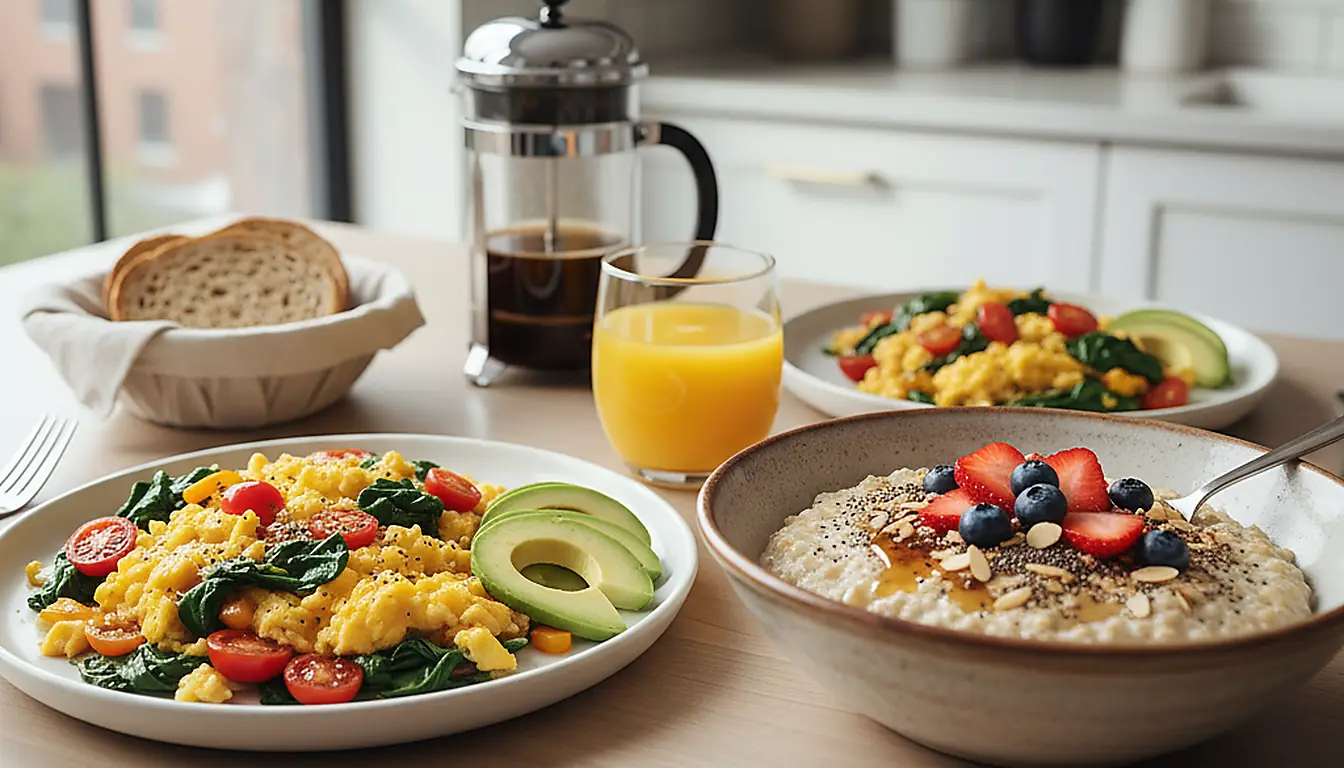
After years of struggling with weight fluctuations and energy dips, I decided to put this theory to the test. For a month, I committed to making breakfast my biggest meal. I’m talking scrambled eggs with veggies and avocado, a hearty bowl of oatmeal with nuts and berries, or even a protein smoothie packed with greens. I scaled back my lunch and dinner portions, focusing on lean protein and vegetables. And you know what? It worked! I felt more energized, my cravings decreased significantly, and I even started to see the numbers on the scale move in the right direction.
Practical Strategies for Shifting Your Meal Timing
Okay, so you’re convinced that meal timing matters. Now, how do you actually implement these changes into your daily life? Here are some actionable strategies:
1. Gradual Adjustments
Don’t try to overhaul your entire eating schedule overnight. Start by gradually increasing your breakfast portion and decreasing your dinner portion. Small, sustainable changes are more likely to stick in the long run.
2. Protein Power
Make sure your biggest meal includes a good source of protein. Protein is incredibly satiating and helps stabilize blood sugar levels. Excellent protein sources include eggs, Greek yogurt, lean meats, fish, beans, and tofu.
3. Mindful Eating
Pay attention to your hunger cues and eat slowly, savoring each bite. This will help you recognize when you’re truly full and prevent overeating, regardless of what time of day it is. Mindful eating improves your overall health and relationship with food.
4. Plan Ahead
Meal prepping can be a lifesaver when it comes to sticking to a new eating schedule. Spend some time on the weekend planning and preparing your meals for the week. This will make it easier to make healthy choices, even when you’re busy.
5. Listen to Your Body

This small shift made a visible difference.
Everyone is different, so what works for me might not work for you. Pay attention to how your body responds to different meal timings and adjust accordingly. Be patient with yourself and remember that it takes time to find what works best for you.
Common Pitfalls and How to Avoid Them
Changing your meal timing can be challenging, and it’s easy to fall into common traps. Here are a few pitfalls to watch out for and how to avoid them:
- Skipping Meals: Even if you’re not hungry, try to eat something at regular intervals. Skipping meals can lead to overeating later in the day.
- Emotional Eating: Be mindful of your emotions and avoid using food as a coping mechanism. Find healthy ways to manage stress, such as exercise, meditation, or spending time with loved ones.
- Late-Night Snacking: This is a big one! Try to avoid eating anything after dinner, especially sugary or processed foods. If you’re truly hungry, opt for a light, protein-rich snack like a handful of nuts or a small bowl of Greek yogurt.
- Lack of Planning: As mentioned earlier, planning is crucial. Without a plan, it’s easy to fall back into old habits.
Beyond Meal Timing: A Holistic Approach to Weight Management
While meal timing is an important factor, it’s just one piece of the puzzle. A holistic approach to weight management includes:
- Balanced Diet: Focus on whole, unprocessed foods, including plenty of fruits, vegetables, lean protein, and healthy fats.
- Regular Exercise: Aim for at least 30 minutes of moderate-intensity exercise most days of the week.
- Adequate Sleep: Sleep deprivation can disrupt hormones and increase cravings. Aim for 7-8 hours of quality sleep per night.
- Stress Management: Chronic stress can lead to weight gain. Find healthy ways to manage stress, such as yoga, meditation, or spending time in nature.
A Few Words on Intermittent Fasting
Intermittent Fasting (IF) gets a lot of buzz, and is relevant to this idea. Essentially, IF dictates *when* you eat, rather than *what* you eat, by creating “eating windows” and “fasting windows.” Some people find success with IF, particularly with the 16/8 method (16 hours fasting, 8 hours eating). It’s important to note IF isn’t a magic bullet and doesn’t work for everyone. It’s critical to listen to your body and consult a healthcare professional before embarking on any fasting protocol, especially if you have underlying health conditions.
The Bottom Line: Experiment and Find What Works for You
So, what’s the ultimate takeaway? The best time to eat your biggest meal is generally earlier in the day, ideally breakfast or lunch. This aligns with your body’s natural circadian rhythm and can help improve insulin sensitivity, boost metabolism, and reduce cravings. However, the most important thing is to experiment and find what works best for you. Pay attention to your body’s signals, prioritize whole foods, and incorporate healthy lifestyle habits. And remember, weight management is a marathon, not a sprint. Be patient with yourself, celebrate small victories, and focus on creating sustainable changes that you can maintain for the long haul.
Ready to take control of your eating habits and achieve your weight management goals? Start by making breakfast your biggest meal, and watch how your body responds. You might be surprised by the results!
Key Takeaways
- Is Timing Really Everything? My Journey with Meal Timing and Weight
- Why Meal Timing Matters: It’s More Than Just Calories In, Calories Out
- So, What’s the Best Time to Indulge? (Spoiler: It Might Be Breakfast!)
- My Personal Experiment: Breakfast as King
- Practical Strategies for Shifting Your Meal Timing