Hey there, skincare friend!
Have you ever felt completely lost in the skincare aisle, staring at endless products all promising to transform your skin? I know I have. It’s overwhelming, right? It feels like everyone else knows some secret code, and you’re just stuck trying to decode the labels. But here’s the thing: the secret isn’t some fancy ingredient or expensive brand. It all starts with understanding your skin – *really* understanding it. That’s why I’m so excited to share with you this ultimate guide to **finding your true skin type**. Knowing your skin type is the foundation for a successful skincare routine. It’s like having a roadmap to healthy, glowing skin. Trust me, once you figure this out, everything else gets a whole lot easier.
I remember when I first started getting into skincare, I bought EVERYTHING. Serums, masks, cleansers… you name it. My bathroom looked like a mini Sephora exploded. But my skin? It was a mess! I was using products totally wrong for my skin, causing breakouts and irritation. It was only when I finally took the time to *really* understand my skin that things started to change. And honestly, it was a game changer. So, let’s dive in and unlock the secrets to your best skin ever!
Why Knowing Your Skin Type Matters
Think of your skin as a garden. You wouldn’t water a cactus the same way you water a fern, would you? Different plants have different needs. The same goes for your skin. Knowing your skin type – whether it’s oily, dry, combination, sensitive, or normal – helps you:
* **Choose the Right Products:** Avoid wasting money on products that won’t work for you or, worse, will irritate your skin.
* **Target Specific Concerns:** Address issues like dryness, acne, or sensitivity more effectively.
* **Create an Effective Routine:** Build a skincare regimen that’s tailored to your unique needs.
* **Prevent Future Problems:** Protect your skin from damage and maintain its health and radiance.
Basically, understanding your **skin classification** is the key to unlocking a happy and healthy complexion. It’s about working *with* your skin, not against it.
The Different Skin Types: A Breakdown
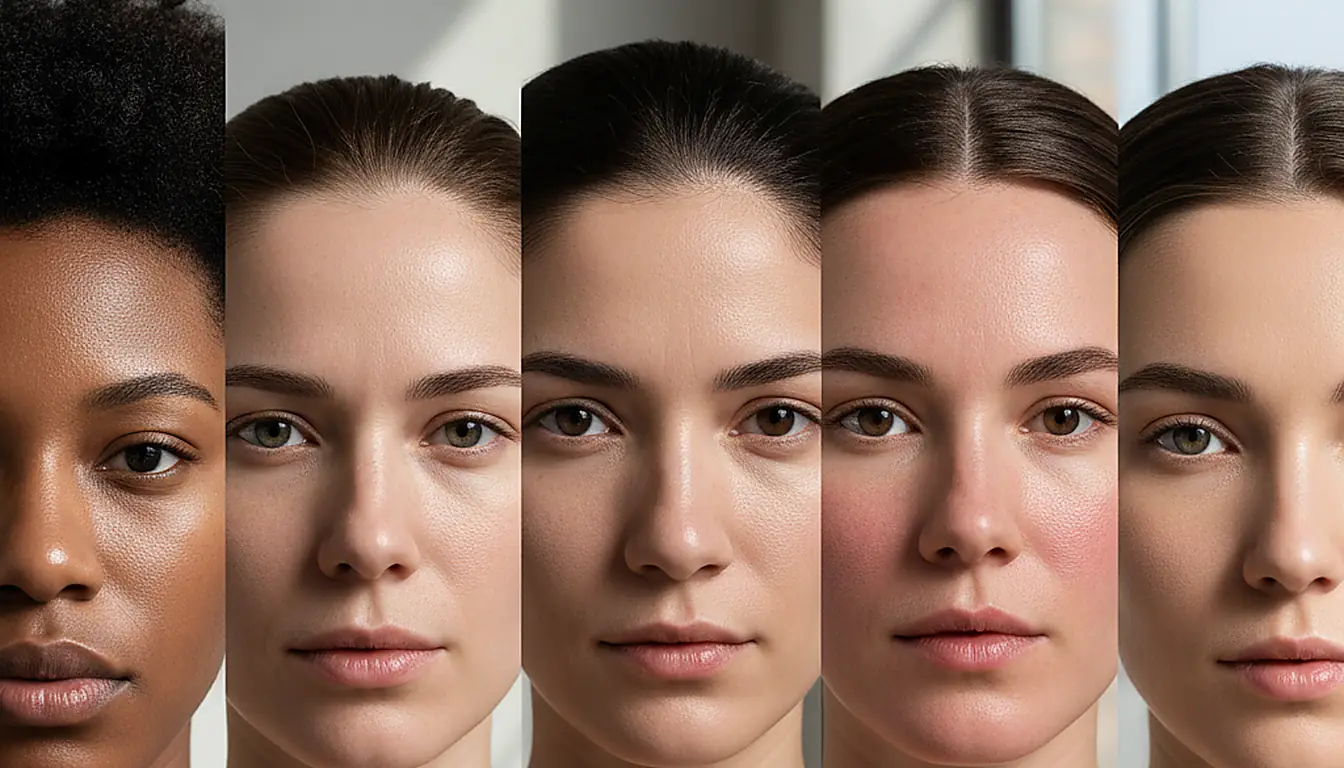
Let’s break down the five main skin types. I’ll share some telltale signs for each to help you identify yours.
1. Oily Skin
* **Characteristics:** Shiny appearance, enlarged pores, prone to blackheads and breakouts, excess sebum production.
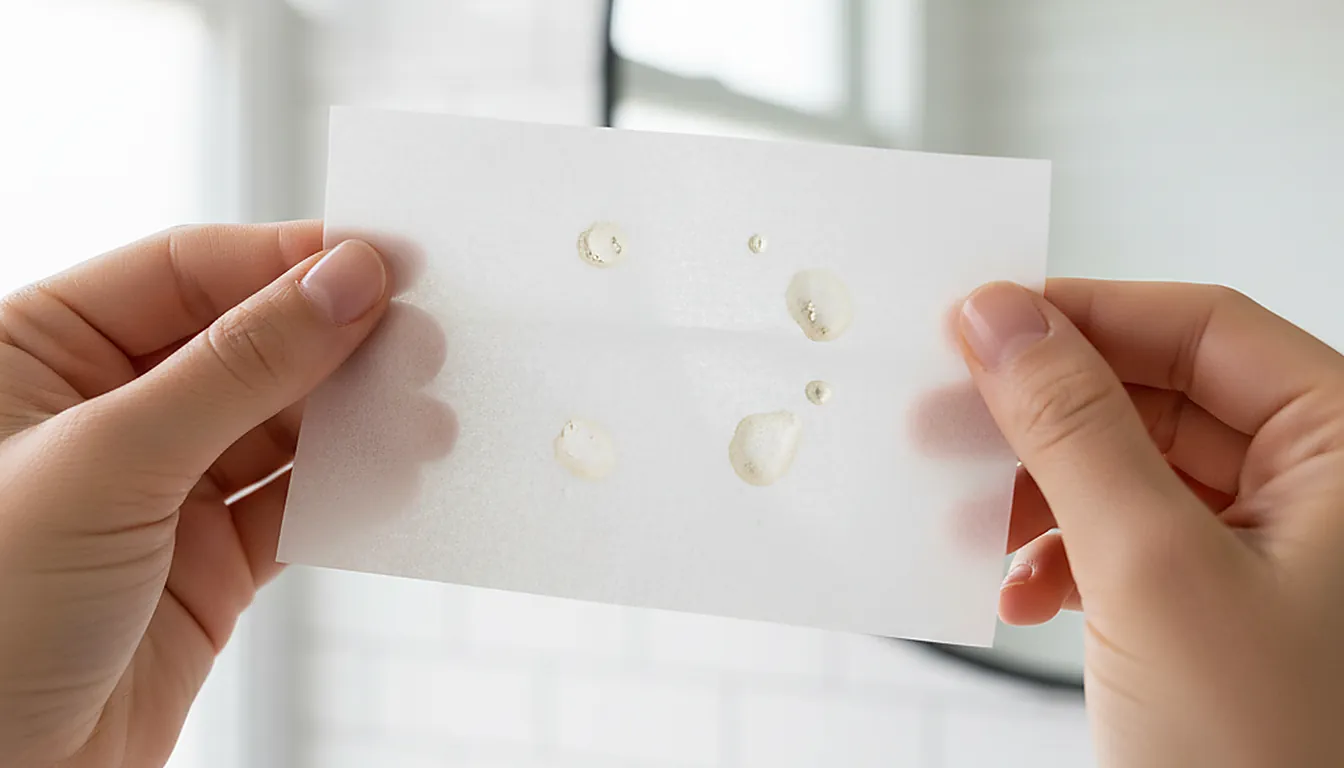
* **The Blot Test:** When blotting your face with tissue in the morning, there’s significant oil on the paper.
* **My Tip:** Don’t be afraid of moisturizer! Even oily skin needs hydration. Look for lightweight, oil-free formulas. Sometimes, the skin overproduces oil because it’s actually dehydrated!
2. Dry Skin
* **Characteristics:** Feels tight or itchy, flaky patches, dull appearance, fine lines are more visible.
* **The Blot Test:** Barely any oil appears on the blotting paper.
* **My Tip:** Hydration is your best friend. Invest in a good hydrating serum and a rich moisturizer. Hyaluronic acid is a must!
3. Combination Skin
* **Characteristics:** Oily T-zone (forehead, nose, and chin) and dry cheeks, pores are visible in some areas but not others.
* **The Blot Test:** Oil shows up mainly from the forehead, nose and chin area.
* **My Tip:** Multi-masking is your secret weapon! Use different masks on different areas of your face to target specific concerns. For example, a clay mask on your T-zone and a hydrating mask on your cheeks.
4. Sensitive Skin
* **Characteristics:** Easily irritated, prone to redness, itching, and burning, reacts negatively to many products. Can present as any of the types above.
* **The Blot Test:** The test result itself isn’t indicative, but the *reaction* to the blotting paper and any subsequent product is.
* **My Tip:** Patch test *everything* before applying it to your entire face. Look for gentle, fragrance-free formulas with minimal ingredients. Less is more!
5. Normal Skin
* **Characteristics:** Balanced hydration, small pores, few blemishes, even skin tone. Consider yourself lucky!
* **The Blot Test:** Minimal oil, but skin doesn’t feel tight or dry.
* **My Tip:** Don’t get complacent! While you may not have major concerns, it’s still important to maintain a consistent skincare routine to protect your skin from aging and environmental damage.
How to Determine Your Skin Type: The At-Home Test
Okay, let’s get practical. This is how to find out your skin type using a simple at-home test.
- **Cleanse:** Wash your face with a gentle cleanser and pat it dry. Don’t use any harsh scrubs or actives.
- **Wait:** Leave your skin bare for about an hour. Don’t apply any products.
- **Observe:** After an hour, examine your skin closely in a well-lit mirror. Pay attention to how it feels and looks.
- **Blot:** Gently press a blotting paper (or a clean tissue) onto different areas of your face – forehead, nose, cheeks, and chin.
- **Evaluate:** Use the characteristics I described above and your observations to determine your skin type.
Things to consider
* **Seasonal Changes:** Your skin type might change slightly depending on the season. Dry skin tends to get drier in winter, while oily skin might get oilier in summer.
* **Hormonal Fluctuations:** Hormones can also affect your skin. Breakouts around your period? That’s hormones at work!
* **Age:** As we age, our skin tends to become drier. What worked in your 20s might not work in your 40s.
Building a Skincare Routine for Your Skin Type
Now that you know your skin type, let’s talk about building a skincare routine that works for you.
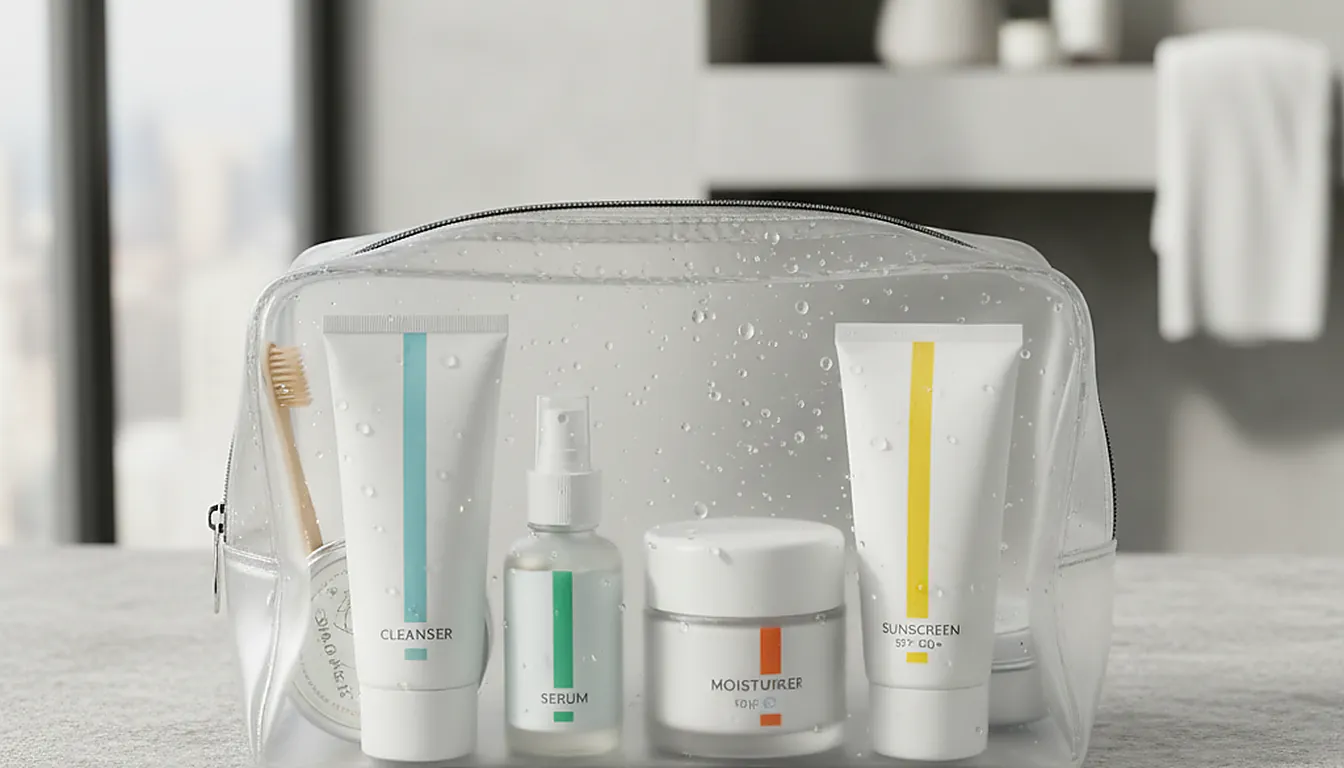
Oily Skin Routine
* **Cleanser:** Use a foaming cleanser with ingredients like salicylic acid to help control oil production.
* **Toner:** Use an alcohol-free toner to balance your skin’s pH levels.
* **Serum:** Opt for a lightweight, oil-free serum with ingredients like niacinamide to minimize pores and control oil.
* **Moisturizer:** Use a light gel moisturizer to keep your skin hydrated without clogging pores.
* **Sunscreen:** A non-comedogenic sunscreen is a must! It will protect you from the sun.
Dry Skin Routine
* **Cleanser:** Use a creamy, hydrating cleanser that won’t strip your skin of its natural oils.
* **Toner:** Skip the toner or use a hydrating essence.
* **Serum:** Use a hydrating serum with ingredients like hyaluronic acid to boost moisture levels.
* **Moisturizer:** Use a rich, emollient moisturizer to lock in hydration.
* **Sunscreen:** Again, essential.
Combination Skin Routine
* **Cleanser:** Use a gentle, balanced cleanser that won’t over-dry or over-oil your skin.
* **Toner:** Use a toner on your T-zone only.
* **Serum:** Use a lightweight serum that addresses your specific concerns, such as acne or dryness.
* **Moisturizer:** Use a light moisturizer on your T-zone and a richer moisturizer on your cheeks.
* **Sunscreen:** Protect your skin!
Sensitive Skin Routine
Here’s where it feels real for me.
Table of Contents
- Hey there, skincare friend!
- Why Knowing Your Skin Type Matters
- The Different Skin Types: A Breakdown
- 1. Oily Skin
- 2. Dry Skin
- 3. Combination Skin
- 4. Sensitive Skin
- 5. Normal Skin
- How to Determine Your Skin Type: The At-Home Test
- Things to consider
- Building a Skincare Routine for Your Skin Type
- Oily Skin Routine
* **Cleanser:** Use a super gentle, fragrance-free cleanser with minimal ingredients.
* **Toner:** Skip the toner or use a soothing thermal water spray.
* **Serum:** Use a serum with calming ingredients like chamomile or aloe vera.
* **Moisturizer:** Use a simple, hypoallergenic moisturizer.
* **Sunscreen:** Mineral sunscreens are often better tolerated by sensitive skin.
Normal Skin Routine
* **Cleanser:** Use a gentle cleanser to maintain balance.
* **Toner:** Use a toner to prep the skin.
* **Serum:** Anti aging serums.
* **Moisturizer:** Use a basic moisturizer.
* **Sunscreen:** Use sunscreen to protect from the sun.
Common Mistakes to Avoid
* **Over-exfoliating:** Exfoliating too much can damage your skin barrier and lead to irritation, regardless of your skin type.
* **Using Harsh Products:** Avoid products with harsh chemicals, fragrances, or alcohol, especially if you have sensitive skin.
* **Ignoring Ingredients:** Pay attention to the ingredients in your products and choose ones that are beneficial for your skin type.
* **Not Patch Testing:** Always patch test new products before applying them to your entire face.
* **Forgetting Sunscreen:** Sunscreen is the most important step in any skincare routine, regardless of your skin type.
The Bottom Line
Finding your true **skin type analysis** is the first step towards achieving healthy, glowing skin. It takes a little experimentation and observation, but it’s totally worth it. Once you know your skin type, you can build a skincare routine that’s tailored to your needs and finally say goodbye to skincare confusion. Remember, consistency is key! Stick with your routine and be patient, and you’ll start to see results. And don’t be afraid to adjust your routine as needed, because your skin’s needs can change over time. So, go forth and conquer your skincare journey! Your best skin is waiting for you.
Now, I’d love to hear from you! What’s your skin type, and what are your biggest skincare struggles? Share your thoughts in the comments below!
Frequently Asked Questions
How often should I exfoliate my skin?
It depends on your skin type! Oily skin can usually tolerate exfoliation 2-3 times a week, while dry or sensitive skin should only exfoliate once a week, or even less frequently.
What is the best way to treat oily skin?
Use a foaming cleanser with salicylic acid, an alcohol-free toner, a lightweight serum with niacinamide, and a light gel moisturizer. Don’t skip the moisturizer, even if your skin is oily!
How can I tell if I have sensitive skin?
Sensitive skin is easily irritated, prone to redness, itching, and burning, and reacts negatively to many products. Patch test everything before applying it to your entire face.
What are the characteristics of combination skin?
Combination skin is an oily T-zone (forehead, nose, and chin) and dry cheeks, pores are visible in some areas but not others.
Is sunscreen really necessary, even on cloudy days?
Absolutely! UV rays can penetrate clouds, so sunscreen is essential every day, regardless of the weather. It’s the best way to protect your skin from sun damage and premature aging.
Why does my skin type seem to change with the seasons?
Seasonal changes can impact your skin’s hydration levels. Dry skin tends to get drier in winter, while oily skin might get oilier in summer. Adjust your skincare routine accordingly to address these changes.
Key Takeaways
- Hey there, skincare friend!
- Why Knowing Your Skin Type Matters
- The Different Skin Types: A Breakdown
- 1. Oily Skin
- 2. Dry Skin