The Quest for Clean Beauty: It’s More Than Just a Trend
Okay, friends, let’s talk about something that’s been on my mind (and probably yours too): clean beauty. It’s not just some buzzy marketing term; it’s about being conscious of what we’re putting on our bodies and, ultimately, in them. I’m not gonna lie, the beauty industry can feel like a minefield of confusing ingredients and scary chemicals. That’s why I decided to dive deep and create a (relatively) simple guide to navigating the world of clean beauty. Think of it as your cheat sheet to a healthier, happier you!
Table of Contents
- The Quest for Clean Beauty: It’s More Than Just a Trend
- Why Should You Care About Toxic Ingredients?
- The Toxic Ingredients List to Memorize (Or at Least Keep Handy!)
- Key Offenders to Avoid
- A Deeper Dive: More Ingredients to Be Aware Of
- How to Decode Your Beauty Labels
- Making the Switch to Clean Beauty: It Doesn’t Have to Be Overwhelming
- My Favorite Clean Beauty Brands (That Actually Work!)
- The Benefits of Clean Beauty: More Than Just Skin Deep
- Final Thoughts: Embrace the Journey to Clean Beauty
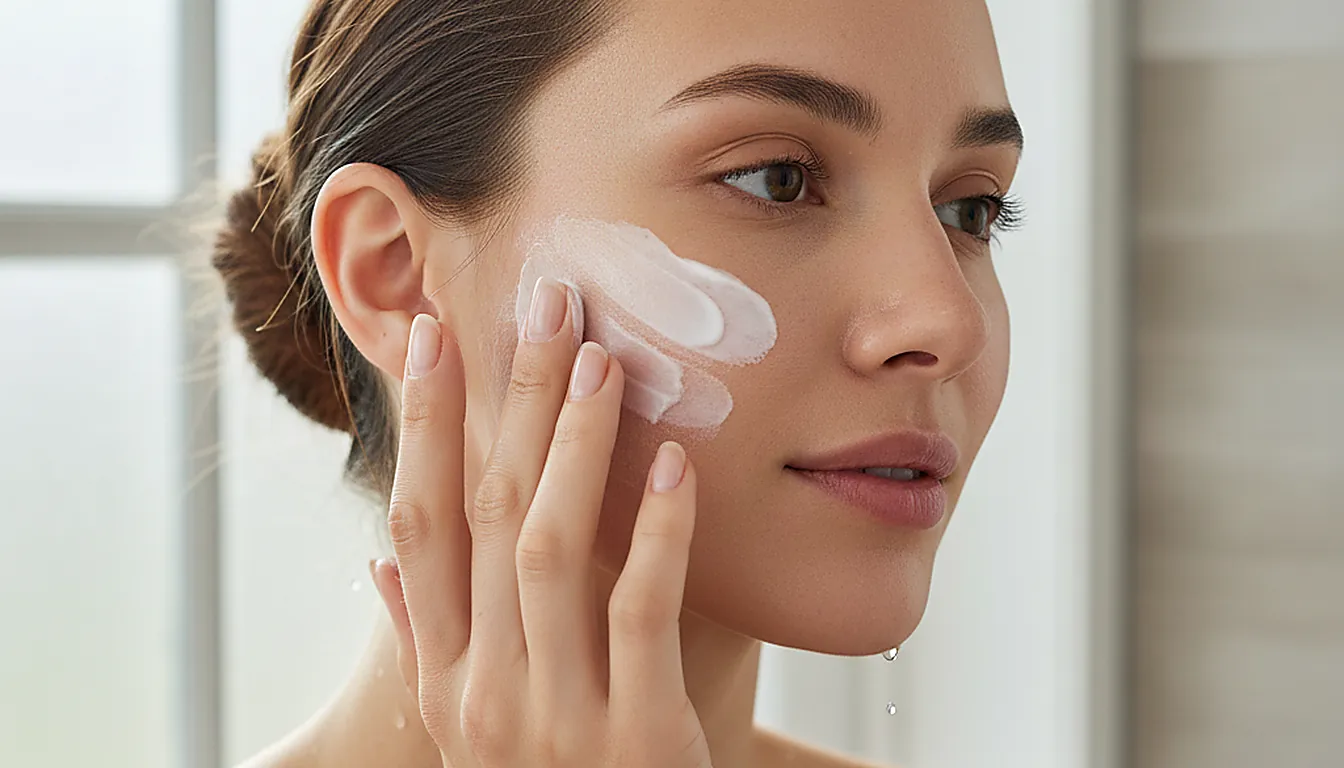
Let’s face it, trying to decipher those tiny ingredient lists can feel like trying to read hieroglyphics. Parabens? Phthalates? Sulfates? What are they really doing to us? I remember the moment I truly started paying attention. I had been using this fancy-schmancy face cream for months, and suddenly, my skin went haywire. Red, itchy, just…angry. After a little digging (and a lot of online searching), I realized it was likely the long list of questionable ingredients in that very expensive cream. Ugh! That’s when I decided, enough is enough. I’m taking control!
Why Should You Care About Toxic Ingredients?
So, why all the fuss? Well, many commonly used ingredients in conventional beauty products have been linked to a whole host of health concerns. We’re talking everything from skin irritation and allergies to hormone disruption and even, in some cases, increased cancer risk. And honestly, who needs that extra worry in their life?
Think of it like this: your skin is your body’s largest organ. It absorbs a significant amount of what you put on it. So, if you’re slathering on products loaded with potentially harmful chemicals, those chemicals are going straight into your bloodstream. That’s why it’s so important to be mindful and make informed choices.
The Toxic Ingredients List to Memorize (Or at Least Keep Handy!)
Alright, let’s get down to the nitty-gritty. This isn’t an exhaustive list, but it’s a great starting point. I recommend bookmarking this page or even printing it out to keep in your bathroom cabinet!
Key Offenders to Avoid
- Parabens (Methylparaben, Ethylparaben, Propylparaben, Butylparaben): These are preservatives that mimic estrogen and have been linked to hormone disruption.
- Phthalates (DBP, DEHP, DEP): Often found in fragrances and nail polish, phthalates are endocrine disruptors and can affect reproductive health.
- Sulfates (Sodium Lauryl Sulfate (SLS), Sodium Laureth Sulfate (SLES)): These are surfactants that create a foamy lather. They can be harsh and irritating, stripping your skin of its natural oils.
- Formaldehyde-releasing preservatives (DMDM Hydantoin, Diazolidinyl Urea, Imidazolidinyl Urea, Quaternium-15): These preservatives slowly release formaldehyde, a known carcinogen.
- Oxybenzone and Octinoxate: These are chemical sunscreen filters that can disrupt hormones and harm coral reefs. Opt for mineral sunscreens instead!
- Triclosan: An antibacterial agent that can disrupt hormones and contribute to antibiotic resistance.
- Fragrance (Parfum): This is a sneaky one. “Fragrance” can be a catch-all term for a cocktail of undisclosed chemicals, some of which may be harmful. Look for products that use natural essential oils for scent.
- Toluene: A solvent found in nail polish and hair dye that can affect the nervous system and cause developmental damage.
- Polyethylene Glycol (PEG compounds): PEGs are petroleum-based compounds that can be contaminated with harmful impurities like ethylene oxide and 1,4-dioxane.
A Deeper Dive: More Ingredients to Be Aware Of
- Mineral Oil/Paraffinum Liquidum: A petroleum byproduct that can clog pores and prevent the skin from breathing properly.
- Siloxanes/Silicones (Dimethicone, Cyclopentasiloxane): These create a smooth, silky feel but can build up on the skin, preventing it from absorbing moisture.
- Ethanolamines (MEA, DEA, TEA): Used as emulsifiers or foaming agents, these can be irritating and potentially carcinogenic.
- Retinyl Palmitate: A form of Vitamin A that may increase skin sensitivity to the sun and potentially contribute to skin cancer when used in sunscreen.
How to Decode Your Beauty Labels
Okay, so now you have a list of ingredients to avoid. But how do you actually figure out if they’re lurking in your favorite products? Here are a few tips:
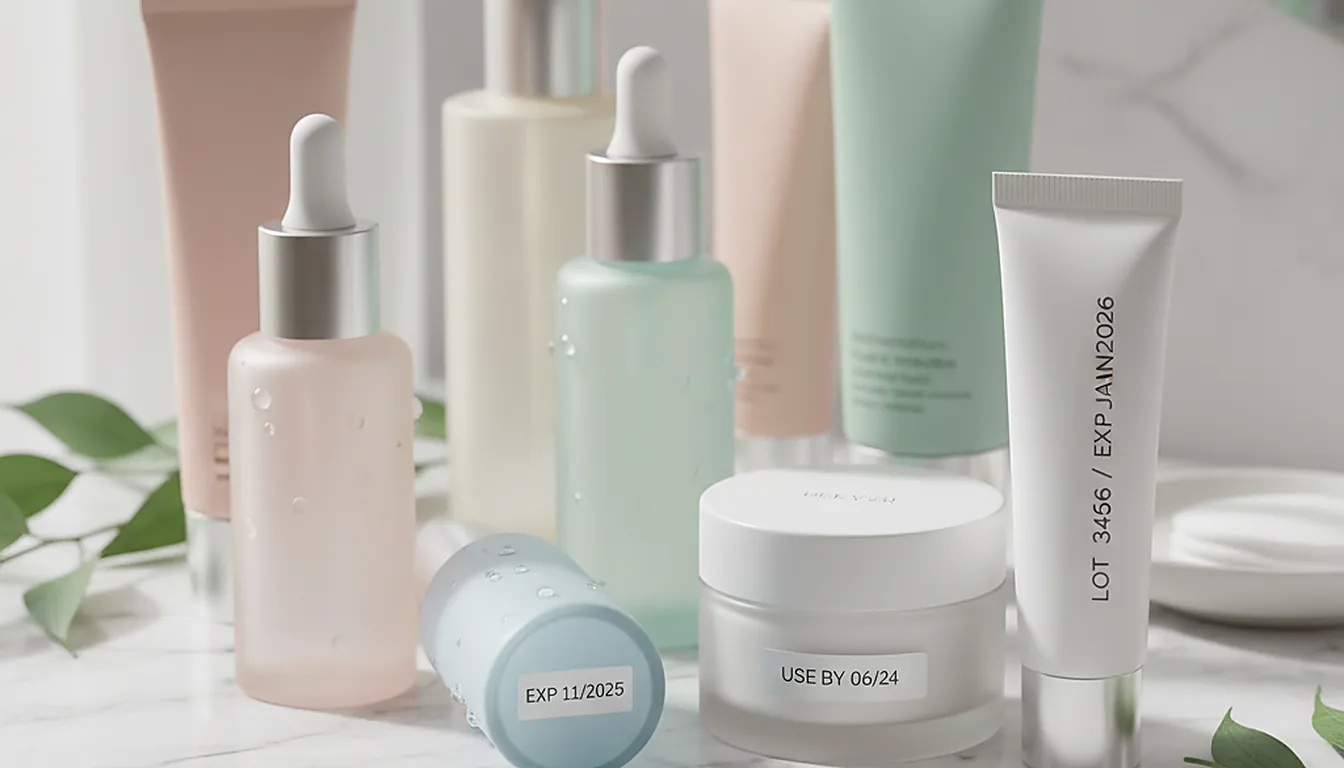
- Read the entire ingredient list: Don’t just focus on the front of the packaging! The ingredient list is where the truth lies.
- Use ingredient scanner apps: There are several apps available (like Think Dirty, Yuka, and EWG’s Healthy Living app) that allow you to scan product barcodes and get instant ratings based on their ingredient lists. These are super helpful!
- Look for certifications: Certifications like Ecocert, COSMOS, and Made Safe can help you identify products that have been vetted for safety and sustainability.
- Do your research: If you’re unsure about an ingredient, Google it! There are tons of resources available online to help you understand the potential risks and benefits.
Making the Switch to Clean Beauty: It Doesn’t Have to Be Overwhelming
I know, this all sounds like a lot. And trust me, it can be overwhelming at first. But don’t feel like you have to overhaul your entire beauty routine overnight! Start small. Choose one or two products to replace with cleaner alternatives. Maybe it’s your foundation, your moisturizer, or your sunscreen. As you run out of your old products, gradually replace them with cleaner options.
And remember, progress, not perfection! It’s okay if you slip up or if you can’t find a clean alternative for every single product you use. The important thing is that you’re making a conscious effort to choose safer, healthier options whenever possible.
My Favorite Clean Beauty Brands (That Actually Work!)
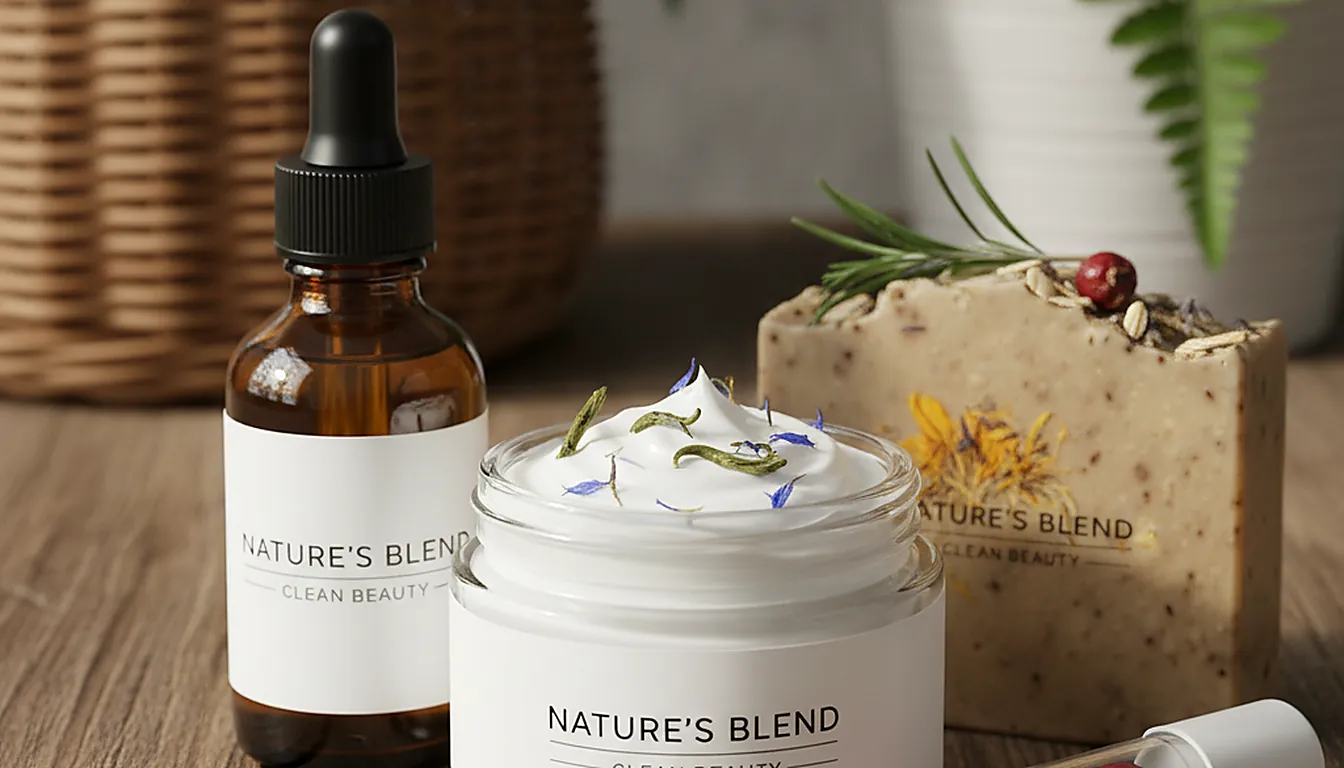
Okay, I’m not going to gatekeep! Here are a few of my go-to clean beauty brands that I’ve personally tried and loved:
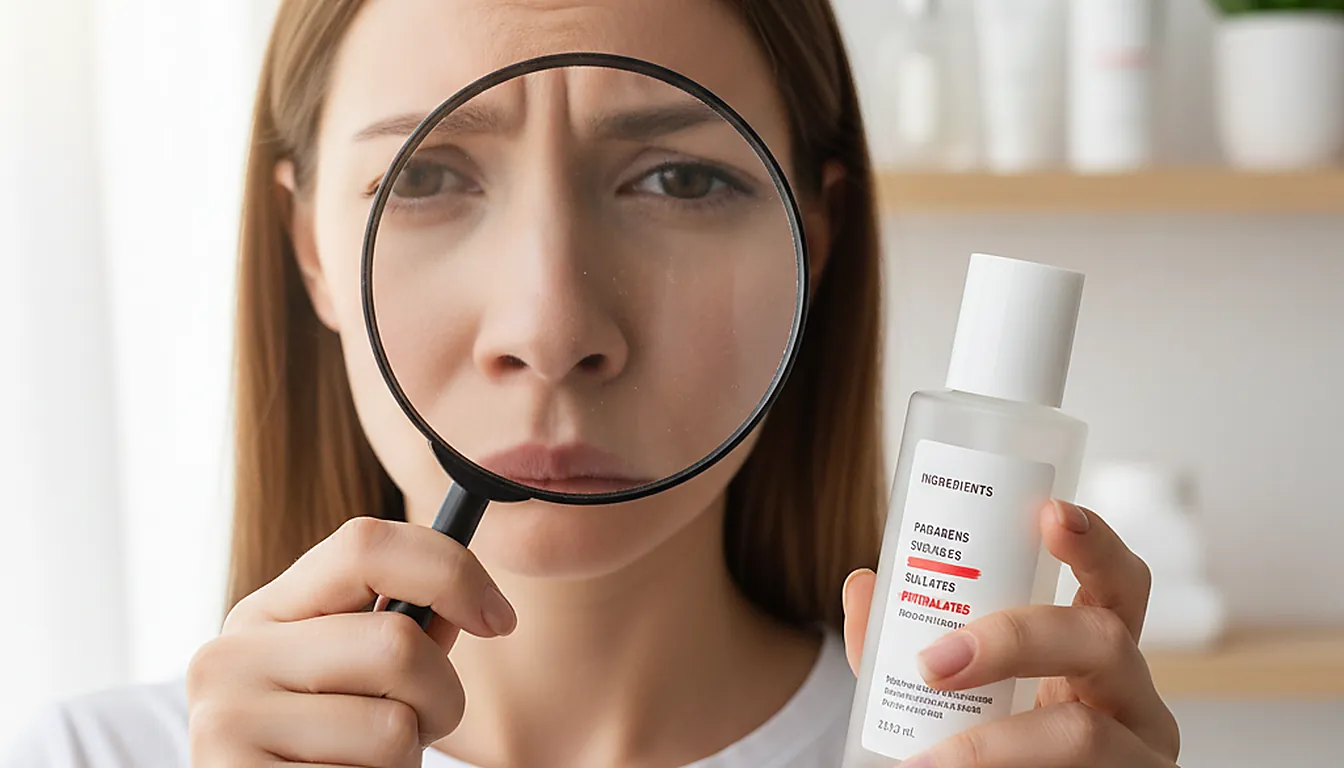
Here’s where it feels real for me.
- Ilia Beauty: Known for their multi-use products and dewy finishes. Their Super Serum Skin Tint SPF 40 is a game-changer!
- Juice Beauty: Offers a wide range of organic skincare and makeup. Their Stem Cellular Anti-Wrinkle Moisturizer is a cult favorite.
- RMS Beauty: Focuses on raw, food-grade ingredients. Their “Un” Cover-Up concealer is a must-have.
- Saie: Delivers effective and sustainable makeup and skincare. Their Glowy Super Gel is perfect for adding a natural radiance.
- Tower28: Creates sensitive skin-friendly makeup that’s fun and colorful. Their SOS Daily Rescue Facial Spray has saved my skin more times than I can count.
The Benefits of Clean Beauty: More Than Just Skin Deep
Switching to clean beauty isn’t just about avoiding harmful chemicals; it’s also about supporting sustainable and ethical practices. Many clean beauty brands prioritize using natural, renewable ingredients and minimizing their environmental impact. It’s a win-win!
Plus, when you use products that are free of harsh chemicals and irritants, your skin will thank you. I’ve noticed a significant improvement in my skin’s overall health and appearance since making the switch. It’s less reactive, more hydrated, and just generally happier!
Final Thoughts: Embrace the Journey to Clean Beauty
The journey to clean beauty is a personal one. There’s no right or wrong way to do it. The most important thing is to be informed, make conscious choices, and listen to your body. Don’t be afraid to experiment, try new products, and find what works best for you. And remember, you’re not alone! There’s a whole community of people who are passionate about clean beauty and eager to share their knowledge and experiences. So, let’s embark on this journey together!
Key Takeaways
- The Quest for Clean Beauty: It’s More Than Just a Trend
- Why Should You Care About Toxic Ingredients?
- The Toxic Ingredients List to Memorize (Or at Least Keep Handy!)
- Key Offenders to Avoid
- A Deeper Dive: More Ingredients to Be Aware Of