Hey Friends! Let’s Talk Sugar, Seriously.
Okay, so, how many times have you found yourself staring blankly at a nutrition label, feeling like you need a PhD in chemistry just to understand what you’re actually putting into your body? I get it. I’ve been there. Especially when it comes to sugar. It feels like it’s hiding everywhere! This post is all about unraveling the mystery of sugar, its many sneaky names, and practical steps to help you cut your sugar intake. We’re diving deep into the truth about sugar, because honestly, it’s time we knew what we’re dealing with. This is important for our health and well-being, especially as we age and want to keep feeling our best. We need to understand hidden sugar names.
Table of Contents
- Hey Friends! Let’s Talk Sugar, Seriously.
- Why All the Fuss About Sugar?
- The Sugar Hit List: Hidden Names You Need to Know
- My Wake-Up Call: The Overthinking Cycle
- 5 Immediate Strategies to Cut Your Sugar Intake
- 1. Read Those Labels (Like Your Life Depends On It!)
- 2. Swap Sugary Drinks for Water (Seriously!)
- 3. Embrace Whole, Unprocessed Foods
- 4. Get Smart About Sweeteners
- 5. Don’t Deprive Yourself Completely (But Be Mindful)
- Sugar Cutting Checklist:
- The Sweet Truth: It’s All About Balance
For years, I struggled with fatigue, and I suspected sugar was a big culprit. I’d crash hard after sugary treats, leaving me feeling sluggish and irritable. It wasn’t fun. After countless hours of research and trial and error (and, yes, a few accidental sugar binges!), I finally started to get a handle on things. And I’m here to share what I learned with you. Let’s get started!
Why All the Fuss About Sugar?
Look, I’m not here to demonize sugar entirely. A little sweetness in life is…well, sweet! But the problem is, most of us are consuming way, way too much. And it’s not always obvious where it’s coming from. The excessive consumption of sugar has been linked to a whole host of health problems, including weight gain, type 2 diabetes, heart disease, and even some cancers. Not exactly the recipe for a vibrant, healthy life, right? Also, it has negative effects on your wellness lifestyle.
The sneaky thing about sugar is that it doesn’t always announce itself loudly. It hides in plain sight, lurking in unexpected places like:
- Processed foods
- Sauces
- Dressings
- Even seemingly “healthy” snacks
That’s why understanding the hidden names of sugar is so crucial.
The Sugar Hit List: Hidden Names You Need to Know
Okay, get ready to arm yourself with some knowledge. These are some of the most common hidden names for sugar you’ll find on ingredient lists. Consider this your sugar decoder ring!
- High-Fructose Corn Syrup (HFCS): This is probably the most well-known offender. It’s super cheap to produce, making it a favorite among food manufacturers. It’s in everything from soda to bread.
- Sucrose: Fancy word for plain old table sugar.
- Glucose: Another simple sugar, often found in fruits and honey.
- Fructose: Found naturally in fruits, but also added to many processed foods.
- Dextrose: A type of glucose derived from corn or wheat.
- Maltose: Found in malted grains.
- Lactose: The sugar found in milk.
- Corn Syrup Solids: A dehydrated form of corn syrup.
- Fruit Juice Concentrate: Sounds healthy, right? Wrong! It’s basically just concentrated sugar.
- Agave Nectar: Often marketed as a healthy alternative, but it’s still high in fructose.
- Honey: While natural, it’s still sugar.
- Maple Syrup: Same as honey – use sparingly.
- Molasses: A byproduct of sugar production.
See? Sugar is everywhere! It’s like a game of hide-and-seek, and it’s definitely winning if you don’t know what to look for. Learning these sugar alternatives is also vital.
My Wake-Up Call: The Overthinking Cycle
Okay, here’s where I get real with you. For me, the connection between sugar and my mental state was a game-changer. When I was wrestling with a particularly stressful career decision a few years ago, I fell into a terrible habit of overthinking. I was constantly analyzing every possible scenario, running through endless “what ifs,” and basically driving myself crazy. It was brutal.
Guess what I was reaching for during these marathon overthinking sessions? Sugar, of course! Cookies, candy, sugary lattes… you name it. It was a vicious cycle. The sugar gave me a temporary mood boost, but the inevitable crash left me feeling even more anxious and depleted. My mental exhaustion was sky high.
The turning point came when I realized that the sugar was actually fueling my anxiety. It was like throwing gasoline on a fire. Once I made the connection, I knew I had to make a change. This really shows the importance of a healthy nutrition.
5 Immediate Strategies to Cut Your Sugar Intake
Alright, enough doom and gloom. Let’s get to the good stuff: practical strategies you can implement right now to start reducing your sugar intake. These are the strategies that worked for me, and I’m confident they can help you too.
1. Read Those Labels (Like Your Life Depends On It!)
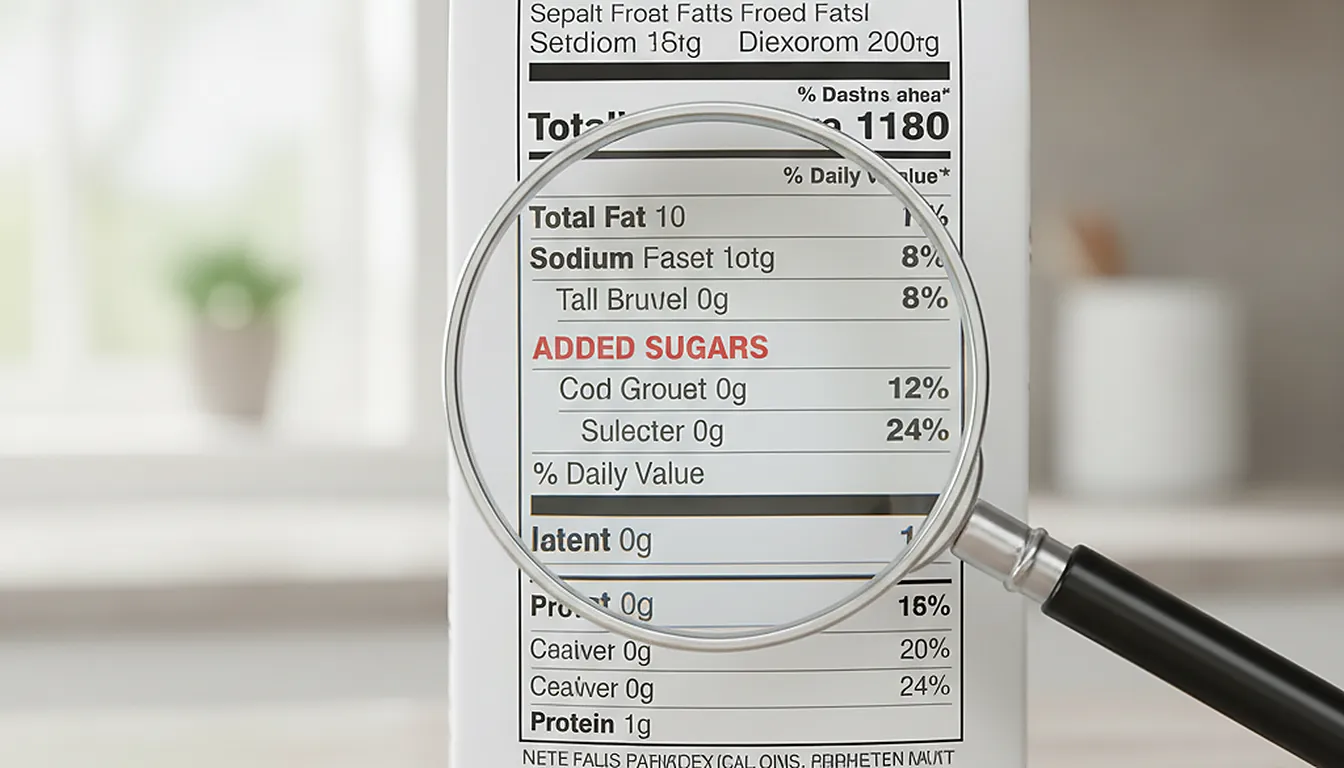
Seriously, this is non-negotiable. Before you buy anything, take a good look at the ingredient list. Scan for those hidden names of sugar we talked about earlier. Pay attention to the “added sugars” on the nutrition facts label. The American Heart Association recommends limiting added sugars to no more than 25 grams per day for women and 36 grams per day for men. Knowledge is power!
2. Swap Sugary Drinks for Water (Seriously!)
Sugary drinks are a huge source of empty calories and added sugar. Soda, juice, sweetened tea, energy drinks… they’re all culprits. Make a conscious effort to replace them with water. Carry a water bottle with you and sip on it throughout the day. Add some lemon or cucumber slices for extra flavor. Trust me, your body (and your brain) will thank you.
3. Embrace Whole, Unprocessed Foods
The more whole, unprocessed foods you eat, the less sugar you’re likely to consume. Focus on fruits, vegetables, lean protein, and whole grains. Cook your own meals as often as possible so you have control over the ingredients.
If you’re like me, you’ll appreciate this detail.
4. Get Smart About Sweeteners
If you absolutely need a little sweetness, opt for natural sweeteners in moderation. Stevia, monk fruit, and erythritol are all good options. But remember, even natural sweeteners should be used sparingly. Start experimenting with using less sweetener overall. You might be surprised at how quickly your taste buds adjust.
5. Don’t Deprive Yourself Completely (But Be Mindful)
Complete deprivation is a recipe for disaster (and a sugar binge!). Allow yourself occasional treats, but be mindful about your choices. Savor each bite and really enjoy it. Pay attention to how your body feels afterward. Does that sugary snack leave you feeling energized or sluggish? Use that information to make better choices in the future. Also, try to incorporate fitness exercises to help you manage the intake.
Sugar Cutting Checklist:
- [ ] Read labels on everything!
- [ ] Swap sugary drinks for water.
- [ ] Eat more whole, unprocessed foods.
- [ ] Use natural sweeteners sparingly.
- [ ] Be mindful of your treats.
The Sweet Truth: It’s All About Balance
Look, I’m not saying you have to become a sugar-free saint overnight. It’s about making small, sustainable changes that add up over time. It’s about being informed, making conscious choices, and listening to your body. It’s also about finding joy in other areas of your life that don’t involve sugar, like spending time with loved ones, pursuing hobbies, and getting out in nature. You don’t have to have decision paralysis over this!
I know this journey can feel overwhelming at times, but you’re not alone. We’re all in this together. And remember, even small steps can make a big difference. So take a deep breath, grab your sugar decoder ring, and start making those changes today!
What are your favorite tips for cutting back on sugar? Share them in the comments below!
Frequently Asked Questions
What are some common hidden names for sugar?
Some common hidden names for sugar include high-fructose corn syrup, sucrose, glucose, fructose, dextrose, maltose, lactose, corn syrup solids, fruit juice concentrate, agave nectar, honey, maple syrup, and molasses.
Why is it important to cut down on sugar intake?
Excessive sugar consumption has been linked to various health problems like weight gain, type 2 diabetes, heart disease, and even some cancers. Reducing sugar intake can improve overall health and well-being.
What are some practical strategies for reducing sugar intake?
Practical strategies include reading nutrition labels carefully, swapping sugary drinks for water, embracing whole, unprocessed foods, using natural sweeteners sparingly, and allowing occasional treats mindfully.
How much added sugar is recommended per day?
The American Heart Association recommends limiting added sugars to no more than 25 grams per day for women and 36 grams per day for men.
Are natural sweeteners a healthy alternative to refined sugar?
While natural sweeteners like stevia, monk fruit, and erythritol may be better options than refined sugar, they should still be used sparingly. They are not a free pass to consume unlimited amounts of sweetness.
What is the best way to identify added sugars on a nutrition label?
Look for the “added sugars” line on the nutrition facts label. This tells you how many grams of sugar have been added to the product during processing. Also, scan the ingredient list for hidden names of sugar.
Key Takeaways
- Hey Friends! Let’s Talk Sugar, Seriously.
- Why All the Fuss About Sugar?
- The Sugar Hit List: Hidden Names You Need to Know
- My Wake-Up Call: The Overthinking Cycle
- 5 Immediate Strategies to Cut Your Sugar Intake