Hey there, friend! Feeling overwhelmed about going vegan, especially when it comes to protein? Trust me, I get it. I was totally in your shoes not too long ago, staring at tofu like it was an alien life form. It’s easy to get caught up in the myths and misinformation floating around. But guess what? Getting enough protein on a vegan diet is totally achievable, and I’m here to show you how.
Think of this as your friendly guide to navigating the world of vegan protein. We’re going to ditch the confusion and focus on practical, actionable advice. Forget the complicated calculations and scary articles. We’re talking real food, real strategies, and real results. I’ll even share my personal journey and how I made sure I was hitting my protein goals without feeling like I was living on beans alone (though, I do love beans!). Ready? Let’s dive in!
Table of Contents
- Hey there, friend! Feeling overwhelmed about going vegan, especially when it comes to protein? Trust me, I get it. I was totally in your shoes not too long ago, staring at tofu like it was an alien life form. It’s easy to get caught up in the myths and misinformation floating around. But guess what? Getting enough protein on a vegan diet is totally achievable, and I’m here to show you how.
- Why All the Fuss About Protein?
- The Big Question: Can You *Really* Get Enough Protein on a Vegan Diet?
- My Vegan Protein Journey: From Confusion to Confidence
- 5 Essential Strategies for Vegan Protein Success
- 1. Embrace the Power of Legumes
- 2. Discover the Versatility of Tofu and Tempeh
- 3. Get Nuts About Seeds and Nuts
- 4. Explore the World of Whole Grains
- 5. Consider a Vegan Protein Powder (But Don’t Rely On It!)
- Common Pitfalls and How to Avoid Them
- Quick Checklist for Vegan Protein Success
Why All the Fuss About Protein?
Okay, so why *do* we need protein anyway? It’s not just for bodybuilders, you know. Protein is a building block for, well, pretty much everything in our bodies. Think muscles, skin, hair, enzymes, and hormones. It’s crucial for repair, growth, and overall health. If you’re not getting enough protein, you might feel fatigued, have trouble building muscle, or even notice changes in your hair and skin. And nobody wants that, right?
The Big Question: Can You *Really* Get Enough Protein on a Vegan Diet?
Absolutely! This is the myth I’m here to bust. The key is knowing where to look and how to combine plant-based foods. It’s about being informed and making smart choices. You don’t need animal products to meet your protein needs. I’m living proof, and so are countless other thriving vegans. It might take a little planning at first, but once you get the hang of it, it becomes second nature. I remember being so worried I’d have to track every single gram, but now I just eat a variety of whole foods and feel fantastic.
My Vegan Protein Journey: From Confusion to Confidence
Let me tell you a quick story. When I first went vegan, I was terrified. I imagined myself withering away into a protein-deficient shadow of my former self. I spent hours researching, trying to figure out how to get enough. I bought every vegan protein powder under the sun (most of which tasted like chalk, by the way). I was stressed! Then, I decided to simplify things. I started focusing on whole, plant-based foods and learning about complete proteins. And you know what? It worked! I felt healthier, stronger, and more energized than ever before. That’s when I realized it wasn’t about obsessing over numbers, but about eating a balanced and varied diet.
5 Essential Strategies for Vegan Protein Success
Alright, let’s get down to the nitty-gritty. Here are my top 5 strategies to ensure you’re getting enough protein as a vegan beginner:
1. Embrace the Power of Legumes
Beans, lentils, peas… These are your new best friends! Legumes are protein powerhouses, packed with fiber and other essential nutrients. They’re also incredibly versatile. Think lentil soup, black bean burgers, chickpea curry, and hummus. Seriously, the possibilities are endless! I add a can of chickpeas to almost everything – salads, pasta dishes, even blended into smoothies (don’t knock it ‘til you try it!).
2. Discover the Versatility of Tofu and Tempeh
Okay, I know some people are tofu-skeptical, but hear me out. Tofu and tempeh are complete protein sources, meaning they contain all nine essential amino acids. They are also incredibly versatile. Tofu can be scrambled like eggs, baked, fried, or added to stir-fries. Tempeh has a slightly nutty flavor and can be marinated and grilled or crumbled into tacos. Experiment with different recipes and find what you like. I personally love marinating tofu in soy sauce, ginger, and garlic, then baking it until it’s crispy.
3. Get Nuts About Seeds and Nuts
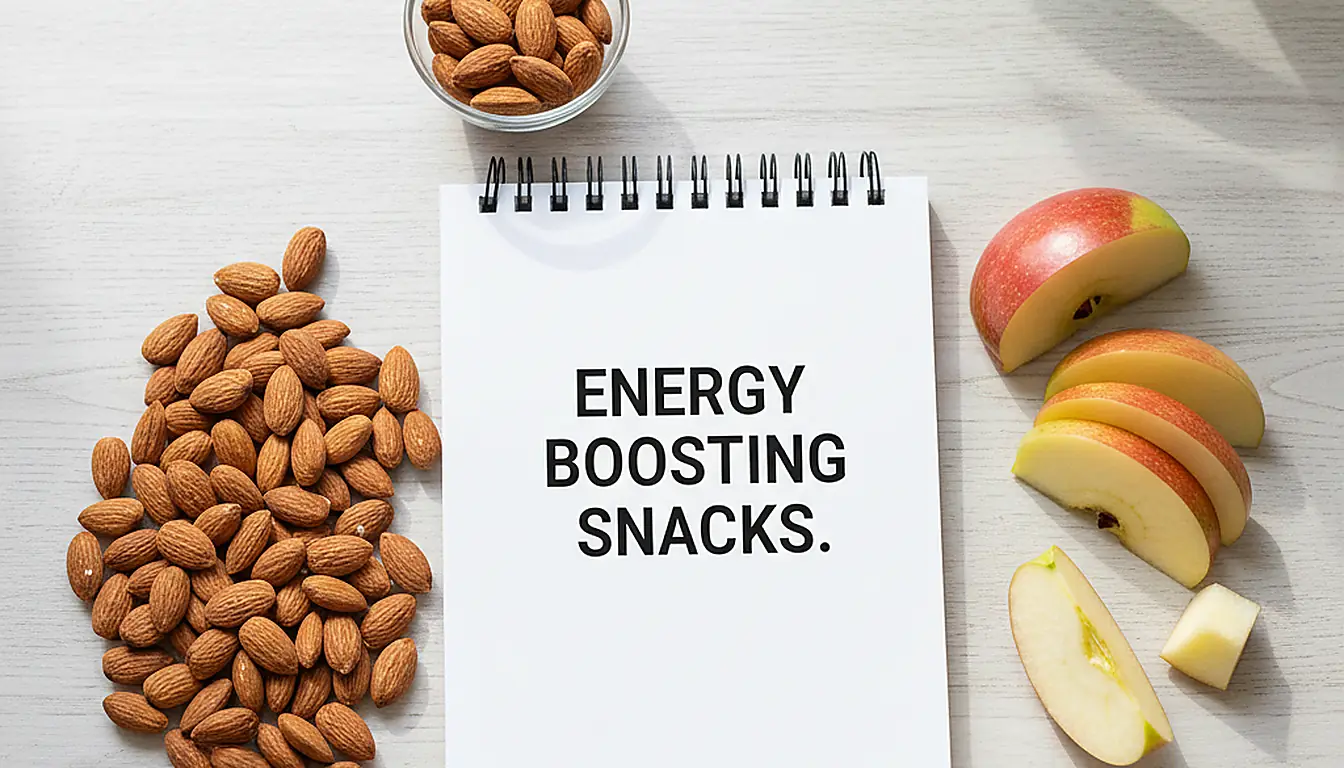
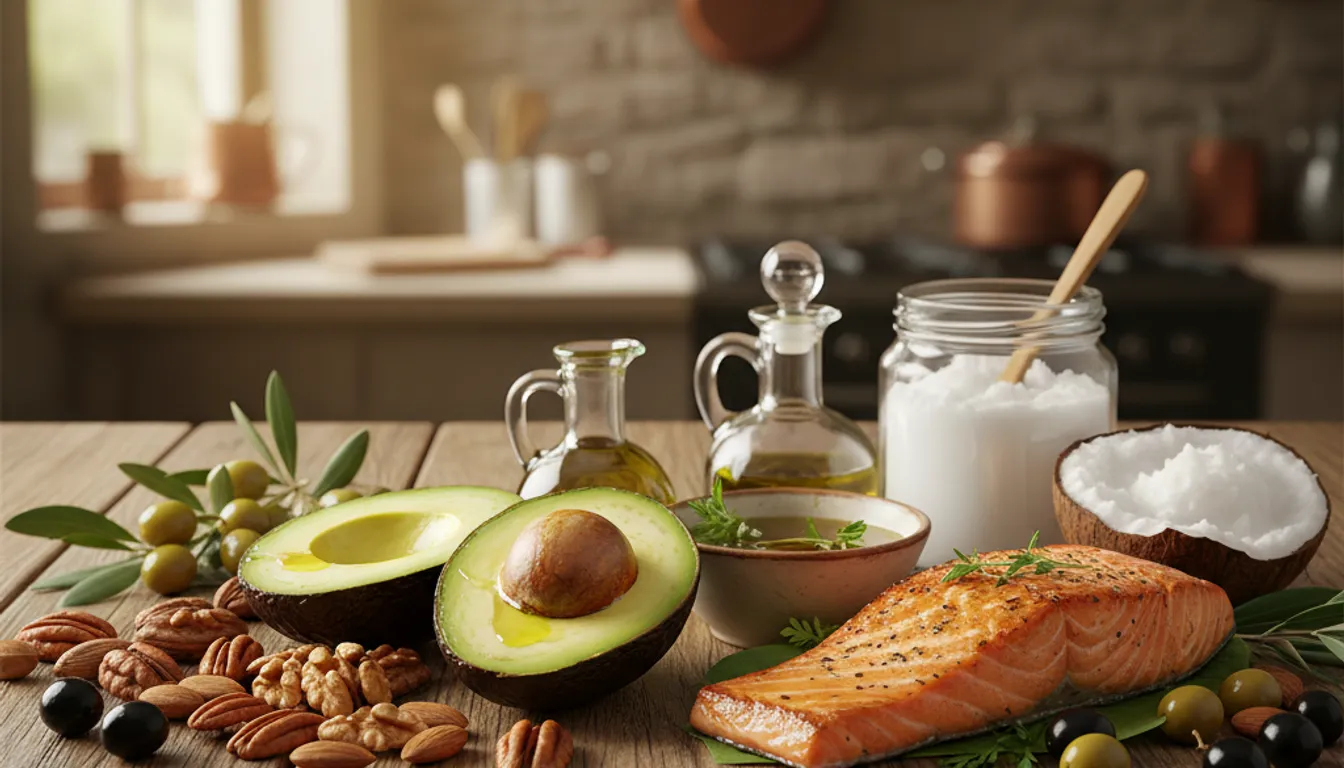
Nuts and seeds are not just delicious snacks; they’re also excellent sources of protein and healthy fats. Almonds, walnuts, chia seeds, flax seeds, hemp seeds… the list goes on. Sprinkle them on your salads, add them to your oatmeal, or blend them into smoothies. I always keep a bag of mixed nuts in my desk drawer for a quick and healthy protein boost. Just be mindful of portion sizes, as nuts are calorie-dense.
4. Explore the World of Whole Grains
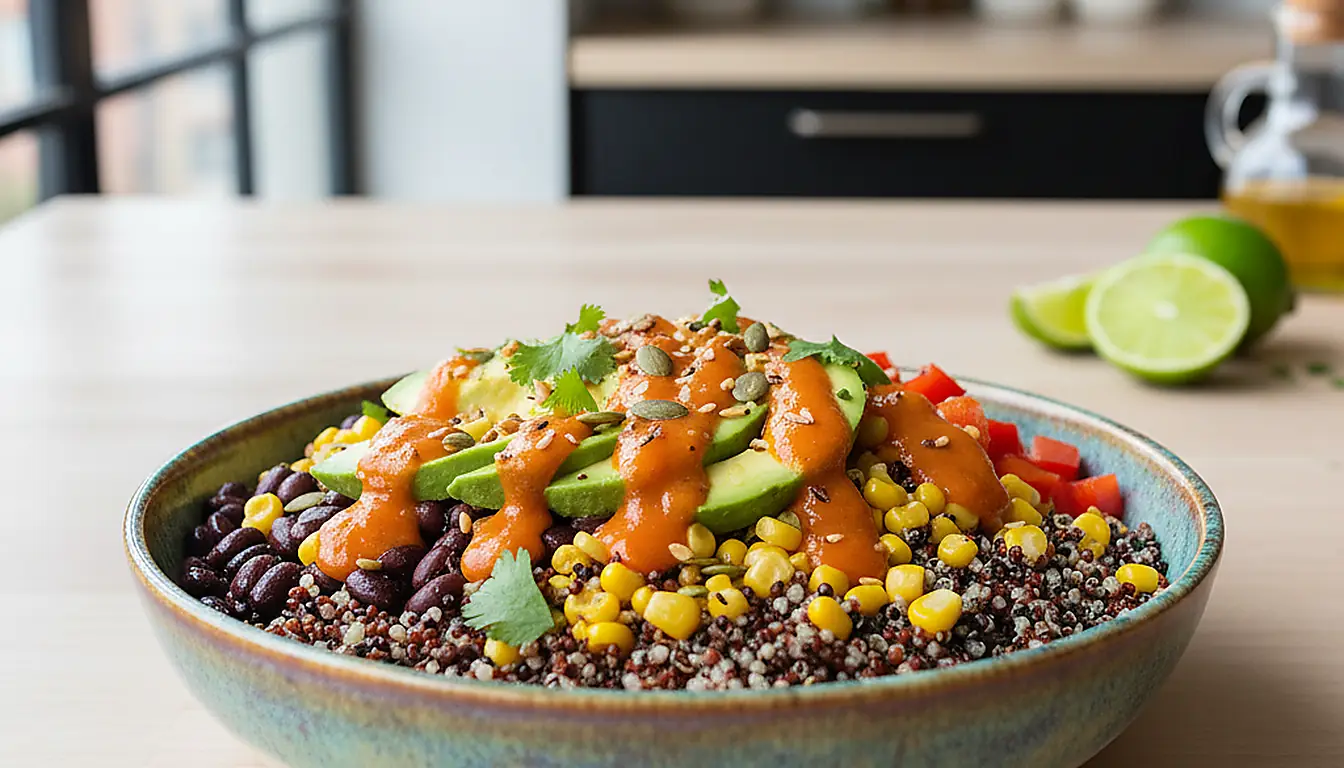
While not as protein-packed as legumes or tofu, whole grains like quinoa, brown rice, and oats contribute to your overall protein intake. Quinoa is a complete protein, making it an especially valuable addition to your diet. I love using quinoa as a base for salads or bowls. Brown rice is a staple in my stir-fries, and I start almost every day with a bowl of oatmeal topped with nuts and seeds.
5. Consider a Vegan Protein Powder (But Don’t Rely On It!)
While I believe in getting most of your protein from whole foods, a vegan protein powder can be a convenient option, especially if you’re an athlete or have a hard time meeting your protein needs through food alone. There are tons of options out there – soy protein, pea protein, brown rice protein, and blends. Do your research, read reviews, and choose one that suits your taste and dietary needs. I use a pea protein powder in my post-workout smoothies, but I try not to rely on it too much.
Common Pitfalls and How to Avoid Them
Even with the best intentions, it’s easy to make mistakes. Here are a few common pitfalls and how to avoid them:
Back to the flow—this is the practical bit.
- Not eating enough calories: Make sure you’re eating enough overall to support your protein needs.
- Relying too heavily on processed foods: Focus on whole, unprocessed foods as much as possible.
- Not varying your protein sources: Mix things up to ensure you’re getting a variety of amino acids.
- Ignoring your body’s signals: Pay attention to how you feel and adjust your diet accordingly.
Quick Checklist for Vegan Protein Success
- Include a protein source in every meal.
- Plan your meals in advance.
- Experiment with different recipes.
- Listen to your body.
- Don’t be afraid to ask for help!
Your Vegan Protein Toolkit: Must-Have Foods
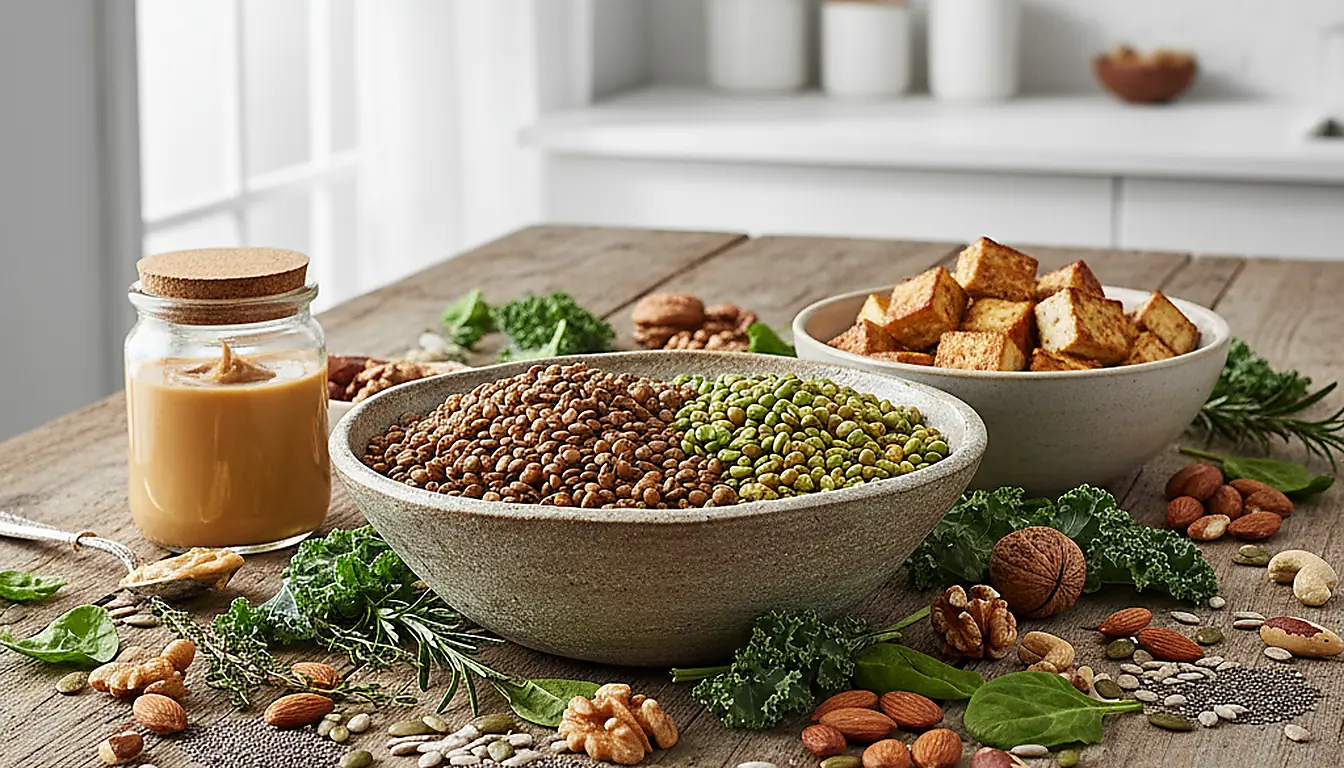
- Legumes: Lentils, chickpeas, black beans, kidney beans, edamame
- Tofu & Tempeh: Firm and extra-firm tofu, tempeh strips, marinated tempeh
- Nuts & Seeds: Almonds, walnuts, chia seeds, flax seeds, hemp seeds, pumpkin seeds
- Whole Grains: Quinoa, brown rice, oats, whole wheat bread
- Vegan Protein Powder: Pea protein, soy protein, brown rice protein
Final Thoughts: You Got This!
Going vegan and getting enough protein might seem daunting at first, but it’s totally doable. Remember, it’s about progress, not perfection. Be patient with yourself, experiment with different foods, and find what works best for you. Don’t be afraid to ask for help or guidance along the way. And most importantly, enjoy the journey! You are doing something amazing for your health, the planet, and the animals. Now go out there and rock your vegan protein journey!
So, what are your favorite vegan protein sources? Share them in the comments below – I’d love to hear them!
Frequently Asked Questions
Is it really possible to get enough protein on a vegan diet?
Absolutely! By focusing on protein-rich plant-based foods like legumes, tofu, tempeh, nuts, seeds, and whole grains, you can easily meet your protein needs on a vegan diet.
What are some good sources of complete protein for vegans?
Quinoa, tofu, tempeh, and edamame are complete proteins, meaning they contain all nine essential amino acids. Combining other plant-based foods like beans and rice can also provide a complete protein profile.
How much protein do I need as a vegan?
The recommended daily allowance for protein is 0.8 grams per kilogram of body weight. However, individual needs may vary based on activity level and other factors. Consulting a registered dietitian or nutritionist can provide personalized guidance.
What are some common mistakes vegan beginners make when it comes to protein?
Common mistakes include not eating enough calories overall, relying too heavily on processed vegan foods, not varying protein sources, and ignoring their body’s signals. Focusing on whole foods and listening to your body are key.
Are vegan protein powders necessary?
While not essential, vegan protein powders can be a convenient option, especially for athletes or those who have difficulty meeting their protein needs through food alone. Choose a powder that suits your taste and dietary needs, but prioritize whole food sources whenever possible.
How can I make sure I’m getting a variety of amino acids on a vegan diet?
The best way to ensure you’re getting a variety of amino acids is to eat a wide range of plant-based foods, including legumes, grains, nuts, seeds, and vegetables. This will help you obtain all the essential amino acids your body needs.
Key Takeaways
- Hey there, friend! Feeling overwhelmed about going vegan, especially when it comes to protein? Trust me, I get it. I was totally in your shoes not too long ago, staring at tofu like it was an alien life form. It’s easy to get caught up in the myths and misinformation floating around. But guess what? Getting enough protein on a vegan diet is totally achievable, and I’m here to show you how.
- Why All the Fuss About Protein?
- The Big Question: Can You *Really* Get Enough Protein on a Vegan Diet?
- My Vegan Protein Journey: From Confusion to Confidence
- 5 Essential Strategies for Vegan Protein Success