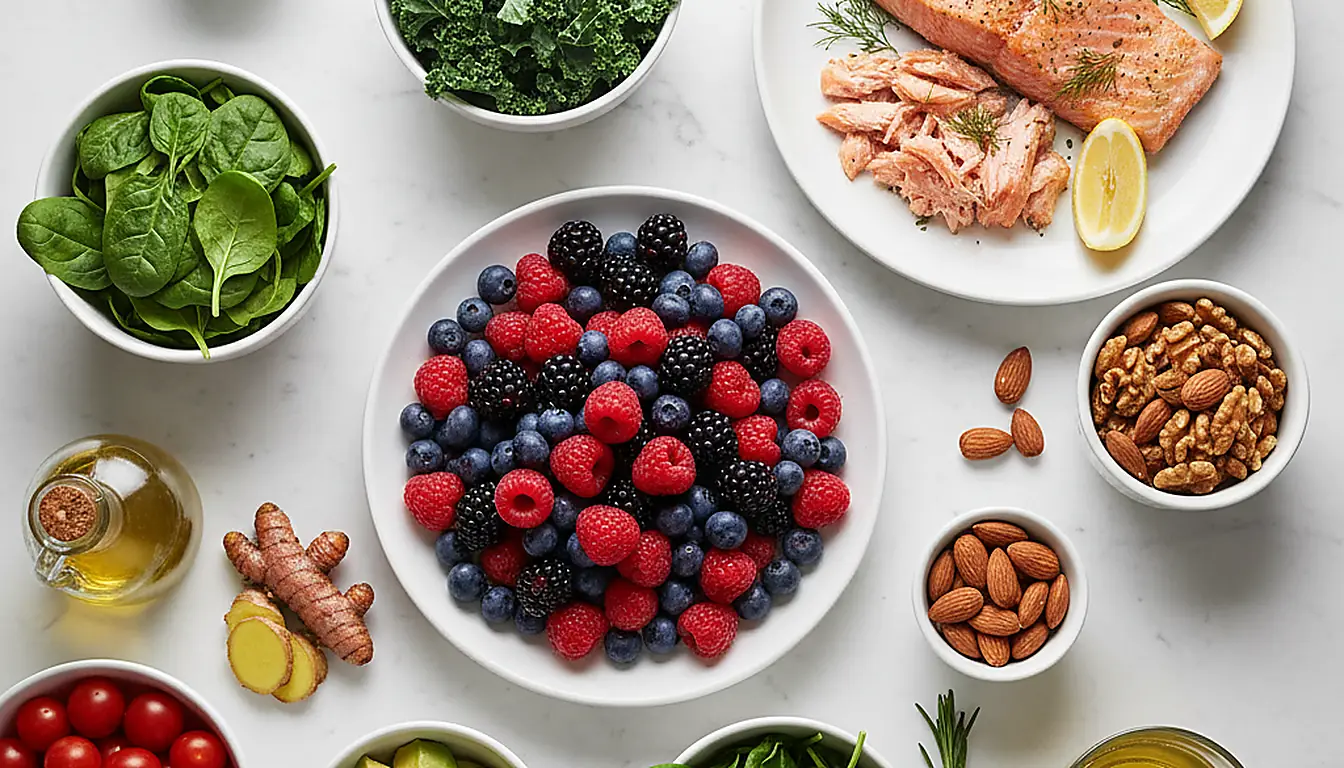
Okay, friends, let’s talk. Specifically, let’s talk about diets. Not the fun kind where you get to eat all the chocolate you want (because, let’s be real, those don’t exist!), but the serious, sometimes confusing, and often contradictory world of dieting. I don’t know about you, but I’ve been bombarded with so much diet “wisdom” over the years that I sometimes feel like my brain is a tangled mess of conflicting advice. Today, we’re going to cut through the noise and bust some major diet myths that might be sabotaging your health.
Table of Contents
- My Own Dieting Debacle (and How I Learned My Lesson)
- Myth #1: All Calories Are Created Equal
- Why This Myth Is Harmful
- Myth #2: Fat Makes You Fat
- Why Healthy Fats Are Your Friend
- Myth #3: Carbs Are the Enemy
- Choosing the Right Carbs
- Myth #4: Skipping Meals Helps You Lose Weight
- Why Skipping Meals Is a Bad Idea
- Myth #5: You Need to Detox to Lose Weight
- Supporting Your Body’s Natural Detoxification
- The Takeaway: Focus on Sustainable Healthy Habits
Why is this important? Because blindly following these myths can not only prevent you from reaching your goals but can also be detrimental to your overall well-being. And I’m all about keeping things real, healthy, and sustainable. So, grab your favorite beverage, settle in, and let’s get to it!
My Own Dieting Debacle (and How I Learned My Lesson)
Before we dive into the myths, let me tell you a little story. A few years ago, I was convinced that carbs were the enemy. Completely convinced. I’d heard all the hype, read all the articles, and decided to go full-on low-carb. I’m talking salads for days, protein shakes galore, and absolutely no bread, pasta, or…gasp…fruit. Initially, I saw results. The scale went down, and I felt…okay, I felt hungry, but I told myself it was worth it. However, it wasn’t long before the cracks started to show.
My energy levels plummeted. I was constantly irritable. And my workouts? Forget about it! I was dragging myself through them, feeling weaker and weaker. It wasn’t just my body that was suffering, either. My mood was terrible, and I felt like I was missing out on so much. Birthday cake? No thanks. Pizza night with friends? Pass. I was so focused on restricting myself that I completely forgot about the joy of eating and living. Eventually, I realized I had to make a change. This rigid, restrictive approach wasn’t sustainable, healthy, or enjoyable. That’s when I started to research and understand the truth behind these popular diet myths.
Myth #1: All Calories Are Created Equal
Oh, this is a big one! We’ve all heard it: “A calorie is a calorie.” The idea is that if you burn more calories than you consume, you’ll lose weight, regardless of where those calories come from. Sounds simple, right? Wrong! The source of your calories matters just as much as the number. Eating 300 calories of broccoli is completely different than eating 300 calories of candy. Broccoli provides fiber, vitamins, and minerals, which keep you full and nourish your body. Candy provides empty calories, which can lead to cravings and energy crashes. Focusing solely on calorie counting without considering the nutritional value of your food is a recipe for disaster.
Why This Myth Is Harmful
- Leads to nutrient deficiencies.
- Can cause hormonal imbalances.
- May result in muscle loss instead of fat loss.
- Promotes unhealthy food choices.
Myth #2: Fat Makes You Fat
This is another persistent myth. For years, we were told that fat was the enemy and that we should avoid it at all costs. But guess what? Healthy fats are essential for our health! They play a crucial role in hormone production, brain function, and nutrient absorption. The key is to choose the right kinds of fats – think avocados, nuts, seeds, olive oil, and fatty fish. These fats are not only good for you but also help you feel full and satisfied, which can aid in weight management. What really makes you fat is excess calories, often from processed foods high in sugar and unhealthy fats, along with a sedentary lifestyle.
Why Healthy Fats Are Your Friend
- Support hormone production.
- Improve brain function.
- Enhance nutrient absorption.
- Help you feel full and satisfied.
Myth #3: Carbs Are the Enemy
Ah, the carb debate! Just like fat, carbs have been demonized in recent years. But here’s the truth: not all carbs are created equal. Refined carbs like white bread, pastries, and sugary drinks can wreak havoc on your blood sugar levels and contribute to weight gain. However, complex carbs like whole grains, fruits, and vegetables are essential for energy, fiber, and overall health. They provide sustained energy, keep you feeling full, and are packed with vitamins and minerals. Don’t be afraid to embrace the right kinds of carbs!
Choosing the Right Carbs
- Opt for whole grains like quinoa, brown rice, and oats.
- Load up on fruits and vegetables.
- Limit refined carbs like white bread and sugary drinks.
Myth #4: Skipping Meals Helps You Lose Weight
This one seems logical: if you eat less, you’ll lose weight, right? Wrong again! Skipping meals, especially breakfast, can actually backfire. When you skip meals, your body goes into starvation mode, which can slow down your metabolism and lead to overeating later in the day. Plus, skipping meals can leave you feeling tired, irritable, and unable to concentrate. It’s much better to eat regular, balanced meals throughout the day to keep your metabolism humming and your energy levels stable.
Why Skipping Meals Is a Bad Idea
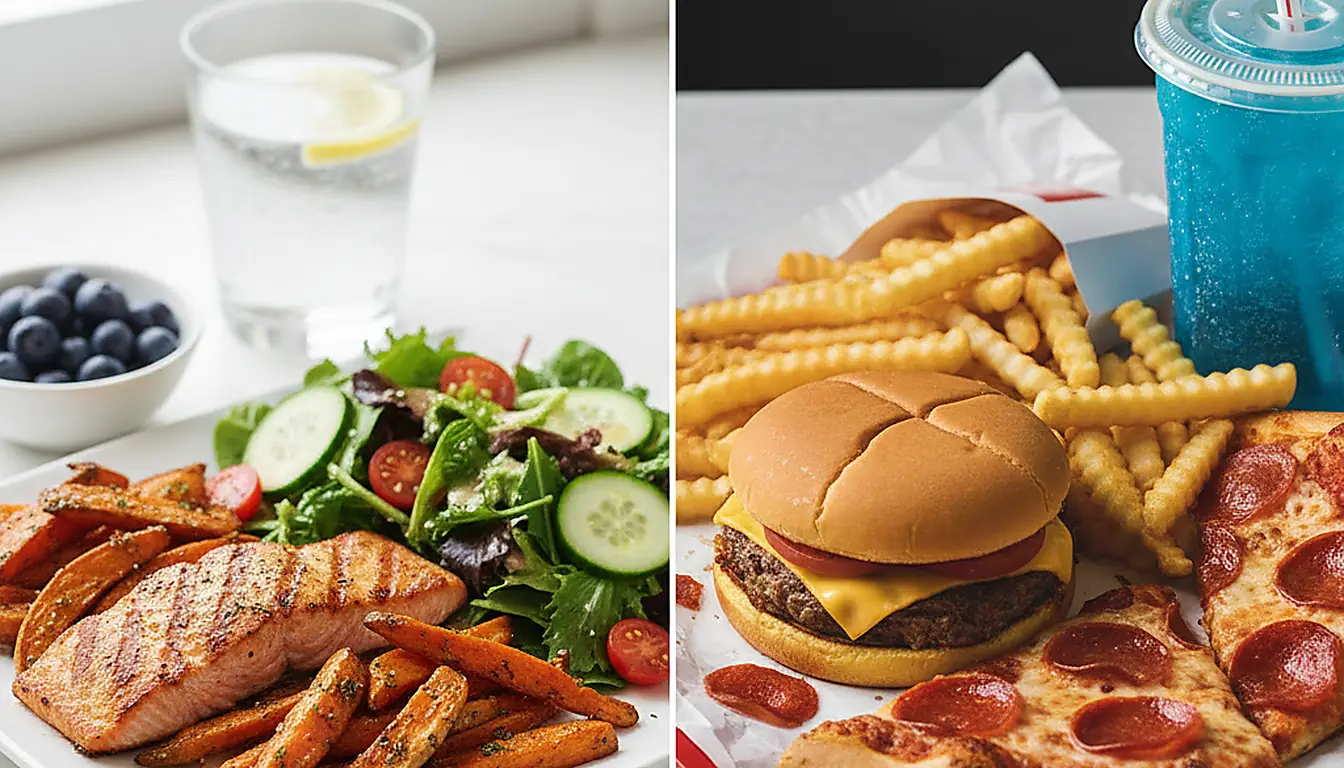
Here’s where it feels real for me.
- Slows down your metabolism.
- Leads to overeating later.
- Causes fatigue and irritability.
Myth #5: You Need to Detox to Lose Weight
Detox teas, juices, and cleanses are all the rage these days, promising to rid your body of toxins and help you lose weight quickly. But here’s the truth: your body is already equipped with its own detoxification system – your liver and kidneys. These organs work tirelessly to filter out toxins and keep you healthy. While some detox diets may lead to short-term weight loss due to fluid loss, they’re not a sustainable or healthy way to lose weight. Focus on eating a balanced diet, drinking plenty of water, and exercising regularly to support your body’s natural detoxification processes.
Supporting Your Body’s Natural Detoxification
- Eat a balanced diet rich in fruits, vegetables, and whole grains.
- Drink plenty of water.
- Exercise regularly.
- Limit processed foods, alcohol, and sugar.
The Takeaway: Focus on Sustainable Healthy Habits
So, there you have it – five popular diet myths debunked! The key to long-term health and weight management is not to fall for fad diets or restrictive eating plans, but to focus on building sustainable, healthy habits. Eat a balanced diet, exercise regularly, get enough sleep, and listen to your body. And remember, it’s okay to indulge in your favorite treats occasionally – life is too short to deprive yourself completely! It’s about moderation, balance, and finding what works best for you.
What’s your biggest dieting struggle? I’d love to hear your thoughts in the comments below!
Frequently Asked Questions
Are all calories really created equal?
No, the source of your calories matters! 300 calories from broccoli provide essential nutrients and fiber, while 300 calories from candy are empty and can lead to cravings.
Is fat really bad for you?
Not all fat is bad! Healthy fats like avocados, nuts, seeds, olive oil, and fatty fish are essential for hormone production, brain function, and nutrient absorption.
Are carbs the enemy when trying to lose weight?
No, but you need to choose the right types of carbs. Complex carbs like whole grains, fruits, and vegetables provide sustained energy and are packed with vitamins and minerals.
Does skipping meals help you lose weight?
Skipping meals can actually backfire! It can slow down your metabolism, lead to overeating later, and cause fatigue and irritability.
Do I need to detox to lose weight?
Your body has its own detoxification system – your liver and kidneys. Focus on a balanced diet, plenty of water, and regular exercise to support your body’s natural processes.
What’s the best way to approach healthy eating and weight management?
Focus on building sustainable, healthy habits like eating a balanced diet, exercising regularly, getting enough sleep, and listening to your body. Moderation and balance are key!
Key Takeaways
- My Own Dieting Debacle (and How I Learned My Lesson)
- Myth #1: All Calories Are Created Equal
- Why This Myth Is Harmful
- Myth #2: Fat Makes You Fat
- Why Healthy Fats Are Your Friend