Hey Friends! Let’s Talk Sleep and Fitness…Seriously
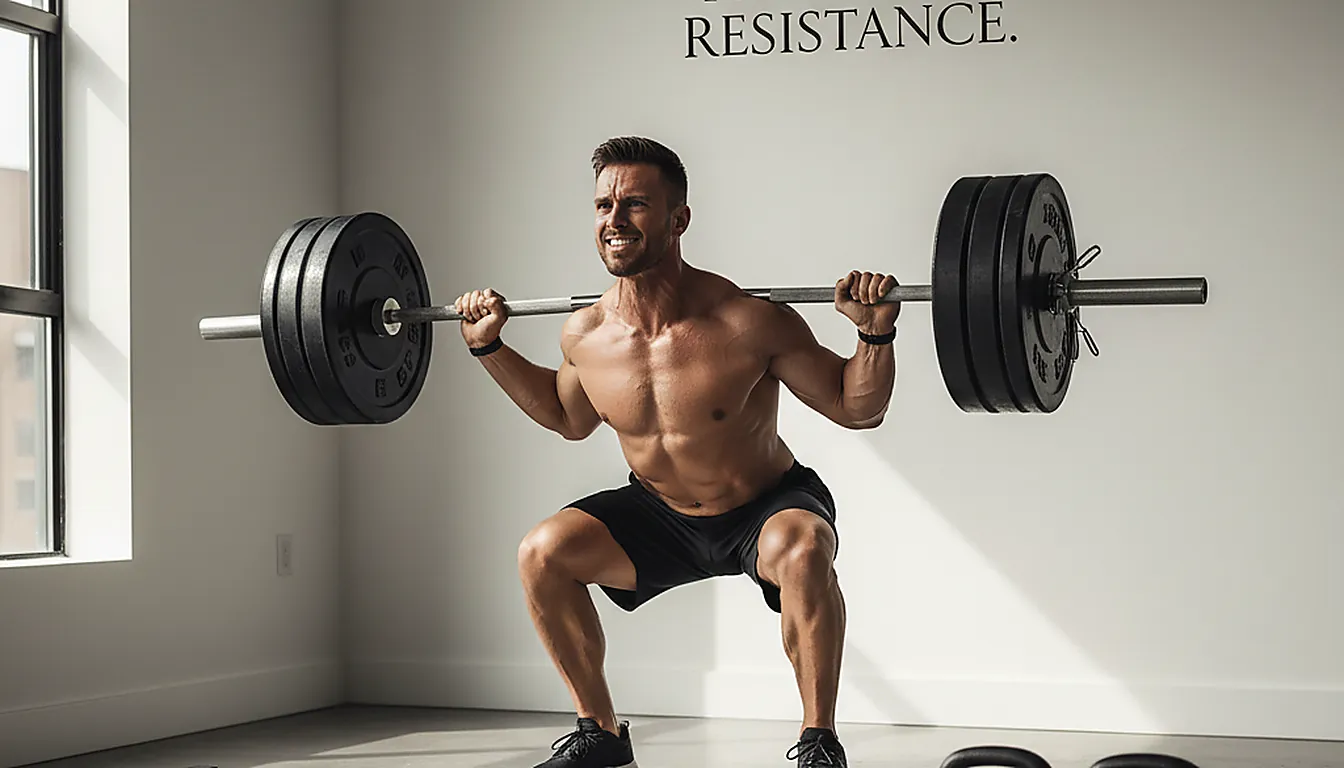
Okay, real talk. We obsess over workouts, meal plans, and the latest fitness gadgets. But what if I told you the secret weapon to achieving your fitness goals isn’t found in the gym, but in your bedroom? I’m talking about sleep, my friends. Seriously. It’s the most important part of your fitness journey. I know, I know, it sounds too simple, right? But trust me, it’s a game-changer. Let’s dive in!
Table of Contents
- Hey Friends! Let’s Talk Sleep and Fitness…Seriously
- My Wake-Up Call (Pun Intended!)
- Why Sleep Is Your Fitness Superpower: The Nitty-Gritty
- Muscle Recovery and Repair:
- Hormone Regulation:
- Improved Athletic Performance:
- Mental Clarity and Focus:
- How to Make Sleep a Priority: Practical Tips
- Stop the Madness: Common Sleep Mistakes to Avoid
- Sleep Fitness and Well-being: It’s all interconnected!
- Frequently Asked Questions
- Why is sleep so important for muscle recovery?
I used to be the queen of burning the candle at both ends. Early morning workouts, late nights at the office, squeezing in social events… sleep was always the first thing to get sacrificed. I figured I could power through with enough coffee and sheer willpower. And you know what? I was wrong. So, so wrong. My workouts plateaued, I was constantly irritable, and my body felt like it was constantly fighting a losing battle. Sound familiar?
My Wake-Up Call (Pun Intended!)
The turning point came when I was training for a half-marathon. I was pushing myself harder than ever, but my performance was actually getting worse. I was exhausted, my muscles ached constantly, and I just couldn’t seem to improve my time. Frustrated, I finally decided to consult with a sports nutritionist. After listening to my training regimen and lifestyle, she asked a simple question: “How much sleep are you getting?”
My sheepish answer of “6 hours… maybe?” was met with a raised eyebrow and a gentle but firm lecture. She explained that sleep wasn’t just downtime; it was essential for muscle recovery, hormone regulation, and overall athletic performance. It was during sleep that my body was rebuilding itself, repairing muscle damage, and preparing for the next challenge. Skimping on sleep was like trying to build a house with faulty bricks – it was destined to crumble.
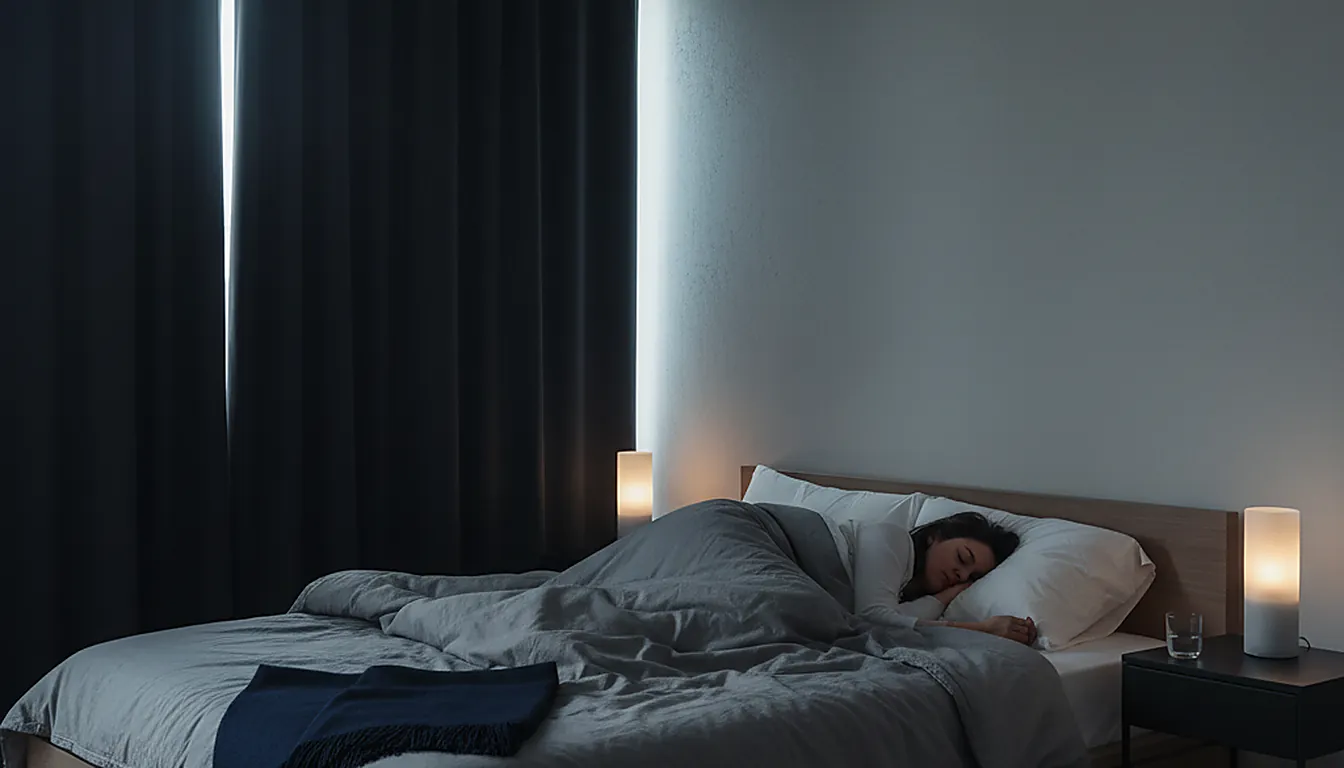
That conversation was a revelation. I decided to prioritize sleep, even if it meant sacrificing other things. I started implementing a consistent sleep schedule, creating a relaxing bedtime routine, and making my bedroom a sleep sanctuary. And guess what? The results were incredible. My energy levels soared, my workouts improved dramatically, and I finally started seeing the progress I had been working so hard for.
Why Sleep Is Your Fitness Superpower: The Nitty-Gritty
So, why is sleep so crucial for fitness? Here’s the science-backed scoop:
Muscle Recovery and Repair:
During sleep, your body releases growth hormone, which is essential for muscle repair and growth. When you work out, you’re essentially creating tiny tears in your muscle fibers. Sleep allows your body to repair those tears and build stronger, more resilient muscles. Less sleep means less recovery, which can lead to muscle soreness, fatigue, and even injury.
Hormone Regulation:
Sleep plays a vital role in regulating hormones that influence appetite, metabolism, and energy levels. When you’re sleep-deprived, your body produces more cortisol (the stress hormone) and less leptin (the satiety hormone). This can lead to increased cravings, overeating, and weight gain. Getting enough sleep helps keep your hormones in balance, making it easier to manage your weight and maintain a healthy metabolism. This also improves **energy levels** throughout the day. I know so many people struggle with cravings, and think about the amount of willpower it would save you if your hormones are doing their job?
Improved Athletic Performance:
Studies have shown that sleep deprivation can impair athletic performance in a variety of ways, including decreased reaction time, reduced endurance, and impaired cognitive function. Getting enough sleep can improve your speed, accuracy, and overall performance in any sport or activity. Think about it, your reaction time is probably down right now as you read this if you are sleep deprived. You will perform better and you will be less likely to get injured too.
Mental Clarity and Focus:
Sleep is essential for cognitive function, including memory, concentration, and decision-making. When you’re sleep-deprived, it can be difficult to focus, make decisions, and remember important information. Getting enough sleep can improve your mental clarity and focus, making it easier to stay motivated and on track with your fitness goals. Imagine you are trying to perfect that new fitness routine. You won’t be able to do it if you are struggling with **mental clarity**.
How to Make Sleep a Priority: Practical Tips
Okay, so you’re convinced that sleep is important. But how do you actually make it a priority in your busy life? Here are a few practical tips that have worked for me:
- Establish a consistent sleep schedule: Go to bed and wake up at the same time every day, even on weekends. This helps regulate your body’s natural sleep-wake cycle, making it easier to fall asleep and wake up feeling refreshed.
- Create a relaxing bedtime routine: Wind down for an hour or two before bed with relaxing activities like reading, taking a warm bath, or listening to calming music. Avoid screens (phones, tablets, TVs) at least an hour before bed, as the blue light emitted from these devices can interfere with sleep.
- Optimize your sleep environment: Make sure your bedroom is dark, quiet, and cool. Use blackout curtains, earplugs, or a white noise machine to block out distractions.
- Watch your caffeine and alcohol intake: Avoid caffeine and alcohol in the evening, as they can disrupt sleep. I found that I had to stop drinking coffee after 12:00 PM to ensure that my body was ready to sleep by 10:00 PM.
- Consider supplements: Some supplements, such as magnesium, melatonin, and valerian root, may help improve sleep quality. Talk to your doctor before taking any supplements, especially if you have any underlying health conditions.

Back to the flow—this is the practical bit.
Stop the Madness: Common Sleep Mistakes to Avoid
We’ve all been there, making choices that sabotage our sleep without even realizing it. Let’s call out some common culprits:
- Scrolling through social media before bed: The blue light and stimulating content can keep your brain buzzing.
- Exercising too close to bedtime: While exercise is great, a high-intensity workout right before bed can make it harder to fall asleep. Try to exercise earlier in the day.
- Napping for too long or too late in the day: Naps can be helpful, but long or late-afternoon naps can interfere with your nighttime sleep.
- Ignoring your body’s signals: Pay attention to when you start feeling tired and don’t push yourself to stay up later than you should.
Sleep Fitness and Well-being: It’s all interconnected!
I truly believe that sleep is the foundation of a healthy and fulfilling life. When you prioritize sleep, you’re not just improving your fitness; you’re improving your mood, your energy levels, your cognitive function, and your overall well-being. The benefits of **sleep fitness** are clear!
So, if you’re serious about achieving your fitness goals, I urge you to make sleep a priority. It’s the secret weapon that can unlock your full potential. Trust me, your body (and your mind) will thank you for it.
Ready to start sleeping better and feeling better? Let’s do this together! Let me know in the comments what steps you’re going to take to prioritize sleep this week. I’d also love to know how you feel when you get a good night’s sleep versus when you don’t.
Frequently Asked Questions
Why is sleep so important for muscle recovery?
During sleep, your body releases growth hormone, which is essential for repairing muscle damage and building stronger muscles after workouts. Lack of sleep hinders this process.
How does sleep affect hormone regulation?
Sleep helps regulate hormones like cortisol and leptin, which influence appetite, metabolism, and energy levels. Insufficient sleep can lead to hormonal imbalances, potentially causing increased cravings and weight gain.
Can lack of sleep really impact my athletic performance?
Yes! Studies show that sleep deprivation can impair athletic performance by decreasing reaction time, reducing endurance, and impairing cognitive function. Getting enough sleep can improve your speed, accuracy, and overall performance.
What are some practical tips to improve my sleep?
Establish a consistent sleep schedule, create a relaxing bedtime routine (avoiding screens before bed), optimize your sleep environment (dark, quiet, and cool), and watch your caffeine and alcohol intake.
Is it better to sleep more or have a good mental clarity?
Sleep is necessary to have good mental clarity. They both go hand and hand together. Without one you can not have the other.
What impact does alcohol have on my quality of sleep?
Alcohol is often used as a sleep aid, but studies show it has negative affects on the sleep quality. The better the sleep fitness, the better you overall wellness.
Key Takeaways
- Hey Friends! Let’s Talk Sleep and Fitness…Seriously
- My Wake-Up Call (Pun Intended!)
- Why Sleep Is Your Fitness Superpower: The Nitty-Gritty
- Muscle Recovery and Repair
- Hormone Regulation