
Okay, let’s talk about something that can be super anxiety-inducing: money. For real, who *doesn’t* feel a little stressed when thinking about their finances? But what if I told you that you could actually build a better relationship with money? That financial wellness is totally within reach, even if you’re prone to a little (or a lot) of anxiety? I’m not talking about becoming a financial guru overnight. I’m talking about small, manageable steps to take control and feel more secure. Trust me, I’ve been there. Let me share my story…
Table of Contents
- My Own Money Monster (and How I Tamed It)
- Understanding the Link Between Anxiety and Financial Wellness
- Common Financial Anxiety Triggers:
- 5 Immediate Strategies to Start Building a Better Relationship with Money
- 1. Acknowledge and Validate Your Feelings
- 2. Create a Simple Budget (and Actually Look at It!)
- 3. Automate Your Savings
- 4. Tackle One Small Financial Task Each Day
- 5. Practice Mindfulness and Gratitude
- The Importance of Financial Education
- Seeking Professional Help
- Building a Better Relationship with Money is a Marathon, Not a Sprint
My Own Money Monster (and How I Tamed It)
For years, money was my monster under the bed. I’d avoid looking at my bank statements, pretend my student loans didn’t exist, and basically live in a state of financial denial. Sound familiar? My anxiety was through the roof! The constant worry was exhausting. I knew I needed to do something, but the thought of facing my financial situation head-on felt…well, terrifying. I was dealing with chronic stress and panic attacks over bills piling up.
Then, one day, I had enough. I decided I wasn’t going to let money control my life anymore. I started small, with a simple budget. Then I slowly incorporated strategies on how to make better decisions regarding my finances.
This wasn’t a quick fix, but the steps I took began to help. And you know what? It worked. Slowly, I started to feel more in control, and my anxiety lessened. Here’s what I learned, and what I want to share with you.
Understanding the Link Between Anxiety and Financial Wellness
First things first, let’s acknowledge the obvious: anxiety and finances are often intertwined. Think about it: job insecurity, debt, unexpected expenses…they all contribute to stress and worry. Recognizing this connection is the first step. It’s not just “being bad with money”; it’s a cycle where anxiety fuels poor financial decisions, and poor financial decisions fuel more anxiety.
Common Financial Anxiety Triggers:
- Debt: Credit card debt, student loans, mortgages – they can feel overwhelming.
- Job Insecurity: The fear of losing your job or income is a major stressor.
- Unexpected Expenses: Car repairs, medical bills…life throws curveballs.
- Lack of Financial Knowledge: Not understanding investments or budgeting can feel disempowering.
- Comparison with Others: Feeling like you’re not keeping up with your peers financially.
These triggers impact not only our emotional state but can also lead to serious physical health problems.
5 Immediate Strategies to Start Building a Better Relationship with Money
Okay, so how do we break this cycle and find some financial peace? Here are five immediate strategies that I found helpful, and I hope you will too:
1. Acknowledge and Validate Your Feelings
This is huge. Don’t beat yourself up for feeling anxious about money. It’s a valid emotion. Acknowledge it, and give yourself permission to feel it. Say to yourself, “It’s okay that I’m feeling stressed about this. It’s a tough situation, and I’m doing my best.” Validation can be surprisingly powerful.
2. Create a Simple Budget (and Actually Look at It!)
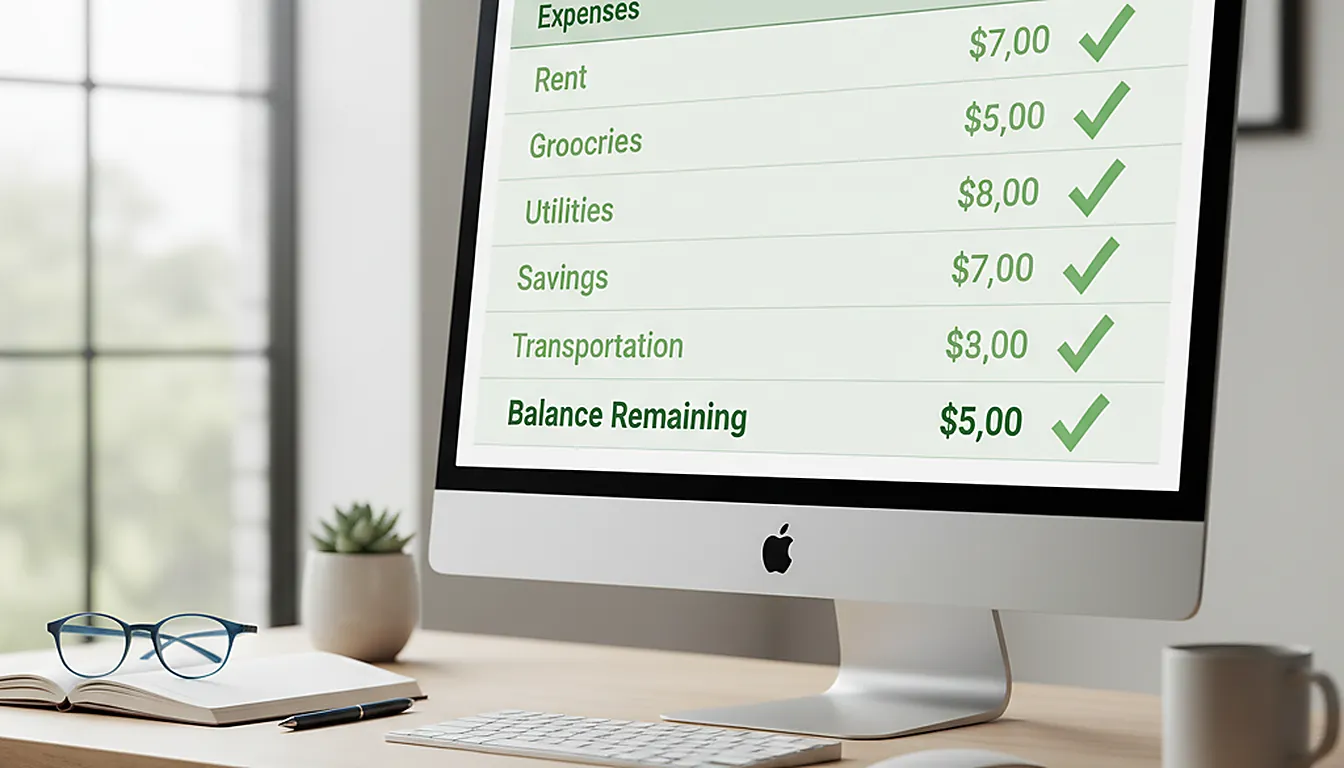
I know, I know, budgeting sounds boring. But trust me, it’s empowering. It doesn’t have to be complicated. Start with a simple spreadsheet or budgeting app. Track your income and expenses. Knowing where your money is going is half the battle. Even a quick review of your bank account twice a week can help you track your expenses. Here’s an example:
- Income: $3,000/month
- Expenses:
- Rent: $1,000
- Utilities: $200
- Food: $400
- Transportation: $300
- Debt Payments: $500
- Entertainment: $200
- Savings: $100
Seeing it all laid out can reduce the unknown, which is a big anxiety trigger.
3. Automate Your Savings
This is a game-changer! Set up automatic transfers from your checking account to your savings account each month. Even a small amount, like $25 or $50, can make a difference over time. It’s like paying yourself first, and you don’t even have to think about it. I started saving $10 dollars a week, and slowly increased it from there.
4. Tackle One Small Financial Task Each Day
Overwhelmed? Break it down. Don’t try to fix everything at once. Choose one small financial task to tackle each day. It could be anything:
- Reviewing your credit card statement.
- Calling your bank to negotiate a lower interest rate.
- Researching a new investment option.
- Finding a coupon for groceries.
The key is consistency. Small wins build momentum and reduce anxiety.
5. Practice Mindfulness and Gratitude
This might sound a little woo-woo, but it works! When you’re feeling anxious about money, take a few deep breaths. Focus on the present moment. Practice gratitude for what you have, even if it’s not everything you want. Gratitude shifts your focus from lack to abundance, which can ease anxiety. Use some of the following to help you maintain mindfulness:
- CBD Products: Some people find that CBD products, like CBD tinctures or Charlotte’s Web, help with relaxation and anxiety.
- THCA: Some THCA products like THCA disposable might offer a unique experience.
- Meditation Apps: Apps like Calm or Headspace can guide you through mindfulness exercises.
Back to the flow—this is the practical bit.
Disclaimer: Please consult with a healthcare professional before using any CBD or THCA products, especially if you have underlying health conditions or are taking medications.
The Importance of Financial Education
A big part of building a better relationship with money is education. The more you understand about personal finance, the more confident and in control you’ll feel. Don’t be afraid to ask questions and seek out resources. Consider the following:
- Online Courses: Platforms like Coursera or Udemy offer courses on personal finance.
- Books: “The Total Money Makeover” by Dave Ramsey or “Your Money or Your Life” by Vicki Robin are popular choices.
- Financial Advisors: Consider working with a qualified financial advisor who can provide personalized guidance.
Seeking Professional Help
If your financial anxiety is severe or interfering with your daily life, don’t hesitate to seek professional help. A therapist or counselor can provide support and strategies for managing anxiety. They can also help you address any underlying issues that may be contributing to your financial stress.
Building a Better Relationship with Money is a Marathon, Not a Sprint
Remember, building a better relationship with money is a journey, not a destination. There will be ups and downs. Be patient with yourself, celebrate your progress, and don’t give up. It’s about progress, not perfection.
Key Takeaways for Financial Wellness:
- Acknowledge your feelings: It’s okay to feel anxious about money.
- Create a simple budget: Know where your money is going.
- Automate your savings: Pay yourself first.
- Tackle small tasks: Consistency is key.
- Practice mindfulness: Focus on the present moment.
You’ve got this! You can build a better relationship with money and find more financial peace. Start small, be consistent, and remember that you’re not alone. And if I can do it, so can you. So, let’s make a pact: let’s all commit to taking one small step toward financial wellness this week. What will yours be?
FAQ About Financial Wellness and Anxiety
How can I start managing my financial anxiety today?
What if I feel overwhelmed by my debt?
Can CBD or THCA help with financial anxiety?
Why is it important to seek professional help for financial anxiety?
How does automating savings help improve financial wellness?
Frequently Asked Questions
How can I start managing my financial anxiety today?
Begin by acknowledging your feelings and validating your anxiety around money. Then, create a simple budget to understand your income and expenses. Practice mindfulness and gratitude to shift your focus from lack to abundance.
What if I feel overwhelmed by my debt?
Break down your debt into smaller, manageable tasks. Focus on one debt at a time using methods like the snowball or avalanche method. Consider seeking advice from a financial advisor for personalized strategies.
Can CBD or THCA help with financial anxiety?
Some people find that CBD products help with relaxation and anxiety, while THCA products might offer a unique experience. However, it’s crucial to consult with a healthcare professional before using any CBD or THCA products, especially if you have underlying health conditions or are taking medications.
Why is it important to seek professional help for financial anxiety?
If your financial anxiety is severe or interfering with your daily life, a therapist or counselor can provide support and strategies for managing anxiety. They can also help you address any underlying issues contributing to your financial stress.
How does automating savings help improve financial wellness?
Automating savings involves setting up automatic transfers from your checking account to your savings account each month. This helps ensure you save consistently without having to actively think about it, making it easier to build savings over time and reducing financial stress.
Key Takeaways
- My Own Money Monster (and How I Tamed It)
- Understanding the Link Between Anxiety and Financial Wellness
- Common Financial Anxiety Triggers
- 5 Immediate Strategies to Start Building a Better Relationship with Money
- 1. Acknowledge and Validate Your Feelings