Budget Eating: Fueling Your Body Without Breaking the Bank
Hey everyone! Let’s talk about something we can *all* relate to: eating healthy on a budget. I know, I know, it sounds like an oxymoron. We’re constantly bombarded with images of organic kale smoothies and fancy avocado toast, making it seem like healthy eating is exclusively for those with deep pockets. But guess what? It doesn’t have to be that way! I’m here to tell you that delicious, nutritious meals are totally achievable without emptying your wallet. Trust me, I’ve been there. Remember that time I tried to survive on only acai bowls for a week? My bank account cried. My stomach cried. Let’s avoid that, shall we?
Table of Contents
- Budget Eating: Fueling Your Body Without Breaking the Bank
- Why Budget-Friendly Eating Matters
- 10 Healthy Staples for Under $1 Per Serving
- 1. Beans (Dried)
- 2. Lentils
- 3. Oats (Rolled or Steel-Cut)
- 4. Brown Rice
- 5. Eggs
- 6. Frozen Vegetables
- 7. Canned Tomatoes
- 8. Peanut Butter (or Other Nut Butters)
- 9. Seasonal Fruits
This isn’t about deprivation or bland food. It’s about making smart choices, planning ahead, and discovering the power of simple, wholesome ingredients. We’re diving into 10 budget-friendly staples that clock in at under $1 per serving. Yep, you read that right. So, ditch the ramen noodles (at least sometimes!) and let’s get cooking! We will explore tips for healthy budget eating, affordable nutrition, and cheap healthy food options.
Why Budget-Friendly Eating Matters
Beyond the obvious financial benefits, budget eating can actually encourage healthier habits. When you’re mindful of your spending, you’re often more mindful of your food choices. You’re less likely to impulse buy processed snacks and more likely to focus on whole, unprocessed foods. Plus, cooking at home is almost always healthier than eating out or relying on takeout. You control the ingredients, the portion sizes, and the overall nutritional value. My grandma used to say, “The best medicine is in your kitchen!” And honestly, she wasn’t wrong. Budget eating is more than a constraint; it’s a lifestyle shift towards thoughtful consumption and proactive well-being.
10 Healthy Staples for Under $1 Per Serving
Alright, let’s get down to the nitty-gritty. Here are my top 10 go-to staples for healthy and affordable meals:
1. Beans (Dried)
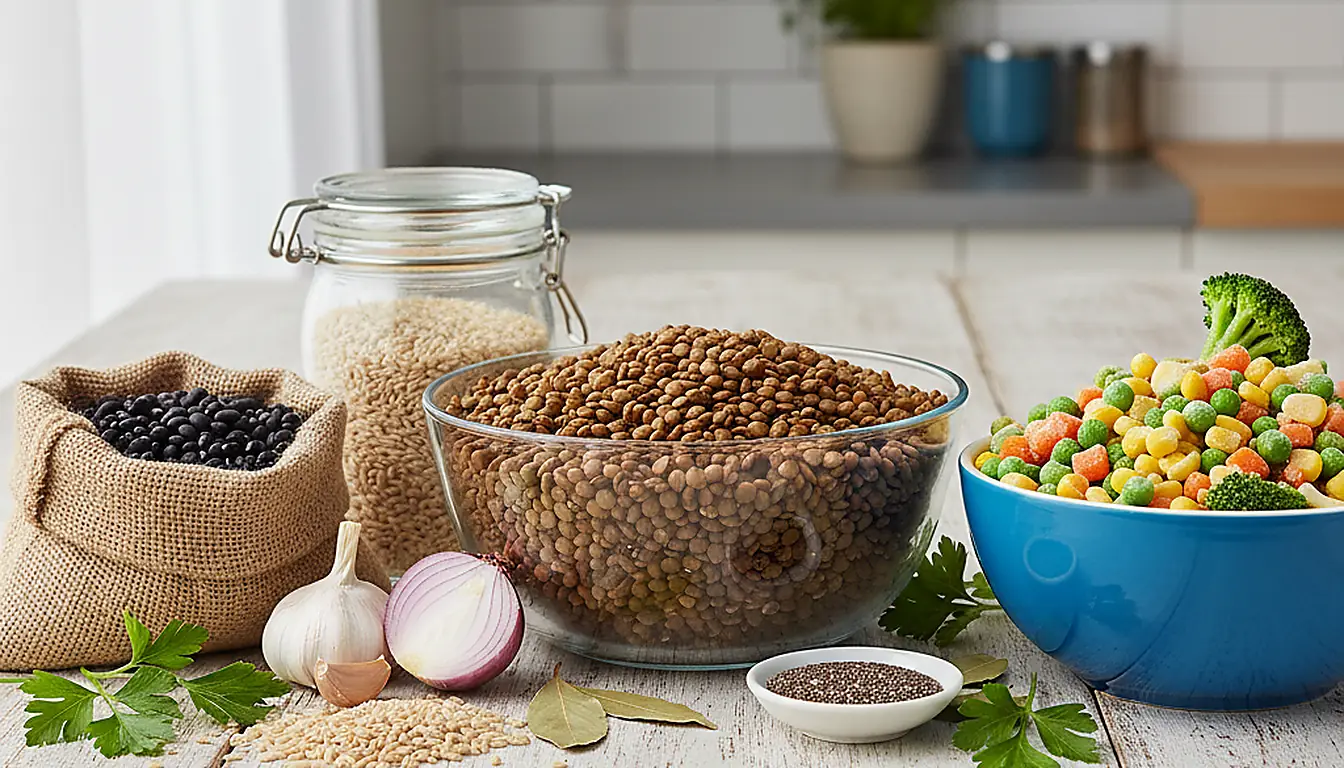
Seriously, beans are nutritional powerhouses. They’re packed with protein, fiber, and essential nutrients. A single serving costs pennies! I like to buy dried beans in bulk because they last forever. Soak them overnight, cook them up, and add them to soups, stews, salads, or make your own hummus. The possibilities are endless! Consider kidney beans, black beans, chickpeas, and pinto beans.
Pro Tip: Cooking beans from scratch is cheaper and healthier (less sodium!) than canned, but canned beans are still a good option in a pinch. Just rinse them well!
2. Lentils
Think of lentils as beans’ quicker-cooking cousin. They don’t require soaking and cook in about 20-30 minutes. They’re also super versatile. Red lentils are great for soups and stews, while green lentils hold their shape better in salads. They’re a complete protein when combined with grains, making them an awesome option for vegetarians and vegans.
3. Oats (Rolled or Steel-Cut)
Oats aren’t just for breakfast! While a bowl of oatmeal is a classic, try adding oats to smoothies, using them as a binder in veggie burgers, or grinding them into flour for baking. They’re packed with fiber, which helps keep you feeling full and satisfied. Plus, they are a slow-releasing carb, meaning you’ll have steady energy for longer. I always keep a big bag of rolled oats in my pantry.
4. Brown Rice
Brown rice is a complex carbohydrate that provides sustained energy. It’s a good source of fiber and essential nutrients. I love using it as a base for stir-fries, bowls, or as a side dish to grilled chicken or fish. It also holds up well as leftovers, which is important for meal prepping!
5. Eggs
Eggs are an amazing source of protein and nutrients. They are also so easy to use. Scrambled, fried, poached, hard-boiled…the options are endless! Add them to salads, sandwiches, or enjoy them as a quick and easy breakfast. Look for sales at your local grocery store.
6. Frozen Vegetables
Don’t underestimate the power of frozen veggies! They’re just as nutritious as fresh vegetables and often cheaper, especially when out of season. I always have a bag of frozen broccoli, spinach, and peas on hand. They’re perfect for adding to soups, stews, stir-fries, or steaming as a side dish. Plus, they don’t spoil quickly, meaning less food waste and more money saved!
7. Canned Tomatoes
Canned tomatoes are a kitchen staple. They’re incredibly versatile and can be used in everything from pasta sauce to chili to soup. Look for diced, crushed, or whole peeled tomatoes, depending on your needs. I always stock up when they’re on sale!
8. Peanut Butter (or Other Nut Butters)
Peanut butter is a great source of protein and healthy fats. Spread it on toast, add it to smoothies, or use it as a dip for apples or celery. Look for natural peanut butter with no added sugar or oil. Almond butter, cashew butter, and sunflower seed butter are also good options, but they tend to be a bit pricier.
9. Seasonal Fruits
Focus on buying fruits that are in season. They’re typically cheaper and tastier! Apples in the fall, berries in the summer, citrus in the winter…you get the idea. Frozen fruit is another excellent option, especially for smoothies.
10. Potatoes (Sweet or Regular)
Potatoes often get a bad rap, but they’re actually incredibly nutritious. They’re a good source of vitamins, minerals, and fiber. Bake them, roast them, mash them, or turn them into fries (baked, of course!). Sweet potatoes are especially good for their high vitamin A content. My favorite thing is a baked sweet potato with a little bit of cinnamon and butter. Yum!
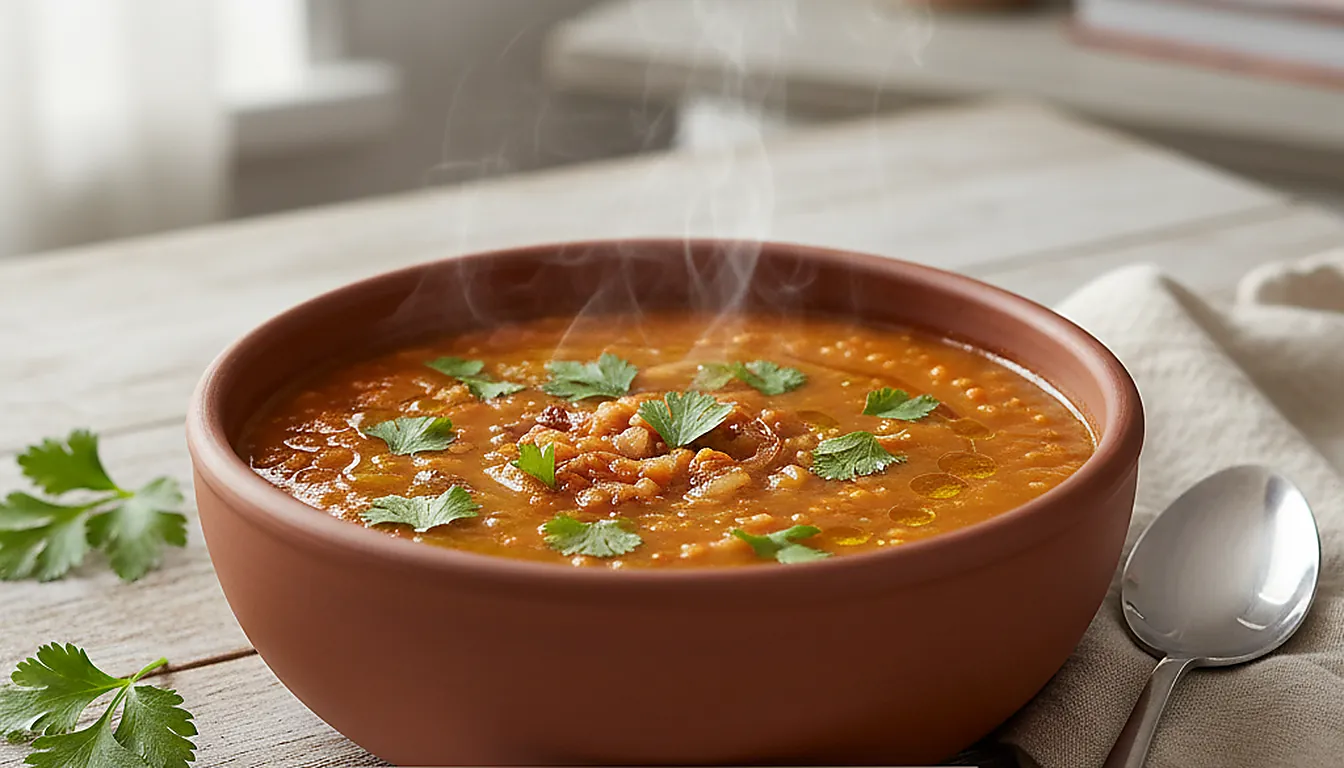
Here’s where it feels real for me.
Making the Most of Your Budget Staples: Tips & Tricks
Okay, so you’ve got your staples. Now what? Here are a few tips to help you stretch your dollar and create delicious, healthy meals:
- Meal Planning: Plan your meals for the week and create a shopping list. This will help you avoid impulse buys and ensure you use all your ingredients.
- Buy in Bulk: Whenever possible, buy staples like beans, rice, and oats in bulk. This is usually cheaper per serving.
- Cook Once, Eat Twice (or More!): Make a big batch of soup, stew, or chili and enjoy it for several meals. Leftovers are your friend!
- Get Creative with Leftovers: Don’t let leftovers go to waste! Turn leftover chicken into chicken salad, leftover vegetables into a frittata, or leftover rice into fried rice.
- Grow Your Own: Even a small herb garden can save you money on fresh herbs.
- Check Unit Prices: Pay attention to the unit price (price per ounce or pound) when comparing products.
- Don’t Be Afraid of Generic Brands: Generic brands are often just as good as name brands, but cheaper.
My Overthinking Moment (and How I Got Through It)
Okay, real talk. Remember that time I was planning my friend’s bachelorette party? I was so determined to make it *perfect* that I spent hours agonizing over every detail: the decorations, the activities, the food, the music. I had spreadsheets, mood boards, and endless Pinterest boards. I was paralyzed by choice. I started losing sleep, my stress levels went through the roof, and I almost backed out altogether. I was definitely overthinking.
Finally, my best friend sat me down and said, “Hey, it’s supposed to be *fun*! Stop trying to control everything and just enjoy the process.” That was a wake-up call. I realized I was so focused on perfection that I was missing the point. I took a step back, delegated some tasks, and let go of the need to control every single detail. And you know what? The party was amazing. Not because it was perfect, but because it was filled with love, laughter, and good friends. And that’s what really mattered. So yeah, I overthink things sometimes, but I’m learning to recognize the signs and reel myself in before I go completely overboard. If you are suffering from mental exhaustion or decision paralysis, it might be time to try some of these techniques for yourself.
Budget Eating Takeaways
Budget eating isn’t about deprivation. It’s about being mindful, resourceful, and creative. It’s about prioritizing whole, unprocessed foods and making smart choices. And most importantly, it’s about taking care of your body and your wallet at the same time. It also involves considering food costs and creating a realistic shopping list.
So, what are you waiting for? Grab a bag of beans, a head of broccoli, and get cooking! Your body (and your bank account) will thank you.
Now, I’m curious: What are YOUR favorite budget-friendly meals? Share them in the comments below!
FAQ: Budget Eating on a Dime
Is it really possible to eat healthy for under $1 per serving?
What’s the best way to save money on protein?
Are frozen vegetables as healthy as fresh vegetables?
How important is meal planning when trying to eat on a budget?
Is it worth buying organic on a budget?
Frequently Asked Questions
Is it really possible to eat healthy for under $1 per serving?
Absolutely! By focusing on staples like beans, lentils, oats, and seasonal produce, you can create nutritious and satisfying meals without breaking the bank. Planning your meals and buying in bulk can also significantly reduce your food costs.
What’s the best way to save money on protein?
Beans, lentils, and eggs are excellent, affordable sources of protein. Incorporate them into your meals regularly. Peanut butter and other nut butters are also good options, but can be more expensive depending on the variety.
Are frozen vegetables as healthy as fresh vegetables?
Yes! Frozen vegetables are often just as nutritious as fresh vegetables, and sometimes even more so, as they are typically frozen soon after harvesting, locking in their nutrients. They’re also a great way to reduce food waste and save money.
How important is meal planning when trying to eat on a budget?
Meal planning is crucial! It helps you avoid impulse buys, ensures you use all your ingredients, and allows you to create a balanced and nutritious menu within your budget.
Is it worth buying organic on a budget?
It depends on your priorities and budget. If organic is important to you, focus on buying organic versions of the “Dirty Dozen” (fruits and vegetables with the highest pesticide residue). Otherwise, prioritize affordability and focus on incorporating plenty of fruits and vegetables into your diet, regardless of whether they are organic or not.
Key Takeaways
- Budget Eating: Fueling Your Body Without Breaking the Bank
- Why Budget-Friendly Eating Matters
- 10 Healthy Staples for Under $1 Per Serving
- 1. Beans (Dried)
- 2. Lentils