Budget Eating: 10 Healthy Staples That Cost Less Than $1 Per Serving
Hey everyone! Let’s be real. Eating healthy can feel like a luxury, especially when you’re staring at those organic avocados priced like gold. But what if I told you that nutritious meals don’t have to break the bank? I’ve been there – ramen noodle college days, anyone? – and I’ve learned a thing or two about stretching a food budget without sacrificing my health. We’re talking real, whole foods that give you energy and keep you feeling good, all while staying under that magical $1 per serving mark. Think it’s impossible? Stick with me, because I’m about to share my top 10 budget eating staples. Get ready to revolutionize your grocery list and your wallet!
Table of Contents
- Budget Eating: 10 Healthy Staples That Cost Less Than $1 Per Serving
- My Journey to Budget-Friendly Nutrition
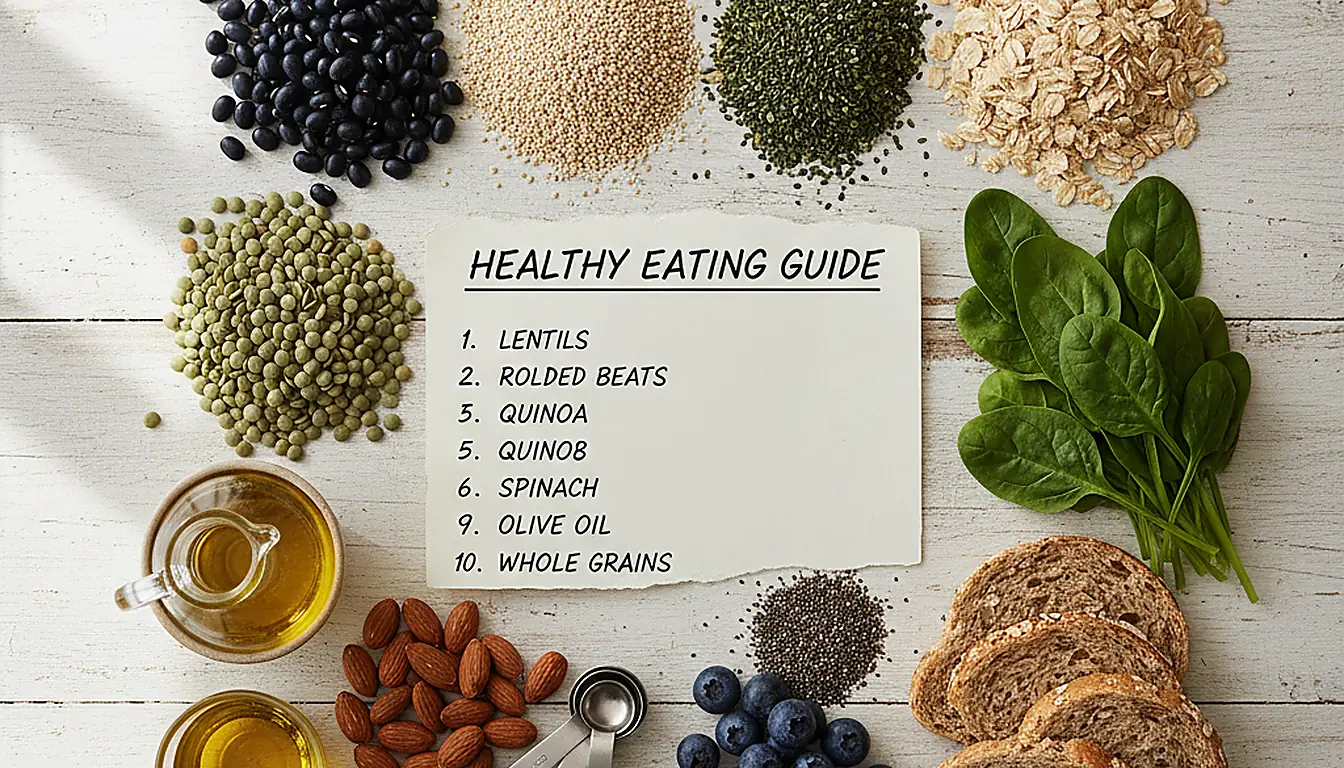
- 10 Healthy Staples Under $1 Per Serving
- Pro-Tips for Maximizing Your Budget Eating
- Example Meal Plan on a Budget
- Common Pitfalls and How to Avoid Them
- Taking Charge of Your Health and Finances
- Frequently Asked Questions
- What are the best foods to buy when trying to eat healthy on a budget?
- How can I save money on groceries while still eating healthy?
- Are frozen vegetables as healthy as fresh vegetables?
- What is an example of a budget-friendly meal plan?
My Journey to Budget-Friendly Nutrition
Okay, so picture this: it was my first year out of college, living in a ridiculously overpriced apartment (because, of course, it had “character”) and working an entry-level job that barely covered rent. I was constantly exhausted, grabbing fast food because it was cheap and easy. My body was screaming for help. That’s when I had my “aha!” moment. I realized I needed to take control of my health and my finances. It was time to master budget eating!
I started small, researching affordable, healthy foods and experimenting with recipes. It wasn’t always easy; there were definitely some kitchen fails along the way (burnt lentils, anyone?). But slowly, I discovered that eating well on a budget was totally achievable. And you know what? It actually became kind of fun! Now, years later, I still rely on these staples to keep my grocery bills in check and my body feeling fantastic. Let’s dive in!
10 Healthy Staples Under $1 Per Serving
These aren’t just filler foods; these are powerhouses of nutrition that will keep you satisfied and energized. Plus, they’re incredibly versatile. Get ready to see your cooking creativity explode!
- Lentils: Oh, lentils. My absolute go-to. Seriously, these little legumes are packed with protein and fiber, keeping you full for hours. They’re incredibly versatile too – soups, stews, salads, even lentil loaf! Plus, they’re ridiculously cheap. A serving typically costs around $0.20.
- Beans (Canned or Dried): Black beans, kidney beans, chickpeas – the possibilities are endless! Like lentils, beans are protein and fiber powerhouses. They’re great in chili, burritos, salads, or even mashed as a healthy dip. Canned beans are convenient, but dried beans are even cheaper (just remember to soak them!). Expect to pay around $0.30-$0.50 per serving.
- Oats (Rolled or Steel-Cut): Forget sugary cereals! Oats are a fantastic source of fiber and complex carbohydrates, providing sustained energy. They’re perfect for breakfast, but you can also use them in baking or as a binder in meatloaf. A serving typically costs around $0.15-$0.30.
- Brown Rice: Brown rice is a whole grain that’s packed with nutrients and fiber. It’s a great side dish, base for bowls, or addition to stir-fries. It’s a bit more nutritious than white rice and keeps you feeling fuller longer. Budget around $0.25-$0.40 per serving.
- Eggs: Eggs are a complete protein source, meaning they contain all nine essential amino acids. They’re incredibly versatile – scrambled, fried, boiled, in omelets, frittatas… you name it! And they’re surprisingly affordable. Depending on where you live, you can usually get a serving (2 eggs) for under $0.75.
- Canned Tuna or Salmon: Opt for tuna or salmon canned in water to save on calories and added oils. These are excellent sources of protein and omega-3 fatty acids, which are important for brain health. Use them in salads, sandwiches, or pasta dishes. A serving can cost around $0.80-$0.90, especially if you buy in bulk.
- Frozen Vegetables: Don’t underestimate the power of frozen veggies! They’re just as nutritious as fresh, often cheaper, and last much longer. Broccoli, spinach, peas, carrots – stock up on your favorites! They’re perfect for adding to soups, stir-fries, or simply steaming as a side dish. A serving can be as low as $0.30-$0.60.
- Potatoes (White or Sweet): Potatoes often get a bad rap, but they’re actually packed with nutrients, especially potassium and vitamin C. They’re also incredibly filling and versatile – baked, mashed, roasted, or in soups and stews. Sweet potatoes offer extra vitamin A and fiber. Expect to pay around $0.20-$0.40 per serving.
- Peanut Butter: A good source of protein and healthy fats, peanut butter is perfect for sandwiches, smoothies, or just eating by the spoonful (don’t judge!). Look for natural peanut butter without added sugar or oils. A serving usually costs around $0.30-$0.50.
- Bananas: Nature’s perfect grab-and-go snack! Bananas are packed with potassium and fiber, providing a quick and sustained energy boost. They’re also great in smoothies or sliced on top of oatmeal. A single banana typically costs around $0.20-$0.50.
Pro-Tips for Maximizing Your Budget Eating
- Plan your meals: This is key to avoiding impulse buys and food waste. Before you go to the grocery store, make a list of what you need for the week’s meals.
- Buy in bulk: When possible, buy staples like lentils, beans, and oats in bulk. This is usually much cheaper per serving.
- Cook at home: Eating out is almost always more expensive than cooking at home. Plus, you have more control over the ingredients and portion sizes.
- Embrace leftovers: Leftovers are your friend! Pack them for lunch or repurpose them into a new meal.
- Don’t be afraid of generic brands: Generic brands are often just as good as name-brand products, but cheaper.
- Check unit prices: Pay attention to the unit price (price per ounce or pound) to compare different brands and sizes.
- Shop seasonally: Produce that’s in season is usually cheaper and tastes better.
Example Meal Plan on a Budget
Okay, so how does this all translate into actual meals? Here’s a sample day of budget eating:
- Breakfast: Oatmeal with banana slices and a spoonful of peanut butter (approx. $0.70)
- Lunch: Lentil soup with a side of whole-wheat bread (approx. $0.80)
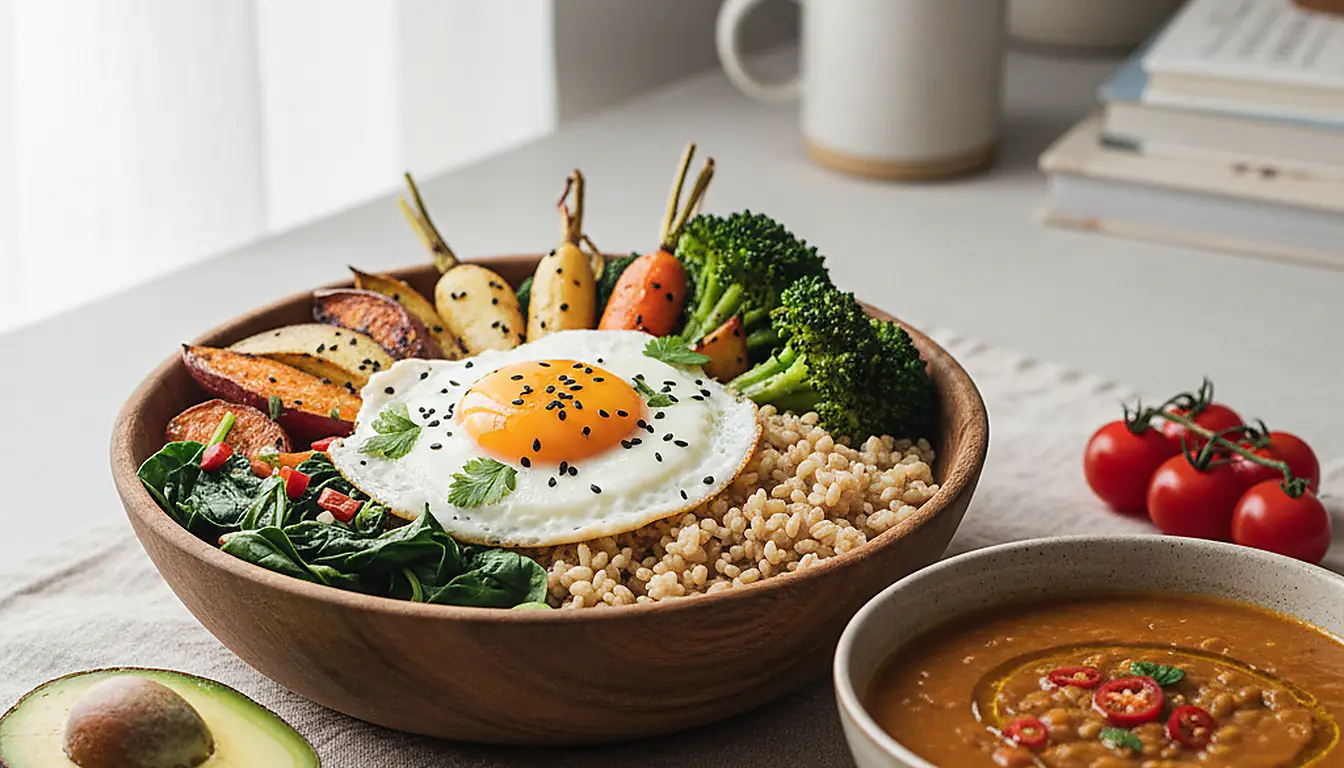
- Dinner: Brown rice bowl with black beans, frozen vegetables, and a fried egg (approx. $1.00)
- Snacks: Apple slices with peanut butter, a handful of almonds (approx. $0.60)
Total cost for the day: Around $3.10! Not bad, right? And this is just one example. The possibilities are endless!
Common Pitfalls and How to Avoid Them
Budget eating isn’t always smooth sailing. Here are some common challenges and how to overcome them:
- Temptation of convenience foods: It’s easy to grab processed snacks and meals when you’re short on time, but they’re usually expensive and unhealthy. Plan ahead and have healthy snacks and meals prepared.
- Food waste: Wasted food is wasted money. Plan your meals carefully, store food properly, and use leftovers creatively.
- Lack of variety: It’s easy to get stuck in a rut when you’re eating on a budget. Experiment with different recipes and spices to keep things interesting.
- Giving up too easily: Budget eating takes effort and planning. Don’t get discouraged if you have a few slip-ups. Just get back on track and keep going!
Here’s where it feels real for me.
Taking Charge of Your Health and Finances
Budget eating is more than just saving money; it’s about taking control of your health and your life. When you nourish your body with whole, affordable foods, you feel better, have more energy, and are better equipped to tackle whatever life throws your way.
I truly believe that everyone deserves access to healthy, affordable food. It’s not a luxury; it’s a necessity. And with a little planning and creativity, it’s totally achievable. So, give these budget eating staples a try and see how they can transform your grocery bill and your well-being. You might be surprised at how delicious and satisfying healthy eating on a budget can be!
Now, I’d love to hear from you! What are your favorite budget-friendly healthy foods? Share your tips and recipes in the comments below!
Frequently Asked Questions
What are the best foods to buy when trying to eat healthy on a budget?
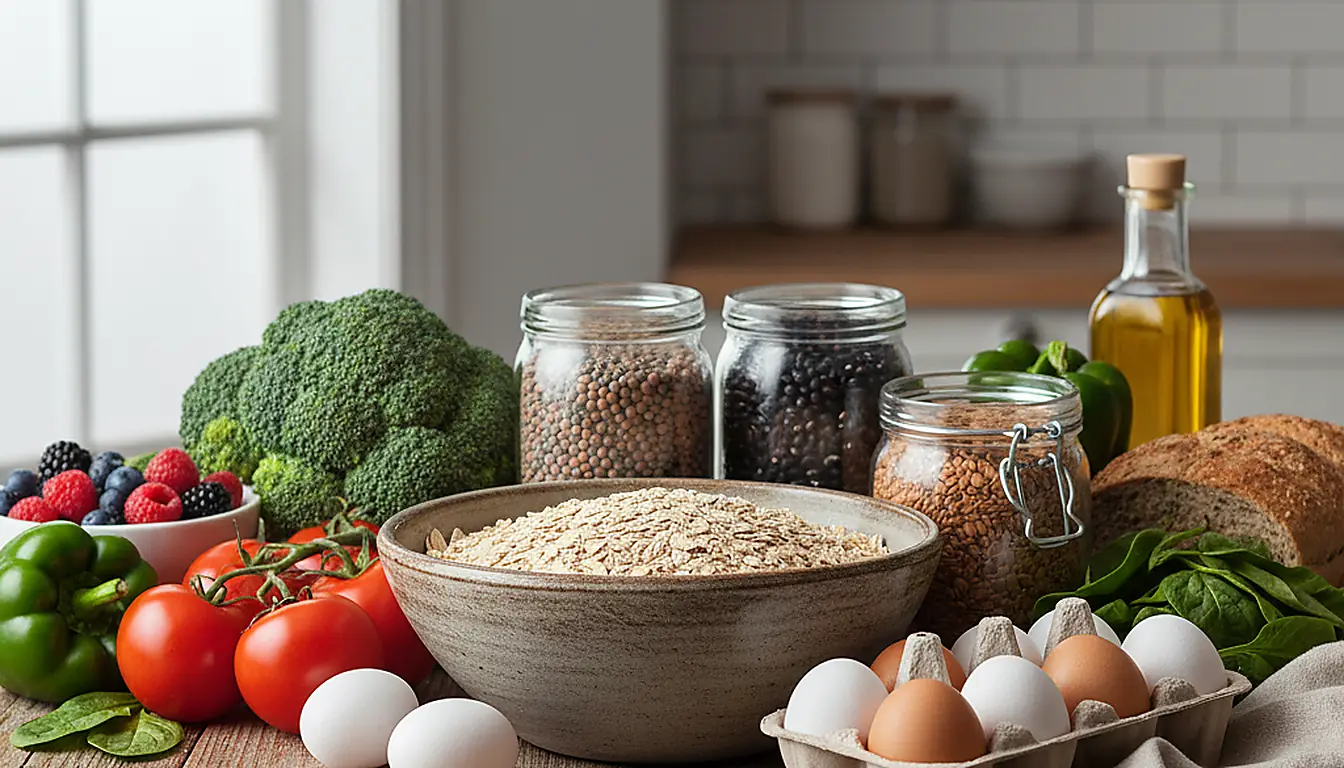
Focus on staples like lentils, beans, oats, brown rice, eggs, canned tuna/salmon, frozen vegetables, potatoes, peanut butter, and bananas. These are all nutritious and cost less than $1 per serving.
How can I save money on groceries while still eating healthy?
Plan your meals ahead of time, buy in bulk when possible, cook at home instead of eating out, embrace leftovers, don’t be afraid of generic brands, check unit prices, and shop seasonally for produce.
Are frozen vegetables as healthy as fresh vegetables?
Yes! Frozen vegetables are often just as nutritious as fresh vegetables, and sometimes even more so. They’re also cheaper and last much longer, making them a great option for budget eating.
What is an example of a budget-friendly meal plan?
A sample day could include oatmeal with banana and peanut butter for breakfast, lentil soup for lunch, and a brown rice bowl with black beans, vegetables, and an egg for dinner. Snacks could include apple slices with peanut butter.
How can I avoid food waste when eating on a budget?
Plan your meals carefully, store food properly, and use leftovers creatively. Repurpose leftovers into new meals to avoid throwing them away and wasting money.
Is peanut butter healthy?
Yes, peanut butter is a good source of protein and healthy fats. Look for natural peanut butter without added sugar or oils. It’s a versatile and affordable option for snacks and meals.
Key Takeaways
- Budget Eating: 10 Healthy Staples That Cost Less Than $1 Per Serving
- My Journey to Budget-Friendly Nutrition
- 10 Healthy Staples Under $1 Per Serving
- Pro-Tips for Maximizing Your Budget Eating
- Example Meal Plan on a Budget