I was crying. Not the cute, dainty, single tear kind of crying. More like the full-on, ugly-cry, snot-running-down-my-face kind. And where was I? The skincare aisle at Target. Surrounded by a sea of lotions and potions, and my face felt like a desert. That’s the moment I knew something had to change. Fast.
You know that feeling? When your skin is so parched it feels like it might crack? When your makeup looks… well, cakey? Yeah, I’ve been there. A lot. And, as a certified holistic nutritionist and wellness writer, I’ve also helped countless clients navigate the confusing world of skincare and find the best moisturizer for dehydrated skin. So, if you’re anything like I was, you’re in the right place, girl.
This isn’t some fluffy article filled with empty promises. We’re going to dive deep, get real, and talk about what actually works. Prepare to say goodbye to tight, uncomfortable skin and hello to a radiant, hydrated complexion. Let’s get started, shall we?
- The Difference Between Dry and Dehydrated Skin
- Signs Your Skin is Thirstier Than You Are
- My Holy Grail: Ingredients to Look For
- The Perfect Moisturizer Recipe: Build Your Routine
- Real-Life Failures (and Wins) with Moisturizers
- Product Recommendations: Finding the Holy Grail
- The Power of Internal Hydration
- Building a Hydration Habit: A 7-Day Plan
The Difference Between Dry and Dehydrated Skin
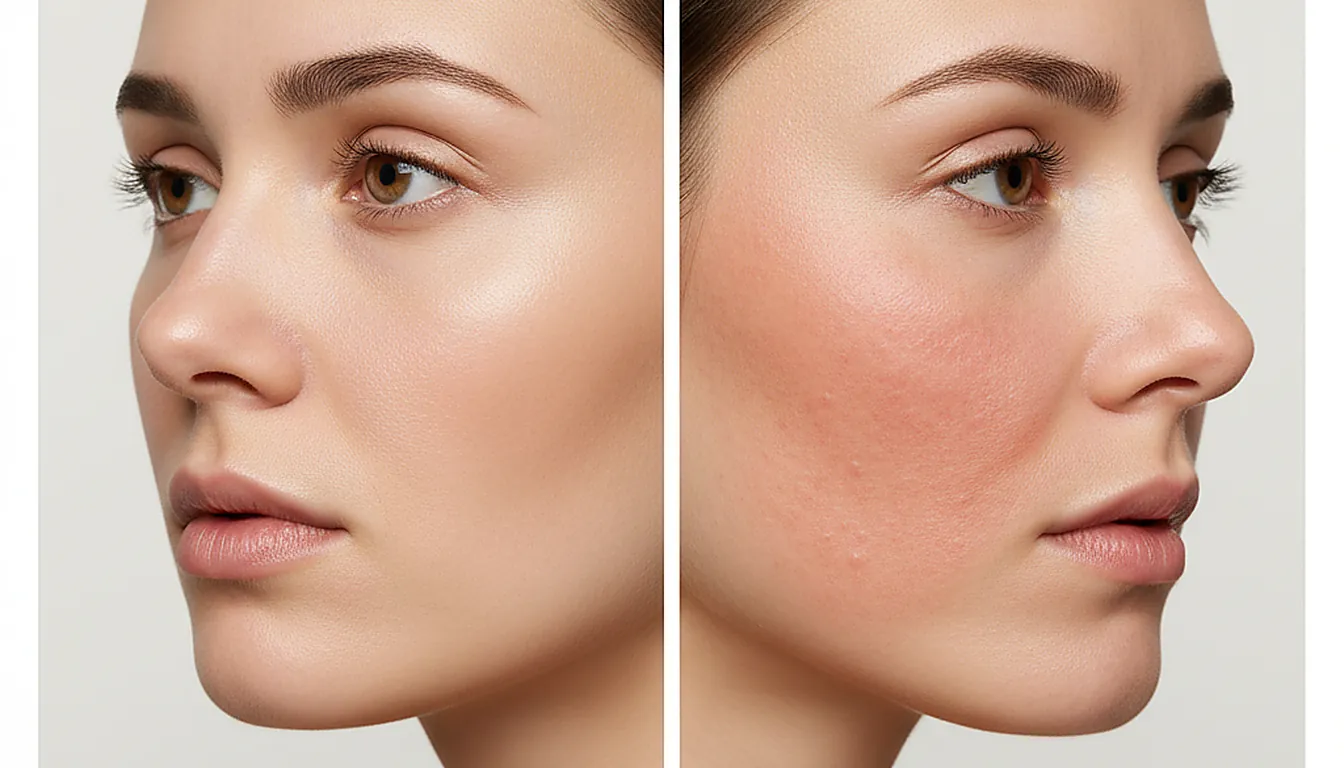
First things first, let’s clear up the confusion. Dry skin and dehydrated skin are not the same, and understanding the difference is key to finding the best moisturizer for dehydrated skin. Dry skin is a skin type, meaning it’s a genetic predisposition to produce less sebum (oil). It’s often characterized by flakiness, roughness, and a feeling of tightness. Dehydrated skin, on the other hand, is a skin condition. It lacks water, not oil, and can affect any skin type. You might have oily skin that’s still dehydrated, trust me.
Think of it like this: dry skin is like a dry lakebed, while dehydrated skin is like a dry sponge. Both need moisture, but in different ways. Dry skin needs oil to replenish its natural barrier, while dehydrated skin needs water to plump up the cells and restore its vibrancy. Often, what you think is dry skin, is actually dehydrated. So, are you a dry girl, or a dehydrated girl? Let’s find out.
Signs Your Skin is Thirstier Than You Are
Okay, let’s get real. How do you know if your skin is craving a tall glass of H2O? Here are some telltale signs:
- Tightness: Does your skin feel like it’s shrinking after you wash your face?
- Dullness: Is your complexion lacking that healthy glow?
- Fine lines and wrinkles: They seem more pronounced when your skin is dehydrated.
- Itchiness: Sometimes, dehydration can lead to a seriously itchy face.
- Increased sensitivity: Your skin might become more reactive to products.
- Flakiness: Even if you don’t have dry skin, you might notice some flakes.
- Makeup troubles: Foundation looks cakey, patchy, or doesn’t last.
If you’re nodding along to any of these, then buckle up, buttercup. This article is your hydration rescue mission. And the first step is to recognize that you might need a better moisturizer, ahem, the best moisturizer for dehydrated skin.
My Holy Grail: Ingredients to Look For
So, what should you actually look for in a moisturizer? Forget the fancy packaging and marketing hype. Here’s what matters:
Humectants: These ingredients draw water from the air and into your skin. Think of them as tiny little magnets. The best ones include hyaluronic acid (HA), glycerin, and aloe vera. Hyaluronic acid is my personal hero, but you gotta pair it with something else to work best. You’ll understand why soon.
Emollients: These guys smooth and soften the skin. They fill in the gaps between skin cells. Look for things like ceramides, squalane (olive-derived is great), and plant oils like jojoba or rosehip oil.
Occlusives: These create a barrier to lock in moisture and prevent water loss. Think of them as the bouncers at the club, keeping all the good stuff in. Petrolatum (yep, Vaseline!), shea butter, and beeswax are your go-to occlusives.
Finding a moisturizer with a mix of all three is the sweet spot. It’s like the perfect skincare trifecta: humectants to pull in water, emollients to smooth and soften, and occlusives to seal it all in. But wait, there’s more…
The Perfect Moisturizer Recipe: Build Your Routine
Finding the best moisturizer for dehydrated skin is only half the battle. How you use it matters, too. Here’s my simple, effective, and customizable routine:
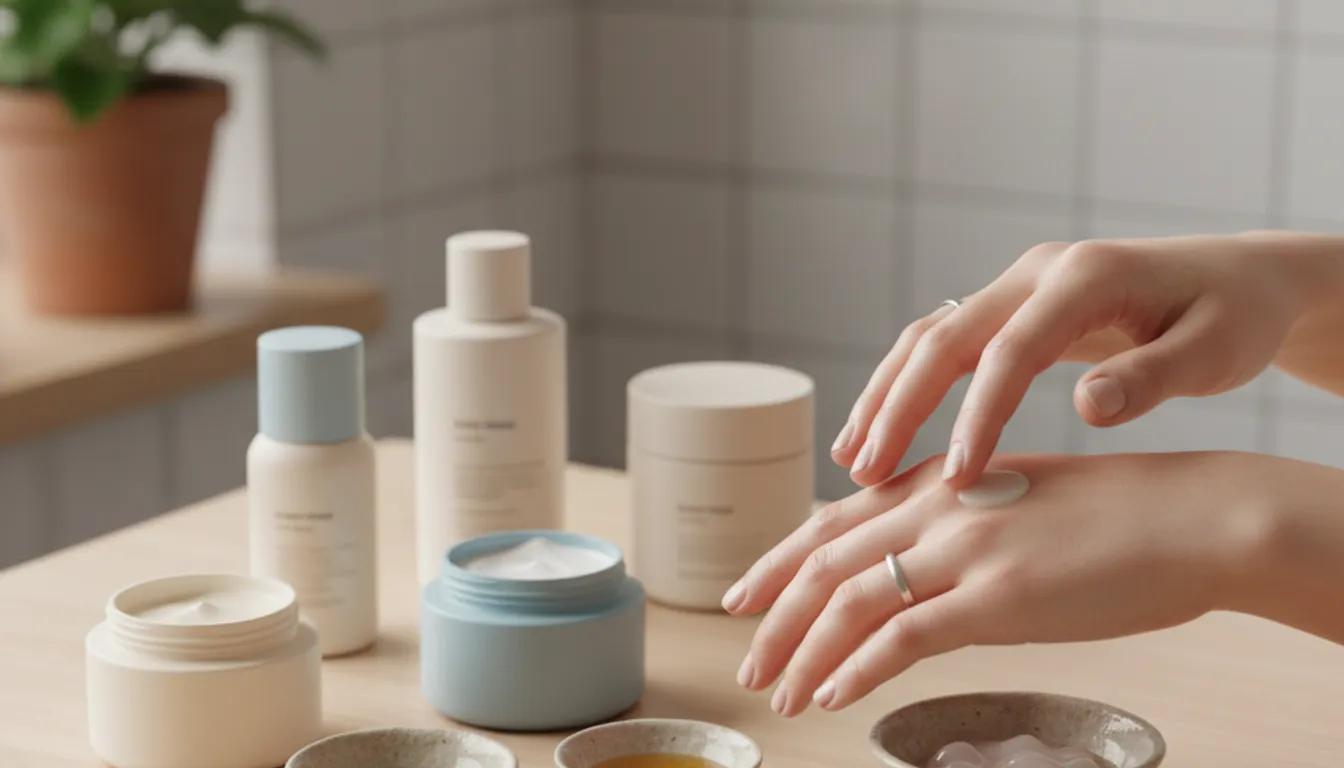
Cleanse (Gently!)
Use a gentle, hydrating cleanser that won’t strip your skin of its natural oils. Avoid harsh sulfates.
Hydrating Toner (Optional)
A hydrating toner can add an extra layer of moisture. Look for ones with hyaluronic acid or rose water.
Serum (The Power Player)
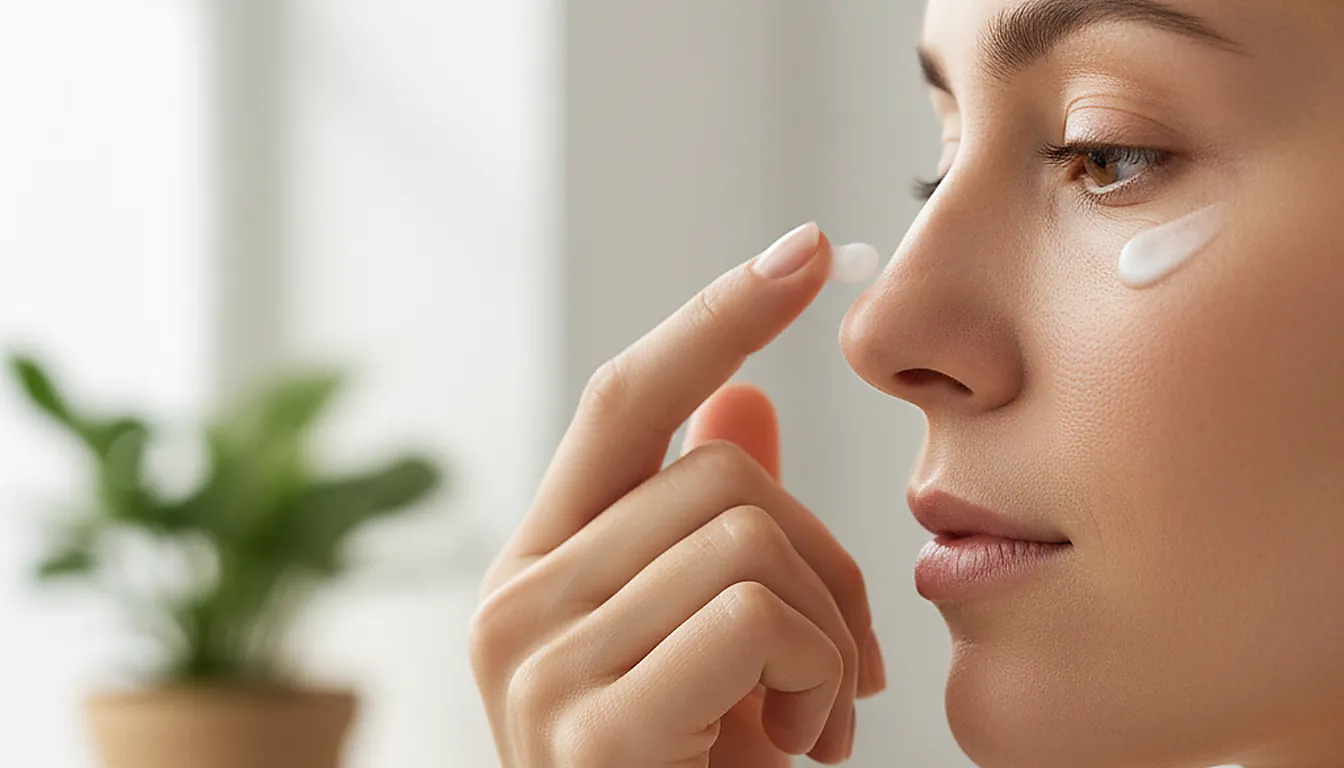
This is where you add your powerhouse ingredients! A hyaluronic acid serum is a must for dehydrated skin. Apply to damp skin for maximum absorption. I also love a Vitamin C serum for glow.
Moisturizer (The Main Event)
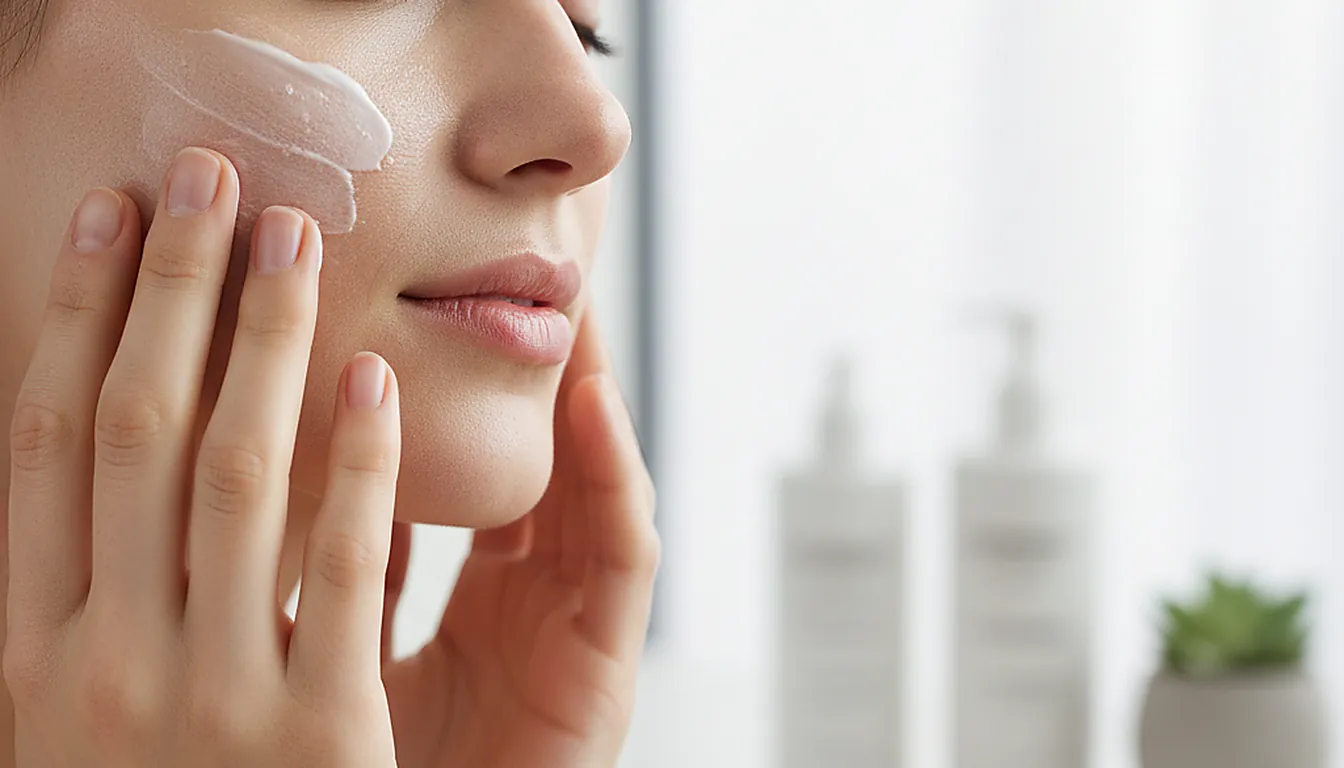
Apply your moisturizer liberally. Make sure it contains humectants, emollients, and occlusives. This is where you find the best moisturizer for dehydrated skin!
Sunscreen (Daytime Only)
Protect your skin from sun damage with a broad-spectrum sunscreen. Seriously, wear it every single day.
My personal secret? I apply my moisturizer to slightly damp skin, after a spritz of hydrating toner. It helps lock in the moisture. I also reapply throughout the day, especially if I’m in a dry environment (like a plane). You might want to consider the same.
Real-Life Failures (and Wins) with Moisturizers
Alright, let’s get real. I’ve tried more moisturizers than I care to admit. From the cheap drugstore finds to the ridiculously expensive ones, I’ve made every mistake in the book. Here are a couple of stories, along with some lessons learned:
Story 1: The “Expensive Isn’t Always Better” Debacle
I once splurged on a $300 moisturizer. The packaging was gorgeous, the claims were impressive, and the reviews were glowing. I slathered it on, expecting instant perfection. Plot twist: my skin got even more dehydrated. Turns out, the fancy formula was full of fragrance and irritating ingredients, which did more harm than good. Lesson learned? Price doesn’t equal quality. Always read the ingredient list.
Story 2: The “Over-Exfoliation” Disaster
I thought, “If I exfoliate, the moisturizer will sink in better!” Wrong. Dead wrong. I went overboard with an exfoliating scrub, and my skin became red, raw, and ridiculously dry. My face was screaming for help. I had to ditch all actives for a few weeks and focus on super gentle cleansing and a thick, emollient moisturizer. Ouch.
Story 3: The Hyaluronic Acid Revelation
This one’s a win! I used to apply hyaluronic acid serum and wonder why it wasn’t working. Then I learned the importance of applying it to damp skin and sealing it in with a good moisturizer. That changed everything. Suddenly, my skin was plump, hydrated, and glowing. The best moisturizer for dehydrated skin plus HA is a game changer.
See? We’re all human. Even me! This is why it’s so important to listen to your skin and experiment. What works for one person might not work for another. Now, let’s get into some specific product recommendations, shall we?
Product Recommendations: Finding the Holy Grail
Choosing the best moisturizer for dehydrated skin is a personal journey, but I can point you in the right direction. Here are some of my top picks, based on different budgets and needs. Keep in mind, this is not medical advice, but personal recommendations based on my own experience:
For Sensitive Skin: Cetaphil Moisturizing Cream
A classic for a reason! It’s fragrance-free, non-comedogenic, and packed with humectants and emollients.
For Dry and Mature Skin: CeraVe Moisturizing Cream
Ceramides are your friends! This cream repairs the skin barrier and provides long-lasting hydration. Bonus: It’s affordable.
For a Lightweight Option: La Roche-Posay Toleriane Double Repair Face Moisturizer UV
If you need something lighter for daytime, this is a great choice. It has ceramides, niacinamide (for redness), and SPF.
For an All-Natural Option: Cocokind Barrier Serum
I am a big fan of this brand for effective ingredients and sustainability. The serum and moisturizer together are pure magic!
Important note: Always patch-test a new product before slathering it all over your face. Apply a small amount to your jawline or behind your ear and wait 24 hours to see if any irritation develops.
The Power of Internal Hydration
Here’s a plot twist: while the best moisturizer for dehydrated skin is crucial, it’s not the only piece of the puzzle. What you put inside your body matters just as much, maybe more! Skincare is truly holistic. And that’s where my nutrition background comes in.
Drink Up: Aim for at least eight glasses of water per day. I know, I know… it sounds basic. But are you actually doing it? I use a big, cute water bottle and keep it with me everywhere to make it easier. And I track my water intake in my calendar.
Eat Your Water: Load up on water-rich foods like fruits and vegetables. Think watermelon, cucumber, strawberries, and spinach. Eating more greens makes a real difference in my skin.
Healthy Fats: Include healthy fats in your diet, like avocados, olive oil, and fatty fish. These support skin health and help maintain your skin’s natural barrier. And I’ve found that my face looks less red when I focus on good fats.
Limit Alcohol and Caffeine: These can be dehydrating. Drink in moderation, and make sure to balance them with extra water. You can find more about hydration strategies in Why Your Moisturizer Isn’t Working (and the Simple Fix).
Building a Hydration Habit: A 7-Day Plan
Ready to make a real change? Here’s a simple 7-day plan to boost your hydration, inside and out. Follow these steps, and I kid you not, you’ll see a difference:
| Day | Morning | Afternoon | Evening |
|---|---|---|---|
| Day 1 | Drink 16 oz water, cleanse, apply HA serum and best moisturizer for dehydrated skin | Eat a water-rich snack (cucumber slices), reapply moisturizer if needed | Drink 12 oz herbal tea, apply moisturizer, go to bed. |
| Day 2 | Drink 16 oz water, cleanse, apply HA serum and best moisturizer for dehydrated skin | Eat a water-rich lunch (salad with watermelon), check in on your face | Drink 12 oz herbal tea, apply moisturizer, go to bed. |
| Day 3 | Drink 16 oz water, cleanse, apply HA serum and best moisturizer for dehydrated skin | Eat a water-rich snack (strawberries), reapply moisturizer if needed | Drink 12 oz herbal tea, apply moisturizer, go to bed. |
| Day 4 | Drink 16 oz water, cleanse, apply HA serum and best moisturizer for dehydrated skin | Eat a water-rich lunch (salad with cucumber), reapply moisturizer if needed | Drink 12 oz herbal tea, apply moisturizer, go to bed. |
| Day 5 | Drink 16 oz water, cleanse, apply HA serum and best moisturizer for dehydrated skin | Eat a water-rich snack (watermelon), check in on your face | Drink 12 oz herbal tea, apply moisturizer, go to bed. |
| Day 6 | Drink 16 oz water, cleanse, apply HA serum and best moisturizer for dehydrated skin | Eat a water-rich lunch (salad with spinach), reapply moisturizer if needed | Drink 12 oz herbal tea, apply moisturizer, go to bed. |
| Day 7 | Drink 16 oz water, cleanse, apply HA serum and best moisturizer for dehydrated skin | Eat a water-rich snack (cucumber), check in on your face | Drink 12 oz herbal tea, apply moisturizer, go to bed. |
FAQ: Your Burning Questions Answered
Let’s address some of the most common questions about dehydrated skin:
How often should I moisturize?
Ideally, twice a day (morning and night) is a good starting point. But listen to your skin! If it feels tight or dry throughout the day, reapply as needed.
Can I use facial oils for dehydrated skin?
Yes! Facial oils can be a great addition to your routine. They help seal in moisture. Apply them after your moisturizer.
What about those fancy facial mists?
Facial mists can provide a quick boost of hydration, but they’re not a replacement for a good moisturizer. Use them to rehydrate throughout the day, but always follow up with a moisturizer to seal in the moisture.
Will drinking more water magically fix my skin?
Not magically. Hydration is a multifaceted issue. Drinking enough water is a great foundation for healthy skin, but it needs to be paired with proper skincare.
Can I over-moisturize?
Yes, you can! Over-moisturizing can lead to breakouts or a greasy feeling. Listen to your skin. If it feels heavy or congested, cut back on the amount of moisturizer you’re using.
Is there a difference between moisturizer and face cream?
Nope, not really! The terms are often used interchangeably. Face creams are generally thicker, while lotions are lighter. The best moisturizer for dehydrated skin will depend on your skin’s specific needs.
When should I start using anti-aging products?
It’s never too early to start caring for your skin! As a general rule, a good routine starts in your twenties. Look for products that boost collagen and minimize fine lines.
The Bottom Line: Glow On, Girl!
Finding the best moisturizer for dehydrated skin is a journey, not a destination. It’s about listening to your skin, experimenting with different products, and embracing a holistic approach to hydration. Don’t be afraid to try new things, learn from your mistakes, and most importantly, be kind to yourself. You deserve to feel confident and comfortable in your own skin.
So, what are you waiting for? Go forth, hydrate, and glow!