Hey Friends! Let’s Talk Sweat (and What It Means!)
Okay, so picture this: you’ve just crushed a workout. You’re feeling amazing, endorphins are pumping, but you’re also… super thirsty. You chug water, like, a gallon of it. But something still feels… off. Sound familiar? That’s because, my friend, water alone might not be cutting it, especially after a really tough session. Let’s dive into Electrolytes 101!
Table of Contents
- Hey Friends! Let’s Talk Sweat (and What It Means!)
- What are Electrolytes, Anyway? (Think Tiny Superheroes!)
- Why Water Isn’t Always Enough: The Sweat Factor
- Electrolytes and Exercise Performance: A Winning Combination
- How to Replenish Electrolytes: Your Options
- Electrolyte Drinks: Convenience in a Bottle (or Powder!)
- Electrolyte-Rich Foods: Nature’s Powerhouse
- DIY Electrolyte Drink: Control Your Ingredients
- Listen to Your Body: The Key to Hydration
- Electrolyte Supplements: A Targeted Boost
- Conclusion: Stay Hydrated, Stay Strong!
- Frequently Asked Questions
I remember this one time, I decided to run a half-marathon without properly hydrating *or* replenishing my electrolytes. Rookie mistake, I know! By mile 10, my legs were cramping so badly, I felt like a puppet with tangled strings. I had to walk the last few miles, feeling totally defeated. That’s when I learned the hard way: hydration is more than just water. It’s about those crucial electrolytes too!
What are Electrolytes, Anyway? (Think Tiny Superheroes!)
So, what *are* these mysterious electrolytes we keep hearing about? Simply put, they’re essential minerals that carry an electrical charge when dissolved in water. These charged particles are vital for so many bodily functions – think muscle contractions, nerve impulses, fluid balance, and basically keeping everything running smoothly. They are like tiny superheroes keeping your body in tip-top shape. Some of the major electrolytes include:
- Sodium: Helps regulate fluid balance and nerve function.
- Potassium: Crucial for muscle contractions and heart function.
- Magnesium: Supports muscle and nerve function, energy production, and blood sugar control.
- Calcium: Essential for bone health, muscle function, and nerve transmission.
- Chloride: Works with sodium to regulate fluid balance.
When you sweat, you lose these electrolytes, and that’s where problems can start. It’s like draining the battery in your phone – things just don’t work as well!
Why Water Isn’t Always Enough: The Sweat Factor
Okay, let’s get real about sweat. It’s our body’s natural cooling system, and it’s amazing! But along with cooling us down, we also lose water *and* electrolytes through sweat. Plain water is great for rehydration, but it doesn’t replace the electrolytes lost. So, if you’re only drinking water after a hard workout, you might be diluting your electrolyte levels further, leading to an imbalance. This can manifest in several unpleasant ways, including:
- Muscle cramps
- Fatigue and weakness
- Headaches
- Nausea
- Dizziness
Trust me, none of these are fun, and they can really derail your fitness goals. That’s why understanding electrolyte replacement is super important.
Electrolytes and Exercise Performance: A Winning Combination
Proper electrolyte balance is absolutely crucial for optimal exercise performance. When your electrolytes are in check, your muscles can contract properly, your nerve impulses fire efficiently, and your body can maintain proper fluid balance. This translates to:
- Increased endurance: You’ll be able to push harder for longer.
- Reduced muscle cramps: Say goodbye to those painful spasms!
- Improved recovery: Your body will bounce back faster after intense workouts.
- Enhanced mental focus: Electrolytes play a role in cognitive function, helping you stay sharp.
Think of it like this: electrolytes are the fuel that keeps your engine running smoothly. Without them, you’re running on fumes, and your performance will suffer. Many people find that consuming an electrolyte drink post-workout is the best way to avoid these performance dips.
How to Replenish Electrolytes: Your Options
Alright, so how do we get these electrolytes back into our bodies? There are several ways to replenish electrolytes after a workout:
Electrolyte Drinks: Convenience in a Bottle (or Powder!)
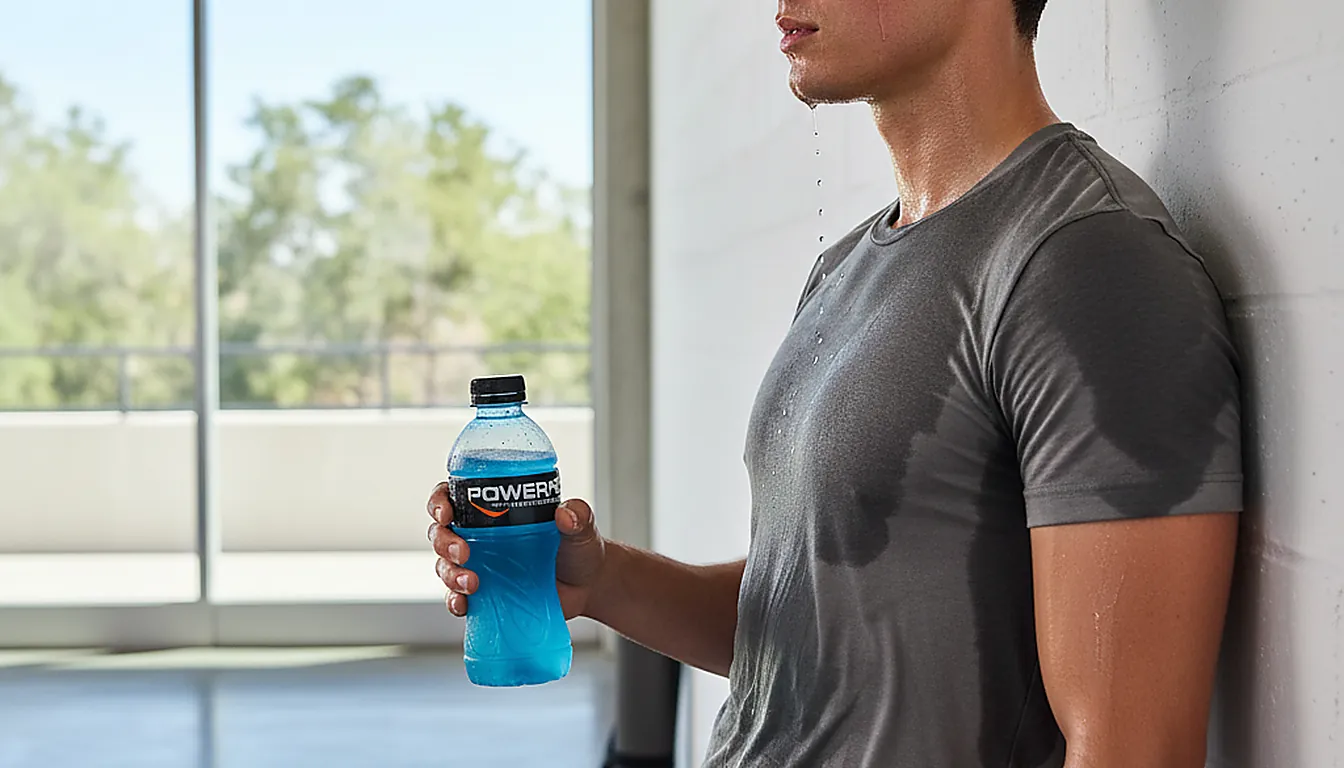
Electrolyte drinks are a popular option, and for good reason. They’re convenient, readily available, and often contain a blend of electrolytes and carbohydrates for energy. But beware! Some electrolyte drinks are loaded with sugar and artificial ingredients. Look for options with low sugar content and natural ingredients. I personally prefer electrolyte powders that I can mix with water because I can control the sweetness and concentration. Plus, they’re often more cost-effective in the long run.
Electrolyte-Rich Foods: Nature’s Powerhouse
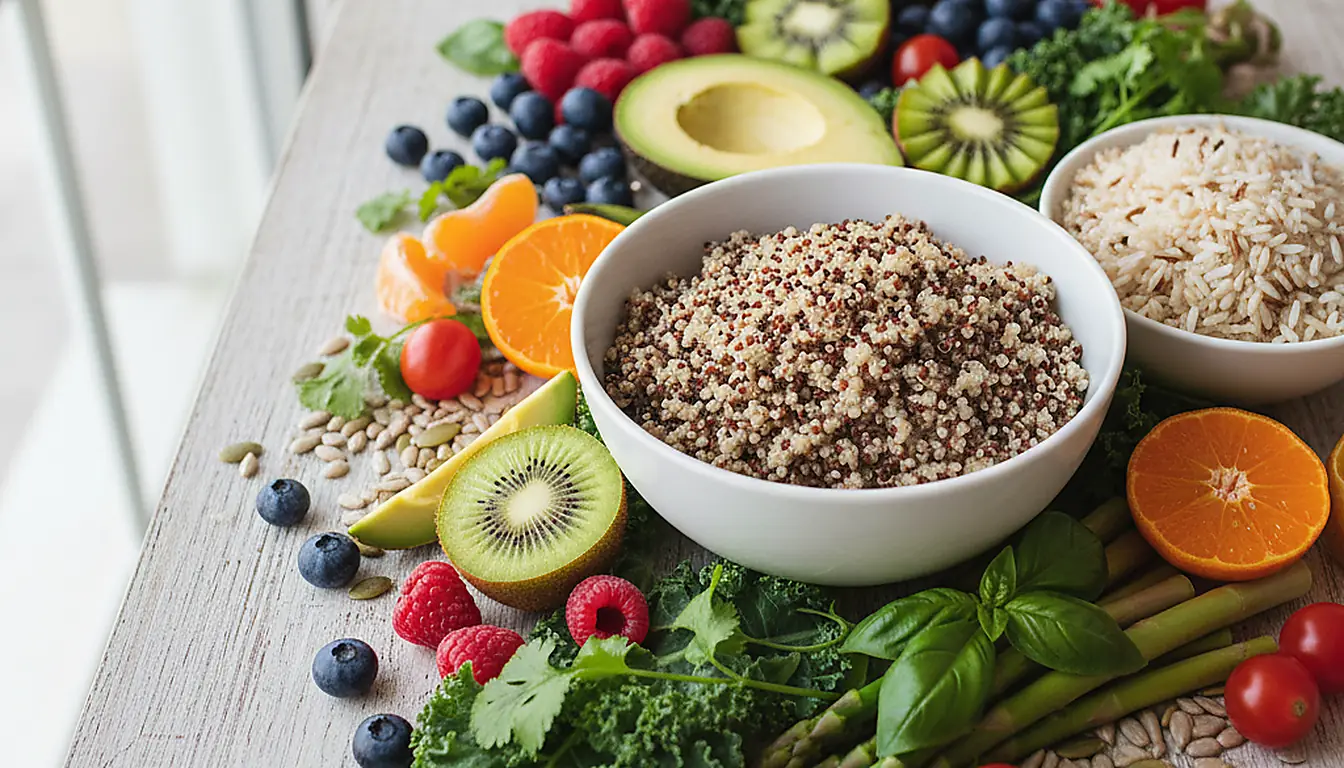
You can also get electrolytes from whole foods! This is my preferred approach, as it provides not only electrolytes but also a host of other essential nutrients. Some excellent electrolyte-rich foods include:
- Bananas: Packed with potassium.
- Spinach: A good source of magnesium and calcium.
- Sweet potatoes: Another great source of potassium.
- Avocados: Rich in potassium and magnesium.
- Dairy products: Provide calcium and sodium.
- Pickle juice: Surprisingly effective for replenishing sodium and preventing muscle cramps. (Don’t knock it ’til you try it!)
Incorporating these foods into your diet can help maintain healthy electrolyte levels naturally.
Honestly, it’s a tiny tweak—with a steady payoff.
DIY Electrolyte Drink: Control Your Ingredients
Feeling crafty? You can easily make your own electrolyte drink at home! Here’s a simple recipe:
- 1 liter of water
- 1/4 teaspoon of sea salt (for sodium)
- 1/4 cup of lemon or lime juice (for flavor and some potassium)
- 1 tablespoon of honey or maple syrup (optional, for energy)
Mix all ingredients together and enjoy! You can adjust the amounts to suit your taste preferences. This is a great way to control the ingredients and avoid any unwanted additives. For example, you can add in some of your favorite CBD products to help calm your nerves post-workout.
Listen to Your Body: The Key to Hydration
Ultimately, the best way to determine your electrolyte needs is to listen to your body. Pay attention to how you feel during and after workouts. Are you experiencing muscle cramps, fatigue, or headaches? Are you thirsty even after drinking water? These could be signs that you need to replenish your electrolytes. Factors like workout intensity, duration, and environmental conditions (e.g., hot weather) can also influence your electrolyte needs. Don’t be afraid to experiment and find what works best for you.
Electrolyte Supplements: A Targeted Boost
If you struggle to get enough electrolytes from food and drinks alone, electrolyte supplements can be a helpful option. These supplements typically come in the form of tablets, capsules, or powders. Look for supplements that contain a balanced blend of electrolytes, including sodium, potassium, magnesium, and calcium. Be sure to follow the recommended dosage instructions on the label. As always, it’s a good idea to consult with a healthcare professional or registered dietitian before starting any new supplement regimen.
Conclusion: Stay Hydrated, Stay Strong!
So, there you have it: Electrolytes 101! Remember, hydration is more than just water. It’s about replenishing those essential electrolytes that you lose through sweat. By understanding the role of electrolytes and how to replenish them, you can optimize your exercise performance, prevent muscle cramps, and stay feeling your best. Now go crush those workouts – and don’t forget your electrolytes!
Frequently Asked Questions
Why are electrolytes important for exercise?
Electrolytes are crucial for muscle contractions, nerve impulses, and fluid balance, all of which are essential for optimal exercise performance. Losing electrolytes through sweat can lead to muscle cramps, fatigue, and reduced endurance.
Can I get enough electrolytes from food alone?
Yes, you can get electrolytes from foods like bananas, spinach, sweet potatoes, and avocados. Incorporating these into your diet can help maintain healthy electrolyte levels naturally.
Are electrolyte drinks always a good choice?
Electrolyte drinks can be convenient, but some are high in sugar and artificial ingredients. Look for options with low sugar content and natural ingredients, or consider making your own.
What are the signs of electrolyte imbalance?
Symptoms of electrolyte imbalance include muscle cramps, fatigue, headaches, nausea, and dizziness. If you experience these after a workout, it could be a sign you need to replenish your electrolytes.
How can I make my own electrolyte drink?
You can easily make an electrolyte drink with water, sea salt, lemon or lime juice, and optional honey or maple syrup. Mix all ingredients and adjust to your taste preferences.
Are electrolyte supplements necessary?
Electrolyte supplements can be helpful if you struggle to get enough electrolytes from food and drinks alone. Look for supplements containing a balanced blend of sodium, potassium, magnesium, and calcium, and consult a healthcare professional before starting any new supplement regimen.
Key Takeaways
- Hey Friends! Let’s Talk Sweat (and What It Means!)
- What are Electrolytes, Anyway? (Think Tiny Superheroes!)
- Why Water Isn’t Always Enough: The Sweat Factor
- Electrolytes and Exercise Performance: A Winning Combination
- How to Replenish Electrolytes: Your Options