
Hey Friends! Is Gluten Sensitivity *Really* Real? Let’s Talk.
Okay, so, let’s get real. Lately, everyone and their grandma seems to be talking about gluten. “I’m going gluten-free!” “Is gluten sensitivity real?” “Gluten is the devil!” (Okay, maybe not that last one… mostly). But seriously, sorting through the hype can be exhausting. As someone who loves digging into the science of nutrition (and also loves a good slice of pizza – balance, people!), I wanted to break down this whole gluten sensitivity thing. What’s the deal? Is it just a fad, or is there something more to it? And how does it compare to celiac disease? Let’s dive in, shall we?
My Own “Gluten Revelation” (Sort Of…)
Before we get all science-y, let me share a quick personal story. A few years back, I was feeling…blah. Just generally blah. Tired, bloated, a little foggy-headed. I wasn’t sure what was going on. I tried different things – more sleep, more water, more kale (shudder). Nothing seemed to work. Then, on a whim (and after reading a few articles), I decided to try cutting back on gluten. And guess what? I actually felt better! Not a miracle cure, mind you, but definitely an improvement. This got me thinking: was I gluten sensitive? Or was something else going on? This is when I really started to research, research, research! That’s when the real questions began.
What *Exactly* is Gluten, Anyway?
First things first: what *is* gluten? Simply put, gluten is a family of proteins found in wheat, rye, and barley. It’s what gives bread its chewy texture and helps baked goods rise. Think of it as the glue that holds everything together. Now, for most people, gluten is totally harmless. Our bodies digest it just fine. But for some, it can cause problems.
Celiac Disease: The Serious Stuff
Let’s start with the big one: celiac disease. Celiac disease is an autoimmune disorder where gluten triggers an immune response in the small intestine. This response damages the lining of the small intestine, making it difficult to absorb nutrients. It’s a serious condition with potentially severe consequences if left untreated.
Symptoms of Celiac Disease
Symptoms of celiac disease can vary widely, but some common ones include:
* Diarrhea or constipation
* Abdominal pain and bloating
* Fatigue
* Weight loss
* Anemia
* Skin rashes
* Headaches
It’s crucial to get tested for celiac disease if you suspect you might have it. A blood test and a small intestine biopsy are typically used to diagnose the condition. If you *do* have celiac disease, the only treatment is a strict gluten-free diet for life. And I mean STRICT. Even a tiny bit of gluten can trigger a reaction.
Non-Celiac Gluten Sensitivity (NCGS): The Mystery Unfolds
Now, here’s where things get a little murky. What about people who experience symptoms after eating gluten but *don’t* have celiac disease or a wheat allergy? This is where non-celiac gluten sensitivity (NCGS), also known as gluten intolerance, comes in. The symptoms of NCGS can overlap with those of celiac disease, but the underlying mechanisms are different.
Symptoms of Non-Celiac Gluten Sensitivity
Again, symptoms can vary from person to person, but some common ones include:
* Bloating
* Abdominal pain
* Fatigue
* Brain fog
* Headaches
* Joint pain
The tricky thing about NCGS is that there’s no definitive test for it. Diagnosis is usually based on excluding celiac disease and wheat allergy and then seeing if symptoms improve on a gluten-free diet. It’s a process of elimination, which can be frustrating. There is no scientific consensus on gluten sensitivity though.
Is it Gluten Sensitivity, or Something Else Entirely? Consider These Factors.
This is the million-dollar question, isn’t it? The truth is, it’s not always easy to pinpoint gluten as the culprit. Here’s why:
* **The Nocebo Effect:** This is the opposite of the placebo effect. If you *believe* that gluten is making you sick, you might actually experience symptoms, even if it’s not the gluten itself. Our brains are powerful things!
* **FODMAPs:** These are fermentable oligosaccharides, disaccharides, monosaccharides, and polyols – basically, a group of carbohydrates that can be poorly absorbed in the small intestine. FODMAPs are found in many foods, including wheat, but also in things like onions, garlic, and apples. For some people, FODMAPs might be the real cause of their digestive issues, not gluten.
* **Wheat Allergy:** An allergy to wheat is different from both celiac disease and NCGS. It’s an immune response to proteins found in wheat (not just gluten). Symptoms can include hives, itching, swelling, and even difficulty breathing.
Okay, So How Do I Figure Out What’s Going On?
If you’re experiencing symptoms after eating gluten, here’s my advice (and remember, I’m a blogger, not a doctor, so talk to your healthcare provider!):
1. **Talk to Your Doctor:** Rule out celiac disease and wheat allergy. These are the most important things to check for first.
2. **Keep a Food Journal:** Write down everything you eat and drink, along with any symptoms you experience. This can help you identify potential trigger foods.
3. **Consider an Elimination Diet:** Under the guidance of a healthcare professional or registered dietitian, try eliminating gluten (and possibly other potential triggers like FODMAPs) from your diet for a few weeks. Then, slowly reintroduce foods one at a time and see how you feel. Listen to your body! A dietitian can also determine if your symptoms are due to IBS (irritable bowel syndrome).
4. **Don’t Self-Diagnose:** It’s tempting to jump to conclusions based on what you read online (guilty!), but it’s important to get proper medical advice.
5. **Be Patient:** Figuring out the root cause of your symptoms can take time and effort. Don’t get discouraged! It’s about understanding what triggers you personally.
So, Is Gluten Sensitivity Real? The Verdict…
The short answer? It’s complicated. While the exact mechanisms behind NCGS aren’t fully understood, many people do report experiencing genuine symptoms after eating gluten. The important thing is to rule out other conditions and work with a healthcare professional to determine what’s right for *you*. The medical community does not consider this an actual condition.
Embracing a Balanced Approach
Whether you choose to go gluten-free or not is a personal decision. If you feel better avoiding gluten, then go for it! Just make sure you’re doing it in a healthy and sustainable way. Focus on eating a balanced diet filled with whole foods, and don’t get too caught up in the hype. Remember, food should be enjoyable, not a source of stress!
Navigating the Gluten-Free World
If you do decide to go gluten-free, here are a few tips to help you navigate the gluten-free world:
* **Read Labels Carefully:** Gluten can be hiding in unexpected places, like sauces, dressings, and even some medications.
* **Look for Certified Gluten-Free Products:** These products have been tested and verified to contain less than 20 parts per million of gluten.
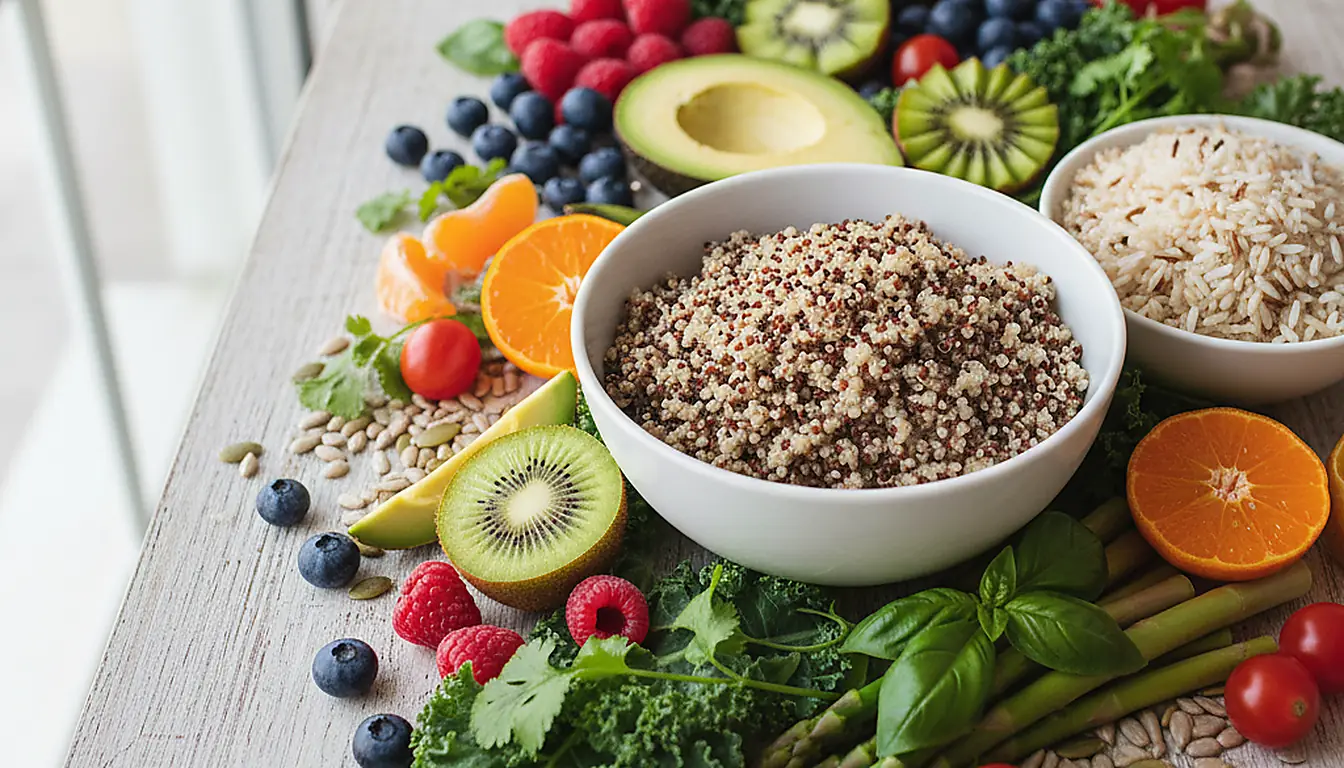
* **Embrace Naturally Gluten-Free Foods:** There are tons of delicious and nutritious foods that are naturally gluten-free, like fruits, vegetables, beans, lentils, and rice.
* **Experiment with Gluten-Free Recipes:** There are tons of great gluten-free recipes online and in cookbooks. Get creative in the kitchen!
Final Thoughts: Listen to Your Body
Ultimately, the best way to know if gluten is affecting you is to listen to your body. Pay attention to how you feel after eating different foods, and work with a healthcare professional to figure out what’s going on. And remember, there’s no one-size-fits-all answer when it comes to nutrition.
Maybe you need to cut gluten, maybe you have a wheat allergy, maybe you have an autoimmune disease like celiac disease, or maybe you just need to stress less. The goal is to find what works for *you* and to feel your best. You got this!
Considering CBD for Digestive Support?
While this article focuses on gluten sensitivity and celiac disease, it’s worth noting that some people explore alternative remedies for digestive discomfort. CBD, derived from hemp, has gained attention for its potential wellness benefits.
**Disclaimer:** Please note that I am not a medical professional, and this information is not intended as medical advice. Always consult with your doctor before starting any new treatment, including CBD, especially if you have existing health conditions or are taking medications.
CBD products come in various forms, including tinctures, edibles, and topicals. Some popular brands include:
* **Binoid CBD:** Offers a range of products, including THCA disposables. Check out their THCA Delta-9p 5 Gram Disposable.
* **CBDFx:** Known for their CBD tinctures, such as their CBD + CBN Oil Tincture Calming.
* **Charlotte’s Web:** A well-known brand offering various CBD products.
* **Cornbread Hemp:** Focuses on organic hemp-derived products.
**Important Note:** Always purchase CBD products from reputable brands that provide third-party lab testing to ensure quality and safety. Be sure to research the brand to find one you trust, like Binoid, CBDfx, or Charlotte’s Web.
FAQ: Gluten Sensitivity and Celiac Disease
What’s the main difference between celiac disease and gluten sensitivity?
Celiac disease is an autoimmune disorder where gluten damages the small intestine. Non-celiac gluten sensitivity (NCGS) causes similar symptoms, but without the intestinal damage seen in celiac disease. It is an immune response and not an autoimmune disorder.
Table of Contents
- Hey Friends! Is Gluten Sensitivity *Really* Real? Let’s Talk.
- My Own “Gluten Revelation” (Sort Of…)
- What *Exactly* is Gluten, Anyway?
- Celiac Disease: The Serious Stuff
- Symptoms of Celiac Disease
- Non-Celiac Gluten Sensitivity (NCGS): The Mystery Unfolds
- Symptoms of Non-Celiac Gluten Sensitivity
- Is it Gluten Sensitivity, or Something Else Entirely? Consider These Factors.
- Okay, So How Do I Figure Out What’s Going On?
- So, Is Gluten Sensitivity Real? The Verdict…
- Embracing a Balanced Approach
- Navigating the Gluten-Free World
Can I self-diagnose gluten sensitivity?
It’s not recommended. It’s important to rule out celiac disease and wheat allergy first. See a doctor for proper diagnosis and advice.

If you’re like me, you’ll appreciate this detail.
What are FODMAPs, and how do they relate to gluten sensitivity?
FODMAPs are fermentable carbohydrates that can cause digestive issues in some people. Some FODMAPs are found in wheat, so it’s possible that FODMAPs, not gluten, are causing your symptoms.
What’s the best way to test for gluten sensitivity?
There’s no definitive test for NCGS. Diagnosis involves ruling out celiac disease and wheat allergy, then seeing if symptoms improve on a gluten-free diet. A healthcare professional can guide you through this process.
If I go gluten-free, what are some healthy alternatives to wheat?
Many grains are naturally gluten-free, including rice, quinoa, oats (make sure they are certified gluten-free), and corn. You can also find gluten-free bread, pasta, and other products made from these grains.
Are there any risks associated with going gluten-free if I don’t have celiac disease or gluten sensitivity?
If you don’t have celiac disease, there can be risks of vitamin deficiency if you aren’t eating a balanced diet. It’s important to consult with a registered dietitian or health professional to ensure you are meeting your nutritional needs.
Frequently Asked Questions
What’s the main difference between celiac disease and gluten sensitivity?
Celiac disease is an autoimmune disorder where gluten damages the small intestine. Non-celiac gluten sensitivity (NCGS) causes similar symptoms, but without the intestinal damage seen in celiac disease. It is an immune response and not an autoimmune disorder.
Can I self-diagnose gluten sensitivity?
It’s not recommended. It’s important to rule out celiac disease and wheat allergy first. See a doctor for proper diagnosis and advice.
What are FODMAPs, and how do they relate to gluten sensitivity?
FODMAPs are fermentable carbohydrates that can cause digestive issues in some people. Some FODMAPs are found in wheat, so it’s possible that FODMAPs, not gluten, are causing your symptoms.
What’s the best way to test for gluten sensitivity?
There’s no definitive test for NCGS. Diagnosis involves ruling out celiac disease and wheat allergy, then seeing if symptoms improve on a gluten-free diet. A healthcare professional can guide you through this process.
If I go gluten-free, what are some healthy alternatives to wheat?
Many grains are naturally gluten-free, including rice, quinoa, oats (make sure they are certified gluten-free), and corn. You can also find gluten-free bread, pasta, and other products made from these grains.
Are there any risks associated with going gluten-free if I don’t have celiac disease or gluten sensitivity?
If you don’t have celiac disease, there can be risks of vitamin deficiency if you aren’t eating a balanced diet. It’s important to consult with a registered dietitian or health professional to ensure you are meeting your nutritional needs.
Key Takeaways
- Hey Friends! Is Gluten Sensitivity *Really* Real? Let’s Talk.
- My Own “Gluten Revelation” (Sort Of…)
- What *Exactly* is Gluten, Anyway?
- Celiac Disease: The Serious Stuff
- Symptoms of Celiac Disease