
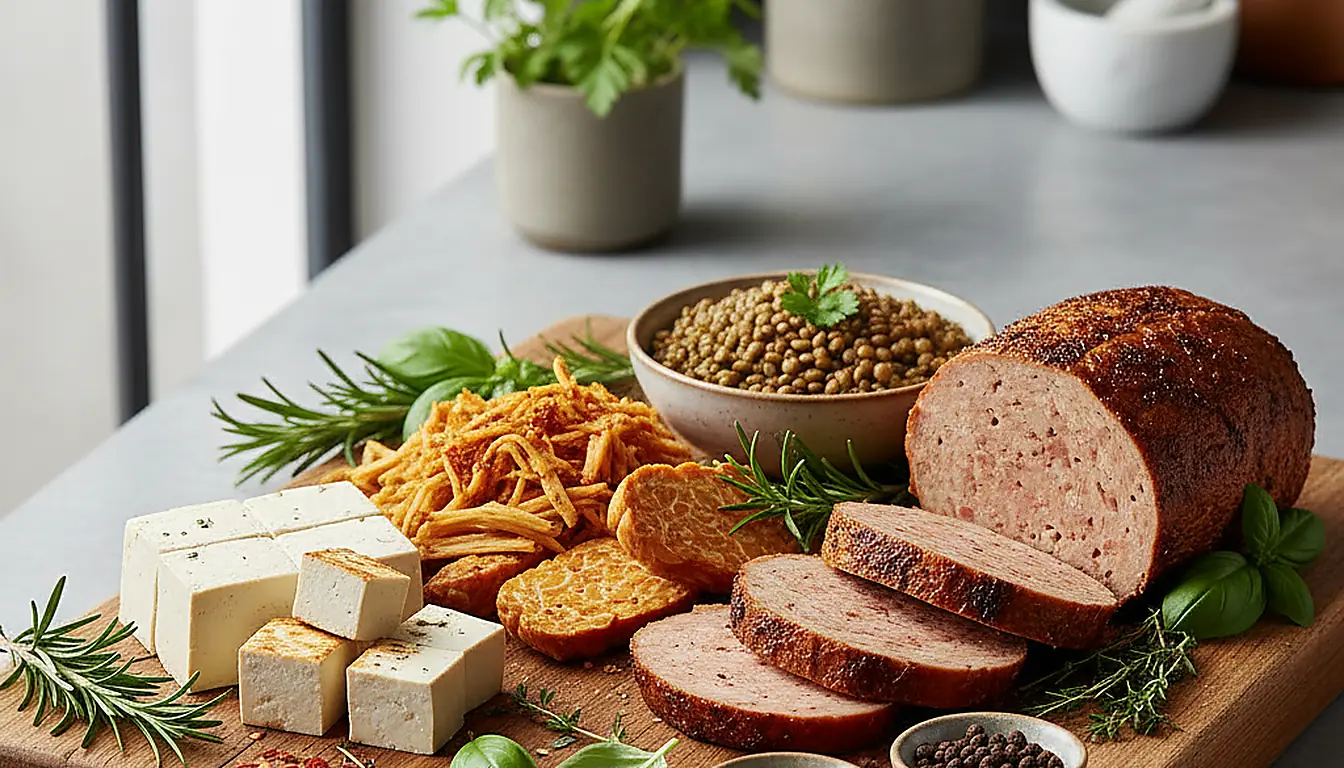
Hey Friends! Let’s Talk Plant-Based Power
Okay, so you’re thinking about cutting back on meat, maybe even going full-on plant-based. Awesome! But let’s be real, the thought of bland, tasteless substitutes can be a little… discouraging. I get it. I’ve been there. My journey to incorporating more plant-based meals wasn’t always smooth sailing. I remember one disastrous tofu scramble attempt that tasted suspiciously like wet cardboard. Ugh. But don’t let that scare you! The world of meat substitutes has exploded, and there are some seriously delicious options out there. It’s all about finding the right fit for your taste buds and your cooking style. This isn’t about deprivation; it’s about discovery. This is about finding your plant-based power!
Table of Contents
- Hey Friends! Let’s Talk Plant-Based Power
- Why Even Bother with Meat Substitutes?
- My Top 5 Meat Substitutes That Pack a Punch
- 1. Tofu: The Versatile Workhorse
- 2. Tempeh: The Nutty and Textured Delight
- 3. Jackfruit: The Unexpected Pulled “Pork”
- 4. Lentils: The Humble Protein Powerhouse
- 5. Seitan: The Wheat Meat
- Tips for Making the Switch
- My Overthinking Story and How I Overcame It (Kinda!)
- The Takeaway: Embrace the Plant-Based Adventure
- Frequently Asked Questions
I’m going to share my top 5 meat substitutes that actually taste amazing, so you can ditch the cardboard and embrace the flavor. We’ll dive into what makes them great, how to use them, and even some potential drawbacks. Get ready to unlock some plant-based deliciousness!
Why Even Bother with Meat Substitutes?
Before we jump in, let’s quickly touch on why you might consider meat substitutes in the first place. For me, it was a mix of things. I wanted to reduce my environmental impact, explore new culinary horizons, and honestly, just feel better about my food choices. Maybe you feel the same? There are tons of reasons, from ethical concerns to health benefits, to environmental responsibility. And of course, maybe you just want to try something new! Here are just a few reasons why I love meat substitutes:
- Healthier Options: Many plant-based alternatives are lower in saturated fat and cholesterol than traditional meat products.
- Environmental Impact: Plant-based diets generally have a smaller carbon footprint.
- Ethical Considerations: Some people choose plant-based eating for animal welfare reasons.
- Culinary Adventure: Exploring new ingredients and flavors is always fun!
My Top 5 Meat Substitutes That Pack a Punch
Alright, let’s get to the good stuff! These are my tried-and-true favorites that have earned a permanent spot in my kitchen. Get ready to discover your plant-based powerhouses!
1. Tofu: The Versatile Workhorse
Okay, I know I just dissed tofu earlier, but hear me out! When prepared correctly, tofu is a blank canvas that soaks up flavors like a champ. It’s all about pressing out the excess water and using the right marinade. Trust me, properly prepared tofu is a game changer.
- Pros: High in protein, affordable, versatile, absorbs flavors well.
- Cons: Can be bland if not prepared properly, requires pressing.
- How to Use It: Tofu can be crumbled for scrambles, cubed for stir-fries, sliced for sandwiches, or even blended into smoothies (silken tofu!). My favorite is to press it, marinate it in soy sauce, ginger, and garlic, then bake or pan-fry it until crispy.
- Who It’s For: Budget-conscious cooks, those who enjoy experimenting with flavors, and anyone looking for a high-protein option.
2. Tempeh: The Nutty and Textured Delight
Tempeh is made from fermented soybeans, giving it a slightly nutty flavor and a firm, chewy texture. It’s less processed than tofu and naturally has a more distinct taste, which I personally love. It’s the perfect start to your plant based journey.
- Pros: High in protein and fiber, good source of probiotics, naturally flavorful.
- Cons: Can be slightly bitter, some find the texture off-putting.
- How to Use It: Tempeh is great crumbled into chili, sliced for sandwiches, or marinated and grilled. I love steaming it for a few minutes before cooking to reduce any bitterness.
- Who It’s For: Those who prefer a more textured and flavorful substitute, those seeking probiotic benefits.
3. Jackfruit: The Unexpected Pulled “Pork”
Okay, this one might surprise you! Jackfruit, when young and unripe, has a neutral flavor and a stringy texture that mimics pulled pork. It’s seriously mind-blowing! It’s also great for absorbing flavors, like tofu.
- Pros: Naturally mimics pulled pork texture, absorbs flavors well, good source of fiber.
- Cons: Low in protein, can be difficult to find fresh (canned is readily available).
- How to Use It: Jackfruit is best used in recipes where you’d typically use pulled pork, like BBQ sandwiches, tacos, or even pizza toppings. Be sure to rinse it well before cooking.
- Who It’s For: Those craving BBQ flavors, those looking for a good texture substitute.
4. Lentils: The Humble Protein Powerhouse
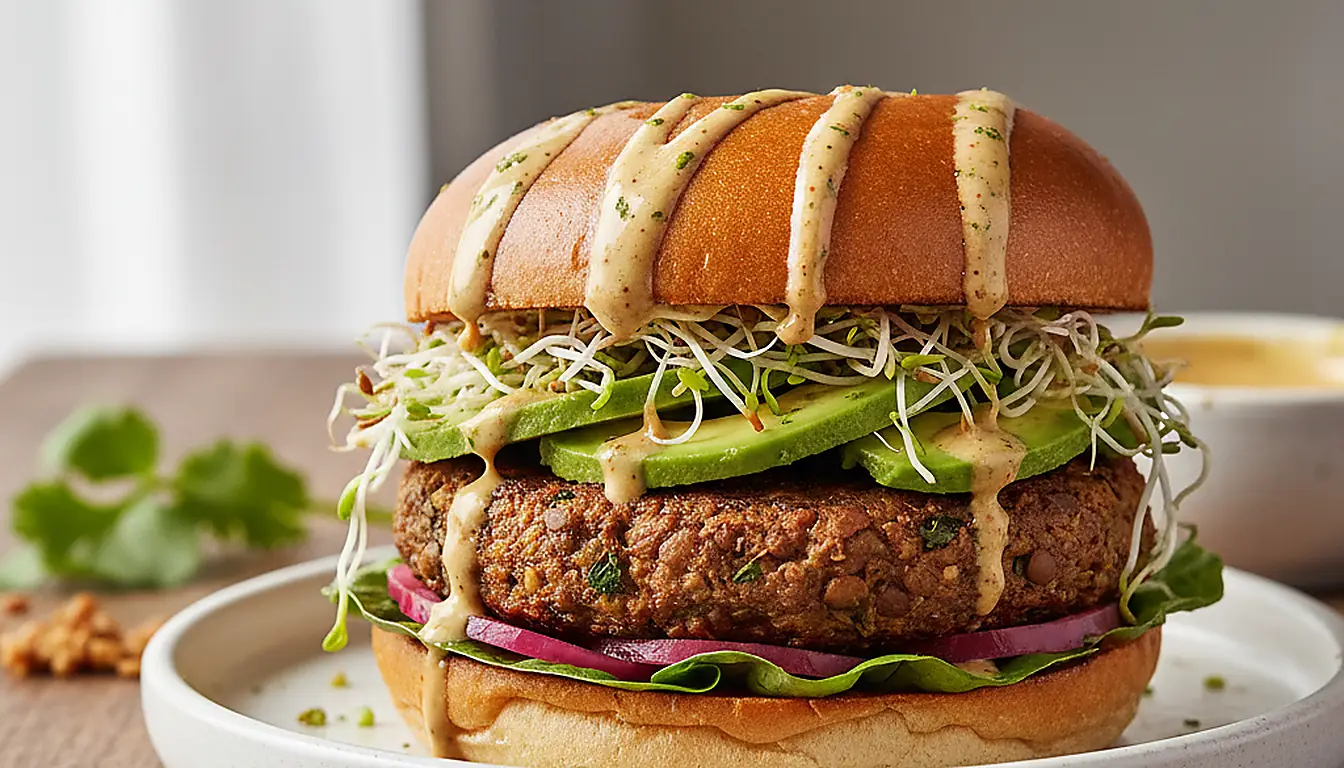
Don’t underestimate the power of lentils! These little legumes are packed with protein, fiber, and nutrients. They’re also incredibly versatile and inexpensive. Lentils can be used in everything from soups and stews to veggie burgers and meat sauces.
- Pros: High in protein and fiber, affordable, versatile, readily available.
- Cons: Can be mushy if overcooked, requires pre-soaking (for some varieties).
- How to Use It: Lentils are fantastic in soups, stews, veggie burgers, or as a ground beef substitute in pasta sauces. I often use them to make a hearty lentil loaf.
- Who It’s For: Budget-conscious cooks, those seeking a high-protein and high-fiber option, anyone looking for a versatile ingredient.
5. Seitan: The Wheat Meat
Seitan is made from wheat gluten, giving it a chewy, meat-like texture. It’s a great source of protein, but it’s not suitable for those with gluten sensitivities. It’s a very unique plant based powerhouse, for sure.
Back to the flow—this is the practical bit.
- Pros: High in protein, chewy texture, versatile.
- Cons: Not gluten-free, can be processed, some find the texture too rubbery.
- How to Use It: Seitan can be sliced for sandwiches, cubed for stir-fries, or ground for sauces. It takes well to marinating and grilling.
- Who It’s For: Those not sensitive to gluten, those seeking a high-protein and chewy texture.
Tips for Making the Switch
Transitioning to a more plant-based diet can feel daunting, but it doesn’t have to be! Here are a few tips to make the process easier:
- Start Small: Don’t try to overhaul your entire diet overnight. Start by swapping out meat in one or two meals per week.
- Experiment with Flavors: Plant-based cooking is all about exploring new spices, herbs, and sauces. Don’t be afraid to get creative!
- Find Your Favorites: Not every meat substitute is going to be a winner. Focus on finding the ones you genuinely enjoy.
- Plan Ahead: Having plant-based recipes and ingredients on hand will make it easier to stick to your goals.
- Don’t Be Afraid to Ask for Help: There are tons of online resources and communities dedicated to plant-based eating. Don’t hesitate to reach out for advice and support.
My Overthinking Story and How I Overcame It (Kinda!)
Alright, so remember that disastrous tofu scramble I mentioned earlier? That wasn’t just a cooking mishap; it was a symptom of my overthinking. I spent hours researching the “perfect” tofu recipe, agonizing over every ingredient and technique. The result? A flavorless, soggy mess. Why? Because I was so focused on getting it perfect that I forgot to actually enjoy the process. And here’s the thing: overthinking can paralyze you. It can stop you from even trying new things, from taking risks, from living fully. What I learned from that tofu debacle (and many other overthinking episodes) is that action is the antidote to analysis paralysis. Sometimes, you just have to jump in and see what happens. So now, instead of spending hours researching a recipe, I’ll pick one that looks good, gather the ingredients, and start cooking. If it doesn’t turn out perfectly, that’s okay! I’ll learn something and try again. I try to bring that attitude to all areas of my life. Am I always successful? Nope! But I’m getting better at recognizing when I’m overthinking and taking steps to break free. Plant-Based Power helped me discover this about myself!
The Takeaway: Embrace the Plant-Based Adventure
Switching to plant-based alternatives doesn’t have to be a sacrifice. The options I’ve shared today really do give you plant-based power. With the variety of meat substitutes available, it’s all about exploring and finding what works best for you. Whether you’re a seasoned vegan or just starting to explore plant-based options, these meat substitutes can open up a whole new world of culinary possibilities. Don’t be afraid to experiment and have fun in the kitchen! Your taste buds (and the planet) will thank you. Are you ready to unlock your Plant-Based Power?
Frequently Asked Questions
What are the health benefits of using meat substitutes?
Many plant-based meat substitutes are lower in saturated fat and cholesterol than traditional meat. They can also be a good source of protein, fiber, and essential nutrients, depending on the specific substitute.
Are meat substitutes suitable for everyone?
While most meat substitutes are generally safe, individuals with certain allergies or dietary restrictions should exercise caution. For example, seitan is not suitable for those with gluten intolerance, and soy-based products may not be suitable for those with soy allergies.
How can I make tofu taste better?
The key to delicious tofu is pressing out the excess water and using a flavorful marinade. Marinating pressed tofu in soy sauce, ginger, garlic, and other spices before baking, pan-frying, or stir-frying can significantly improve its flavor.
What’s the best way to use jackfruit as a meat substitute?
Young, unripe jackfruit has a neutral flavor and stringy texture that mimics pulled pork. It’s best used in recipes where you would typically use pulled pork, such as BBQ sandwiches, tacos, or pizza toppings. Be sure to rinse it well before cooking to remove any brine.
Can I use lentils as a ground beef substitute in pasta sauces?
Yes! Lentils are an excellent ground beef substitute in pasta sauces. They provide a similar texture and are packed with protein and fiber. You can simply cook the lentils until tender and add them to your favorite pasta sauce recipe.
Is tempeh healthier than tofu?
Both tempeh and tofu are healthy plant-based protein sources, but they have slightly different nutritional profiles. Tempeh is generally higher in protein and fiber due to the fermentation process. It also contains probiotics, which are beneficial for gut health. Tofu, on the other hand, is lower in calories and fat. The best choice depends on individual dietary needs and preferences.
Key Takeaways
- Hey Friends! Let’s Talk Plant-Based Power
- Why Even Bother with Meat Substitutes?
- My Top 5 Meat Substitutes That Pack a Punch
- 1. Tofu: The Versatile Workhorse
- 2. Tempeh: The Nutty and Textured Delight