Is Your Skincare Expired? A Guide to Skincare Shelf Life
Okay, let’s be real. How many of us have a graveyard of skincare products lurking in our bathroom cabinets? Serums we bought on a whim, creams promising miracles, and masks we *swear* we’ll use every week (but don’t). I’m raising my hand high because I’m absolutely guilty. But here’s the thing: skincare has a shelf life, and using expired products isn’t just ineffective, it can actually be harmful. So, let’s dive into when to toss your products and why it’s so important.
Table of Contents
- Is Your Skincare Expired? A Guide to Skincare Shelf Life
- Why Does Skincare Expire Anyway?
- Decoding the Skincare Shelf Life: What to Look For
- 1. The PAO (Period After Opening) Symbol
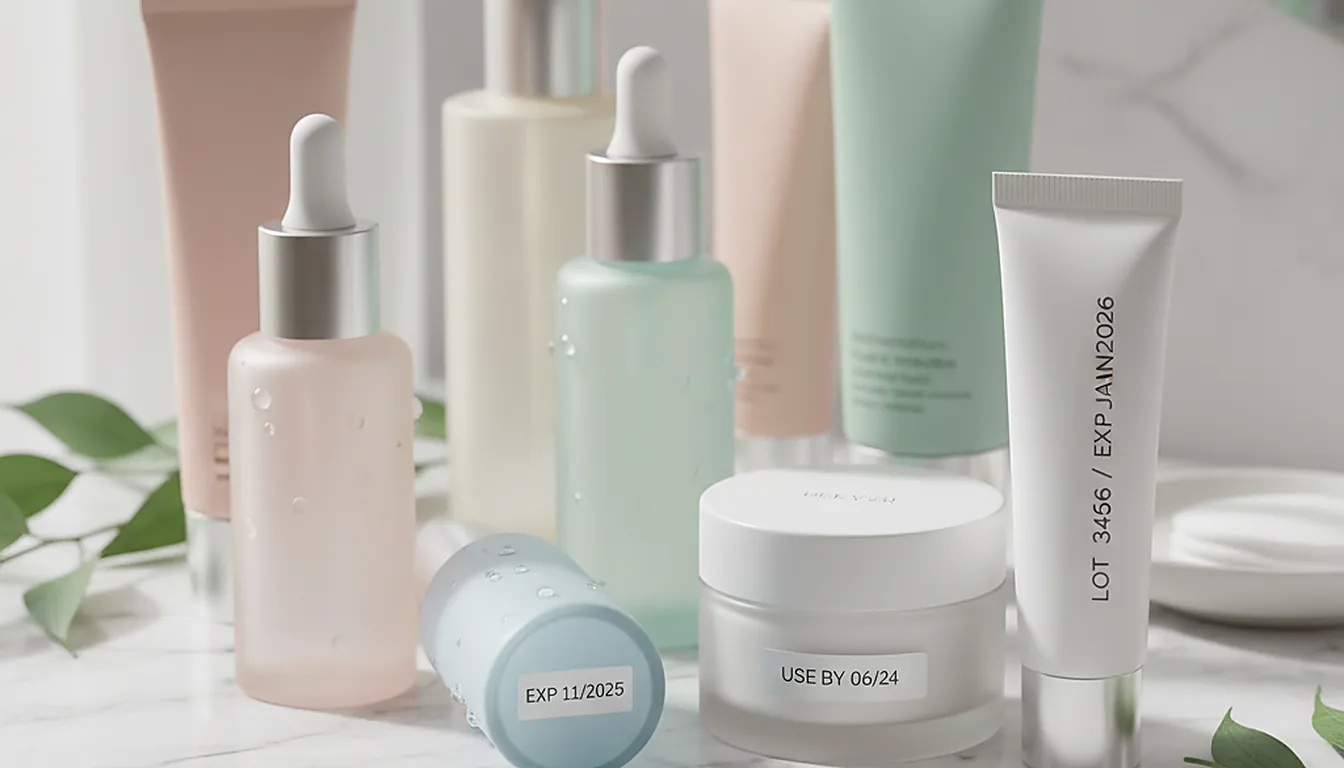
- 2. The Expiration Date
- 3. Changes in Texture, Smell, or Color
- General Skincare Shelf Life Guidelines
- How to Extend Your Skincare Shelf Life: Smart Storage Tips
- What About Unopened Skincare?
- Skincare Shelf Life: When to Toss Your Products (and Why)
- My Personal Skincare Product Recommendations
- 1. CeraVe Hydrating Facial Cleanser
I remember this one time, I was so excited to try this new vitamin C serum. It promised to brighten my skin and fade some sunspots. I used it religiously for weeks, but instead of glowing, my face started breaking out like a teenager! It was red, itchy, and just plain angry. After a frantic Google search, I realized my beloved serum was way past its prime. That’s when I learned the hard way about skincare shelf life.
Why Does Skincare Expire Anyway?
You might be thinking, “It’s just cream, right? What could go wrong?” Well, a lot, actually. Skincare products contain active ingredients – things like retinol, vitamin C, and peptides – that degrade over time. Exposure to air, light, and heat speeds up this process. Also, water-based products can become breeding grounds for bacteria and mold. Yuck! Using expired skincare can lead to:
- Irritation and breakouts: Expired ingredients can cause inflammation, redness, and clogged pores.
- Bacterial infections: Especially with products you dip your fingers into, like creams and balms.
- Reduced effectiveness: The active ingredients are no longer potent, so you’re not getting the benefits you paid for. It’s like eating a stale vitamin – it’s just not going to work as well.
Decoding the Skincare Shelf Life: What to Look For
Thankfully, most skincare products have a few clues to help you determine their expiration date. Here’s what to keep an eye out for:
1. The PAO (Period After Opening) Symbol
This is the little open jar icon with a number and the letter “M” inside (e.g., “6M,” “12M,” “24M”). It tells you how many months the product is good for *after* you open it. So, if you see “12M,” you have about a year to use it up once you crack that seal.
2. The Expiration Date
Some products will have a specific expiration date printed on the packaging, usually near the batch code. This is the “use by” date, regardless of when you opened it.
3. Changes in Texture, Smell, or Color
This is your gut check. If your product looks, smells, or feels different than it did when you first bought it, it’s probably time to say goodbye. A change in texture – becoming grainy, clumpy, or watery – is a major red flag. Same with a weird smell or discoloration. Trust your senses!
General Skincare Shelf Life Guidelines
While the PAO symbol and expiration date are your best guides, here’s a general idea of how long different types of skincare products typically last:
- Serums (especially Vitamin C): 6-12 months after opening. These are potent and degrade quickly, especially if not stored properly.
- Creams and Moisturizers: 12-24 months. Look for changes in texture.
- Cleansers: Up to 1 year after opening.
- Toners: 6-12 months.
- Sunscreens: Check the expiration date religiously! These are crucial for protection, and expired sunscreen is basically useless. Typically good for 1-2 years unopened, less after opening.
- Masks (clay, sheet): Clay masks can dry out; sheet masks typically have an expiration date.
- Eye Creams: 6 months to 1 year.
How to Extend Your Skincare Shelf Life: Smart Storage Tips
Want to get the most out of your products? Here are a few tips for proper storage:
- Keep products out of direct sunlight: Sunlight degrades ingredients quickly.
- Store in a cool, dry place: Avoid steamy bathrooms. The heat and humidity can shorten the lifespan of your skincare.
- Use clean hands or applicators: Don’t double-dip with dirty fingers! This introduces bacteria into the product.
- Close lids tightly: Minimize air exposure.
- Consider a skincare fridge: Okay, this might be a *little* extra, but a dedicated skincare fridge can help extend the life of certain products, especially those containing vitamin C or retinol.
What About Unopened Skincare?
Even unopened skincare has a shelf life. As a general rule, unopened products are typically good for 2-3 years from the date of manufacture. However, it’s always best to check the packaging for a specific expiration date.
Skincare Shelf Life: When to Toss Your Products (and Why)
Here’s a quick recap:
- Check the PAO symbol: That little jar is your friend.
- Look for an expiration date: Obvious, but often overlooked.
- Trust your senses: If it looks, smells, or feels off, toss it.
- Store products properly: Cool, dark, and dry is the way to go.
My Personal Skincare Product Recommendations
1. CeraVe Hydrating Facial Cleanser
Pros: Gentle, effective, affordable, great for sensitive skin.
Cons: None that I’ve found!
If you’re like me, you’ll appreciate this detail.
Usage Notes: I use this every morning and night. It removes makeup and dirt without stripping my skin.
Who it is for: Anyone with normal to dry skin.
Verdict: A staple in my routine. Can’t live without it!
2. Paula’s Choice 2% BHA Liquid Exfoliant
Pros: Effectively unclogs pores, reduces breakouts, improves skin texture.
Cons: Can be drying if overused.
Usage Notes: I use this 2-3 times a week at night, followed by a moisturizer. Start slowly to avoid irritation.
Who it is for: Those with oily, acne-prone skin or enlarged pores.
Verdict: A game-changer for my skin. Helps keep breakouts at bay.
3. La Roche-Posay Anthelios Melt-In Sunscreen Milk SPF 60
Pros: High SPF, broad spectrum protection, lightweight, doesn’t leave a white cast.
Cons: Can be a bit pricey.
Usage Notes: I apply this every morning, rain or shine. It’s important to reapply every two hours when exposed to direct sun.
Who it is for: Everyone! Sunscreen is essential for all skin types.
Verdict: My holy grail sunscreen. Protects my skin without feeling heavy or greasy.
Final Thoughts: Respect Your Skin (and Your Wallet!)
Paying attention to skincare product expiration dates is an investment in your skin’s health and appearance. It’s also good for your wallet! By using products within their shelf life, you’re ensuring you’re actually getting the benefits you paid for. So, go through your stash, toss anything questionable, and make a conscious effort to use your products before they expire. Your skin will thank you!
Key Takeaways
- Is Your Skincare Expired? A Guide to Skincare Shelf Life
- Why Does Skincare Expire Anyway?
- Decoding the Skincare Shelf Life: What to Look For
- 1. The PAO (Period After Opening) Symbol
- 2. The Expiration Date