Are You Obsessed With Counting Calories? You’re Not Alone!
Okay, let’s be real. How many of us have spent hours meticulously logging every single calorie that enters our mouths? I know I have. For years, I was a slave to those little numbers on the back of food packages. I thought that meticulously counting calories was the only way to achieve my health goals. Spoiler alert: I was wrong! I was so focused on calories that I completely missed the bigger picture. I was constantly stressed, felt deprived, and honestly, I wasn’t even seeing the results I wanted. Sound familiar?
Table of Contents
- Are You Obsessed With Counting Calories? You’re Not Alone!
- Why Calorie Counting Can Be Misleading (and Seriously Annoying)
- The 3 Nutritional Metrics That Actually Matter (According to Me!)
- 1. Protein Intake: The Building Block of Everything
- 2. Fiber Intake: The Unsung Hero of Digestion and Health
- 3. Micronutrient Density: Fueling Your Body with What It Needs
- My Personal Story: From Calorie Obsession to Nutritional Freedom
- Stop Counting Calories and Start Living!
- Ready to Ditch the Calorie Counting and Embrace a Healthier Approach? Here’s a Quick Checklist:
If you’re nodding your head, you’re in the right place. It’s time to ditch the calorie counting obsession and focus on what *really* matters for your health and well-being. Because truthfully, while calories *do* play a role, they’re not the be-all and end-all of nutrition. Let’s explore why, and then I’ll share the three nutritional metrics I actually pay attention to, and why they’ve made all the difference in my energy levels, my physique, and my overall mental health.
Why Calorie Counting Can Be Misleading (and Seriously Annoying)
Think about it: not all calories are created equal. 100 calories from a sugary soda are going to affect your body differently than 100 calories from broccoli. The soda spikes your blood sugar, leading to a crash and potentially fat storage. The broccoli? It’s packed with fiber, vitamins, and minerals that nourish your body and keep you feeling full and satisfied. See the difference?
Plus, obsessively counting calories can lead to some serious downsides:
- It’s time-consuming: Who has time to log every single thing they eat? Seriously?
- It can be stressful: Constantly worrying about numbers can take a toll on your mental health. I used to feel guilty if I went over my “limit,” even by a little bit.
- It doesn’t account for individual differences: Everyone’s metabolism is different. What works for one person might not work for another.
- It can lead to disordered eating patterns: This is a serious concern. When you become too focused on restricting calories, it can easily spiral into an unhealthy obsession.
So, if not calories, then what? Let’s dive into the three key nutritional metrics that actually matter for achieving your health goals. These have been game changers for me!
The 3 Nutritional Metrics That Actually Matter (According to Me!)
Okay, friends, listen up! These are the three things I focus on *instead* of obsessively counting calories. They’ve helped me feel more energetic, build lean muscle, and maintain a healthy weight without the stress and anxiety of calorie counting.
1. Protein Intake: The Building Block of Everything
Protein is essential for so many bodily functions. It’s the building block for muscle tissue, it helps with hormone production, and it keeps you feeling full and satisfied. When you prioritize protein, you’re less likely to overeat on processed carbs and sugary snacks.
Why it matters:
- Muscle growth and repair: Protein is crucial for building and repairing muscle tissue, which is important for both athletes and anyone looking to maintain a healthy body composition.
- Satiety: Protein is more satiating than carbs or fats, meaning it helps you feel fuller for longer, which can aid in weight management.
- Metabolic boost: Protein has a higher thermic effect than carbs or fats, meaning your body burns more calories digesting it.
How much should you aim for? A good starting point is around 0.8 grams of protein per pound of body weight. If you’re very active, you might need more. For example, I weigh around 150 pounds, so I aim for at least 120 grams of protein per day. Adjust according to your activity level.
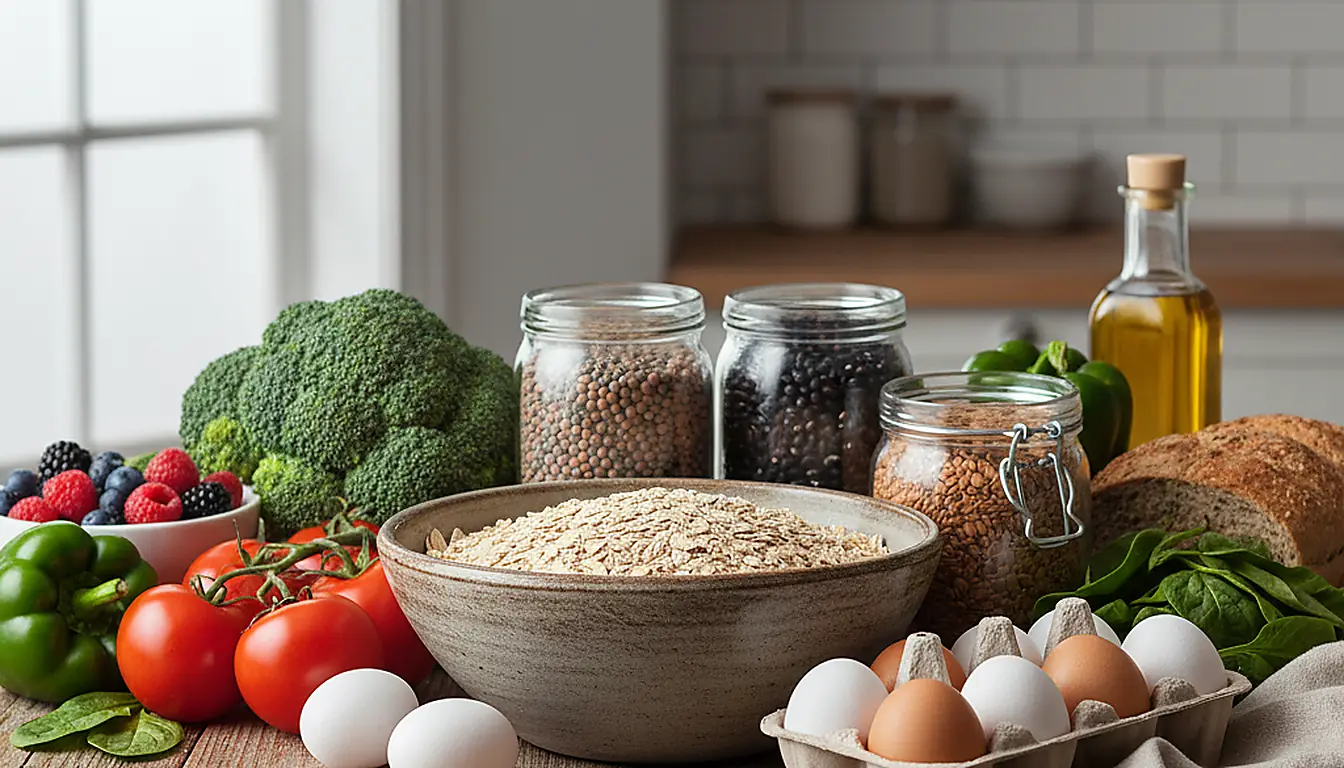
Good sources of protein: Lean meats, poultry, fish, eggs, Greek yogurt, lentils, beans, tofu, protein powder (whey, casein, or plant-based).
2. Fiber Intake: The Unsung Hero of Digestion and Health
Fiber is another nutritional powerhouse that often gets overlooked. It’s a type of carbohydrate that your body can’t digest, but it plays a crucial role in digestion, blood sugar control, and overall health.
Why it matters:
- Digestion: Fiber helps regulate bowel movements and prevents constipation.
- Blood sugar control: Fiber slows down the absorption of sugar into the bloodstream, preventing spikes and crashes.
- Satiety: Like protein, fiber helps you feel full and satisfied, which can aid in weight management.
- Heart health: Fiber can help lower cholesterol levels.
How much should you aim for? Aim for at least 25-35 grams of fiber per day. Most people don’t get nearly enough!
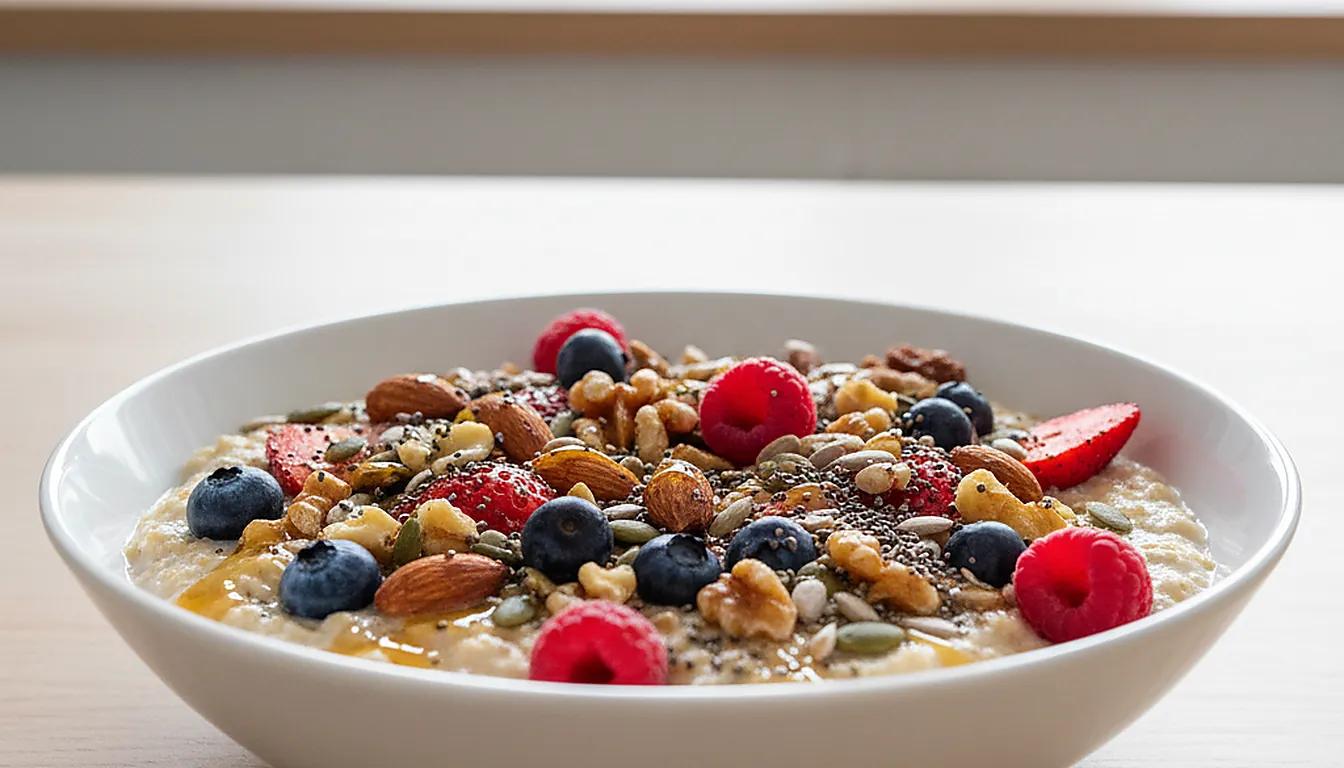
Good sources of fiber: Fruits, vegetables, whole grains, legumes, nuts, and seeds. For example, I add chia seeds to my oatmeal, snack on apples and carrots, and make sure most of my grains are whole. Small tweaks make a big difference!
3. Micronutrient Density: Fueling Your Body with What It Needs
This is where things get really interesting. Micronutrients are vitamins and minerals that are essential for optimal health. They play a role in everything from energy production to immune function to hormone regulation. Instead of focusing solely on calories, prioritize foods that are packed with micronutrients.
Why it matters:
- Energy levels: Micronutrient deficiencies can lead to fatigue and low energy levels.
- Immune function: Certain vitamins and minerals, like vitamin C and zinc, are crucial for a strong immune system.
- Overall health: Micronutrients are involved in countless bodily processes, and deficiencies can lead to a variety of health problems.
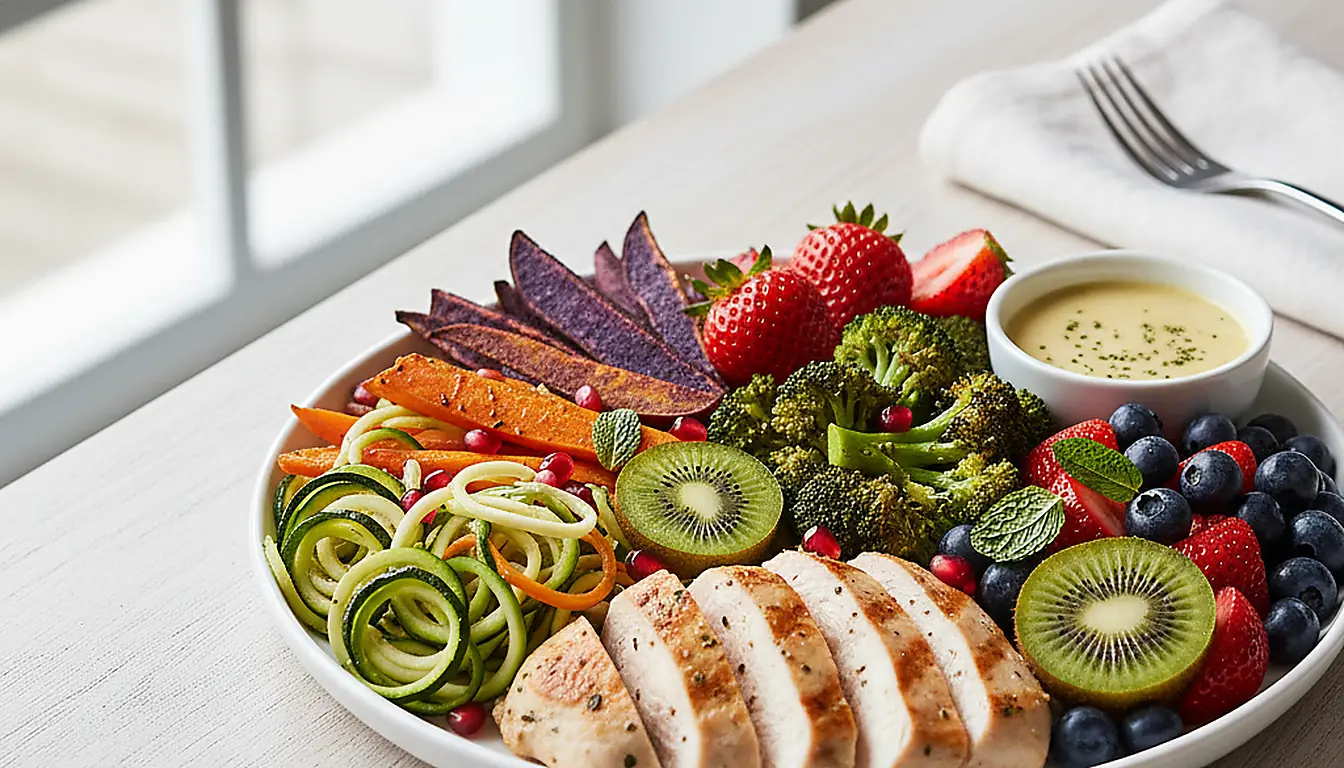
How to prioritize micronutrients: Focus on eating a variety of whole, unprocessed foods. Think colorful fruits and vegetables, lean proteins, and healthy fats. The more variety you eat, the more likely you are to get all the micronutrients you need.
This small shift made a visible difference.
Good sources of micronutrients: Leafy greens, berries, citrus fruits, bell peppers, salmon, nuts, seeds, and whole grains. A diverse diet is KEY!
My Personal Story: From Calorie Obsession to Nutritional Freedom
I used to be *so* caught up in calorie counting. I would literally track every single bite I took, and I felt incredibly guilty if I went over my self-imposed limit. I was constantly stressed, and I wasn’t even enjoying my food. It was exhausting.
Then, I started learning more about nutrition and realized that calories weren’t the whole story. I shifted my focus to protein, fiber, and micronutrient density. I started eating more whole, unprocessed foods, and I stopped worrying so much about the numbers.
The result? I felt amazing! My energy levels soared, I started building lean muscle, and I felt so much more relaxed and happy. Ditching the calorie counting obsession was the best thing I ever did for my physical and mental health. And truthfully, that’s why I share this with you – because I want you to experience that same freedom.
Stop Counting Calories and Start Living!
Look, I get it. Letting go of calorie counting can be scary. It feels like you’re losing control. But trust me, it’s worth it. When you focus on protein, fiber, and micronutrient density, you’re nourishing your body with what it *really* needs, and you’re freeing yourself from the stress and anxiety of calorie counting. So, ditch the app, grab some colorful veggies, and start enjoying your food again! You deserve it. You can absolutely achieve your goals without overthinking.
Ready to Ditch the Calorie Counting and Embrace a Healthier Approach? Here’s a Quick Checklist:
- Track your protein intake for a week: See how much you’re currently getting and identify areas for improvement.
- Load up on fiber-rich foods: Add more fruits, vegetables, whole grains, and legumes to your diet.
- Focus on micronutrient density: Eat a variety of colorful, whole, unprocessed foods.
- Be patient and kind to yourself: It takes time to change your habits. Don’t get discouraged if you slip up. Just keep moving forward.
You’ve got this! Let me know in the comments if you’re ready to ditch the calorie counting and embrace a healthier, more sustainable approach to nutrition!
Key Takeaways
- Are You Obsessed With Counting Calories? You’re Not Alone!
- Why Calorie Counting Can Be Misleading (and Seriously Annoying)
- The 3 Nutritional Metrics That Actually Matter (According to Me!)
- 1. Protein Intake: The Building Block of Everything
- 2. Fiber Intake: The Unsung Hero of Digestion and Health