
Hey friends! Let’s Talk Niacinamide
Okay, so you’ve probably heard the buzz about niacinamide. It’s *everywhere* in skincare right now, and honestly, it can be a little overwhelming trying to figure out what it is, what it does, and if you even need it. Trust me, I get it. I remember staring at a shelf full of serums, feeling like I needed a PhD in chemistry just to pick one. So, I’m here to break it down for you, friend-to-friend, in this beginner’s guide to understanding and using niacinamide. No jargon, no confusing science talk – just real advice from someone who’s been there, tried that, and seen the results.
What Exactly *Is* Niacinamide?
Let’s get the technical stuff out of the way quickly. Niacinamide is a form of vitamin B3, an essential nutrient for, well, pretty much everything in your body, including your skin. It’s a powerhouse ingredient that’s known for its multiple benefits. Think of it as the ultimate multi-tasker in your skincare routine. It’s a water-soluble vitamin, meaning your body doesn’t store it, so you need to replenish it regularly – either through diet or topical application. I always try to think of it as feeding my skin the good stuff!
Why All the Hype? The Benefits of Niacinamide
Okay, so here’s where things get exciting. Niacinamide is seriously a game-changer. It’s not just a trend; it’s an ingredient that backs up the hype. I’ve personally seen a noticeable difference in my skin since incorporating it into my routine. Here’s a rundown of the benefits:
- Reduces Redness and Inflammation: This is huge, especially if you struggle with sensitive skin like I do. Niacinamide calms things down and helps even out your skin tone.
- Minimizes Pore Appearance: Say goodbye to those pesky enlarged pores! Niacinamide helps to tighten and refine them over time.
- Regulates Oil Production: Oily skin? Niacinamide can help balance things out, preventing that midday shine. Dry skin? It also helps improve the skin’s natural barrier, reducing moisture loss. It’s all about balance, folks!
- Protects Against Sun Damage: While it’s not a substitute for sunscreen (always wear sunscreen!), niacinamide helps protect your skin from UV damage and environmental stressors.
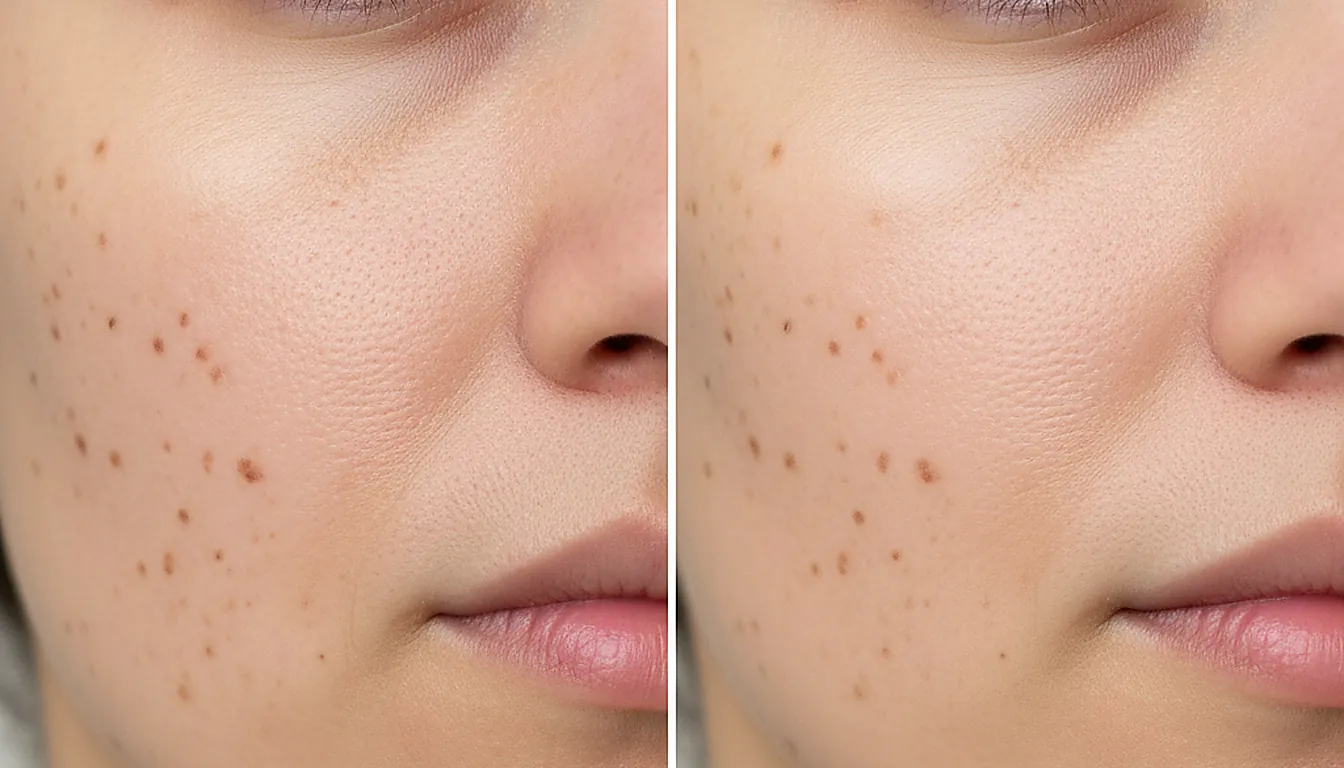
- Treats Hyperpigmentation: Got dark spots or acne scars? Niacinamide can help fade them over time, leaving you with a brighter, more even complexion. This one is probably my favorite benefit.
- Improves Skin Texture: Forget rough, bumpy skin. Niacinamide promotes smoother, softer skin.
My Niacinamide Story: From Skeptic to Believer
Alright, time for a little story. When I first heard about niacinamide, I was *so* skeptical. Another miracle ingredient? Yeah, right. I had tried so many things that promised the world and delivered… well, nothing. But my skin was a mess. I was dealing with redness, enlarged pores, and the beginnings of some fine lines. So, I figured, what did I have to lose?
I started with a low-concentration niacinamide serum and slowly worked my way up. The first few weeks, I didn’t notice much. But then, one day, I looked in the mirror and realized my skin wasn’t as red as it usually was. My pores looked a little smaller. And my overall complexion just seemed…brighter. It wasn’t an overnight miracle, but it was progress. And that progress kept happening. Now, niacinamide is a staple in my routine, and I honestly can’t imagine my skin without it. I’m a niacinamide believer for life.
How to Incorporate Niacinamide Into Your Routine
Okay, you’re convinced, right? Ready to give niacinamide a try? Here’s how to do it:
- Start Low and Go Slow: This is key, especially if you have sensitive skin. Look for a serum with a concentration of 2-5%. You can always increase the concentration later if your skin tolerates it well.
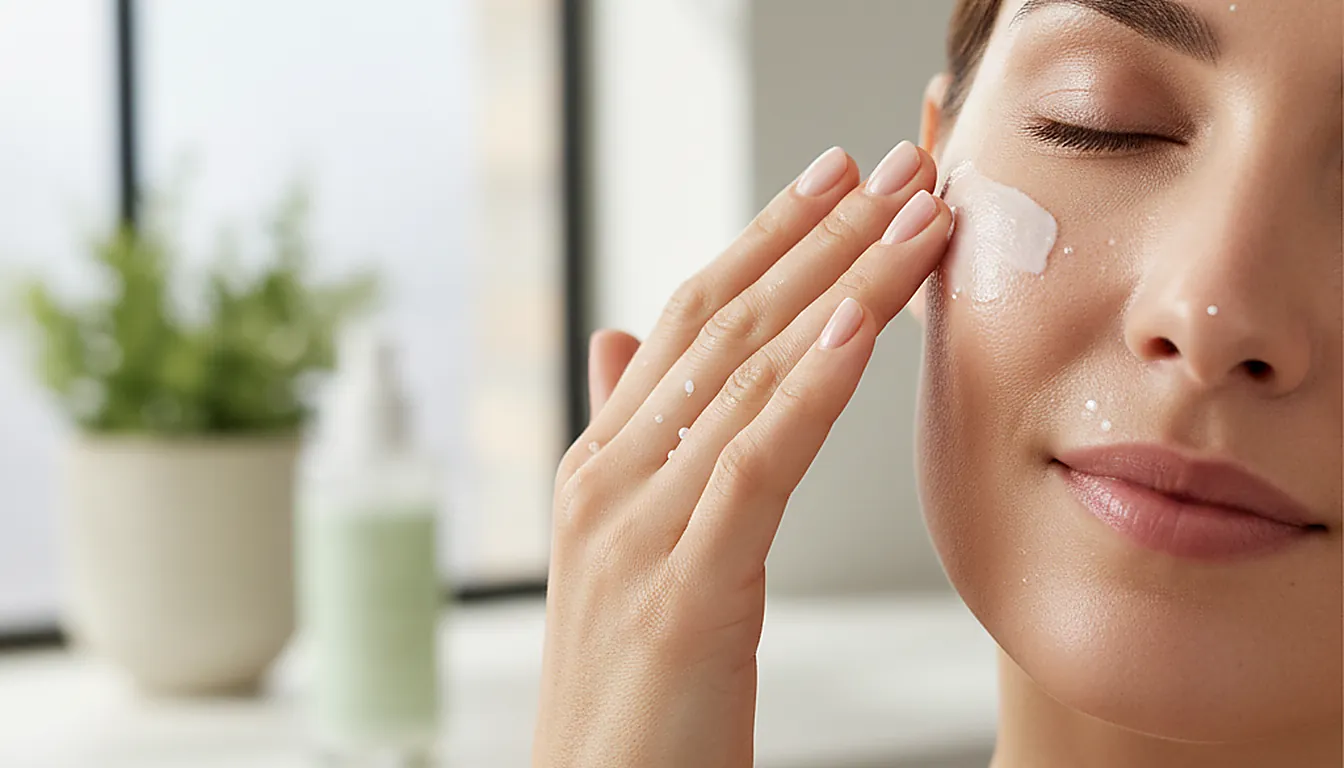
- Apply After Cleansing and Toning: Niacinamide serums are typically applied after cleansing and toning, but before heavier creams and oils. Think thin to thick!
- Pair with Hydrating Ingredients: Niacinamide works well with hydrating ingredients like hyaluronic acid. I love to layer them together for extra moisture.
- Use Morning and Night: You can use niacinamide both morning and night. Just be sure to follow up with sunscreen in the morning!
- Be Patient: Like any skincare ingredient, it takes time to see results. Stick with it for at least a few weeks to see the full benefits.
Things to Watch Out For
Niacinamide is generally well-tolerated, but there are a few things to keep in mind:
- Purging: Some people experience a temporary “purge” when they start using niacinamide. This is when your skin seems to get worse before it gets better. It’s usually a sign that the ingredient is working, but it can be discouraging. If it’s too much, reduce the frequency of use or try a lower concentration.
- Irritation: If you experience irritation, redness, or dryness, stop using the product and consult a dermatologist. It’s possible you’re allergic or that the concentration is too high for your skin.
- Pairing with Vitamin C: There’s a lot of debate about whether you can use niacinamide and vitamin C together. Some say they cancel each other out, while others say it’s fine. To be on the safe side, I prefer to use them at different times of the day – vitamin C in the morning and niacinamide at night.
Niacinamide Product Recommendations
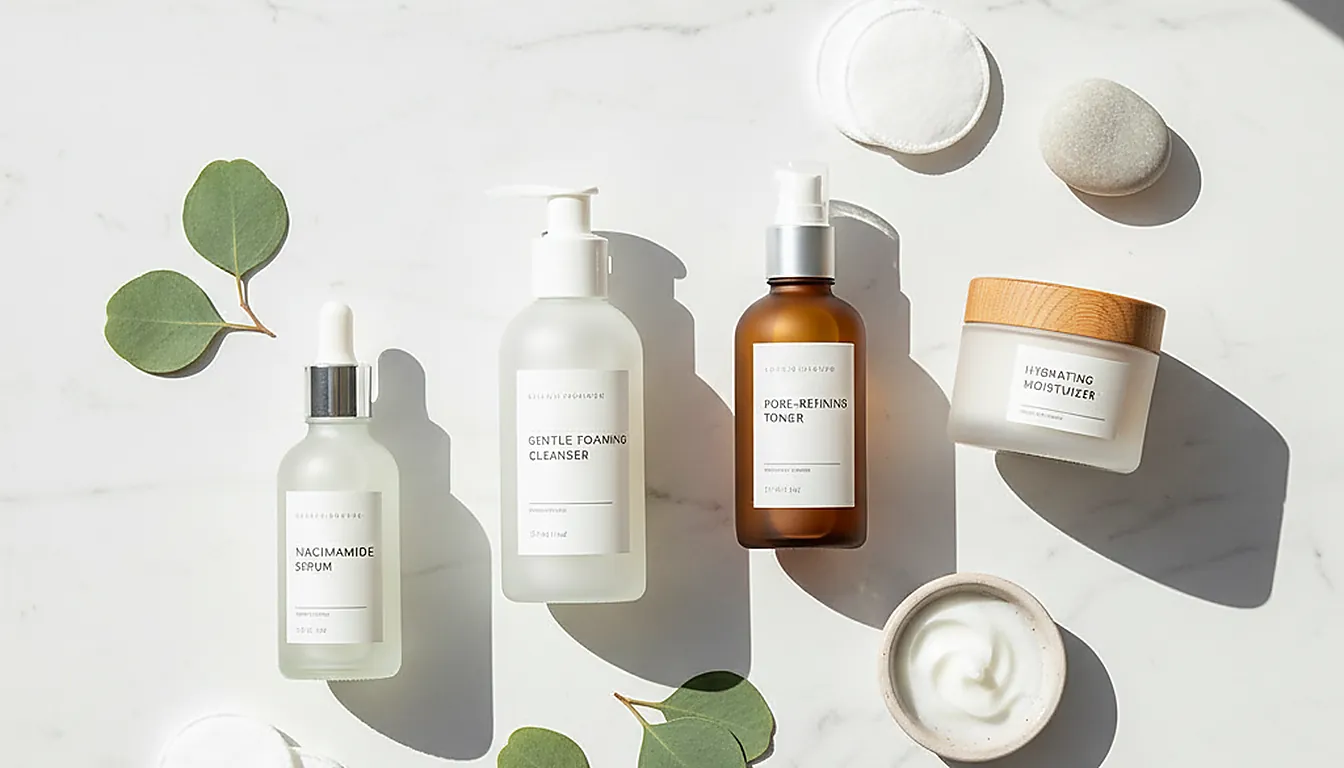
I don’t want to overwhelm you, but here are a couple of my favorite niacinamide products to get you started. Remember, everyone’s skin is different, so what works for me might not work for you. But these are a good place to start your search for niacinamide.
Who Should Use Niacinamide?
Honestly, I think almost everyone can benefit from using niacinamide. It’s a versatile ingredient that addresses a wide range of skin concerns. If you’re dealing with redness, enlarged pores, oily skin, hyperpigmentation, or dullness, niacinamide might be the answer you’ve been looking for.
The Final Verdict: Is Niacinamide Worth the Hype?
This small shift made a visible difference.
Table of Contents
- Hey friends! Let’s Talk Niacinamide
- What Exactly *Is* Niacinamide?
- Why All the Hype? The Benefits of Niacinamide
- My Niacinamide Story: From Skeptic to Believer
- How to Incorporate Niacinamide Into Your Routine
- Things to Watch Out For
- Niacinamide Product Recommendations
- Who Should Use Niacinamide?
- The Final Verdict: Is Niacinamide Worth the Hype?
- Frequently Asked Questions
- What exactly *is* Niacinamide?
- What are the main benefits of using Niacinamide?
Absolutely! In my opinion, niacinamide is one of the best skincare ingredients out there. It’s effective, well-tolerated, and addresses a multitude of concerns. If you’re looking to improve your skin’s overall health and appearance, give it a try. Start slow, be patient, and listen to your skin. You might just be amazed at the results!
So, there you have it – The Beginner’s Guide to Understanding and Using Niacinamide. I hope this has been helpful and that you feel a little less overwhelmed and a little more confident about incorporating this amazing ingredient into your routine. Happy skincare-ing, friends!
Frequently Asked Questions
What exactly *is* Niacinamide?
Niacinamide is a form of vitamin B3, an essential nutrient for overall health and particularly beneficial for the skin. It’s a water-soluble vitamin, meaning the body doesn’t store it, so it needs regular replenishment through diet or topical application.
What are the main benefits of using Niacinamide?
Niacinamide offers a range of benefits, including reducing redness and inflammation, minimizing pore appearance, regulating oil production, protecting against sun damage, treating hyperpigmentation, and improving skin texture.
How do I incorporate Niacinamide into my skincare routine?
Start with a low concentration (2-5%) serum after cleansing and toning, before heavier creams. Pair it with hydrating ingredients like hyaluronic acid. Use morning and night, followed by sunscreen in the morning. Be patient, as results take time.
What should I watch out for when using Niacinamide?
Some people experience purging, where the skin temporarily worsens. Irritation can occur, indicating an allergy or too high concentration. It’s debated whether to combine it with vitamin C; using them at different times is a safe bet.
Who should use Niacinamide?
Almost everyone can benefit, especially those dealing with redness, enlarged pores, oily skin, hyperpigmentation, or dullness. It’s a versatile ingredient addressing a wide range of skin concerns.
Can Niacinamide be used for sensitive skin?
Yes, it can be! But it’s crucial to start with a low concentration (2-5%) to test tolerance, and always observe for any signs of irritation. If sensitivity occurs, reduce frequency or discontinue use.
Key Takeaways
- Hey friends! Let’s Talk Niacinamide
- What Exactly *Is* Niacinamide?
- Why All the Hype? The Benefits of Niacinamide
- My Niacinamide Story: From Skeptic to Believer
- How to Incorporate Niacinamide Into Your Routine