Hey there, friend! Let’s Talk Herbs and Spices
Okay, so, you know how sometimes you’re just staring into your fridge, feeling totally uninspired about what to cook? Yeah, me too. Happens all the time. But lately, I’ve been experimenting with something that’s totally changed the game: herbs and spices! And I’m so excited to share the beginner’s guide to using herbs and spices for flavor and health with you. They’re not just for fancy chefs, you know? They’re actually super easy to use, and they can seriously amp up the flavor of your food while boosting your well-being.
Table of Contents
- Hey there, friend! Let’s Talk Herbs and Spices
- My Over-Salted Awakening
- Getting Started: Building Your Spice Rack
- Essential Herbs and Spices to Start With
- Fresh vs. Dried: What’s the Deal?
- Using Herbs and Spices: A Few Simple Tips
- Spice Up Your Health: Beyond Flavor
- Simple Recipes to Get You Started
- Roasted Vegetables with Herbs
- Spiced Chickpea Soup
- Common Pitfalls and How to Avoid Them
- The Takeaway
Seriously, think about it. A pinch of turmeric here, a sprinkle of oregano there… suddenly, your boring chicken breast becomes a Mediterranean masterpiece (okay, maybe not *masterpiece*, but you get the idea!). And the best part? Many herbs and spices are packed with antioxidants and other good-for-you compounds. It’s like flavor with benefits! I know I could use some extra antioxidants, and maybe you can too.
My Over-Salted Awakening
For years, my cooking was…well, let’s just say it was functional. Salt, pepper, maybe some garlic powder if I was feeling adventurous. I thought adding flavor meant adding *more* salt. Which, surprise, surprise, didn’t exactly make me feel amazing. I always felt bloated and honestly, kind of blah. Then, one day, I stumbled upon a cooking class that focused entirely on herbs and spices. It was a revelation! I learned how different herbs and spices can complement each other, how to use them fresh versus dried, and how they can impact your health. It changed everything.
That class was where I really started to understand the beginner’s guide to using herbs and spices for flavor and health. It wasn’t just about making food taste better; it was about making me feel better too. Now, my spice rack is my happy place, and I’m constantly experimenting with new flavor combinations.Why Bother with Herbs and Spices Anyway?
Before we dive into the nitty-gritty, let’s quickly cover why you should even care about herbs and spices. Besides making your food taste incredible (which, let’s be honest, is reason enough!), they offer a ton of health benefits. We’re talking about:
- Boosting your immune system: Many herbs and spices have antiviral and antibacterial properties.
- Reducing inflammation: Turmeric, ginger, and cinnamon are powerhouses when it comes to fighting inflammation.
- Improving digestion: Ginger, peppermint, and chamomile can soothe your stomach and aid digestion.
- Adding flavor without adding calories: This is a big one! You can make your food taste amazing without piling on the salt, sugar, or unhealthy fats.
Getting Started: Building Your Spice Rack
Okay, so you’re sold on the idea. Awesome! Now, where do you start? Don’t feel like you need to buy everything at once. Building your spice rack is a journey, not a race. Start with a few essentials and then gradually add more as you experiment and discover your favorite flavors.
Essential Herbs and Spices to Start With
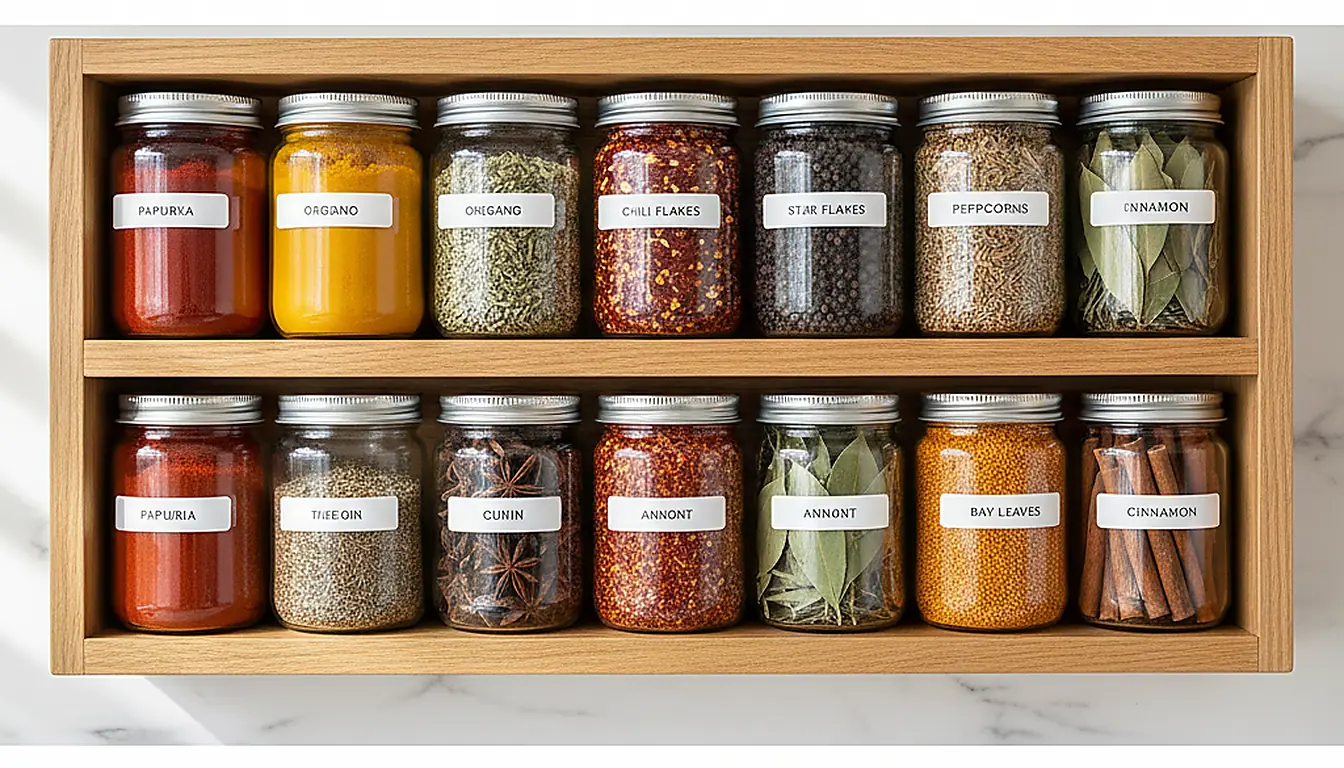
Here are a few must-haves to get you started. These are the workhorses of my kitchen, and I use them almost daily:
- Basil: Perfect for Italian dishes, salads, and pesto.
- Oregano: Another Italian staple, great for pizza, pasta sauces, and roasted vegetables.
- Thyme: Earthy and aromatic, delicious with meats, poultry, and soups.
- Cumin: Warm and earthy, essential for Mexican and Indian cuisine.
- Coriander: Citrusy and slightly sweet, pairs well with cumin in many dishes.
- Turmeric: Earthy and slightly bitter, known for its anti-inflammatory properties. I add it to smoothies, soups, and curries.
- Cinnamon: Warm and sweet, perfect for baking, oatmeal, and even savory dishes like stews.
- Garlic Powder: Because garlic makes everything better, right?
- Onion Powder: Another flavor booster that adds depth to many dishes.
Fresh vs. Dried: What’s the Deal?
This is a question I get asked *all* the time. The general rule of thumb is that fresh herbs have a milder flavor than dried herbs, so you’ll typically need to use more of them. A good conversion is usually 1 tablespoon of fresh herbs for every 1 teaspoon of dried herbs. Think about the dishes you make. Start with dried and branch out to fresh when you have a surplus.
Using Herbs and Spices: A Few Simple Tips
Alright, now for the fun part! Here are a few tips to help you get the most out of your herbs and spices:
- Store them properly: Keep your herbs and spices in airtight containers away from heat, light, and moisture. This will help them retain their flavor and potency.
- Don’t be afraid to experiment: This is key! The best way to learn is to try new things and see what you like. Start small and gradually increase the amount you use.
- Toast your spices: Toasting spices in a dry pan for a few minutes before using them can really enhance their flavor. Just be careful not to burn them!
- Add herbs and spices at the right time: Add dried herbs and spices early in the cooking process to allow their flavors to develop. Add fresh herbs towards the end to preserve their freshness and aroma.
Spice Up Your Health: Beyond Flavor
Remember how I mentioned the health benefits? Let’s dive a bit deeper into some of the stars of the show:
- Turmeric for inflammation: The active compound in turmeric, curcumin, has powerful anti-inflammatory and antioxidant properties.
- Ginger for digestion: Ginger can help relieve nausea, reduce bloating, and improve digestion.
- Cinnamon for blood sugar control: Cinnamon may help improve insulin sensitivity and lower blood sugar levels.
- Garlic for immunity: Garlic has antiviral and antibacterial properties that can help boost your immune system.
- Rosemary for memory: Rosemary has been shown to improve memory and cognitive function.
These are just a few examples, but the point is that herbs and spices can be a valuable addition to a healthy diet.
Simple Recipes to Get You Started
Okay, enough talking! Let’s get cooking! Here are a couple of super simple recipes to get you started on your herb and spice adventure:
Roasted Vegetables with Herbs
If you’re like me, you’ll appreciate this detail.
This is a great way to use up whatever vegetables you have on hand. My personal favorites are broccoli, carrots, and bell peppers.
- Preheat your oven to 400°F (200°C).
- Chop your vegetables into bite-sized pieces.
- Toss them with olive oil, salt, pepper, garlic powder, onion powder, and your favorite herbs (I like oregano and thyme).
- Spread them out on a baking sheet and roast for 20-25 minutes, or until tender.
Spiced Chickpea Soup
This soup is warm, comforting, and packed with flavor. Plus, it’s super easy to make!
- Heat olive oil in a pot over medium heat.
- Add chopped onion, garlic, and ginger and cook until softened.
- Add cumin, coriander, turmeric, and chili powder and cook for another minute.
- Add a can of chickpeas (drained and rinsed), vegetable broth, and diced tomatoes.
- Bring to a boil, then reduce heat and simmer for 15-20 minutes.
- Season with salt and pepper to taste.
Common Pitfalls and How to Avoid Them
Even with the best intentions, things can go wrong. Here are a few common mistakes and how to fix them:
- Over-spicing: Start small! You can always add more, but you can’t take it away.
- Burning spices: Toasting spices is great, but keep a close eye on them. Burnt spices taste bitter and can ruin your dish.
- Using old spices: Spices lose their flavor over time. If your spices are more than a year old, it’s probably time to replace them.
The Takeaway
Adding herbs and spices to your cooking is a fantastic way to boost flavor and improve your health. Don’t be afraid to experiment and discover your favorite combinations. Remember the beginner’s guide to using herbs and spices for flavor and health is about a journey of discovery, not an overnight transformation. So, go ahead, spice up your life!
Ready to Get Started? A Quick Checklist
- [ ] Inventory your current spice rack.
- [ ] Identify 3-5 essential herbs and spices to add.
- [ ] Plan a simple recipe using your new spices.
- [ ] Shop for your herbs and spices.
- [ ] Get cooking!
Key Takeaways
- Hey there, friend! Let’s Talk Herbs and Spices
- My Over-Salted Awakening
- Getting Started: Building Your Spice Rack
- Essential Herbs and Spices to Start With
- Fresh vs. Dried: What’s the Deal?