
Hey Friends! Ever Wondered About *That* Burning Sensation?
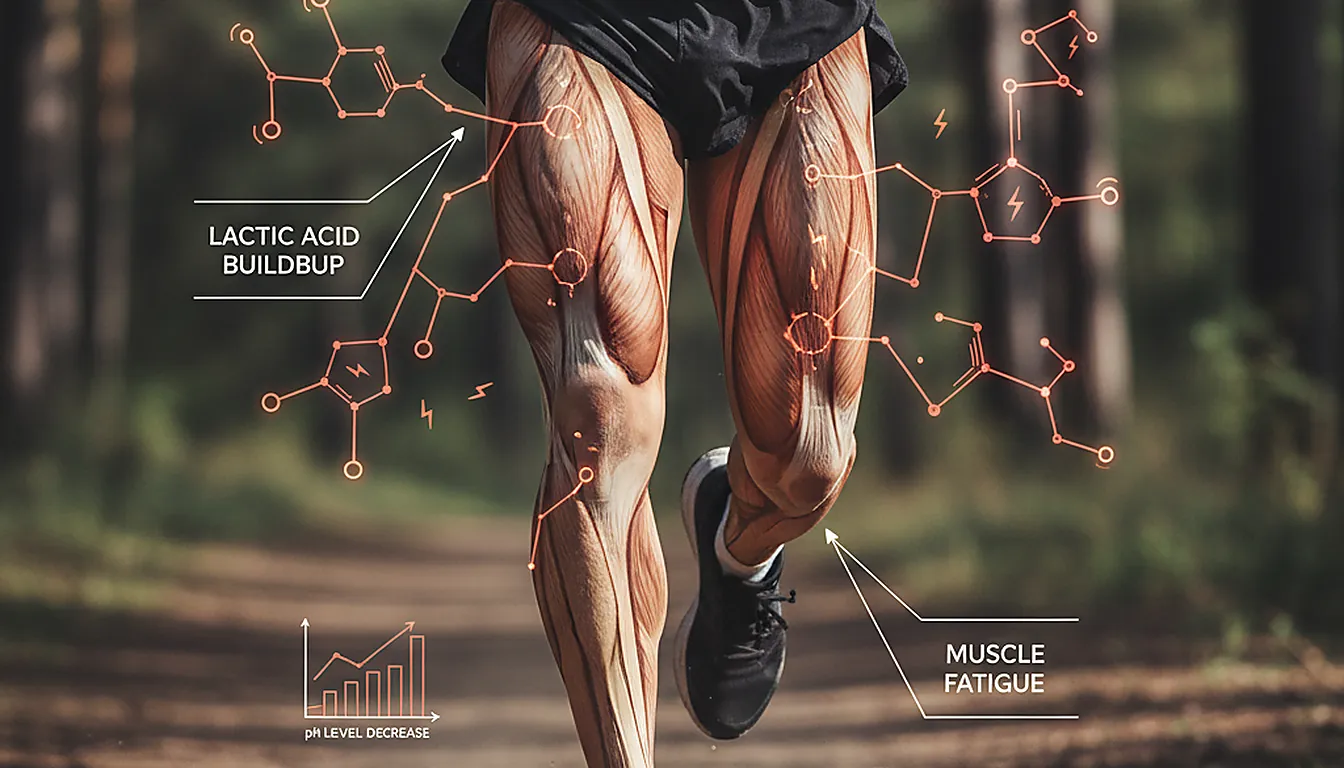
Okay, let’s be real. We’ve all been there. You’re crushing it in your workout, feeling like a total rockstar, and then BAM! That burning sensation hits your muscles like a ton of bricks. It’s enough to make you want to throw in the towel, right? Well, today we’re diving deep into *The Science Behind Lactic Acid and How to Push Past the Burn*. I promise, understanding what’s happening in your body can actually help you become stronger and more resilient.
For years, lactic acid got a bad rap. It was always blamed for muscle soreness and fatigue. But guess what? The story is way more complex (and way more interesting) than that. So, grab your water bottle, and let’s get started!
My Personal Lactic Acid Rollercoaster
Before we get too scientific, let me tell you a quick story. A few years ago, I decided to train for a half-marathon. Now, I considered myself a pretty fit person, but distance running? That was a whole new ball game. During one particularly brutal training session, I hit a wall around mile 8. My legs felt like they were on fire, and my breathing was ragged. I wanted to quit so badly. I truly did. I could feel the **lactic acid** building up, screaming at me to stop.
But then, I remembered something my coach had told me: “That burn is a sign you’re pushing your limits.” Instead of giving up, I slowed my pace slightly, focused on my breathing, and kept going. It was tough, I’m not gonna lie. But I finished the run, and I felt an incredible sense of accomplishment. More importantly, I learned that understanding and respecting my body’s signals was key to pushing past those perceived limitations. That’s why learning about **lactate threshold** is so important!
So, What *Actually* Is Lactic Acid (or Lactate, Really)?
Okay, time for a little science lesson! The term “lactic acid” is often used interchangeably with “lactate,” but there’s a slight difference. When your body breaks down glucose (sugar) for energy, especially during intense exercise when oxygen supply can’t keep up with energy demand, it produces pyruvate. Pyruvate can then be converted into lactate. This process is part of what’s called anaerobic metabolism. So, **lactate production** is totally normal.
Think of it this way: your muscles are like little engines. When they’re working hard, they need fuel (glucose). If they don’t have enough oxygen to burn that fuel efficiently, they switch to a backup system that produces lactate. It’s an efficient fuel source during exercise and is actually cleared from muscles and used as fuel by other tissues or converted back to glucose.
Debunking the Lactic Acid Myths
For years, lactic acid was the scapegoat for everything from muscle soreness to fatigue. But the truth is, lactate itself doesn’t cause that delayed-onset muscle soreness (DOMS) you feel a day or two after a tough workout. DOMS is more likely related to microscopic muscle damage and inflammation.
And while high levels of lactate *can* contribute to that burning sensation during exercise, it’s not the sole culprit. Other factors, like the accumulation of hydrogen ions (which make your muscles more acidic) also play a role. This is a key factor when you’re trying to **improve athletic performance**.
Understanding the Science Behind Lactic Acid
So, how does lactic acid actually work? Here’s a breakdown of the key processes involved:
* **Glycolysis:** This is the process of breaking down glucose for energy.
* **Pyruvate Production:** Glycolysis produces pyruvate, which can then be converted into lactate.
* **Lactate Shuttle:** Lactate is transported from muscle cells to other tissues, like the liver, where it can be converted back into glucose.
* **Energy Production:** Lactate can be used as a fuel source by other tissues, providing additional energy during exercise. It’s truly a cycle!
Factors That Influence Lactate Production
Several factors can influence how much lactate your body produces during exercise:
* **Intensity:** Higher intensity workouts typically lead to greater lactate production. This is why sprinting will make you feel the burn faster than a leisurely walk.
* **Fitness Level:** More fit individuals tend to produce less lactate at a given intensity. Training helps your body become more efficient at using oxygen.
* **Muscle Fiber Type:** Different muscle fiber types have different metabolic characteristics. Fast-twitch muscle fibers are more prone to lactate production than slow-twitch fibers.
* **Diet:** A diet high in carbohydrates can increase glycogen stores, which can then be broken down into glucose for energy.
How to Push Past the Burn (Without Hating Your Life)
Okay, so now you understand the science behind **lactic acid buildup**. But how do you actually use this knowledge to improve your workouts and push past that dreaded burn? Here are a few strategies that have worked for me (and hopefully will work for you too):
- Warm-Up Properly: Don’t just jump straight into your workout. Spend at least 10-15 minutes warming up your muscles with light cardio and dynamic stretching. This helps prepare your body for the demands of exercise.
- Pace Yourself: Avoid starting too fast, especially if you’re doing a longer workout. Gradually increase the intensity to give your body time to adjust. Find your **optimal performance zone**.
- Focus on Breathing: Deep, controlled breathing can help deliver more oxygen to your muscles and reduce lactate production. Try to synchronize your breathing with your movements.
- Incorporate Interval Training: Interval training involves alternating between high-intensity bursts and periods of rest or low-intensity activity. This can help improve your body’s ability to clear lactate. This relates directly to your **aerobic capacity**.
- Stay Hydrated: Dehydration can impair muscle function and increase lactate production. Drink plenty of water before, during, and after your workouts.
- Listen to Your Body: Don’t push yourself too hard, especially when you’re just starting out. Pay attention to your body’s signals and take breaks when you need them. Recovery is essential for preventing injuries and building strength. And make sure you get enough **muscle recovery** time between workouts.
The Importance of Recovery
Speaking of recovery, it’s crucial for managing lactic acid buildup and preventing muscle soreness. Here are a few recovery strategies to incorporate into your routine:
* **Cool-Down:** After your workout, spend 5-10 minutes cooling down with light cardio and static stretching. This helps your muscles gradually return to their resting state. It’s the opposite of the warm-up, just as essential.
* **Foam Rolling:** Foam rolling can help release muscle tension and improve blood flow, which can aid in lactate clearance. I love using a foam roller on my quads, hamstrings, and calves.
* **Active Recovery:** Light activities like walking or swimming can help promote blood flow and reduce muscle soreness. I often go for a leisurely walk the day after a tough workout.
* **Sleep:** Getting enough sleep is essential for muscle recovery and overall health. Aim for at least 7-8 hours of sleep per night.
Beyond the Burn: Long-Term Strategies for Success
Pushing past the burn isn’t just about surviving a single workout. It’s about developing long-term strategies to improve your fitness and resilience. Here are a few things to consider:
* **Progressive Overload:** Gradually increase the intensity, duration, or frequency of your workouts over time. This challenges your body and forces it to adapt.
* **Cross-Training:** Incorporate different types of exercise into your routine to work different muscle groups and prevent overuse injuries. For example, I might combine running with swimming or cycling.
* **Nutrition:** Fuel your body with a healthy, balanced diet that supports muscle growth and recovery. Make sure you’re getting enough protein, carbohydrates, and healthy fats. This is a HUGE topic, but don’t neglect it.
* **Mindset:** Cultivate a positive and resilient mindset. Believe in your ability to push past challenges and achieve your goals. This is where that initial coaching I got really paid off.
Final Thoughts: Embrace the Challenge!
The next time you feel that burning sensation in your muscles, remember that it’s a sign you’re pushing your limits and growing stronger. Don’t be afraid to embrace the challenge, but always listen to your body and prioritize recovery. With the right knowledge and strategies, you can conquer the lactic acid monster and achieve your fitness goals!
So, what are you waiting for? Go out there and crush it!
Disclaimer: Please consult with a healthcare professional before starting any new exercise program.
Frequently Asked Questions

Here’s where it feels real for me.
Table of Contents
- Hey Friends! Ever Wondered About *That* Burning Sensation?
- My Personal Lactic Acid Rollercoaster
- So, What *Actually* Is Lactic Acid (or Lactate, Really)?
- Debunking the Lactic Acid Myths
- Understanding the Science Behind Lactic Acid
- Factors That Influence Lactate Production
- How to Push Past the Burn (Without Hating Your Life)
- The Importance of Recovery
- Beyond the Burn: Long-Term Strategies for Success
- Final Thoughts: Embrace the Challenge!
- Frequently Asked Questions
- What is lactic acid and how is it produced?
What is lactic acid and how is it produced?
Lactic acid, more accurately referred to as lactate, is produced when your body breaks down glucose for energy during intense exercise, especially when oxygen supply can’t keep up with energy demand. It’s a normal byproduct of anaerobic metabolism.
Does lactic acid cause muscle soreness?
Contrary to popular belief, lactate itself doesn’t cause the delayed-onset muscle soreness (DOMS) you feel a day or two after a tough workout. DOMS is more likely related to microscopic muscle damage and inflammation.
How can I reduce lactic acid buildup during exercise?
You can reduce lactic acid buildup by warming up properly, pacing yourself, focusing on breathing, incorporating interval training, staying hydrated, and listening to your body. These strategies help your body become more efficient at using oxygen.
What is the best way to recover after a workout to minimize muscle soreness?
Effective recovery strategies include cooling down with light cardio and static stretching, foam rolling to release muscle tension, active recovery with light activities, and getting enough sleep (7-8 hours per night) to support muscle recovery.
How does fitness level affect lactic acid production?
More fit individuals tend to produce less lactate at a given intensity. Training helps your body become more efficient at using oxygen, reducing the reliance on anaerobic metabolism and lactate production.
Can diet impact lactic acid production?
Yes, a diet high in carbohydrates can increase glycogen stores, which can then be broken down into glucose for energy. This can potentially influence lactate production, but a balanced diet supporting muscle growth and recovery is generally recommended.
Key Takeaways
- Hey Friends! Ever Wondered About *That* Burning Sensation?
- My Personal Lactic Acid Rollercoaster
- So, What *Actually* Is Lactic Acid (or Lactate, Really)?
- Debunking the Lactic Acid Myths
- Understanding the Science Behind Lactic Acid