Hey there, sweet friend!
Ever find yourself elbow-deep in a bag of cookies, wondering how you got there? Yeah, me too. Like, *way* too many times. We’ve all been there, right? That relentless craving for something sweet, that nagging feeling that only a sugary treat can fix. It’s not just about a lack of willpower, trust me. There’s a whole fascinating world of psychology and biology at play when it comes to understanding why you crave sweets. So, let’s dive in and explore those cravings, shall we?
My Sugar-Fueled Epiphany (and Maybe Yours Too?)
Okay, picture this: Me, deadline looming, fueled by lukewarm coffee and sheer panic. Suddenly, BAM! A craving hits. Not just any craving, but a full-blown, gotta-have-it-NOW desire for chocolate chip cookies. I knew I shouldn’t. I *knew* I’d feel guilty later. But…the craving won. And afterwards, I felt worse and wondered to myself, “Why do I crave sweets so much?!”
That’s when I decided to do some digging. I wanted to understand what was going on beneath the surface, beyond just my sweet tooth calling.
The Biological Culprits Behind Your Sugar Cravings
Let’s start with the science-y stuff. Our bodies are complex machines, and sugar cravings are often rooted in some pretty basic biological functions. It’s not just weakness, it’s wiring!
The Blood Sugar Rollercoaster
When your blood sugar levels drop, your body starts sending out SOS signals, and guess what? Sweet stuff is the fastest way to get that sugar back up. This is especially true if you’re experiencing inconsistent or low blood sugar levels.
* **The Problem:** This is where the problem starts. You grab a sugary snack, your blood sugar spikes, you feel great…for a little while. Then it crashes again, and the craving cycle continues.
* **The Solution:** Opt for complex carbohydrates (like whole grains, fruits, and vegetables) that release energy more slowly and keep your blood sugar levels stable. Small changes can really help manage those sugar cravings.
The Gut-Brain Connection
Did you know your gut has its own little ecosystem of bacteria? And those little guys can actually influence your cravings! Sounds crazy, right? If your gut is dominated by bacteria that thrive on sugar, they’re going to send signals to your brain telling you to feed them what they want.
* **The Problem:** An unhealthy gut can lead to increased sugar cravings and other health issues.
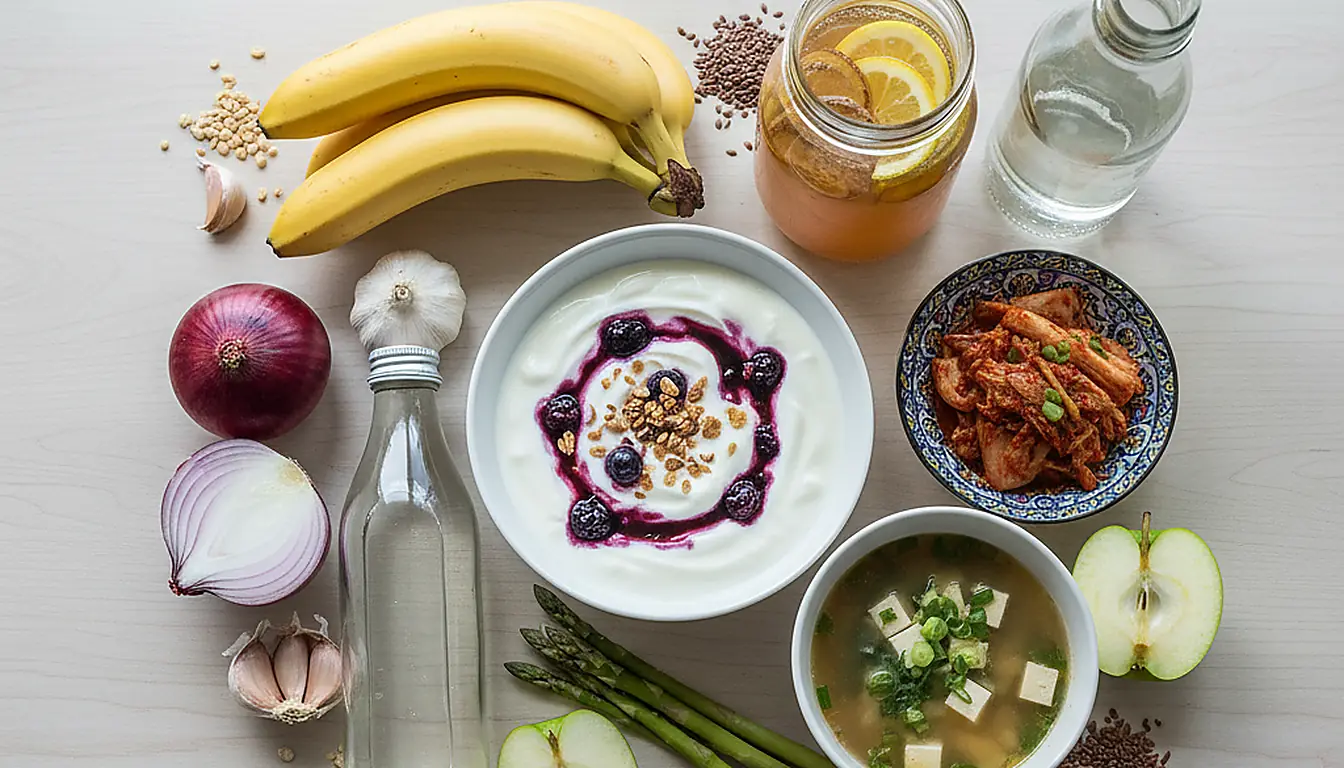
* **The Solution:** Focus on eating a diet rich in fiber, probiotics, and fermented foods to promote a healthy gut microbiome. Think yogurt, kimchi, sauerkraut, and plenty of fruits and veggies. I started adding a daily probiotic supplement, and I noticed a difference, particularly around that time of the month!
Neurotransmitters and the Reward System
Sugar triggers the release of dopamine, a neurotransmitter associated with pleasure and reward. This is why eating something sweet feels so good! It’s like your brain is saying, “Yes! More of this!”
* **The Problem:** Over time, your brain can become reliant on sugar to get that dopamine hit, leading to increased cravings and potential addiction.
* **The Solution:** Find other ways to boost your dopamine levels. Exercise, spending time in nature, listening to music, or even just cuddling with a pet can all do the trick. These alternatives are key to curbing sugar cravings.
The Psychological Game: Why Your Mind Wants Sugar
Okay, biology aside, let’s talk about the mental stuff. Our minds are powerful, and often, our sugar cravings are tied to our emotions, habits, and even our memories.
Emotional Eating
Raise your hand if you’ve ever reached for a pint of ice cream after a bad day. Yep, me too. Emotional eating is a real thing, and it’s often a coping mechanism for dealing with stress, sadness, or boredom.
* **The Problem:** Using sugar as a crutch can lead to a vicious cycle of emotional eating and guilt.
* **The Solution:** Identify your triggers. What situations or emotions make you reach for sweets? Once you know your triggers, you can develop healthier coping strategies. Try going for a walk, talking to a friend, or practicing mindfulness. I’ve found that even just acknowledging the emotion without acting on it can be helpful.
Habit and Conditioning
Sometimes, our cravings are simply a matter of habit. Maybe you always have a cookie with your afternoon coffee, or maybe you grew up associating sweets with celebrations. These associations can create strong cravings over time.
* **The Problem:** These ingrained habits can be tough to break.
* **The Solution:** Be mindful of your habits and try to replace them with healthier alternatives. Instead of a cookie with your coffee, try a piece of fruit or a handful of nuts. Little swaps can make a big difference. And remember, those childhood associations have power so work with them not against them – enjoy an occasional treat without the guilt!
Stress and Cortisol
When you’re stressed, your body releases cortisol, a hormone that can increase your appetite and specifically trigger cravings for sweet and fatty foods. It’s like your body is preparing for a crisis, even if the crisis is just a looming deadline.
* **The Problem:** Chronic stress can lead to chronic sugar cravings.
* **The Solution:** Practice stress-management techniques like meditation, yoga, or deep breathing exercises. Even just taking a few minutes to de-stress can help reduce those stress-induced cravings. Honestly, a 5-minute guided meditation app has been a lifesaver for me. Look up mindful eating practices, too.
Immediate Strategies to Tame Your Inner Sugar Monster
Okay, so now we know *why* we crave sweets. But what can we *do* about it? Here are some immediate strategies you can try the next time a craving hits. These are tried and true, from personal experience!
1. **Drink Water:** Often, we mistake thirst for hunger or cravings. Before you reach for that sugary snack, drink a glass of water and wait a few minutes. You might be surprised at how effective this is.
2. **Distract Yourself:** Cravings often pass if you can just distract yourself long enough. Go for a walk, listen to music, call a friend, or do something that takes your mind off the craving.
3. **Reach for Protein and Healthy Fats:** These nutrients can help stabilize your blood sugar levels and keep you feeling full, reducing the likelihood of cravings. Try a handful of nuts, a piece of cheese, or some Greek yogurt.
4. **Mindful Eating:** If you do decide to indulge, do it mindfully. Pay attention to the taste, texture, and smell of the food. Savor each bite. This can help you feel more satisfied and less likely to overeat. Turn off distractions and focus on your food.
5. **Don’t Deprive Yourself:** Deprivation can backfire and lead to even stronger cravings. Allow yourself occasional treats, but focus on moderation and balance.
Final Thoughts: You’ve Got This!

If you’re like me, you’ll appreciate this detail.
Table of Contents
- Hey there, sweet friend!
- My Sugar-Fueled Epiphany (and Maybe Yours Too?)
- The Biological Culprits Behind Your Sugar Cravings
- The Blood Sugar Rollercoaster
- The Gut-Brain Connection
- Neurotransmitters and the Reward System
- The Psychological Game: Why Your Mind Wants Sugar
- Emotional Eating
- Habit and Conditioning
- Stress and Cortisol
- Immediate Strategies to Tame Your Inner Sugar Monster
- Final Thoughts: You’ve Got This!
Understanding why you crave sweets is the first step to taking control of your cravings. Remember, it’s not about being perfect. It’s about being aware and making informed choices. It’s okay to indulge sometimes, but it’s also important to develop healthier habits and coping strategies. You are not weak! You are human! I know you can do this. And hey, if you need a little extra support, reach out. We’re all in this together!
So, the next time you find yourself staring down a bag of cookies, remember this: You have the power to make a different choice. You have the knowledge to understand your cravings. And you have the support to create a healthier, happier you.
Frequently Asked Questions
What are the main biological reasons why I crave sweets?
The main biological reasons include blood sugar fluctuations, imbalances in your gut microbiome, and the release of dopamine in your brain when you consume sugar.
How does emotional eating contribute to sugar cravings?
Emotional eating is using food, particularly sugary treats, as a coping mechanism for stress, sadness, or boredom. This creates a cycle where emotions trigger cravings, leading to overconsumption and guilt.
What are some immediate strategies to help stop sugar cravings?
Some immediate strategies include drinking water, distracting yourself with an activity, reaching for protein or healthy fats, practicing mindful eating, and not depriving yourself completely.
Can my gut health really affect my sugar cravings?
Absolutely! The bacteria in your gut can influence your cravings. If you have an imbalance, with more sugar-loving bacteria, they will send signals to your brain to crave sugary foods. A healthy gut can reduce those cravings.
How does stress contribute to my sugar cravings?
When you’re stressed, your body releases cortisol, which can increase your appetite and specifically trigger cravings for sweet and fatty foods. Managing stress can reduce those cravings.
Is it okay to indulge in sweets sometimes?
Yes, it’s perfectly fine to indulge occasionally! The key is moderation and balance. Depriving yourself completely can lead to stronger cravings. Focus on developing healthier habits overall and enjoying treats in moderation.
Key Takeaways
- Hey there, sweet friend!
- My Sugar-Fueled Epiphany (and Maybe Yours Too?)
- The Biological Culprits Behind Your Sugar Cravings
- The Blood Sugar Rollercoaster
- The Gut-Brain Connection