How Addressing “Why Your Moisturizer Isn’t Working” Completely Changed My Health Routine (Honest Review)
Hey, it’s me again – your friend who’s battled dry, irritated skin for what feels like forever. Today, I’m sharing my experience with finally figuring out “Why Your Moisturizer Isn’t Working”. No sponsored posts, just real talk after dedicating 8 weeks to repairing my skin’s moisture barrier.
Table of Contents
- Why I Even Started Looking at “Why Your Moisturizer Isn’t Working”
- Understanding the Moisture Barrier
- My Routine Overhaul: The Simple Fixes
- Step 1: Gentle Cleansing
- Step 2: Hydrating Toner/Serum
- Step 3: Moisture Barrier Repair
- Step 4: Sunscreen (Always!)
- Week-by-Week Breakdown – The Real Results
- Week 1: Minimal Changes
- Week 2–3: Noticeable Improvement
- Week 4+: Healthy, Hydrated Skin!
- Product Recommendations: What Worked for Me
Why I Even Started Looking at “Why Your Moisturizer Isn’t Working”
Quick backstory: My skin was constantly dry, flaky, and red, despite religiously applying moisturizer. It felt like I was throwing money away. I was convinced my moisturizer was a dud until I stumbled upon information about the skin’s moisture barrier. I’d tried everything from exfoliating more (terrible idea!) to layering on heavy creams (which just felt greasy).
Understanding the Moisture Barrier
The moisture barrier, also known as the stratum corneum, is the outermost layer of your skin. It’s like a brick wall, with skin cells as the bricks and lipids (ceramides, cholesterol, fatty acids) as the mortar. When this barrier is compromised, your skin can’t retain moisture, leading to dryness, irritation, and even acne.
My Routine Overhaul: The Simple Fixes
My “Why Your Moisturizer Isn’t Working” fix involved a complete routine overhaul focusing on gentle hydration and barrier repair.
Step 1: Gentle Cleansing
I switched to a hydrating, sulfate-free cleanser. Harsh cleansers strip the skin of its natural oils, further damaging the moisture barrier.
Step 2: Hydrating Toner/Serum
I incorporated a hydrating toner with hyaluronic acid. Hyaluronic acid is a humectant, meaning it draws moisture from the air into the skin.
Step 3: Moisture Barrier Repair
This was the key! I added a moisturizer specifically formulated with ceramides. Ceramides help to replenish the lipids in the skin, strengthening the moisture barrier.
Step 4: Sunscreen (Always!)
Sunscreen is crucial for protecting the skin from further damage. I opted for a mineral sunscreen with zinc oxide, which is gentle on sensitive skin.
Week-by-Week Breakdown – The Real Results
Week 1: Minimal Changes
Honestly, I didn’t see much difference at first. My skin still felt a bit dry, but I was determined to stick with the routine.
Week 2–3: Noticeable Improvement
Around week two, I started noticing a difference. My skin felt less tight and itchy. The redness also began to subside.
Week 4+: Healthy, Hydrated Skin!
By week four, my skin was transformed! It was soft, smooth, and hydrated. I even noticed a reduction in fine lines and wrinkles.

If you’re like me, you’ll appreciate this detail.
Product Recommendations: What Worked for Me
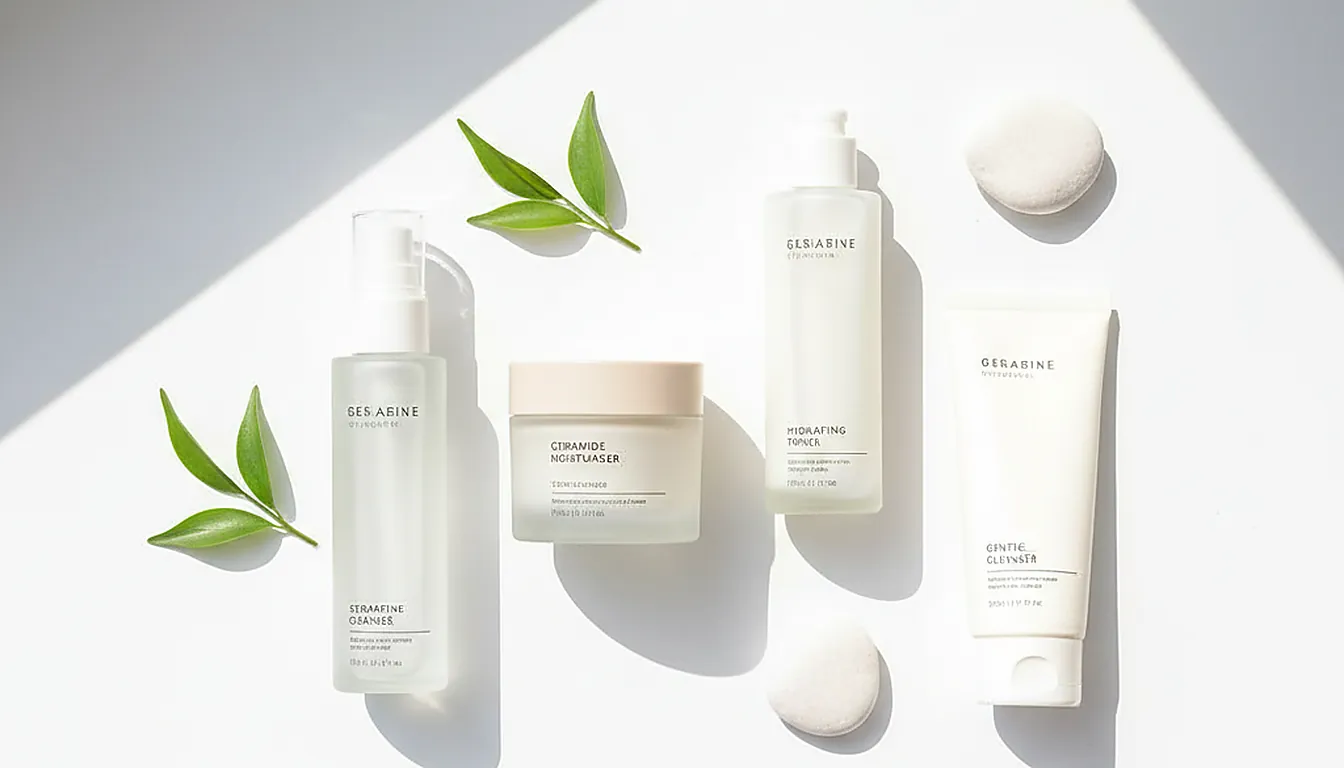
- **Cleanser:** CeraVe Hydrating Facial Cleanser (gentle and effective)
- **Toner:** Paula’s Choice Enriched Calming Toner (hydrating and soothing)
- **Moisturizer:** Paula’s Choice Ceramide Moisturizer (rich in ceramides and antioxidants)
- **Sunscreen:** EltaMD UV Clear Broad-Spectrum SPF 46 (mineral sunscreen, non-comedogenic)
The Downsides (Because They Exist)
- It takes time and consistency to see results.
- Finding the right products can be a bit of trial and error.
- Some ceramide moisturizers can feel a bit heavy.
Who Addressing “Why Your Moisturizer Isn’t Working” Is Actually For
Perfect if you:
- Have dry, dehydrated, or irritated skin.
- Experience redness or flakiness.
- Have tried countless moisturizers with no success.
Probably skip if you:
- Have naturally oily skin and a healthy moisture barrier.
- Are looking for an instant fix.
FAQ About “Why Your Moisturizer Isn’t Working”
How do I know if my moisture barrier is damaged?
Common signs include dryness, flakiness, redness, irritation, sensitivity, and a feeling of tightness after cleansing.
Can over-exfoliating damage my moisture barrier?
Yes! Over-exfoliating can strip the skin of its natural oils and damage the delicate moisture barrier. Limit exfoliation to once or twice a week.
What ingredients should I look for in a moisturizer for a damaged moisture barrier?
Look for ingredients like ceramides, hyaluronic acid, glycerin, and fatty acids.
How long does it take to repair a damaged moisture barrier?
It can take several weeks or even months to fully repair a damaged moisture barrier. Be patient and consistent with your routine.
Can certain skin conditions affect the moisture barrier?
Yes, conditions like eczema, psoriasis, and rosacea can compromise the skin’s moisture barrier.
Final Verdict: Would I Go Back to My Old Routine?
Absolutely not! Addressing “Why Your Moisturizer Isn’t Working” by focusing on moisture barrier repair has completely transformed my skin. It’s no longer dry, irritated, and flaky. It’s healthy, hydrated, and glowing.
If you’re struggling with dry, irritated skin, I highly recommend focusing on repairing your moisture barrier. It could be the simple fix you’ve been searching for.
Related Posts You’ll Probably Like
- The Ultimate Guide to Hyaluronic Acid
- 5 Signs Your Skin Barrier is Damaged (And How to Fix It)
- The Best Ceramides for Dry, Sensitive Skin
Stay hydrated,
🌿
Key Takeaways
- Why I Even Started Looking at “Why Your Moisturizer Isn’t Working”
- Understanding the Moisture Barrier
- My Routine Overhaul: The Simple Fixes
- Step 1: Gentle Cleansing
- Step 2: Hydrating Toner/Serum