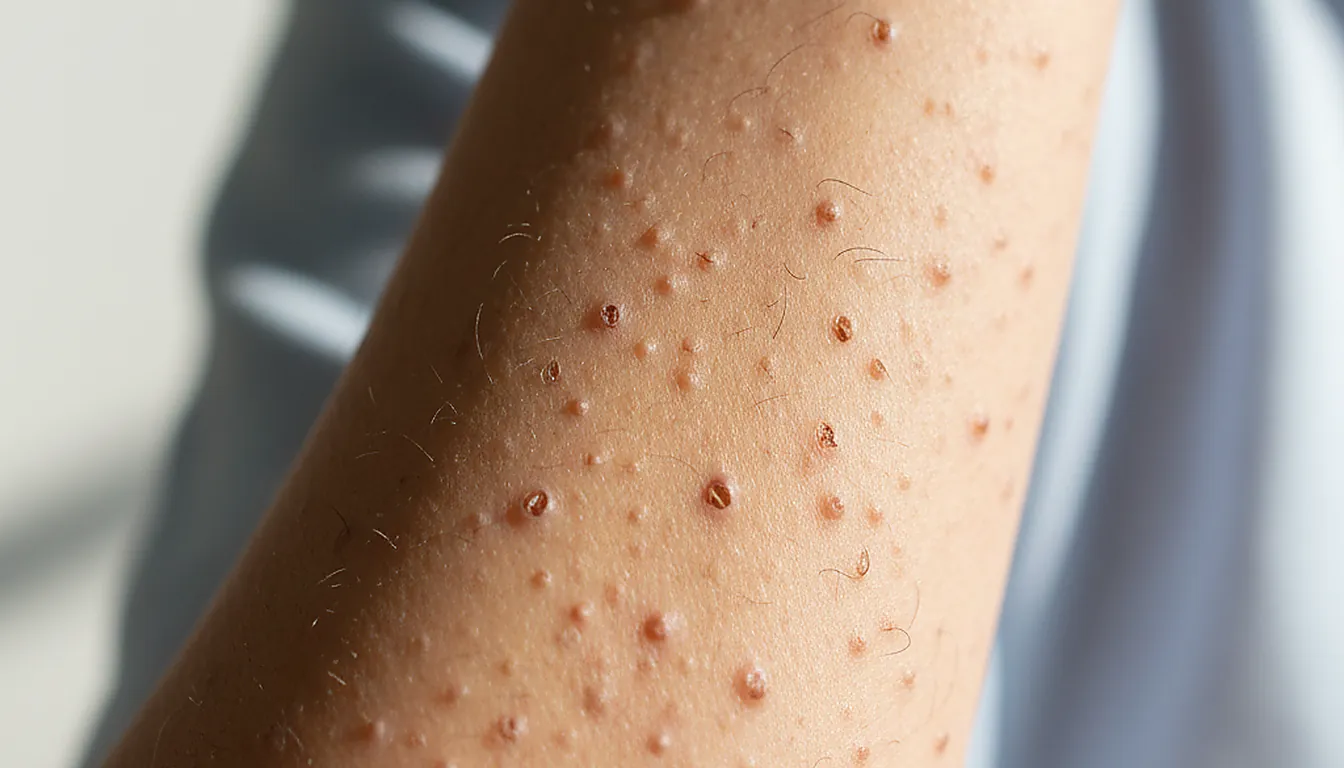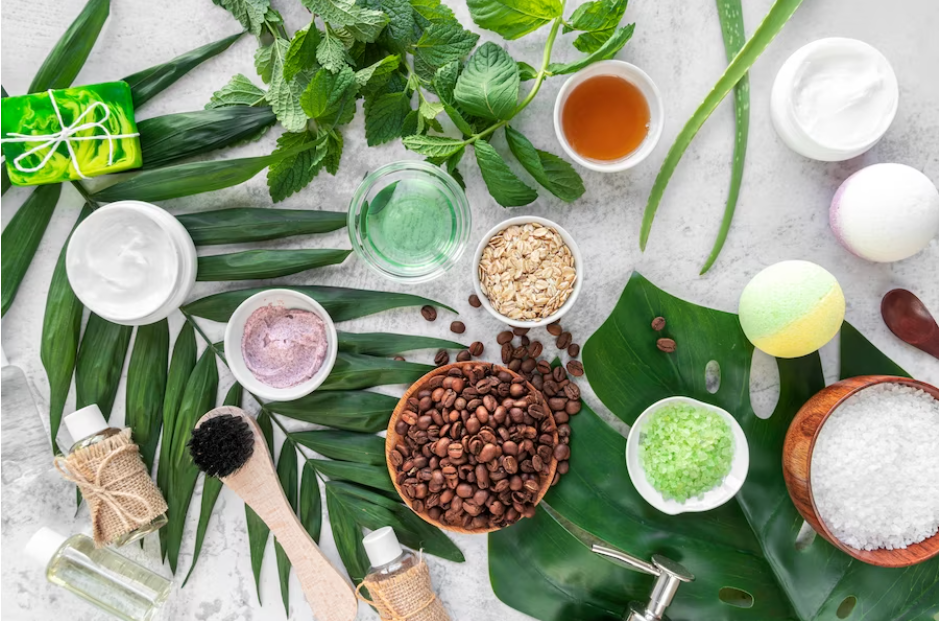
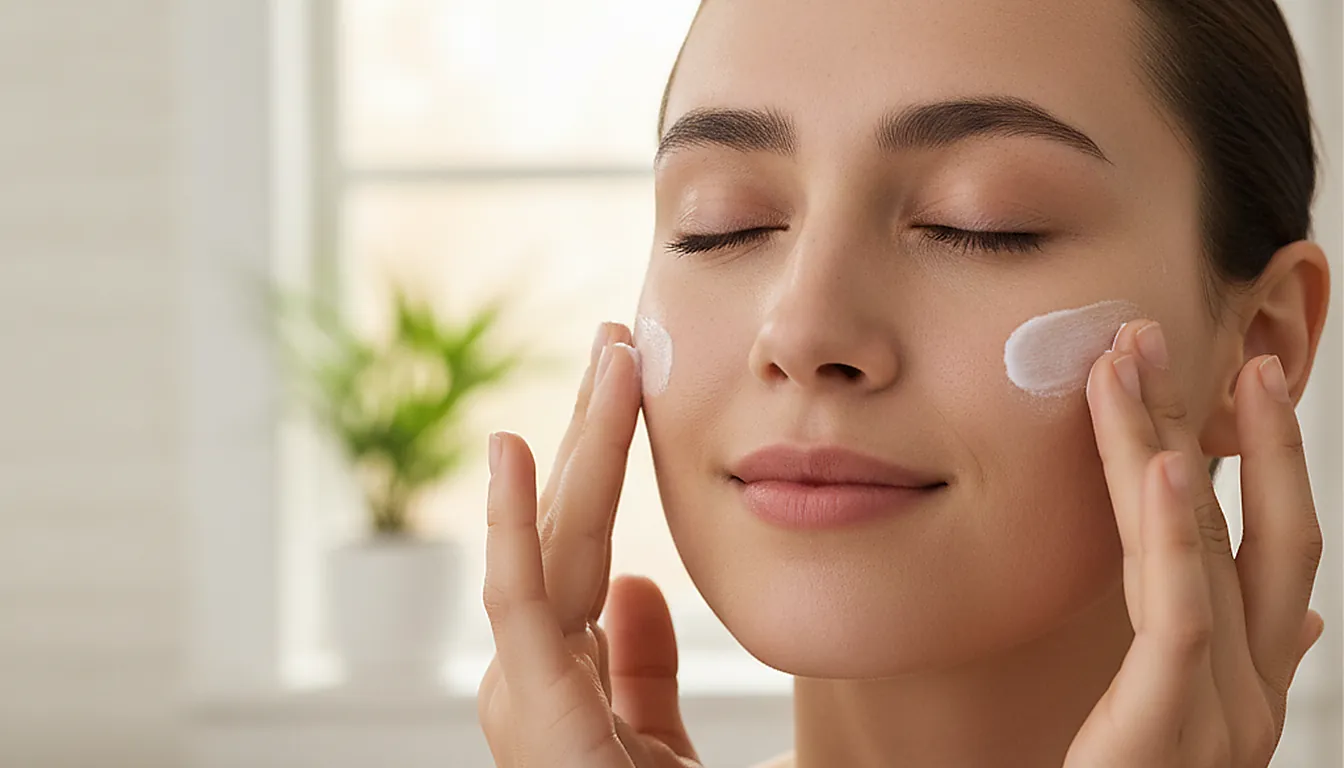
Hey, friend! Ever feel like you’re slathering on moisturizer but your skin still feels like the Sahara? I get it. I’ve been there. We’ve all been there, staring at ourselves in the mirror wondering, “Why Your Moisturizer Isn’t Working?!” It’s frustrating, right? Let’s dive into this and figure out what’s going on and how to actually get that dewy, hydrated skin we all crave.
For years, I thought all moisturizers were created equal. I’d grab whatever was on sale, slap it on, and expect miracles. Spoiler alert: miracles didn’t happen. Instead, I was left with dry patches, oily zones, and a general feeling of skincare defeat. It wasn’t until I started digging deeper and paying attention to my skin that I realized there’s a whole world of factors at play.
Table of Contents
- Hey, friend! Ever feel like you’re slathering on moisturizer but your skin still feels like the Sahara? I get it. I’ve been there. We’ve all been there, staring at ourselves in the mirror wondering, “Why Your Moisturizer Isn’t Working?!” It’s frustrating, right? Let’s dive into this and figure out what’s going on and how to actually get that dewy, hydrated skin we all crave.
- Understanding the Basics: What Should a Moisturizer Actually Do?
- The Culprits: Common Reasons Your Moisturizer Isn’t Working
- 1. You’re Not Exfoliating Regularly
- 2. You’re Applying It to Dry Skin
- 3. Your Moisturizer Isn’t Right for Your Skin Type
- 4. You’re Not Using Enough (or You’re Using Too Much!)
- 5. You’re Not Addressing Underlying Skin Issues
- 6. Ingredients Matter!
- The Simple Fix: A Step-by-Step Guide to Hydrated, Happy Skin
- My Overthinking Story (and How I Finally Found My Holy Grail Moisturizer)
- Bonus Tip: Don’t Forget to Hydrate From Within!
Understanding the Basics: What Should a Moisturizer Actually Do?
Before we troubleshoot, let’s quickly recap what a good moisturizer is supposed to accomplish. Basically, it’s all about hydration and protection. A good moisturizer will:
- Hydrate: Draw moisture into your skin.
- Protect: Create a barrier to prevent moisture loss and shield against environmental aggressors.
- Nourish: Provide essential nutrients to keep your skin healthy and balanced.
When your moisturizer fails to do these things, that’s when problems arise.
The Culprits: Common Reasons Your Moisturizer Isn’t Working
Okay, let’s get to the heart of the matter. Here are some of the most common reasons why your moisturizer might be failing you:
1. You’re Not Exfoliating Regularly
Think of your skin like a canvas. If it’s covered in layers of dead skin cells, your moisturizer can’t penetrate properly. Exfoliating removes that barrier, allowing your moisturizer to sink in and do its job. I like to use a gentle exfoliating scrub 2-3 times a week. Don’t overdo it, though! Over-exfoliating can damage your skin.
2. You’re Applying It to Dry Skin
This is a big one! Moisturizers work best when applied to damp skin. After cleansing, pat your skin dry, leaving it slightly moist. Then, immediately apply your moisturizer. This helps to trap the water on your skin’s surface, boosting hydration. I like to think of it like sealing in the goodness.
3. Your Moisturizer Isn’t Right for Your Skin Type
This was a game-changer for me. I used to think all moisturizers were the same, but they’re not! If you have oily skin, you’ll want a lightweight, oil-free moisturizer. If you have dry skin, you’ll need something richer and more emollient. And if you have sensitive skin, you’ll want to look for fragrance-free, hypoallergenic formulas. Knowing your skin type is half the battle.
4. You’re Not Using Enough (or You’re Using Too Much!)
Finding the right amount of moisturizer can be tricky. You want to use enough to cover your entire face and neck, but not so much that it feels greasy or heavy. A good rule of thumb is to start with a pea-sized amount and adjust as needed. Pay attention to how your skin feels throughout the day. If it feels tight and dry, you might need more. If it feels oily and congested, you might need less. It’s all about finding that sweet spot.
5. You’re Not Addressing Underlying Skin Issues
Sometimes, dry skin is a symptom of a larger problem, like eczema, psoriasis, or even dehydration. If you’ve tried everything and your moisturizer still isn’t working, it might be time to see a dermatologist. They can help you identify any underlying issues and recommend a treatment plan.
6. Ingredients Matter!
Take a look at the ingredient list. Is your moisturizer packed with fillers and fragrances, or is it full of beneficial ingredients like hyaluronic acid, ceramides, and antioxidants? Ingredients such as those are generally beneficial to the user. If your moisturizer isn’t working, it may be due to ingredients that are harmful to the user. Consider a formula with natural ingredients like the ones found in CBDfx calming tincture for added skincare support.
The Simple Fix: A Step-by-Step Guide to Hydrated, Happy Skin
Okay, so now that we know why your moisturizer might be failing, let’s talk about how to fix it. Here’s my simple, step-by-step guide to hydrated, happy skin:
- Cleanse: Start with a gentle cleanser to remove dirt, oil, and makeup.
- Exfoliate: Exfoliate 2-3 times a week to remove dead skin cells.
- Tone: Apply a toner to balance your skin’s pH.
- Serum: Use a hydrating serum, like one containing hyaluronic acid.
- Moisturize: Apply your moisturizer to damp skin.
- Seal: If you have very dry skin, consider sealing in your moisturizer with a facial oil.
- Sunscreen: Don’t forget sunscreen during the day!
My Overthinking Story (and How I Finally Found My Holy Grail Moisturizer)
I used to be a chronic overthinker when it came to skincare. I’d spend hours researching ingredients, comparing products, and reading reviews. I’d buy a new moisturizer, use it for a week, and then ditch it because I wasn’t seeing immediate results. It was exhausting! After years of skincare trial and error, I finally realized that consistency is key. It’s better to find a moisturizer that works reasonably well for your skin and stick with it than to constantly switch products in search of the perfect solution.
Back to the flow—this is the practical bit.
These days, I use a simple, fragrance-free moisturizer that contains hyaluronic acid and ceramides. I apply it to damp skin after cleansing and exfoliating, and I follow it up with a facial oil at night. My skin isn’t perfect, but it’s definitely happier and more hydrated than it used to be. And that’s all that matters!
Bonus Tip: Don’t Forget to Hydrate From Within!
Moisturizing your skin from the outside is important, but it’s equally important to hydrate from the inside. Drink plenty of water throughout the day to keep your skin plump and hydrated. I carry a water bottle with me everywhere I go, and I aim to drink at least eight glasses of water a day. It makes a difference!
Finding Your Perfect Moisturizer: Key Takeaways
So, to recap, here are the key takeaways to help you find your perfect moisturizer and achieve hydrated, happy skin:
- Exfoliate regularly.
- Apply moisturizer to damp skin.
- Choose a moisturizer that’s right for your skin type.
- Use enough moisturizer (but not too much!).
- Address any underlying skin issues.
- Drink plenty of water.
- Be patient and consistent.
Ready to Ditch the Dryness?
I hope this post has helped you understand why your moisturizer might not be working and given you some practical tips to achieve hydrated, happy skin. Remember, skincare is a journey, not a destination. Be patient with yourself, experiment, and most importantly, listen to your skin. You’ve got this!
Don’t Settle for Second Best
The skincare market is oversaturated with products that don’t live up to the hype. Don’t waste your time and money on inferior products. Choose wisely, use consistently, and your skin will thank you!
Where to Start?
Consider well-reviewed brands like Charlotte’s Web, known for quality CBD-infused products or MedterraCBD, who offers various CBD products tailored to different needs. If you’re looking for a place to explore a variety of options check out CBD.market for a wide selection of brands to choose from.
Frequently Asked Questions
Why is exfoliating important before moisturizing?
Exfoliating removes dead skin cells, allowing your moisturizer to penetrate deeper and hydrate your skin more effectively. Think of it as clearing the path for your moisturizer to do its job.
Should I apply moisturizer to wet or dry skin?
It’s best to apply moisturizer to damp skin. This helps to trap the water on your skin’s surface, boosting hydration and keeping your skin plump.
How much moisturizer should I use?
A good rule of thumb is to start with a pea-sized amount and adjust as needed. Pay attention to how your skin feels throughout the day and adjust accordingly. If you want to explore options, consider browsing CBD options.
What ingredients should I look for in a moisturizer?
Look for moisturizers containing beneficial ingredients like hyaluronic acid, ceramides, and antioxidants. These ingredients help to hydrate, protect, and nourish your skin. It is also important to ensure ingredients are not harmful to the user.
What if my dry skin continues even after trying these tips?
If you’ve tried everything and your moisturizer still isn’t working, it might be time to see a dermatologist. Dry skin can be a symptom of an underlying condition that requires professional treatment.
How does drinking water help with skin hydration?
Moisturizing from the inside is just as important. Drinking plenty of water helps keep your skin plump and hydrated, complementing the effects of your moisturizer.
Key Takeaways
- Hey, friend! Ever feel like you’re slathering on moisturizer but your skin still feels like the Sahara? I get it. I’ve been there. We’ve all been there, staring at ourselves in the mirror wondering, “Why Your Moisturizer Isn’t Working?!” It’s frustrating, right? Let’s dive into this and figure out what’s going on and how to actually get that dewy, hydrated skin we all crave.
- Understanding the Basics: What Should a Moisturizer Actually Do?
- The Culprits: Common Reasons Your Moisturizer Isn’t Working
- 1. You’re Not Exfoliating Regularly
- 2. You’re Applying It to Dry Skin