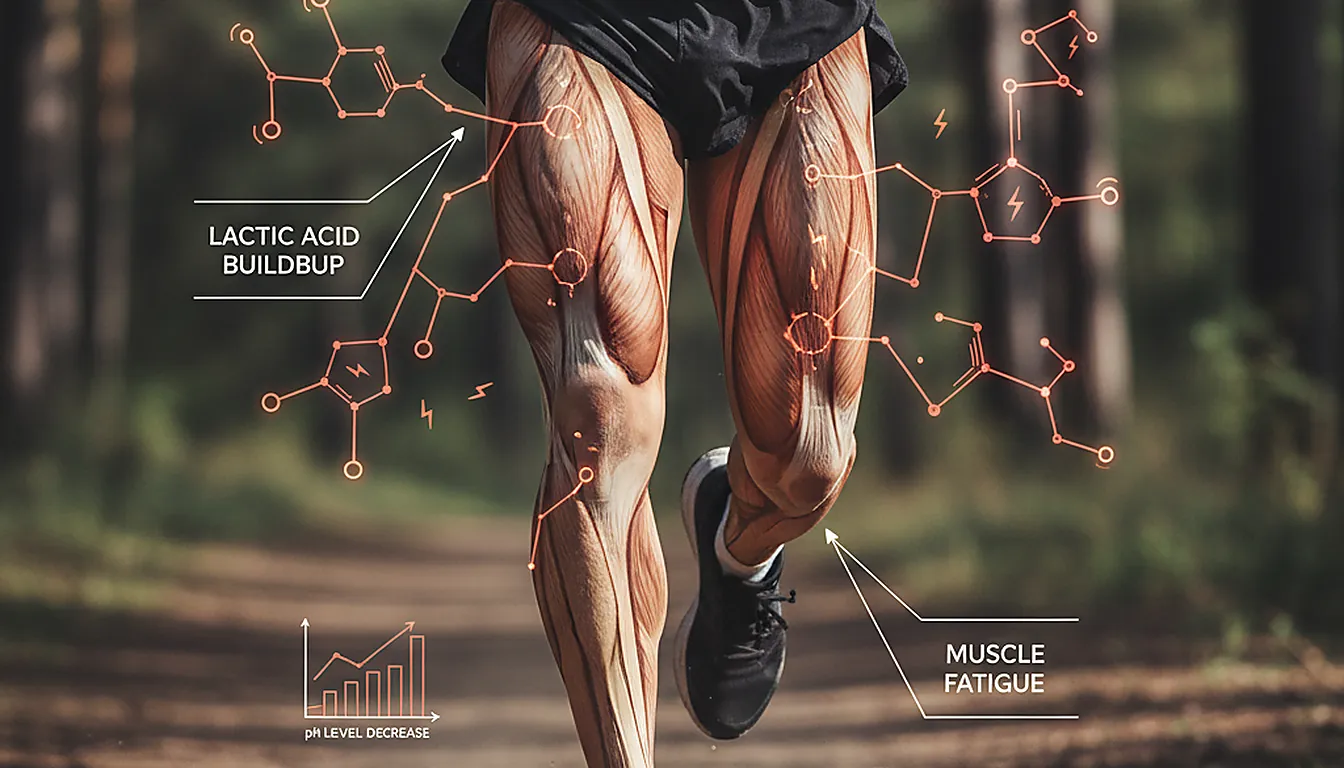
Okay, friends, let’s talk about something super important: rest. We’re all hustling, trying to crush our fitness goals, and sometimes, we forget to listen to our bodies. I’ve been there – pushing myself way too hard, ignoring the warning signs, and ending up completely burned out. Trust me, it’s not fun. That’s why I wanted to share some wisdom on recognizing when you *really* need a rest day and, more importantly, how to take one *properly*. Because let’s be honest, lounging on the couch scrolling through Instagram isn’t always the most restorative option, is it?
Table of Contents
- Why Rest Days Are Non-Negotiable (Seriously!)
- 3 Telltale Signs Your Body Is Screaming for a Rest Day
- 1. Constant Muscle Soreness That Just Won’t Quit
- 2. Your Workouts Feel Way Harder Than Usual
- 3. Sleep Problems and Mood Swings
- How to Take a Rest Day… the *Right* Way
- Prioritize Active Recovery
- Fuel Your Body with Nutritious Foods
- Hydrate, Hydrate, Hydrate!
- Get Plenty of Sleep
- Focus on Stress Reduction
- Turning a Rest Day into a Reset Day
Why Rest Days Are Non-Negotiable (Seriously!)
Think of your body like a car. You can drive it hard for a while, but eventually, you need to pull over for gas and maintenance, right? It’s the same with exercise. When you work out, you’re essentially creating tiny tears in your muscle fibers. Rest days are when your body repairs those tears, making your muscles stronger. They’re also crucial for preventing injuries, reducing fatigue, and improving your overall performance. Ignoring these signs can lead to chronic fatigue, injuries, and a serious dip in your motivation. So, please, don’t skip them!
3 Telltale Signs Your Body Is Screaming for a Rest Day
Here are three signs I’ve learned to watch out for. Learning these signals can stop you from spiraling into total exhaustion.
1. Constant Muscle Soreness That Just Won’t Quit
We all know the feeling of delayed-onset muscle soreness (DOMS) after a tough workout. It’s that achy, stiff feeling that kicks in a day or two later. But if you’re consistently sore, like, *every single day*, and it’s not improving, that’s a major red flag. It’s different from that “good” sore. This is your body saying, “Hey, I haven’t had time to recover!” Chronic muscle soreness is a sign of overtraining, and ignoring it can lead to injury. I remember pushing through this once when I was training for a half-marathon. I thought, “No pain, no gain!” Big mistake. I ended up with a stress fracture and had to take *weeks* off. Learn from my mistakes, people!
2. Your Workouts Feel Way Harder Than Usual
Are those weights you usually breeze through suddenly feeling incredibly heavy? Is your usual run pace feeling like a sprint? If your workouts are consistently more difficult than they should be, even after a proper warm-up, your body is likely fatigued. This isn’t just about physical tiredness either; it can be mental fatigue too. Overtraining affects your nervous system, making it harder to recruit muscles and focus on your performance. One of my favorite analogies here is thinking of your willpower like a muscle. The more you use it, the more it needs to rest. Pushing through when you’re already exhausted just digs you into a deeper hole of fatigue.
3. Sleep Problems and Mood Swings
Overtraining can wreak havoc on your sleep and your mood. You might find yourself tossing and turning at night, unable to fall asleep or stay asleep. Or, on the flip side, you might feel completely exhausted but still wired and unable to relax. Mood swings are another common symptom. You might feel irritable, anxious, or even depressed. This is because overtraining can disrupt your hormone balance, affecting your sleep patterns and neurotransmitter function. I noticed this a lot during a particularly intense period of work and working out. I was snapping at my partner over the smallest things, and I felt like I was constantly on edge. It wasn’t pretty, and it was a clear sign that I needed to slow down… dramatically.
How to Take a Rest Day… the *Right* Way
Okay, so you’ve recognized the signs and decided to take a rest day. Great! But how do you make the most of it? It’s more than just collapsing on the couch. Here’s what works for me:
Prioritize Active Recovery
Instead of doing absolutely nothing, try some light activity to promote blood flow and recovery. This is called active recovery. Think gentle stretching, a leisurely walk, yoga, or even swimming. The key is to keep the intensity low. Active recovery helps reduce muscle soreness, improve circulation, and flush out metabolic waste products. I love going for a slow bike ride or doing some gentle yoga. It feels good to move my body without pushing it to its limits.
Fuel Your Body with Nutritious Foods
Rest days are just as important for nutrition as workout days. Focus on eating nutrient-dense foods that support muscle recovery and reduce inflammation. Think lean protein (chicken, fish, beans), healthy fats (avocado, nuts, olive oil), and plenty of fruits and vegetables. Avoid processed foods, sugary drinks, and excessive alcohol, as these can hinder recovery. One of my go-to rest day meals is a big salad with grilled chicken, avocado, and a light vinaigrette. It’s satisfying, healthy, and packed with nutrients.
Hydrate, Hydrate, Hydrate!
Hydration is crucial for recovery. Water helps transport nutrients to your muscles and flush out waste products. Aim to drink plenty of water throughout the day. You can also add electrolytes to your water, especially if you’ve been sweating a lot. I like to add a pinch of sea salt to my water or drink coconut water for a natural source of electrolytes. Dehydration can really mess with your energy levels and recovery, so don’t skip this step!
Get Plenty of Sleep
This might seem obvious, but it’s worth repeating: sleep is your ultimate recovery tool. Aim for 7-9 hours of quality sleep on your rest days. Create a relaxing bedtime routine to help you wind down and fall asleep easily. This might include taking a warm bath, reading a book, or listening to calming music. Avoid screens before bed, as the blue light can interfere with your sleep. I swear by a good sleep mask and a white noise machine. They’re game changers!

Back to the flow—this is the practical bit.
Focus on Stress Reduction
Stress can hinder your recovery. Find ways to relax and reduce stress on your rest days. This might include meditation, spending time in nature, reading a book, or spending time with loved ones. Do whatever brings you joy and helps you unwind. I love taking a long, hot bath with Epsom salts. It’s a great way to relax my muscles and calm my mind. I also find that spending time in nature is incredibly restorative. Even a short walk in the park can make a big difference.
Turning a Rest Day into a Reset Day
Rest days aren’t just about physical recovery. They’re also a chance to mentally reset and recharge. Use this time to reflect on your fitness goals, reassess your training plan, and identify any areas where you might need to make adjustments. This is also a good time to catch up on other aspects of your life, like spending time with family and friends, pursuing hobbies, or simply relaxing and doing nothing. The aim is to step away from the intensity of your workout routine and allow yourself to simply be.
My Personal Story: Learning the Hard Way
I’ll be honest, it took me a while to learn the importance of rest days. For years, I was caught up in the “no pain, no gain” mentality. I thought that more was always better, and I pushed myself to the limit every single day. I ran myself ragged, and I ended up getting sick. It was a painful lesson, but it taught me the value of listening to my body and prioritizing rest. Now, I treat rest days as seriously as I treat my workouts. I schedule them into my week, and I make sure to take them even when I feel like I could push through. Because I know that in the long run, it’s the smartest thing I can do for my health and my fitness. So, please, learn from my mistakes. Listen to your body, prioritize rest, and take care of yourself. You deserve it!
Final Thoughts: Listen To Your Body
Recognizing the signs your body needs a rest day is crucial for maintaining your fitness and overall well-being. Constant muscle soreness, struggling through normally easy workouts, and sleep disturbances are key indicators that it’s time to slow down. Incorporate active recovery, proper nutrition and hydration, prioritize sleep, and practice stress reduction techniques to make the most of your rest days. By giving your body the rest it needs, you’ll come back stronger, more energized, and ready to crush your goals. Remember, fitness is a marathon, not a sprint. Happy resting! I hope this helps you find your own rhythm of when to push and when to recover. Learning to listen to your body is a lifelong journey. Let me know in the comments what *your* favorite rest day activity is!
Frequently Asked Questions
What are the main signs that my body needs a rest day?
The key signs include constant muscle soreness that doesn’t improve, workouts feeling significantly harder than usual, and experiencing sleep problems or mood swings.
What is active recovery, and why is it important on rest days?
Active recovery involves gentle activities like stretching, walking, or yoga. It helps promote blood flow, reduce muscle soreness, and flush out waste products without putting additional stress on your body.
How should I adjust my diet on rest days?
Focus on nutrient-dense foods that support muscle recovery and reduce inflammation. Prioritize lean protein, healthy fats, and plenty of fruits and vegetables. Avoid processed foods, sugary drinks, and excessive alcohol.
How much sleep should I aim for on rest days?
Aim for 7-9 hours of quality sleep. Create a relaxing bedtime routine to help you wind down and fall asleep easily. Avoid screens before bed, and consider using a sleep mask or white noise machine.
Why is stress reduction important on rest days?
Stress can hinder your recovery. Find ways to relax and reduce stress, such as meditation, spending time in nature, or pursuing hobbies. This helps your body and mind recharge fully.
Can I still work out if I’m feeling a little sore?
It depends on the level of soreness. If it’s mild DOMS (delayed onset muscle soreness), light active recovery can help. However, if you’re experiencing sharp pain or persistent soreness, it’s best to take a complete rest day to avoid further injury.
Key Takeaways
- Why Rest Days Are Non-Negotiable (Seriously!)
- 3 Telltale Signs Your Body Is Screaming for a Rest Day
- 1. Constant Muscle Soreness That Just Won’t Quit
- 2. Your Workouts Feel Way Harder Than Usual
- 3. Sleep Problems and Mood Swings