
Hey Friends! Are You Listening to Your Body? (I Wasn’t!)
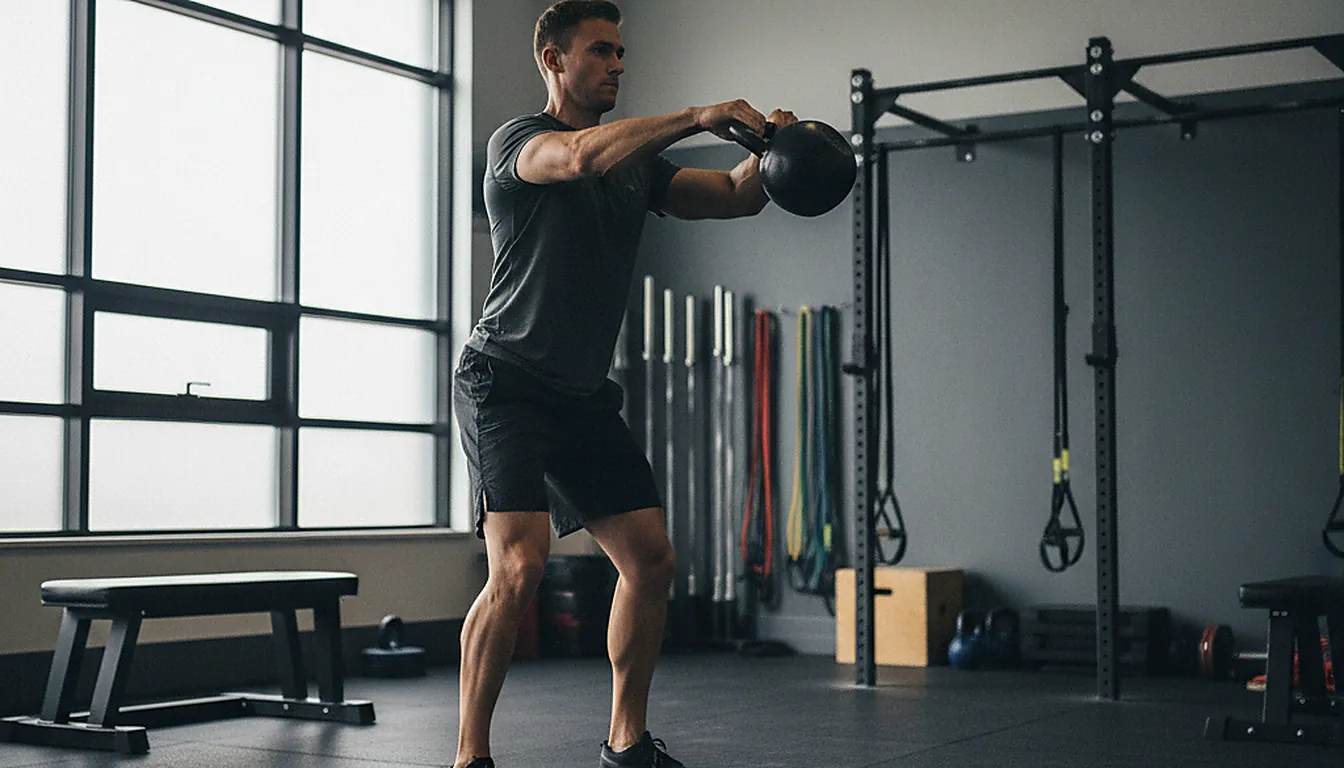
Okay, so let’s be real. We’ve all been there. Pushing ourselves to the limit at the gym, on the track, or even just trying to juggle a million things at once. We’re told to ‘hustle,’ to ‘grind,’ to ‘never give up.’ But what happens when our bodies start screaming for a break? Do we listen? Honestly, for a long time, I didn’t. I thought rest was for the weak. Boy, was I wrong!
Table of Contents
- Hey Friends! Are You Listening to Your Body? (I Wasn’t!)
- Why Rest Days are Actually Super Important
- 3 Obvious (and Not-So-Obvious) Signs Your Body Needs a Rest Day
- 1. Constant Muscle Soreness That Just Won’t Quit
- 2. Performance Plateaus (or Even Declines!)
- 3. Feeling Mentally Exhausted and Unmotivated
- Okay, I Need a Rest Day. Now What? How to Take One Properly
- 1. Active Recovery is Your Friend
- 2. Nourish Your Body With Good Food
- 3. Prioritize Sleep, Seriously.
- 4. Mental Rest is Essential
- My Overthinking Rest Day Debacle (and What I Learned)
I used to think that taking a rest day was a sign of weakness, a failure to commit. I’d power through workouts, even when I felt exhausted or even a little achy. I figured, “No pain, no gain,” right? Wrong. So, so wrong. I ended up completely burning myself out, and then needing way more than just a day to recover. I learned the hard way that listening to your body is crucial, and that recognizing the signs your body needs a rest day is a superpower.
Why Rest Days are Actually Super Important
Think of your body like a superhero. Even Superman needs to recharge in the Fortress of Solitude, right? Rest days aren’t just about being lazy; they’re about allowing your muscles to repair, your energy stores to replenish, and your mind to de-stress. Skipping them can actually hinder your progress, lead to injuries, and leave you feeling totally drained.
Think of it this way: When you workout, you’re essentially causing micro-tears in your muscle fibers. Your body then repairs these tears, making your muscles stronger. But that repair process? It happens during rest! Without it, you’re just breaking down your body without giving it a chance to rebuild. It is important to not only know when to take a break, but also how to rest properly.
3 Obvious (and Not-So-Obvious) Signs Your Body Needs a Rest Day
Okay, so how do you know when it’s time to pump the brakes? Here are some signs I’ve learned to watch out for:
1. Constant Muscle Soreness That Just Won’t Quit
We’re not talking about that satisfying soreness you feel after a good workout. We’re talking about deep, nagging pain that lingers for days, even after you’ve stretched and foam rolled. Chronic muscle soreness is a HUGE red flag. It means your muscles haven’t fully recovered, and you’re pushing them beyond their capacity. Pay attention to your body; it might be time for active recovery.
2. Performance Plateaus (or Even Declines!)
This one’s sneaky. You’re hitting the gym consistently, but you’re not seeing any progress. In fact, you might even be getting weaker. What gives? Overtraining can actually sabotage your gains. When your body is constantly stressed, it produces cortisol, a hormone that can break down muscle tissue and interfere with recovery. If you are finding that you’re no longer progressing, or even regressing, it might be time for a rest.
3. Feeling Mentally Exhausted and Unmotivated
This is the one I used to ignore the most. I thought, “Just push through!” But mental fatigue is just as important as physical fatigue. If you’re dreading your workouts, feeling irritable, or just generally lacking motivation, it’s a sign that your central nervous system is fried. Your brain needs a break, too! Listen to your body, and your mind will thank you.
Okay, I Need a Rest Day. Now What? How to Take One Properly
So, you’ve recognized the signs. Awesome! Now, let’s talk about how to actually take a rest day the right way. It’s not just about plopping down on the couch and watching Netflix (although that’s definitely part of it!). It’s about actively supporting your body’s recovery process.
1. Active Recovery is Your Friend
Forget the intense cardio. Think gentle movement. Light stretching, a leisurely walk, swimming, yoga, or foam rolling are all great options. Active recovery helps to increase blood flow to your muscles, which can speed up the healing process. For me, that means taking my dog for a walk, nothing too intense, but enough to get my blood flowing.
2. Nourish Your Body With Good Food
Don’t skimp on the nutrients! Focus on eating plenty of protein to help repair muscle tissue, complex carbohydrates to replenish energy stores, and healthy fats to reduce inflammation. Basically, eat like a champion. Hydration is also key, so drink plenty of water!
3. Prioritize Sleep, Seriously.
This is where the magic happens. Aim for 7-9 hours of quality sleep. Turn off the screens, create a relaxing bedtime routine, and give your body the time it needs to repair and rebuild. A good night’s sleep can make all the difference in your recovery.

Honestly, it’s a tiny tweak—with a steady payoff.
4. Mental Rest is Essential
Put down your phone, turn off the news, and do something that relaxes your mind. Read a book, listen to music, meditate, spend time in nature, or just chat with a friend. Give yourself permission to unplug and recharge. This is so so important.
My Overthinking Rest Day Debacle (and What I Learned)
Remember when I said I used to think rest was for the weak? Well, that mindset led to a major overtraining situation. I was training for a half-marathon, pushing myself harder and harder each day, ignoring the growing aches and pains. I started experiencing constant muscle soreness, my performance plateaued, and I was constantly exhausted. I convinced myself that I just needed to push harder.
Then, one morning, I woke up and literally couldn’t get out of bed. My body had completely shut down. I had pushed myself way too far, and I needed to take time off to recover. It was frustrating! But I learned a valuable lesson: rest isn’t the enemy; it’s a crucial part of the process.
During my forced rest period, I focused on active recovery, nutritious meals, prioritizing sleep, and mindful relaxation. I walked in nature, listened to music, and spent time with my family. Slowly, I began to feel my energy returning, my muscles relaxing, and my motivation coming back. When I finally laced up my running shoes again, I felt stronger and more energized than ever before.
The Takeaway: Listen to Your Body, Seriously!
Learning to recognize the signs your body needs a rest day is a game-changer. It’s not about being lazy; it’s about being smart. It’s about honoring your body’s needs and allowing it to recover and rebuild so that you can continue to pursue your fitness goals for the long run. If you are mindful about rest, you will actually see an improvement in your fitness performance. Remember, your body is your greatest ally! Take care of it, and it will take care of you.
Now, I’d love to hear from you! What are your favorite ways to take a rest day? Share your tips and tricks in the comments below!
Key Takeaways
- Hey Friends! Are You Listening to Your Body? (I Wasn’t!)
- Why Rest Days are Actually Super Important
- 3 Obvious (and Not-So-Obvious) Signs Your Body Needs a Rest Day
- 1. Constant Muscle Soreness That Just Won’t Quit
- 2. Performance Plateaus (or Even Declines!)