The Science of Sleep: 8 Hacks to Achieve Your Best Rest Tonight
Okay, friends, let’s talk sleep. Real talk. How many of you are actually getting enough? Be honest! I know I struggle with it sometimes. We’re all busy, stressed, and constantly bombarded with information. But skimping on sleep? It’s like trying to run a marathon on an empty tank. Not gonna happen… or at least, not without some serious consequences. We’re diving deep into the science of sleep and I’m sharing eight hacks that *actually* work. No fluff, just practical tips to help you achieve your best rest.
Table of Contents
- The Science of Sleep: 8 Hacks to Achieve Your Best Rest Tonight
- Why is Sleep So Important, Anyway?
- 8 Hacks to Improve Your Sleep Tonight
- 1. Optimize Your Sleep Environment
- 2. Create a Consistent Sleep Schedule
- 3. Limit Screen Time Before Bed
- 4. Watch Your Caffeine and Alcohol Intake
- 5. Practice Relaxation Techniques
- 6. Get Regular Exercise
- 7. Consider a Sleep Supplement
- 8. Track Your Sleep
- Troubleshooting Common Sleep Problems
For years, I powered through on minimal sleep, thinking I was some kind of superwoman. I’d justify it: “I’ll sleep when I’m dead!” But guess what? I wasn’t being productive; I was being a grumpy, inefficient mess. My memory was shot, my mood was all over the place, and my decision-making? Let’s just say I made some questionable choices fueled by caffeine and sheer willpower. The turning point came when I started experiencing panic attacks. That’s when I knew something had to change. I had to take my sleep seriously. It was time to understand the science of sleep, not just ignore it.
Why is Sleep So Important, Anyway?
Beyond just feeling tired, sleep is crucial for so many things. It’s like the ultimate reset button for your body and mind. Think of it like this: your brain is a computer, and sleep is the defragging process. Without it, things get slow, glitchy, and eventually crash. Here’s why you need to prioritize it:
- Cognitive Function: Sleep improves focus, concentration, and memory. You’ll be sharper and more productive.
- Physical Health: Sleep supports immune function, hormone regulation, and muscle recovery. It’s your body’s way of repairing itself.
- Emotional Well-being: Adequate sleep reduces stress, anxiety, and irritability. You’ll be more resilient and emotionally balanced.
- Weight Management: Sleep affects hormones that regulate appetite. When you’re sleep-deprived, you’re more likely to crave unhealthy foods.
8 Hacks to Improve Your Sleep Tonight
Alright, let’s get to the good stuff. These aren’t just theoretical ideas; they’re things I’ve personally tested and found effective. Here are eight hacks to help you achieve your best rest, grounded in the science of sleep:
1. Optimize Your Sleep Environment
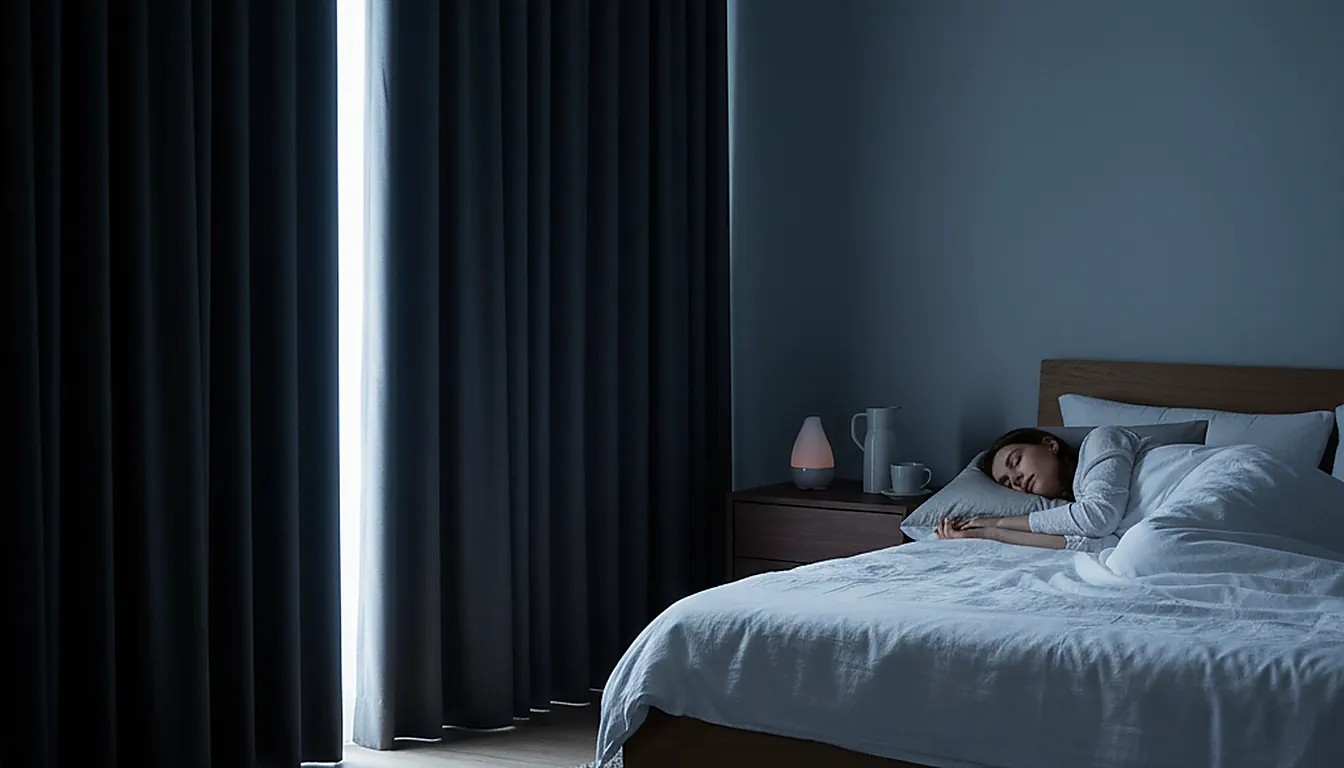
Think of your bedroom as your sleep sanctuary. It should be cool, dark, and quiet. Seriously. Invest in blackout curtains, use a white noise machine or earplugs, and keep the temperature between 60-67 degrees Fahrenheit. I even bought a weighted blanket, and it’s been a game-changer for reducing anxiety and promoting deeper sleep. Think of it as a gentle hug all night long!
2. Create a Consistent Sleep Schedule
Our bodies love routine. Go to bed and wake up around the same time every day, even on weekends. This helps regulate your body’s natural sleep-wake cycle (circadian rhythm). It was tough at first, especially on weekends, but after a couple weeks, my body adjusted, and I started falling asleep and waking up much more easily. This really helps with sleep optimization.
3. Limit Screen Time Before Bed
I know, I know, easier said than done! But the blue light emitted from electronic devices can interfere with melatonin production, making it harder to fall asleep. Aim to power down all screens at least an hour before bedtime. Instead, try reading a book (a *real* book, not an e-reader!), taking a warm bath, or doing some gentle stretching.
4. Watch Your Caffeine and Alcohol Intake
Caffeine is a stimulant, and alcohol can disrupt your sleep later in the night. Avoid caffeine in the afternoon and evening, and limit alcohol consumption before bed. I used to think a nightcap would help me sleep, but it actually made me wake up more frequently. Now, I stick to herbal tea or a magnesium supplement instead.
5. Practice Relaxation Techniques
Stress is a major sleep killer. Find relaxation techniques that work for you, such as deep breathing exercises, meditation, or progressive muscle relaxation. There are tons of free guided meditations available online. Even just 5-10 minutes of deep breathing can make a big difference.
6. Get Regular Exercise
Regular physical activity can improve sleep quality, but avoid intense workouts close to bedtime. A brisk walk or yoga session earlier in the day can be beneficial. Just listen to your body and find what works for you.
7. Consider a Sleep Supplement
This isn’t medical advice and you should talk to a healthcare professional before taking supplements. With that said, I have tried a magnesium supplement to help. Magnesium promotes relaxation and can improve sleep quality. There are several forms available, such as magnesium glycinate, which is known for its calming effects. Melatonin is another supplement that can help regulate your sleep-wake cycle, but it’s best to use it short-term and under the guidance of a healthcare professional. Valerian root is an herbal remedy some people find helpful.
Back to the flow—this is the practical bit.
8. Track Your Sleep
Knowing is half the battle. Wearing a sleep tracker helps me understand my sleep patterns and identify areas for improvement. There are tons of options available, from wearable devices to smartphone apps. I use a fitness tracker that monitors my sleep stages (light, deep, REM) and provides insights into my sleep duration and quality. This is a fantastic way to learn about your own personal sleep optimization requirements.
Troubleshooting Common Sleep Problems
Even with the best intentions, sleep problems can still arise. Here are some common issues and how to address them:
- Insomnia: If you’re struggling with chronic insomnia, talk to your doctor. Cognitive behavioral therapy for insomnia (CBT-I) is an effective treatment option.
- Sleep Apnea: This condition causes pauses in breathing during sleep. If you suspect you have sleep apnea, see a doctor for diagnosis and treatment.
- Restless Legs Syndrome: This condition causes an irresistible urge to move your legs, especially at night. Talk to your doctor about treatment options.
The Science of Sleep and You: Finding Your Rhythm
Improving your sleep is a journey, not a destination. It takes time, patience, and experimentation to find what works best for you. Don’t get discouraged if you don’t see results overnight. Keep experimenting with these sleep optimization tips and strategies, and eventually, you’ll find your sleep rhythm. Remember, prioritizing sleep is an investment in your overall health and well-being. And trust me, the benefits are worth it. I’m still working on my sleep hygiene (who isn’t?), but I’m committed to making it a priority. I encourage you to do the same!
So, tell me, which of these hacks are you going to try tonight? Share your thoughts and experiences in the comments below! Let’s get some good rest tonight!
Key Takeaways
- The Science of Sleep: 8 Hacks to Achieve Your Best Rest Tonight
- Why is Sleep So Important, Anyway?
- 8 Hacks to Improve Your Sleep Tonight
- 1. Optimize Your Sleep Environment
- 2. Create a Consistent Sleep Schedule