Battling the Spots: My Journey with Hyperpigmentation
Okay, let’s be real. We all have skin struggles. Mine? Hyperpigmentation and those pesky dark spots that seem to pop up out of nowhere. Figuring out how to treat hyperpigmentation has been a journey, a rollercoaster even, and I wanted to share my experience, the ups, the downs, and everything in between. Because let’s face it, dealing with dark spots can be frustrating!
Table of Contents
- Battling the Spots: My Journey with Hyperpigmentation
- Types of Hyperpigmentation: A Quick Overview
- My Arsenal: Products and Strategies That Worked (and Some That Didn’t)
- Topical Treatments: The Workhorses of My Routine
- The Importance of Sunscreen: Non-Negotiable!
- Professional Treatments: When to Call in the Big Guns
- Common Pitfalls and How to Avoid Them
- My Current Skincare Routine for Hyperpigmentation: A Peek Inside
- The Mental Game: Staying Positive Through the Process
- Final Thoughts: Embracing Progress, Not Perfection
For years, I felt like I was playing whack-a-mole. One spot would fade, and another would appear, usually right before a big event. Ugh! I tried so many things – creams, serums, even some DIY remedies that, looking back, were probably a bit…questionable. I’m talking lemon juice, people. Don’t do it! It’s harsh and can actually make things worse. Trust me on this one. I learned the hard way.
My main goal here is to share what I’ve learned through trial and error (mostly error at the beginning!), what *actually* worked for me, and offer some practical tips on how to treat hyperpigmentation and dark spots effectively. This isn’t medical advice, of course, just my personal experience. So, let’s dive in, shall we?Understanding Hyperpigmentation: What Are We Dealing With?
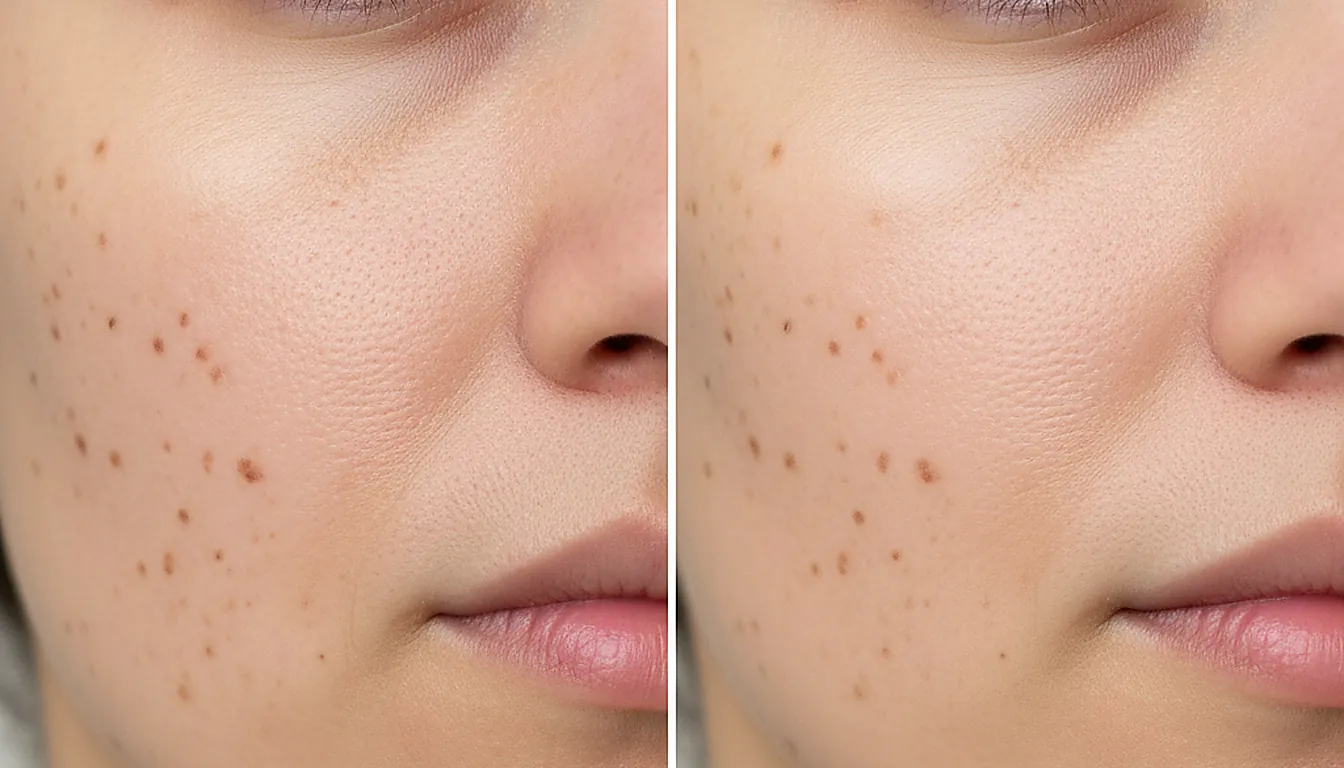
Before we jump into the treatments, it’s crucial to understand what hyperpigmentation actually is. Simply put, it’s an overproduction of melanin, the pigment that gives our skin its color. This excess melanin clumps together, leading to those unwanted dark spots. It can be triggered by several things, including:
- Sun exposure (the biggest culprit!)
- Hormonal changes (hello, pregnancy and birth control!)
- Inflammation (acne scars, eczema, etc.)
- Skin injuries (cuts, burns)
Knowing the cause can help you choose the right treatment, which is why it’s always a good idea to chat with a dermatologist. But even without a formal diagnosis, there are general strategies that can help.
Types of Hyperpigmentation: A Quick Overview
Understanding the type of hyperpigmentation you have can also guide your treatment approach. Here are some common types:
- Sunspots (Solar Lentigines): These are small, darkened patches that appear on areas exposed to the sun, like your face, hands, and chest.
- Melasma: This is often triggered by hormonal changes and appears as larger, symmetrical patches, usually on the face.
- Post-Inflammatory Hyperpigmentation (PIH): This is the discoloration that’s left behind after an injury or inflammation, like acne.
My Arsenal: Products and Strategies That Worked (and Some That Didn’t)
Alright, let’s get to the good stuff – the actual treatments! I’ve broken down my approach into a few key categories.
Topical Treatments: The Workhorses of My Routine
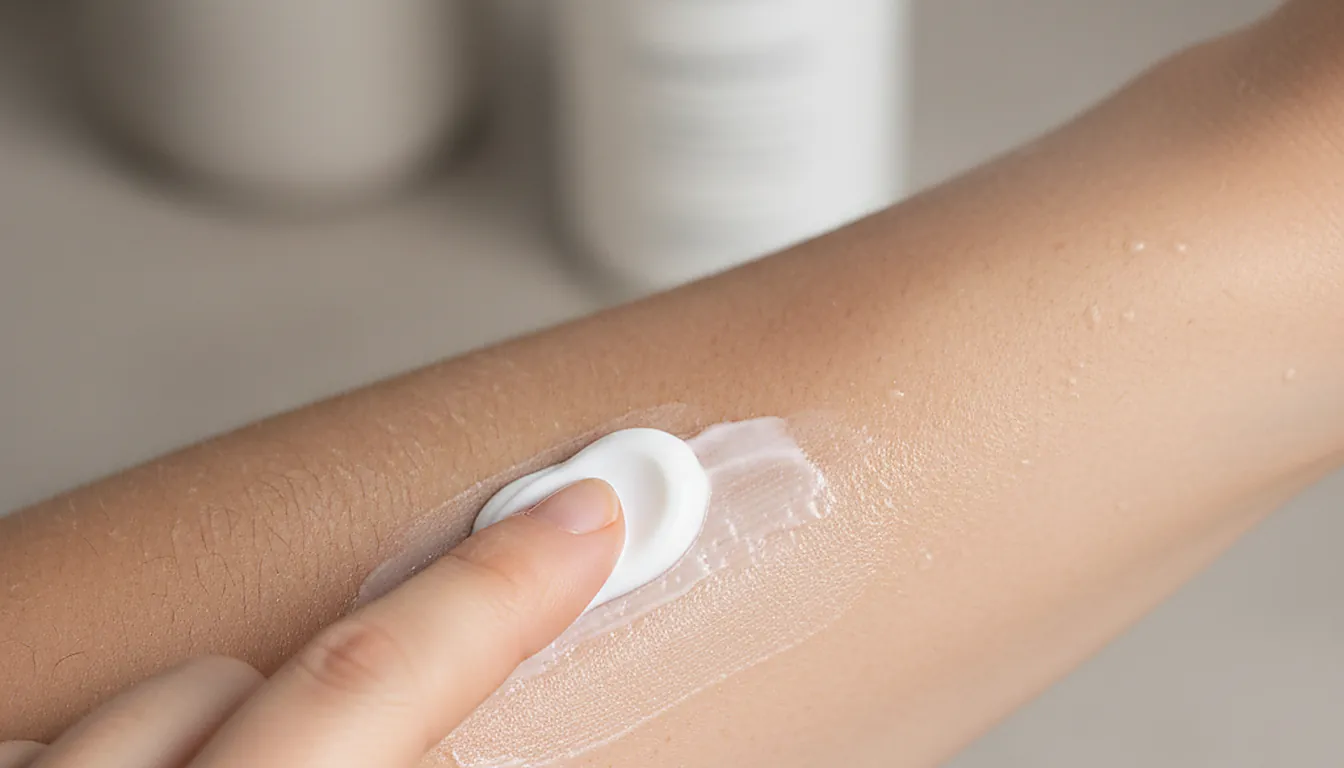
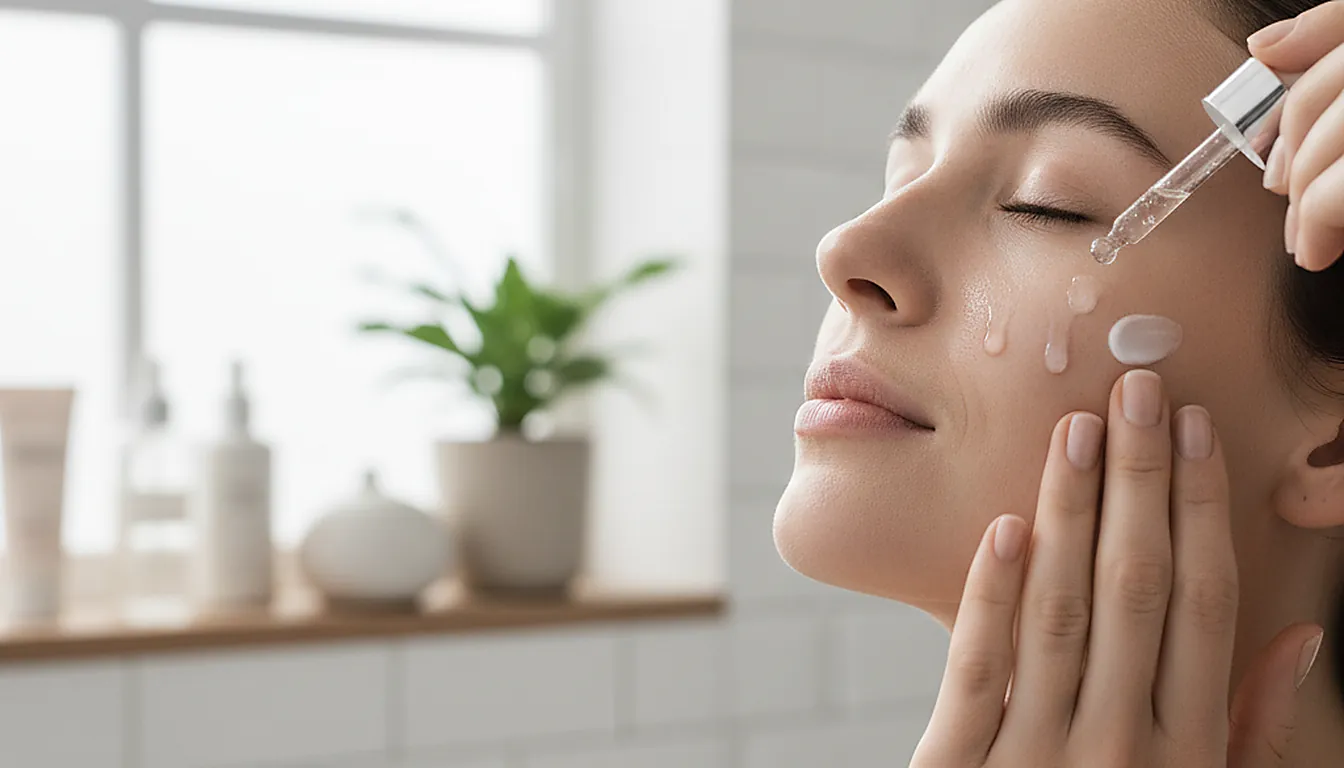
These are the creams and serums that I apply directly to my skin. Here are some of the ingredients that made a real difference:
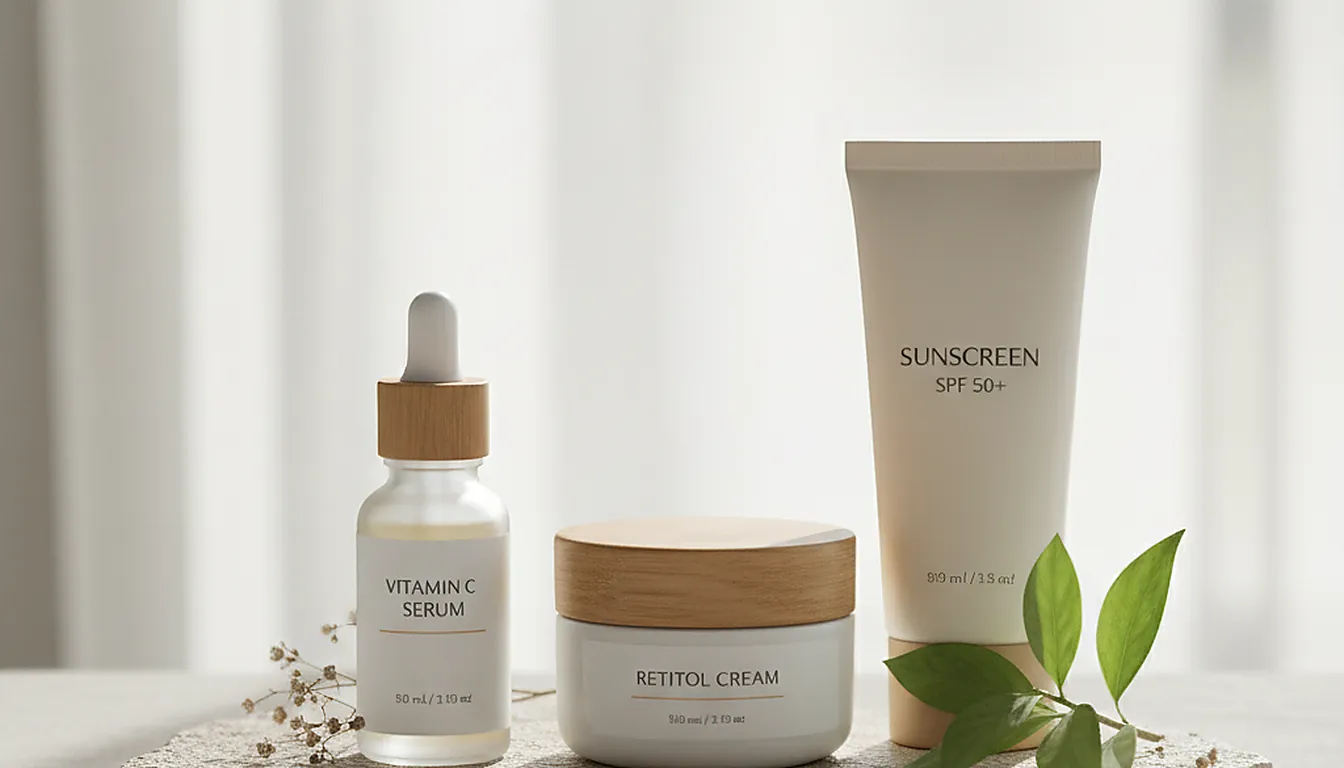
- Vitamin C: This is a powerhouse antioxidant that brightens the skin and helps to fade dark spots. I use a serum with a stable form of Vitamin C every morning.
- Retinoids: These are derivatives of Vitamin A that promote cell turnover, helping to shed pigmented skin cells. I use a retinol cream a few nights a week. Start slow with these, as they can be irritating!
- Alpha Hydroxy Acids (AHAs): These are chemical exfoliants that help to remove dead skin cells and reveal brighter skin underneath. Glycolic acid and lactic acid are two common AHAs.
- Kojic Acid: This ingredient helps inhibit melanin production, effectively lightening dark spots. I found it particularly helpful for stubborn acne scars.
- Niacinamide: This is a form of vitamin B3 that can help to reduce inflammation and improve skin tone. It’s a great all-around ingredient for improving overall skin health.
Product Recommendation:
Product Name: XYZ Vitamin C Serum
Description: A potent vitamin C serum formulated with 15% L-Ascorbic Acid, Vitamin E, and Ferulic Acid. Helps brighten skin, reduce hyperpigmentation, and protect against environmental damage.
Pros:
- Effective brightening
- Antioxidant protection
- Lightweight formula
Cons:
- Can be slightly sticky
- Expensive
Usage Notes: Apply 3-4 drops to clean, dry skin in the morning before moisturizer and sunscreen.
Who it is For: Suitable for individuals with hyperpigmentation, dull skin, and signs of aging.
Verdict: A highly effective serum for improving skin brightness and reducing dark spots. Worth the investment if you’re serious about treating hyperpigmentation.
The Importance of Sunscreen: Non-Negotiable!
I cannot stress this enough: sunscreen is the single most important thing you can do to prevent and treat hyperpigmentation. Seriously! Sun exposure is the main driver of melanin production, so if you’re not protecting your skin, you’re fighting a losing battle. I use a broad-spectrum sunscreen with an SPF of 30 or higher every single day, rain or shine. Reapplication is key, especially if you’re spending time outdoors. Think of sunscreen as your shield against those pesky sunspots.
Professional Treatments: When to Call in the Big Guns
Honestly, it’s a tiny tweak—with a steady payoff.
While topical treatments can be effective, sometimes you need a little extra help. I’ve personally tried a few professional treatments, and here are my thoughts:
- Chemical Peels: These involve applying a chemical solution to the skin to exfoliate the top layers and reveal brighter skin underneath. I had a series of glycolic acid peels that significantly improved my skin tone.
- Microdermabrasion: This is a mechanical exfoliation technique that uses tiny crystals to remove dead skin cells. I found it helpful for smoothing my skin’s texture and reducing the appearance of superficial dark spots.
- Laser Treatments: These use targeted light energy to break up melanin and fade dark spots. I haven’t personally tried laser treatments, but I’ve heard great things about them. They can be more expensive and require some downtime, but they can also deliver impressive results.
Remember to consult with a qualified dermatologist to determine the best professional treatment for your specific skin type and concerns.
Common Pitfalls and How to Avoid Them
Okay, so I’ve shared what worked for me, but I also want to talk about some of the mistakes I made along the way. Because we all make mistakes, right? It’s part of the process.
- Being impatient: Treating hyperpigmentation takes time and consistency. Don’t expect to see results overnight. It can take several weeks or even months to see a noticeable difference.
- Using too many products at once: This can irritate your skin and make things worse. Start slowly and introduce new products one at a time.
- Not using sunscreen: I’ve already harped on this, but it’s worth repeating! Sunscreen is essential.
- Picking at your skin: I know, it’s tempting, but picking at your skin can lead to inflammation and worsen hyperpigmentation. Resist the urge!
- Over-exfoliating: Exfoliating is good, but overdoing it can strip your skin of its natural oils and cause irritation.
My Current Skincare Routine for Hyperpigmentation: A Peek Inside
So, what does my current routine look like? I’ve refined it over the years, and it’s working pretty well for me. Here’s a simplified version:
- Morning: Gentle cleanser, Vitamin C serum, moisturizer, broad-spectrum sunscreen.
- Evening: Double cleanse (especially if I wore makeup), retinol cream (a few nights a week), hydrating serum, moisturizer.
- Weekly: Gentle exfoliating scrub or mask.
I also try to eat a healthy diet and drink plenty of water, as this can contribute to overall skin health.
The Mental Game: Staying Positive Through the Process
Dealing with hyperpigmentation can be frustrating, and it’s easy to get discouraged. But it’s important to remember that you’re not alone, and there are things you can do to improve your skin. Focus on the things you can control, like using sunscreen and following a consistent skincare routine. And be kind to yourself! Everyone has skin imperfections, and it’s okay to not have perfect skin. Remember, confidence comes from within, not from flawless skin.
I have finally learned that there is no ‘perfect’ way to get rid of these stubborn spots, but it doesn’t mean I have to live with them as is. By having patience and following a consistent regime, I am improving my skin condition and loving myself through the process.
Final Thoughts: Embracing Progress, Not Perfection
Treating hyperpigmentation is a marathon, not a sprint. It takes time, patience, and consistency. But with the right products, strategies, and mindset, you can absolutely improve your skin and feel more confident. Don’t be afraid to experiment and find what works best for you. And remember to consult with a dermatologist if you have any concerns.
So, there you have it – my journey with hyperpigmentation. I hope my experience has been helpful and inspiring. And remember, you’re beautiful, spots and all!
Key Takeaways
- Battling the Spots: My Journey with Hyperpigmentation
- Types of Hyperpigmentation: A Quick Overview
- My Arsenal: Products and Strategies That Worked (and Some That Didn’t)
- Topical Treatments: The Workhorses of My Routine
- The Importance of Sunscreen: Non-Negotiable!