Okay, Let’s Talk About Dry Skin…And That Moisturizer That’s Just *Not* Cutting It
We’ve all been there, right? You slather on your favorite moisturizer, hoping for that dewy, hydrated glow, only to find your skin still feels tight and flaky a few hours later. Ugh! It’s frustrating! You start questioning everything: “Is my skin just hopeless? Am I doomed to a life of perpetual dryness?”
Table of Contents
- Okay, Let’s Talk About Dry Skin…And That Moisturizer That’s Just *Not* Cutting It
- Reason #1: You’re Not Exfoliating Enough (or at All!)
- Types of Exfoliation
- Reason #2: You’re Not Applying It Correctly
- Reason #3: Your Moisturizer Isn’t Occlusive Enough
- Reason #4: Your Environment is Working Against You
- Reason #5: You’re Not Drinking Enough Water
- Reason #6: Ignoring Underlying Skin Conditions
- Product Recommendations: Moisturizers That Actually Work
- CeraVe Moisturizing Cream
- La Roche-Posay Toleriane Double Repair Face Moisturizer UV SPF 30
- Weleda Skin Food
Trust me, you’re not alone. And your skin probably isn’t hopeless either. The truth is, there are a ton of reasons why your moisturizer isn’t working, and the good news is, most of them have a pretty simple fix. This isn’t about buying the most expensive cream on the market (although, hey, if you want to, go for it!). It’s about understanding your skin and what it *really* needs.
I’ve been on this skincare journey myself. For years, I thought I just had “bad skin.” I tried everything – drugstore brands, fancy department store creams, even DIY concoctions that smelled vaguely of vinegar (don’t ask!). Nothing seemed to work. My skin was always dry, irritated, and just…unhappy. It wasn’t until I started learning about the science of skincare and paying attention to my own skin’s specific needs that things finally started to change. So, let’s dive in, shall we? We’re going to figure out why your moisturizer is failing you and, more importantly, how to fix it!
Reason #1: You’re Not Exfoliating Enough (or at All!)
Imagine trying to paint a wall covered in dust and cobwebs. The paint wouldn’t adhere properly, right? It’s the same with your moisturizer! If you have a layer of dead skin cells sitting on the surface, your moisturizer is just sitting on top of *that*, not actually penetrating your skin. This is a huge reason for **moisturizer effectiveness**.
The Fix: Incorporate gentle exfoliation into your routine 1-3 times per week. I personally love using a chemical exfoliant like a gentle AHA or BHA toner. But be careful not to overdo it; over-exfoliating can damage your skin barrier and make dryness *worse*. Start slow and see how your skin responds. A konjac sponge is another great and gentle option!
Types of Exfoliation
- Physical Exfoliation: Scrubs, brushes, sponges. Be gentle!
- Chemical Exfoliation: AHAs (glycolic, lactic acid) and BHAs (salicylic acid). These dissolve dead skin cells.
Reason #2: You’re Not Applying It Correctly
This might sound silly, but how you apply your moisturizer can make a big difference. Are you just slapping it on as an afterthought? Or are you taking a moment to really massage it into your skin?
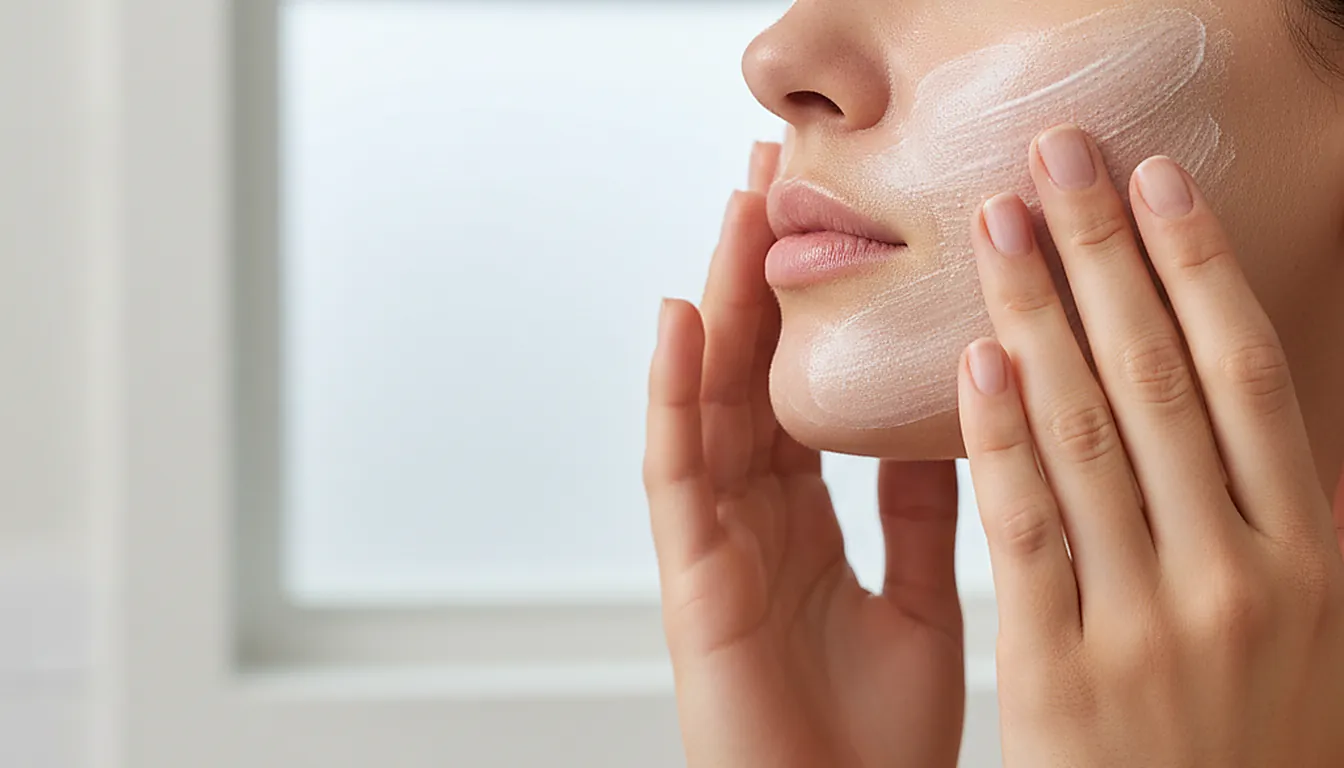
The Fix: Apply your moisturizer to damp skin. I like to do it right after cleansing, while my skin is still a little wet. This helps to lock in moisture. Also, use upward, circular motions to gently massage the moisturizer into your skin. This helps with absorption and also stimulates circulation. Think of your skin as a thirsty sponge – it needs to soak up all that goodness!
And a bonus tip? Pat, don’t rub, if you have sensitive skin. Rubbing can cause irritation.
Reason #3: Your Moisturizer Isn’t Occlusive Enough
Okay, let’s get a little sciency for a sec. Moisturizers work in a few different ways. Some are humectants (they draw moisture from the air into your skin), some are emollients (they soften and smooth the skin), and some are occlusives (they create a barrier on the skin to prevent moisture loss). If your moisturizer is lacking in occlusives, you might be losing moisture faster than you’re gaining it. Consider the **skin barrier function**.
The Fix: Look for moisturizers that contain occlusive ingredients like shea butter, ceramides, squalane, or even a thin layer of petroleum jelly (yes, really!). You can also layer an occlusive product on top of your regular moisturizer. Think of it as sealing in all the hydration.
Reason #4: Your Environment is Working Against You
Think about it – are you living in a dry climate? Are you blasting the AC or heat all day long? These things can suck the moisture right out of your skin, no matter how diligent you are with your skincare routine. This directly impacts **skin hydration levels**.
The Fix: Invest in a humidifier! Seriously, it’s a game-changer. It adds moisture back into the air, which helps to keep your skin hydrated. Also, try to avoid spending too much time in environments with extreme temperatures or low humidity.
Reason #5: You’re Not Drinking Enough Water
Okay, this one might seem obvious, but it’s worth mentioning. Your skin is your largest organ, and it needs water to function properly. If you’re dehydrated, it’s going to show on your skin, no matter how much moisturizer you use.
The Fix: Drink plenty of water throughout the day. Aim for at least eight glasses. And no, coffee and soda don’t count! Think of it this way: hydrated body, hydrated skin. Simple!
Reason #6: Ignoring Underlying Skin Conditions
Sometimes, persistent dry skin isn’t just about a bad moisturizer. It could be a sign of an underlying skin condition like eczema, psoriasis, or even a thyroid issue. These conditions can disrupt the skin’s natural barrier and make it difficult to retain moisture.
The Fix: If you’ve tried everything and your skin is still chronically dry and irritated, see a dermatologist. They can diagnose any underlying conditions and recommend a treatment plan that’s right for you. Don’t suffer in silence!
Product Recommendations: Moisturizers That Actually Work
Okay, now for the fun part! After years of experimenting, I’ve found a few moisturizers that I absolutely swear by. These are products that have consistently delivered hydration and helped me to achieve that healthy, glowing skin I’ve always wanted.
CeraVe Moisturizing Cream
This small shift made a visible difference.
This is a classic for a reason. It’s fragrance-free, non-comedogenic (meaning it won’t clog pores), and packed with ceramides, which help to repair the skin barrier. It’s a great all-around moisturizer for all skin types, especially those with sensitive skin.
- Pros: Affordable, widely available, fragrance-free, contains ceramides
- Cons: Can feel a bit heavy for very oily skin
- Who it’s for: Anyone with dry, sensitive, or normal skin
- Verdict: A reliable and effective moisturizer that’s great for everyday use.
La Roche-Posay Toleriane Double Repair Face Moisturizer UV SPF 30
I love this moisturizer because it’s hydrating *and* contains SPF! It’s lightweight, oil-free, and helps to protect your skin from sun damage. It’s also formulated with ceramides and niacinamide, which are great for improving skin tone and texture.
- Pros: Contains SPF, lightweight, oil-free, contains ceramides and niacinamide
- Cons: Can be a bit pricey
- Who it’s for: Anyone with normal to oily skin who wants a moisturizer with SPF
- Verdict: A great all-in-one moisturizer for daily use.
Weleda Skin Food
This is a cult favorite for a reason. It’s a rich, intensely hydrating cream that’s perfect for dry, rough skin. It contains a blend of natural oils and extracts, including lanolin, beeswax, and calendula. It’s a bit on the heavier side, so I like to use it as a night cream or on particularly dry areas.
- Pros: Intensely hydrating, contains natural ingredients
- Cons: Can be too heavy for oily skin, has a strong herbal scent
- Who it’s for: Anyone with very dry, rough skin
- Verdict: A powerful moisturizer that’s great for treating extremely dry skin.
Putting It All Together: A Simple Skincare Routine for Dry Skin
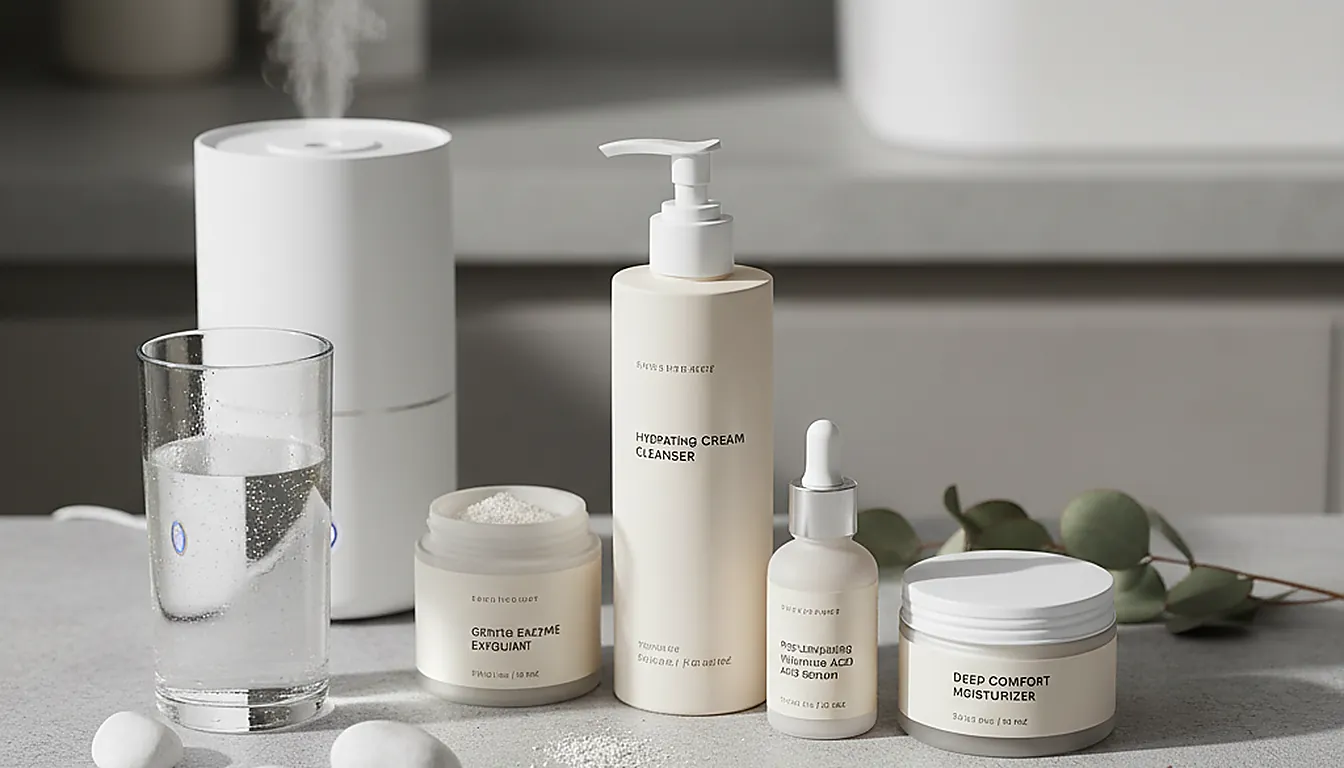
Here’s a basic skincare routine that you can adapt to your own needs:
- Cleanse: Use a gentle, hydrating cleanser. Avoid harsh soaps or sulfates.
- Exfoliate: 1-3 times per week, use a gentle exfoliant (AHA, BHA, or physical scrub).
- Serum (Optional): Apply a hydrating serum like hyaluronic acid.
- Moisturize: Apply your moisturizer to damp skin.
- Occlusive (Optional): Layer an occlusive product on top of your moisturizer (especially at night).
- SPF (Daytime): Apply sunscreen every morning.
The Takeaway: Listen to Your Skin
The most important thing is to pay attention to your skin and see what works for you. What works for me might not work for you, and that’s okay! Experiment with different products and techniques until you find a routine that keeps your skin happy and hydrated. Don’t be afraid to try new things and don’t give up! Healthy, hydrated skin is within your reach. You just need to give it a little love and attention. And remember, consistency is key! Sticking to a regular skincare routine will make a huge difference in the long run.
So, are you ready to ditch that disappointing moisturizer and finally achieve the glowing skin you’ve always dreamed of? I know you can do it! Now, go forth and hydrate!
Frequently Asked Questions
Why is my moisturizer not working, even though I apply it every day?
There could be several reasons. You might not be exfoliating enough, preventing the moisturizer from penetrating your skin. You might be applying it incorrectly (it’s best applied to damp skin). Your moisturizer might not be occlusive enough to seal in moisture. Or, your environment could be too dry, or you might simply not be drinking enough water.
How often should I exfoliate if I have dry skin?
Exfoliate gently 1-3 times per week. Over-exfoliating can damage your skin barrier and make dryness worse. Start slow and see how your skin responds. Consider using a chemical exfoliant like a gentle AHA or BHA toner, or a konjac sponge.
What are occlusive ingredients, and why are they important in a moisturizer?
Occlusive ingredients create a barrier on the skin to prevent moisture loss. Common occlusives include shea butter, ceramides, squalane, and petroleum jelly. They’re important because they help to seal in the hydration provided by humectants and emollients.
Can my environment affect how well my moisturizer works?
Yes! Dry climates and environments with constant air conditioning or heating can suck the moisture right out of your skin. Investing in a humidifier can help add moisture back into the air and improve skin hydration.
Besides moisturizer, what else can I do to improve my dry skin?
Drink plenty of water throughout the day. Use a gentle, hydrating cleanser. Consider adding a hydrating serum like hyaluronic acid to your routine. And, if your dry skin persists despite these efforts, see a dermatologist to rule out any underlying skin conditions.
What are ceramides and why are they important?
Ceramides are lipids (fats) that naturally occur in the skin and play a vital role in maintaining the skin’s barrier function. They help to hold skin cells together, preventing moisture loss and protecting against environmental aggressors. Using moisturizers with ceramides can help repair and strengthen the skin barrier, improving hydration and overall skin health.
Key Takeaways
- Okay, Let’s Talk About Dry Skin…And That Moisturizer That’s Just *Not* Cutting It
- Reason #1: You’re Not Exfoliating Enough (or at All!)
- Types of Exfoliation
- Reason #2: You’re Not Applying It Correctly
- Reason #3: Your Moisturizer Isn’t Occlusive Enough