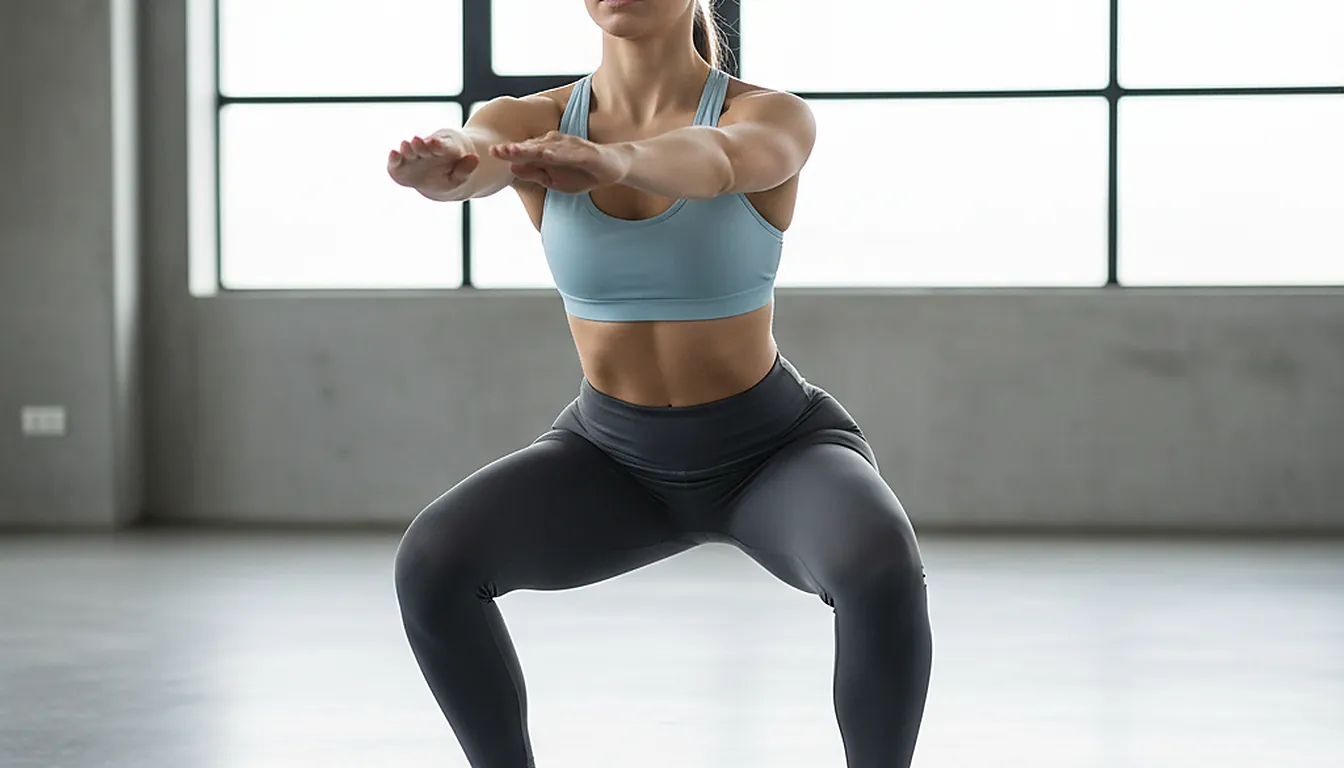
Hey Friends! Let’s Talk Yoga and Strength
Okay, so you know me, right? I’m all about finding the joy in movement, the fun in fitness. And lately, I’ve been hearing this question a *lot*: Is yoga really strength training? Like, can you *actually* build noticeable muscle with those poses and flows? It’s a question I’ve asked myself, especially since I’ve been trying to incorporate more mindful movement into my routine.
Table of Contents
- Hey Friends! Let’s Talk Yoga and Strength
- What Exactly *Is* Strength Training?
- Key Elements of Traditional Strength Training:
- Yoga: More Than Just Stretching and Breathing
- So, Can Yoga REALLY Build Strength?
- Benefits of Yoga as Strength Training:
- Yoga vs. Traditional Strength Training: A Head-to-Head Comparison
- My Personal Experience: Finding the Balance
- 5 Ways to Amp Up the Strength in Your Yoga Practice
- Listen to Your Body!
- The Verdict: Is Yoga *Really* Strength Training?
- Frequently Asked Questions
The short answer? It’s complicated. But the slightly longer, way more interesting answer? Keep reading, and we’ll unpack it all. We’ll dive into the nitty-gritty of what yoga strength training *actually* looks like, and whether it’s a viable option for achieving your fitness goals.
For me, it all started last year when I was feeling totally burnt out. Gym life felt like a chore, running felt like punishment, and I just needed something… different. My best friend, Sarah, practically dragged me to a yoga class, promising it was “more than just stretching.” I rolled my eyes, but went along. And you know what? I was surprised! My muscles were shaking in poses I thought were easy, and the next day? Oh boy, the soreness was real. It got me thinking: maybe there *is* something to this yoga thing…
So, let’s get into it, shall we?
What Exactly *Is* Strength Training?
Before we can decide if yoga fits the bill, we need to define strength training. In the most basic terms, it’s any exercise that forces your muscles to contract against resistance. This resistance can come from weights (dumbbells, barbells, kettlebells), your own body weight, or even resistance bands. The goal is to challenge your muscles so they adapt and become stronger over time. Think of classic exercises like squats, push-ups, and deadlifts.
Key Elements of Traditional Strength Training:
- Progressive Overload: Gradually increasing the weight, reps, or sets over time to continue challenging your muscles.
- Compound Exercises: Working multiple muscle groups simultaneously (like squats and deadlifts).
- Proper Form: Maintaining correct posture and technique to prevent injuries.
Yoga: More Than Just Stretching and Breathing
Okay, let’s be real. A lot of people still think of yoga as just a relaxing stretch session. And while it *can* be incredibly relaxing and improve flexibility, certain styles of yoga can definitely build strength. We’re talking about styles like:
- Ashtanga: A rigorous, physically demanding style that involves a set sequence of poses linked by breath.
- Power Yoga: A faster-paced, more athletic style derived from Ashtanga.
- Vinyasa: A dynamic style where poses flow seamlessly from one to another, often incorporating chaturangas (yoga push-ups).
These styles require you to hold poses for extended periods of time, using your own body weight as resistance. Think about holding plank pose – that’s *definitely* a strength exercise! Or warrior poses, where you’re engaging your leg muscles and core to maintain stability. Plus, many yoga poses engage multiple muscle groups at once, making them similar to compound exercises in traditional strength training.
So, Can Yoga REALLY Build Strength?
Yes, but with a few caveats. Yoga for strength can be effective, especially for beginners or those returning to exercise. You *will* build muscular endurance (the ability of your muscles to sustain effort over time) and improve your overall functional strength (the strength you need for everyday activities).
However, if your primary goal is to build significant muscle mass (hypertrophy) or lift heavy weights, yoga alone might not be enough. Traditional strength training with progressive overload is generally more efficient for those goals.
Benefits of Yoga as Strength Training:
- Improved Muscular Endurance: Holding poses builds stamina and endurance in your muscles.
- Enhanced Functional Strength: Yoga improves your ability to perform everyday movements with ease.
- Core Strength Development: Many yoga poses engage and strengthen your core muscles.
- Increased Body Awareness: Yoga improves your proprioception (your sense of body position and movement).
- Mind-Body Connection: Yoga connects your physical and mental states, promoting relaxation and stress reduction.
Yoga vs. Traditional Strength Training: A Head-to-Head Comparison
Let’s break it down with a little table.
| Feature | Yoga | Traditional Strength Training |
|---|---|---|
| Muscle Building (Hypertrophy) | Moderate (more endurance than mass) | High (more effective for building muscle mass) |
| Progressive Overload | Less direct (can be achieved through harder poses or longer holds) | More direct (easily achieved by increasing weight, reps, or sets) |
| Compound Exercises | Many poses engage multiple muscle groups | Focuses on compound exercises like squats, deadlifts, and bench press |
| Flexibility & Mobility | High | Lower (requires separate stretching) |
| Cardiovascular Benefits | Moderate (depending on the style) | Low to Moderate (depending on rest periods) |
| Mind-Body Connection | High | Lower |
My Personal Experience: Finding the Balance
So, where do I stand now? Well, I’ve found that the best approach for me is a combination of both yoga and traditional strength training. I love lifting weights a few times a week to build and maintain muscle mass, and then I incorporate yoga for flexibility, mobility, and stress reduction. This combo keeps my body feeling strong, balanced, and happy.

Honestly, it’s a tiny tweak—with a steady payoff.
Remember Sarah, my friend who got me into this mess? She now swears by combining her weight lifting with hot yoga for recovery. Hot yoga strength training is her jam! She claims the heat allows her to stretch deeper and really get the most out of the poses.
5 Ways to Amp Up the Strength in Your Yoga Practice
Want to get more of a strength workout from your yoga practice? Here are a few tips:
- Hold Poses Longer: Increase the amount of time you hold each pose to challenge your muscles further.
- Focus on Proper Alignment: Correct alignment ensures you’re engaging the right muscles and maximizing the benefits of each pose.
- Incorporate Variations: Try more challenging variations of poses, such as adding arm balances or inversions.
- Engage Your Core: Consciously engage your core muscles throughout your practice to improve stability and strength.
- Add Resistance: Use light weights or resistance bands to increase the intensity of certain poses.
Listen to Your Body!
The most important thing, whether you’re doing yoga, lifting weights, or just going for a walk, is to listen to your body. Pay attention to any pain or discomfort, and modify poses or exercises as needed. Don’t push yourself too hard, especially when you’re first starting out. Remember, it’s a journey, not a race!
The Verdict: Is Yoga *Really* Strength Training?
In conclusion, yes, yoga *can* be a form of strength training, especially when practiced in more dynamic styles. It’s fantastic for building muscular endurance, improving functional strength, and enhancing your mind-body connection. However, if your primary goal is to build significant muscle mass, you’ll likely need to incorporate traditional strength training into your routine. The best approach is often a combination of both, tailored to your individual goals and preferences.
So, next time someone asks you, “Is yoga really strength training?” you’ll have a well-informed answer. And maybe, just maybe, you’ll inspire them to give it a try!
Now tell me, what are your thoughts? Have you seen strength gains from yoga? Let’s chat in the comments!
Frequently Asked Questions
Is yoga good for building muscle?
Yoga can help build muscle endurance and functional strength, but it may not be as effective as traditional strength training for building significant muscle mass (hypertrophy).
What types of yoga are best for strength training?
Styles like Ashtanga, Power Yoga, and Vinyasa are more physically demanding and can help build strength by utilizing body weight as resistance.
Can yoga replace traditional strength training?
For beginners or those returning to exercise, yoga can be a good starting point. However, if your primary goal is to build significant muscle mass or lift heavy weights, traditional strength training with progressive overload is generally more efficient.
What are the benefits of yoga for strength training?
Yoga improves muscular endurance, enhances functional strength, develops core strength, increases body awareness, and fosters a strong mind-body connection.
How can I increase the strength-building aspects of my yoga practice?
You can hold poses for longer durations, focus on proper alignment, incorporate variations of poses, actively engage your core, and even add light weights or resistance bands.
Is hot yoga good for strength training?
Some people find hot yoga beneficial for strength training and recovery, as the heat may allow for deeper stretches. However, ensure you stay hydrated and listen to your body.
Key Takeaways
- Hey Friends! Let’s Talk Yoga and Strength
- What Exactly *Is* Strength Training?
- Key Elements of Traditional Strength Training
- Yoga: More Than Just Stretching and Breathing
- So, Can Yoga REALLY Build Strength?