Hey Friends! Let’s Talk Yoga & Strength
Okay, so I’ve been doing yoga for, well, let’s just say a *long* time. And honestly, for years I thought of it as my chill-out time, my flexibility booster, maybe even a bit of a mental reset. Strength training? Nah, that was for the gym, right? Lifting weights, grunting (okay, maybe I don’t grunt!), and generally feeling the burn. But then, I started noticing things. Muscles I didn’t know I had started popping up. My balance got ridiculously better. And I could hold plank for… well, let’s just say longer than I ever thought possible. So, the question popped into my head, the same one I’m sure you’re asking now: Is Yoga Really Strength Training?
Table of Contents
- Hey Friends! Let’s Talk Yoga & Strength
- What Kind of Strength Are We Talking About?
- Functional Strength: Strength for Real Life
- Endurance: Holding Strong for Longer
- How Yoga Builds Strength: The Key Elements
- Yoga Poses That Seriously Build Strength
- The Benefits of Yoga Beyond Strength
- Can Yoga Replace Traditional Strength Training?
- The Ideal Combination: Yoga and Strength Training
- Here’s how I like to incorporate both into my week:
- Real Talk: My Overthinking Moment
- So, Is Yoga Really Strength Training? The Verdict
Turns out, the answer is a resounding… it’s complicated! But in a good way. Let’s dive into the surprising truth behind yoga and strength. We’ll explore how it works, what kind of strength you can expect, and whether you should ditch the dumbbells altogether (spoiler alert: probably not!).
What Kind of Strength Are We Talking About?
When we think of strength training, many of us immediately picture bulging biceps and the ability to bench press a small car. While yoga *can* contribute to muscle development, it’s crucial to understand that it primarily builds a different kind of strength – functional strength and endurance.
Functional Strength: Strength for Real Life
Functional strength is all about building strength that translates directly to everyday activities. Think about it: carrying groceries, lifting your kids, gardening, or even just maintaining good posture at your desk. Yoga excels at improving functional strength because it often involves holding your own body weight in various poses, engaging multiple muscle groups simultaneously. For example, a simple Warrior II pose works your legs, core, and shoulders – all at the same time!
Endurance: Holding Strong for Longer
Beyond functional strength, yoga is a fantastic way to build muscular endurance. Holding poses for extended periods requires your muscles to work continuously, improving their ability to resist fatigue. This is why you might find yourself feeling less tired after a long day on your feet or having more energy for your favorite activities. Think of it like this: it’s not about how *much* you can lift, but how *long* you can lift it.
How Yoga Builds Strength: The Key Elements
So, how exactly does yoga build strength? Here are a few of the key elements:
- Bodyweight Resistance: Many yoga poses utilize your own body weight as resistance, challenging your muscles to work against gravity. This is similar to exercises like push-ups or planks.
- Isometric Contractions: Holding poses involves isometric contractions, where your muscles are engaged but not changing in length. This type of contraction is excellent for building strength and stability. Think of holding a plank – your core is working hard to keep you stable, even though you’re not moving.
- Core Engagement: Yoga emphasizes core engagement in almost every pose. A strong core is essential for stability, balance, and overall strength. It’s the foundation for all your movements.
- Mind-Body Connection: Yoga is not just about physical strength; it’s also about developing a strong mind-body connection. This connection allows you to better control your movements, engage the correct muscles, and prevent injuries.
Yoga Poses That Seriously Build Strength
Okay, let’s get practical. Which yoga poses are the real strength builders? Here are a few of my favorites:
- Plank (Phalakasana): I mean, duh. This is the ultimate core strengthener. Focus on keeping your body in a straight line from head to heels, engaging your core and glutes.
- Chaturanga Dandasana (Four-Limbed Staff Pose): The yoga “push-up.” It’s tough, but so effective for building upper body and core strength. Proper form is key here to avoid injury.
- Warrior Poses (Virabhadrasana I, II, III): These poses build leg strength, improve balance, and engage your core. Each variation offers a unique challenge.
- Chair Pose (Utkatasana): This pose targets your quads, glutes, and core. Imagine you’re sitting in an invisible chair and hold the pose for as long as you can.
- Boat Pose (Navasana): A fantastic core strengthener that also works your hip flexors. There are different variations, making it accessible for different levels.
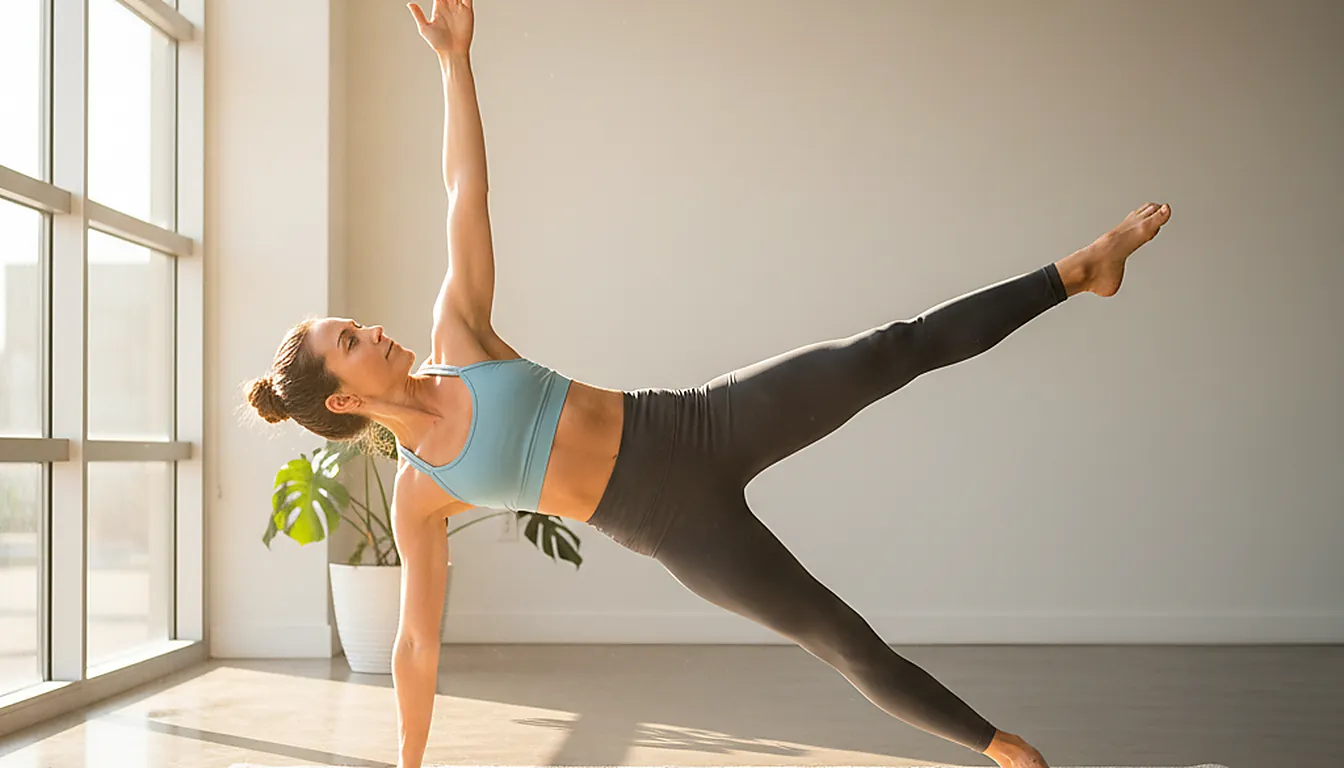
- Side Plank (Vasisthasana): This variation of plank works the obliques, shoulders, and legs, and improves overall stability.
The Benefits of Yoga Beyond Strength
Let’s be honest, the benefits of yoga extend far beyond just strength. This is a big part of why I love it so much. Here are some added bonuses:
- Improved Flexibility: Yoga stretches and lengthens your muscles, improving your overall flexibility and range of motion.
- Reduced Stress: Yoga promotes relaxation and reduces stress levels through mindful movement and breathing exercises.
- Improved Balance: Many yoga poses challenge your balance, improving your stability and coordination.
- Increased Body Awareness: Yoga encourages you to pay attention to your body and its sensations, increasing your body awareness.
- Better Posture: Strengthening your core and back muscles through yoga can improve your posture and reduce back pain.
Can Yoga Replace Traditional Strength Training?
This is the million-dollar question, isn’t it? And the answer, as I hinted at earlier, is probably not entirely. While yoga can build strength and endurance, it may not be sufficient if your goal is to build significant muscle mass or lift heavy weights. Traditional strength training with weights allows you to progressively overload your muscles, leading to greater muscle growth.
Think of it this way: yoga is like bodyweight training on steroids (metaphorically, of course!). It’s fantastic for overall fitness, functional strength, and injury prevention. But if you’re aiming to compete in powerlifting, you’ll definitely need to hit the weights room.
The Ideal Combination: Yoga and Strength Training
For me, the best approach is a combination of yoga and strength training. Yoga can complement your weightlifting routine by improving your flexibility, balance, and body awareness, reducing your risk of injury. Strength training can help you build more muscle mass and power, which can enhance your yoga practice.
Here’s how I like to incorporate both into my week:

Here’s where it feels real for me.
- Strength Training: 2-3 days per week, focusing on compound exercises like squats, deadlifts, and presses.
- Yoga: 2-3 days per week, incorporating a mix of Vinyasa flow and restorative yoga.
- Rest: 1-2 days per week to allow my body to recover and rebuild.
Real Talk: My Overthinking Moment
Okay, so I told you I’d share a personal story about overthinking, and here it is. A few years ago, I was training for a half-marathon. I was following a pretty intense training plan, and I started noticing a nagging pain in my knee. Immediately, my brain went into overdrive. “Is it a serious injury? Will I have to drop out of the race? What if I never run again?!” I spent hours online, diagnosing myself with every possible knee injury imaginable. I was a mess! The overthinking was actually *worsening* the pain because I was so stressed and tense.
Finally, I decided to take a step back and apply some of the principles I’d learned through yoga. I focused on my breath, I did some gentle stretches, and I decided to listen to my body. Instead of pushing through the pain, I rested. I saw a physical therapist who gave me some targeted exercises. And guess what? The pain subsided, and I was able to run the half-marathon (albeit a little slower than planned!).
The lesson I learned was that overthinking can be paralyzing. Sometimes, the best thing you can do is to step away from the analysis and take action, even if it’s just a small step. In my case, the “action” was rest and seeking professional help. But it broke the cycle of overthinking and allowed me to heal.
So, Is Yoga Really Strength Training? The Verdict
Yes, yoga *is* a form of strength training, but it’s a different kind of strength than you might get from lifting weights. It’s about functional strength, endurance, and building a strong mind-body connection. For optimal fitness, consider combining yoga with traditional strength training to reap the benefits of both worlds.
Ready to Get Started?
If you’re new to yoga, start with beginner classes or online tutorials. Focus on proper form and listen to your body. Don’t push yourself too hard, especially in the beginning. And most importantly, have fun! Yoga is a journey, not a destination.
And if you’re a seasoned weightlifter, give yoga a try! You might be surprised at how much it can improve your overall fitness and reduce your risk of injury.
Namaste (and happy lifting!).
Frequently Asked Questions
Can yoga build muscle?
Yoga can contribute to muscle development, especially functional strength and endurance, but it may not be as effective as traditional weightlifting for building significant muscle mass.
What type of strength does yoga build?
Yoga primarily builds functional strength (strength for everyday activities) and muscular endurance (the ability to hold poses for extended periods).
Is yoga a good replacement for weightlifting?
While yoga offers numerous benefits, it’s generally not a complete replacement for weightlifting if your primary goal is to build significant muscle mass or power. A combination of both is often ideal.
What are some yoga poses that build strength?
Effective strength-building yoga poses include plank, chaturanga, warrior poses, chair pose, boat pose, and side plank.
What are the benefits of combining yoga and strength training?
Combining yoga and strength training can improve flexibility, balance, body awareness, and reduce the risk of injury. Strength training can also enhance your yoga practice by building more muscle mass and power.
How often should I do yoga to see strength gains?
Practicing yoga 2-3 times per week can be a great way to build strength and improve your overall fitness. Consistency is key!
Key Takeaways
- Hey Friends! Let’s Talk Yoga & Strength
- What Kind of Strength Are We Talking About?
- Functional Strength: Strength for Real Life
- Endurance: Holding Strong for Longer
- How Yoga Builds Strength: The Key Elements