Okay, so I was that girl. The one standing in the skincare aisle, tears welling up, staring at a wall of products promising miracles. My face? A battlefield. Red, inflamed, covered in angry little volcanoes that made me want to hide under a rock. I had acne—bad. And I had tried everything. Benzoyl peroxide? Dried me out like the Sahara. Salicylic acid? Made me peel like a snake. I was desperate. And honestly? Pretty defeated. But then I started digging deep into the world of organic face cream for acne-prone skin, and you know what? Everything changed.
The Harsh Truth About My Skin (And Why I Ditched the Chemicals)
I was a corporate burnout, remember? Spent years in a high-stress environment, fueled by coffee and sheer willpower. My skin? Suffered. I was loading up on harsh chemicals, convinced I needed the strongest stuff out there to “fix” the problem. Big mistake. Huge. What I didn’t realize was I was actually damaging my skin barrier, making things worse. It was a vicious cycle. That’s when I took a long, hard look at my lifestyle—and my skincare. That’s when I learned that less is often more, and that natural, organic ingredients could actually heal my skin. The journey wasn’t easy, but finding the right organic face cream for acne-prone skin was the turning point. It was like I was finally giving my skin what it was actually craving.
Let me be real for a sec: the skincare industry is full of marketing BS. “Miracle creams,” “instant results,” blah, blah, blah. I’m here to tell you, it’s not always true. Especially when you’re dealing with acne. That’s why I’m here to share what worked for me, and I’m hoping it does the trick for you.
Why Organic Matters: The Good Stuff vs. The Bad Stuff
So, why go organic? Well, think of your skin like a sponge. It absorbs everything you put on it. Conventional skincare is often loaded with synthetic chemicals, parabens, sulfates, and artificial fragrances – all of which can irritate sensitive skin, disrupt your hormones, and even contribute to breakouts.
Here’s a quick comparison of what you don’t want in your skincare versus what you do want.
Avoid These Ingredients
Parabens (potential hormone disruptors)
Sulfates (can strip your skin of natural oils)
Synthetic fragrances (can cause irritation)
Phthalates
Mineral oil (can clog pores)
Silicones (can trap impurities)
Embrace These Ingredients
Aloe Vera (soothes and hydrates)
Tea Tree Oil (antibacterial and anti-inflammatory)
Hyaluronic Acid (hydrates and plumps)
Green Tea Extract (antioxidant and anti-inflammatory)
Calendula (soothes and calms)
Jojoba Oil (mimics skin’s natural oils)
Organic skincare, on the other hand, is all about harnessing the power of nature. Think plant-based ingredients, essential oils, and gentle formulas that work with your skin, not against it. It’s about nourishment, not harshness. It’s what helped my skin go from sad to radiant.
My First (Epic) Skincare Fail
I’ll be honest: My first foray into organic skincare was a disaster. I bought this super-expensive cream at a fancy health store, convinced it was the answer. It smelled amazing, had beautiful packaging, and promised to erase all my sins… but it broke me out worse. I kid you not, I had an entire new crop of zits blooming within days. Total waste of money. I felt so discouraged I almost gave up. But I didn’t!
Lesson learned: Read the labels! Just because something is organic doesn’t mean it’s right for your skin.
Client Story: Sarah’s Transformation
I have a client named Sarah, a teacher, who had a similar experience. She had terrible acne and was battling it with every product available at the pharmacy, but nothing helped. Her skin was sensitive, and the products were making it worse. We started by ditching all the harsh stuff, and slowly introduced a gentle, organic face cream for acne-prone skin containing tea tree oil and aloe vera. Within a month, her skin had significantly improved. Six months later? Clear skin. Sarah said it transformed her confidence, and I believe her. She glows now!
The Key Ingredients You Need in Your Organic Acne Cream
Okay, so let’s get down to the nitty-gritty. What ingredients should you actually look for in an organic face cream for acne-prone skin? Here are my absolute must-haves:
Tea Tree Oil: This is my holy grail. A natural antibacterial and anti-inflammatory, it helps to kill acne-causing bacteria and reduce redness. Aloe Vera: Soothes irritated skin and promotes healing. It’s like a big, refreshing hug for your face. Hyaluronic Acid: Hydrates the skin without clogging pores. Yes, even acne-prone skin needs hydration! Green Tea Extract: Packed with antioxidants to protect your skin from free radical damage. Jojoba Oil: Mimics your skin’s natural oils, so it’s less likely to cause breakouts. Calendula: Calming and soothing, perfect for sensitive, acne-prone skin.
Emma’s Top 3 Organic Face Cream Picks (Tested & Approved!)
After years of trial and error (and a whole lot of money wasted!), I’ve narrowed it down to my top three favorite organic face creams for acne-prone skin. These are the ones that actually work.
The “Everyday Hero”
This is my go-to for daily use. Lightweight, absorbs quickly, and packed with gentle ingredients.
Key Ingredients: Tea Tree Oil, Aloe Vera, and Hyaluronic Acid.
Why I Love It: It keeps my skin hydrated and blemish-free without feeling heavy or greasy.
The “Rescue Cream”
When my skin flares up, this is the cream I reach for. It’s a bit thicker, but oh-so-soothing.
Key Ingredients: Calendula, Jojoba Oil, and Green Tea Extract.
Why I Love It: It calms redness, reduces inflammation, and helps heal blemishes faster.
The “Nighttime Nourisher”
This is a richer cream I use at night to give my skin some extra TLC while I sleep.
Key Ingredients: Jojoba Oil, Aloe Vera, and a hint of Lavender Oil (for relaxation!).
Why I Love It: Wakes me up with soft, glowing skin. It’s like a spa treatment every night!
Important Note: I can’t share the exact brands I use because the FDA regulates product claims, but these ingredient lists should help you find similar products. Google the ingredients!
My Unexpected Plot Twist: Diet & Acne
Okay, so here’s a plot twist. I thought skincare was the only answer. But it wasn’t. While organic face cream for acne-prone skin was a huge part of the solution, I learned that diet plays a massive role in skin health. I cut out refined sugars and processed foods. I started eating more whole foods, like fruits, vegetables, and lean protein. I drank tons of water. And you know what? My skin started clearing up even faster. Life Audit: The 3 Areas You Need to Review Before the New Year If you’re struggling with acne, take a look at your diet. You might be surprised.
Building Your Organic Skincare Routine: A Step-by-Step Guide
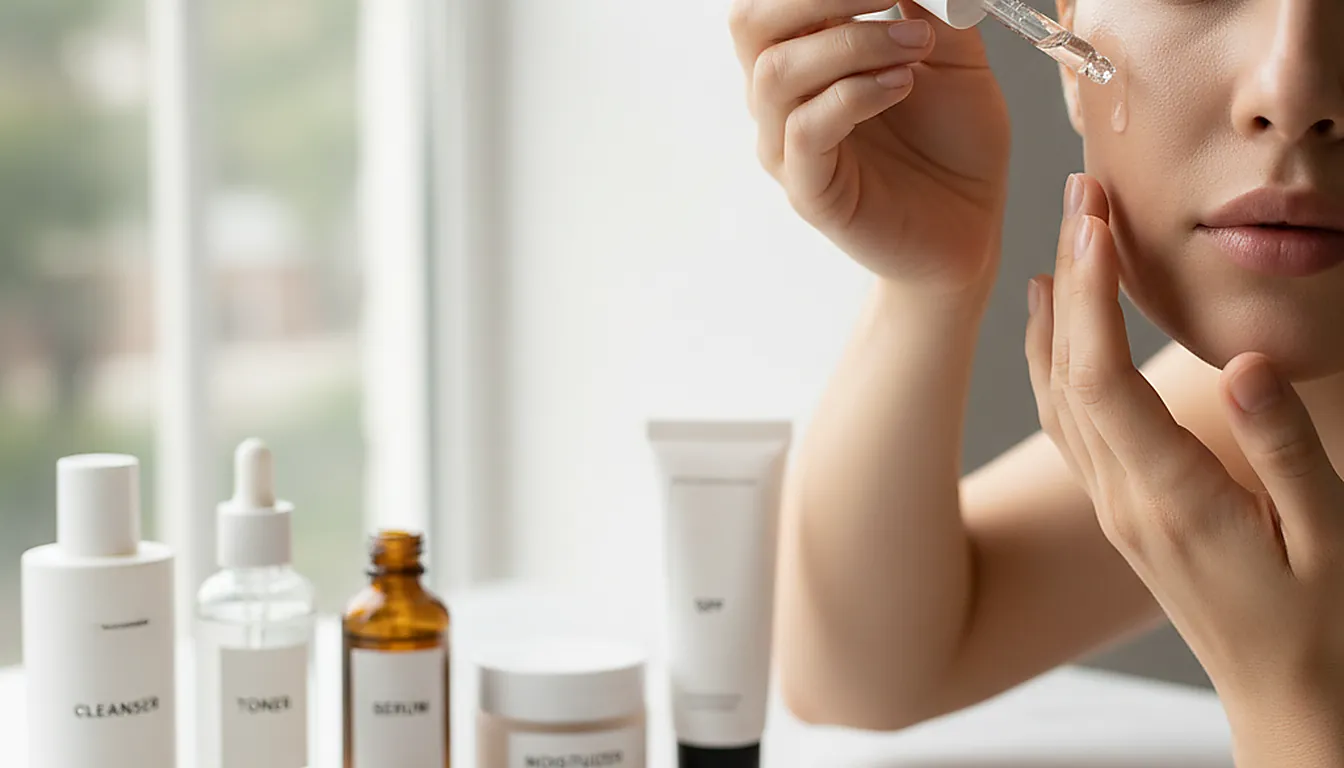
So, you’ve got your organic face cream for acne-prone skin. Now what? Here’s a simple, effective routine you can follow, morning and night:
Time
Step
Product
Notes
Morning
Cleanse
Gentle, organic cleanser
Look for one without harsh sulfates.
Tone
Alcohol-free, organic toner
Optional, but can help balance pH.
Serum (optional)
Vitamin C serum (antioxidant)
Apply before your cream.
Moisturize
Your chosen organic face cream
Apply a thin layer.
Sunscreen (crucial!)
Broad-spectrum SPF 30+
Protect your skin from sun damage.
Evening
Cleanse
Same as morning.
Double cleanse if you wear makeup.
Toner (optional)
Same as morning.
Serum (optional)
Retinol serum (use sparingly)
Introduce slowly, if you choose to.
Moisturize
Your chosen organic face cream
Apply a slightly thicker layer at night.
Pro-Tip: Consistency is key! Stick to this routine every day (yes, even when you’re tired!). You’ll start to see results within a few weeks. My 5-Minute Smoothie Recipes: Blast Through Fatigue & Conquer Your Day!
Real-Life Story: The Power of Consistency
I remember working with a client, let’s call her Jessica, who was skeptical about a routine. She’d try a product for a few days, get impatient, and then switch to something new. Her skin was a mess. I convinced her to stick with the routine above. For. Six. Weeks. The first two weeks, nothing. She wanted to quit! But I told her to hang in there. Week three, she noticed a tiny improvement. By week six? Clear skin, a massive reduction in breakouts, and an insane level of confidence. Consistency wins, girl!
Common Questions About Organic Face Creams for Acne-Prone Skin (Answered!)
Okay, let’s tackle some of the burning questions I get all the time.
Q: Will an organic face cream cure my acne?
A: No, probably not. Acne is complicated. But a good organic face cream for acne-prone skin can absolutely help manage and reduce breakouts. It’s about finding the right products, combined with a healthy lifestyle.
Q: Are organic products more expensive?
A: Sometimes, yes. But the good news is there are plenty of affordable options out there. And in the long run, investing in your skin health is worth it. Plus, you’re saving your skin from all those nasty chemicals!
Q: How long will it take to see results?
A: Be patient! It can take anywhere from a few weeks to a few months to see significant improvement. Stick with it, and trust the process.
Q: I have super-sensitive skin. Are organic products safe for me?
A: Generally, yes! But always do a patch test before applying a new product to your entire face. And choose products with gentle, soothing ingredients.
Q: What if I’m allergic to an ingredient in my organic cream?
A: Always read the ingredient list! If you know you’re allergic to a specific plant or oil, avoid products containing it. It’s trial and error.
Q: Can I use an organic face cream with other acne treatments?
A: Maybe. Always consult with a dermatologist or skincare professional. You don’t want to overdo it!
Q: Is organic skincare really worth it?
A: Absolutely, in my opinion! I’m a huge advocate for listening to your skin and being kind to your body. Making the switch to a good organic face cream for acne-prone skin was one of the best things I’ve done for myself.
The Bottom Line: Clear Skin is Possible (Without the Chemicals!)
Listen, I know how frustrating acne can be. I’ve been there. I get it. But finding the right organic face cream for acne-prone skin can be a game-changer. It’s about listening to your skin, choosing gentle, nourishing ingredients, and being consistent. It’s about giving yourself grace and patience. It’s about saying, “I deserve to feel good in my own skin.” I’m not going to lie, the journey takes a bit of research and experimentation, but trust me, it’s worth it. You are worth it.
So, go forth, explore, and find the perfect organic cream for your skin. Your future, glowing self will thank you.
{
“@context”: “https://schema.org”,
“@type”: “FAQPage”,
“mainEntity”: [{“@type”:”Question”,”name”:”I have super-sensitive skin. Are organic products safe for me?”,”acceptedAnswer”:{“@type”:”Answer”,”text”:”Generally, yes! But always do a patch test before applying a new product to your entire face. And choose products with gentle, soothing ingredients.”}}]
{
“@context”: “https://schema.org”,
“@type”: “FAQPage”,
“mainEntity”: [{“@type”:”Question”,”name”:”What if I’m allergic to an ingredient in my organic cream?”,”acceptedAnswer”:{“@type”:”Answer”,”text”:”Always read the ingredient list! If you know you’re allergic to a specific plant or oil, avoid products containing it. It’s trial and error.”}}]
{
“@context”: “https://schema.org”,
“@type”: “FAQPage”,
“mainEntity”: [{“@type”:”Question”,”name”:”Can I use an organic face cream with other acne treatments?”,”acceptedAnswer”:{“@type”:”Answer”,”text”:”Maybe. Always consult with a dermatologist or skincare professional. You don’t want to overdo it!”}}]
{
“@context”: “https://schema.org”,
“@type”: “FAQPage”,
“mainEntity”: [{“@type”:”Question”,”name”:”Is organic skincare really worth it?”,”acceptedAnswer”:{“@type”:”Answer”,”text”:”Absolutely, in my opinion! I’m a huge advocate for listening to your skin and being kind to your body. Making the switch to a good organic face cream for acne-prone skin was one of the best things I’ve done for myself.”}}]
{
“@context”: “https://schema.org”,
“@type”: “FAQPage”,
“mainEntity”: [{“@type”:”Question”,”name”:”Will an organic face cream cure my acne?”,”acceptedAnswer”:{“@type”:”Answer”,”text”:”No, probably not. Acne is complicated. But a good organic face cream for acne-prone skin can absolutely help manage and reduce breakouts. It’s about finding the right products, combined with a healthy lifestyle.”}}]
{
“@context”: “https://schema.org”,
“@type”: “FAQPage”,
“mainEntity”: [{“@type”:”Question”,”name”:”Are organic products more expensive?”,”acceptedAnswer”:{“@type”:”Answer”,”text”:”Sometimes, yes. But the good news is there are plenty of affordable options out there. And in the long run, investing in your skin health is worth it. Plus, you’re saving your skin from all those nasty chemicals!”}}]
{
“@context”: “https://schema.org”,
“@type”: “FAQPage”,
“mainEntity”: [{“@type”:”Question”,”name”:”How long will it take to see results?”,”acceptedAnswer”:{“@type”:”Answer”,”text”:”Be patient! It can take anywhere from a few weeks to a few months to see significant improvement. Stick with it, and trust the process.”
Ready to get your summer glow on? Discover the skincare routine that gave me radiant skin in just 7 days. This article shares the exact steps, product recommendations, and expert tips you need to achieve your best summer skin, complete with my own embarrassing skincare fails and amazing successes.