Key Takeaways & Executive Summary:
- Stratum Corneum Architecture: The skin barrier functions like a brick-and-mortar wall where corneocytes represent bricks and intercellular lipids act as the mortar.
- The Golden 3:1:1 Ratio: Optimal lipid replenishment requires a precise physiological ratio of ceramides, cholesterol, and free fatty acids.
- Common Triggers: Over-cleansing, aggressive acids, climate fluctuations, and alkaline water strip vital structural lipids.
- Clinical Protocol: Scale back active exfoliants, introduce pH-balanced gentle cleansers, and seal moisture with occlusive emollients.
Understanding the Dermal Acid Mantle
The skin’s outermost defense layer?the stratum corneum?operates as our biological shield against pathogens, environmental oxidative stressors, and transepidermal water loss (TEWL). When healthy, this sophisticated matrix retains optimal cellular hydration while defending underlying capillary networks. However, overzealous use of foaming surfactants and high-frequency chemical peels often destabilizes this acidic environment, elevating surface pH from its ideal 4.7-5.5 range to an alkaline baseline that degrades innate antimicrobial enzymes.
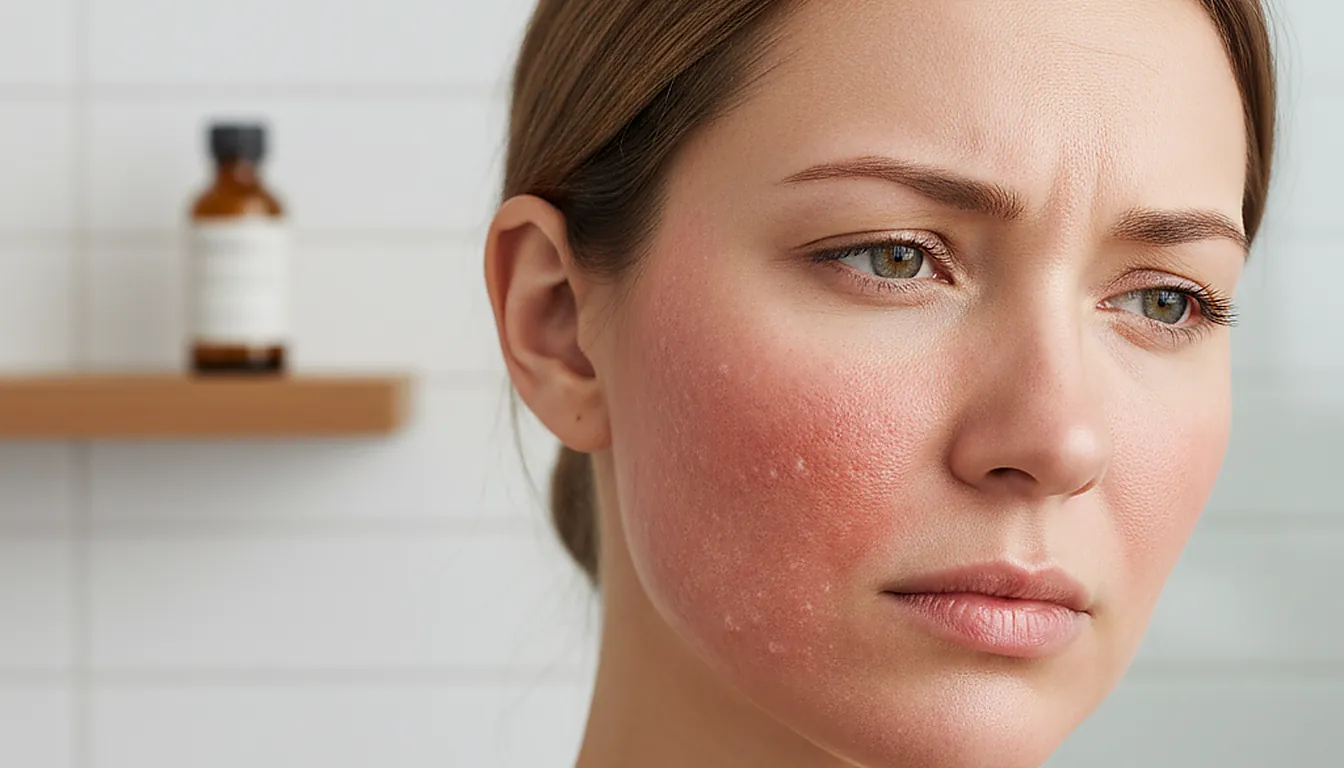
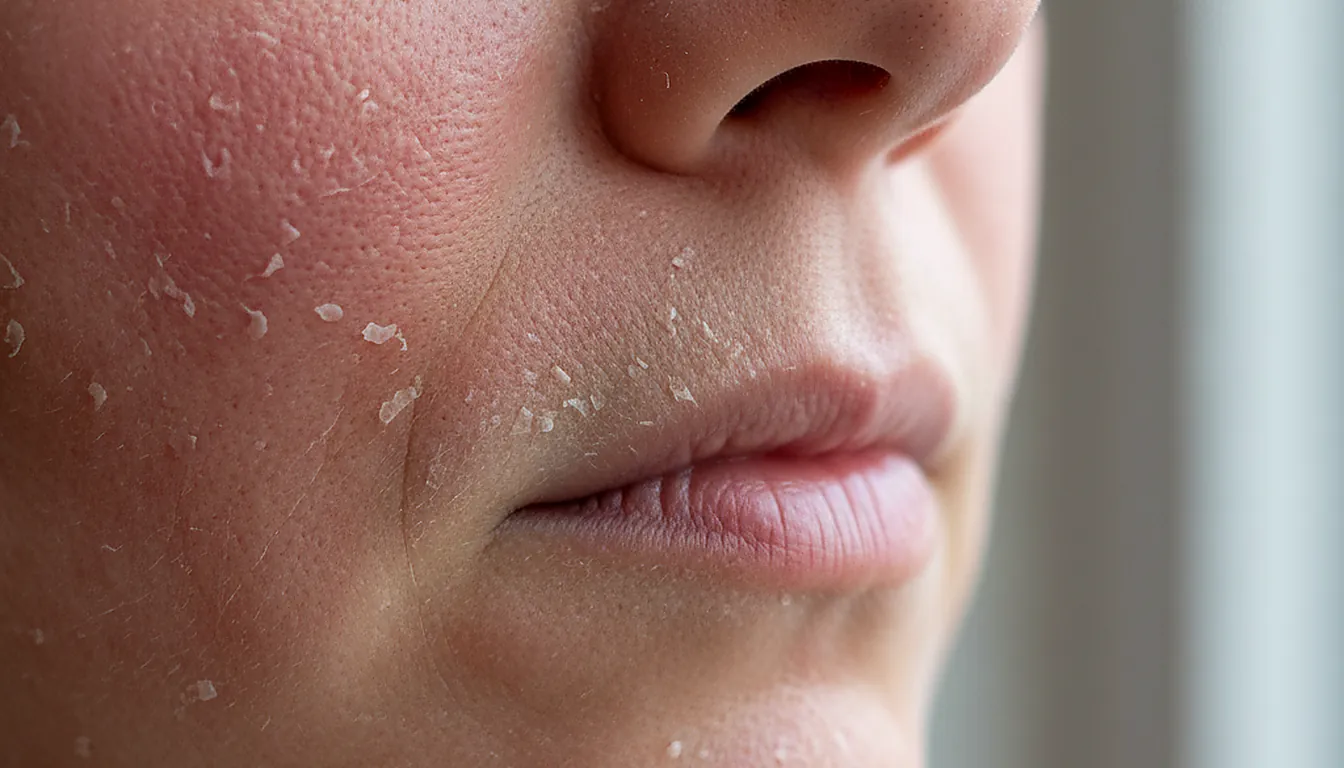
Clinical signs of an impaired barrier include persistent erythema, stinging sensations upon applying basic humectants, micro-flaking, and rebound sebum overproduction. Restoring homeostasis requires replacing synthetic strip-down habits with bio-identical restorative lipid therapy.
The Biochemical Mechanism of Lipid Bilayer Recovery
At a cellular level, intercellular lipids comprise roughly 50% ceramides, 25% cholesterol, and 15% free fatty acids by mass. Deviations from this delicate balance compromise structural integrity. Ceramides (particularly Ceramide NP, AP, and EOP) lock moisture into cell membranes, while cholesterol provides membrane fluidity and fatty acids contribute to antimicrobial resistance.
| Component | Physiological Role | Key Active Ingredients |
|---|---|---|
| Ceramides | Intercellular cohesion and water retention | Ceramide NP, Ceramide AP, Phytosphingosine |
| Cholesterol | Membrane fluidity and flexibility | Plant sterols, Bio-cholesterol |
| Fatty Acids | Acid mantle pH regulation | Linoleic acid, Oleic acid, Borage seed oil |
Practical Steps to Reset Compromised Skin
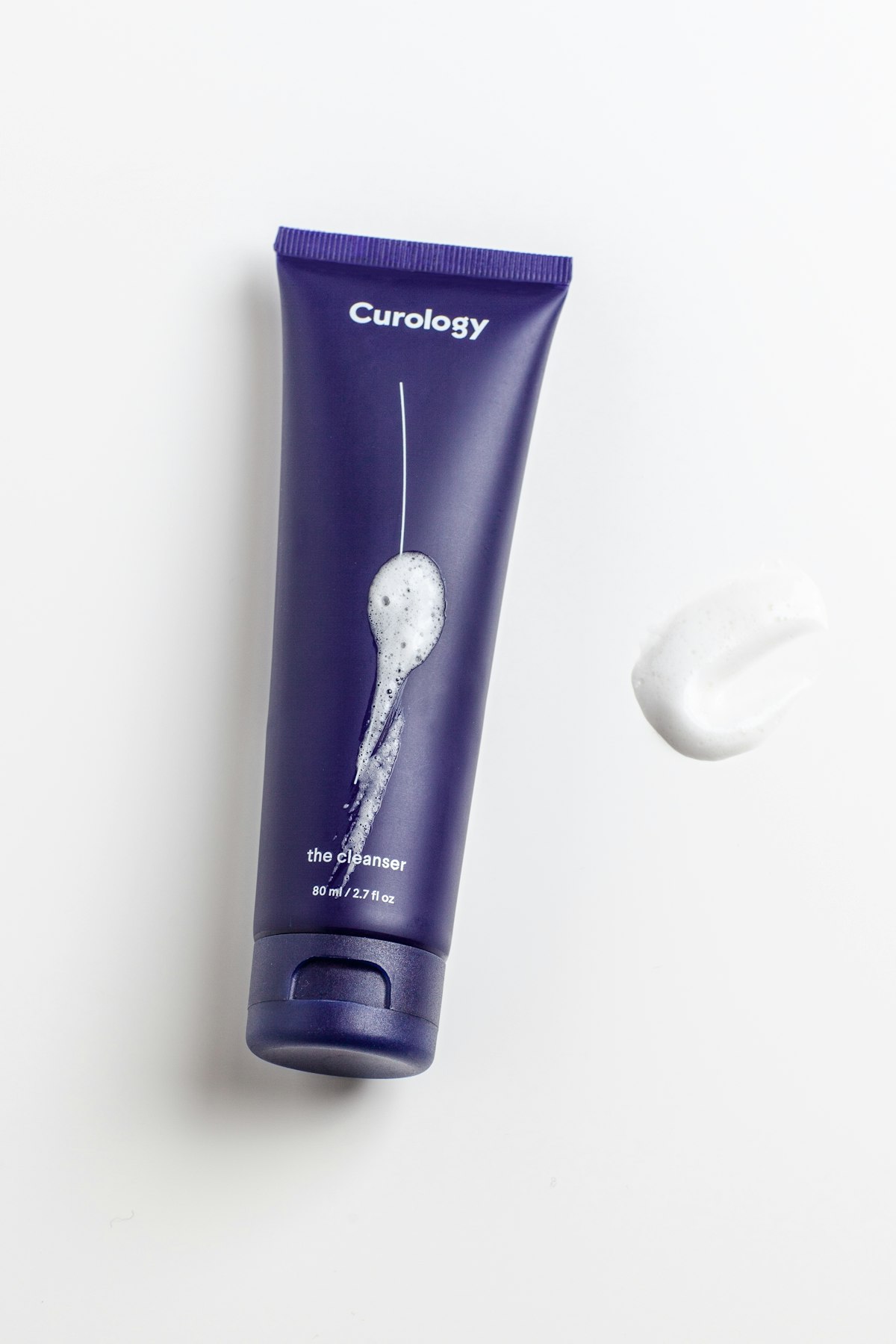
When beginning a restorative intervention, immediately eliminate all direct retinoids, ascorbic acid concentrations above 10%, and mechanical brushes for a minimum 14-day reset period. Cleanse solely with non-foaming, sulfate-free creamy balms using lukewarm water?never scalding water, which dissolves essential sebum.
Follow immediately with an essence containing panthenol (provitamin B5) and madecassoside while skin remains slightly damp to optimize permeability. Conclude with a barrier cream packed with squalane and colloidal oatmeal to provide immediate occlusive security without clogging follicular pores.
Clinical Pro-Tip:
Always apply your lipid-rich creams within 60 seconds of washing your face. Applying moisturizer to slightly damp skin traps ambient atmospheric water molecules beneath the lipid matrix, slashing transepidermal water loss by up to 40% compared to dry application.
The Bottom Line on Barrier Longevity
True skin radiance is never born from aggressive stripping or daily peel regimens; it is the natural byproduct of a robust, self-regulating barrier. By honoring your skin’s biochemical blueprint with physiological lipids, pH-conscious cleansers, and diligent sun defense, you cultivate a resilient complexion capable of defending against modern environmental pollution.