Key Takeaways & Executive Summary:
- Gold Standard Molecule: Pure L-ascorbic acid at 15% concentration offers unmatched scavenging of reactive oxygen species (ROS) and tyrosinase inhibition.
- Formulation Chemistry: Effective dermal penetration demands an aqueous formula calibrated to a pH between 2.5 and 3.5, bolstered by ferulic acid and alpha-tocopherol.
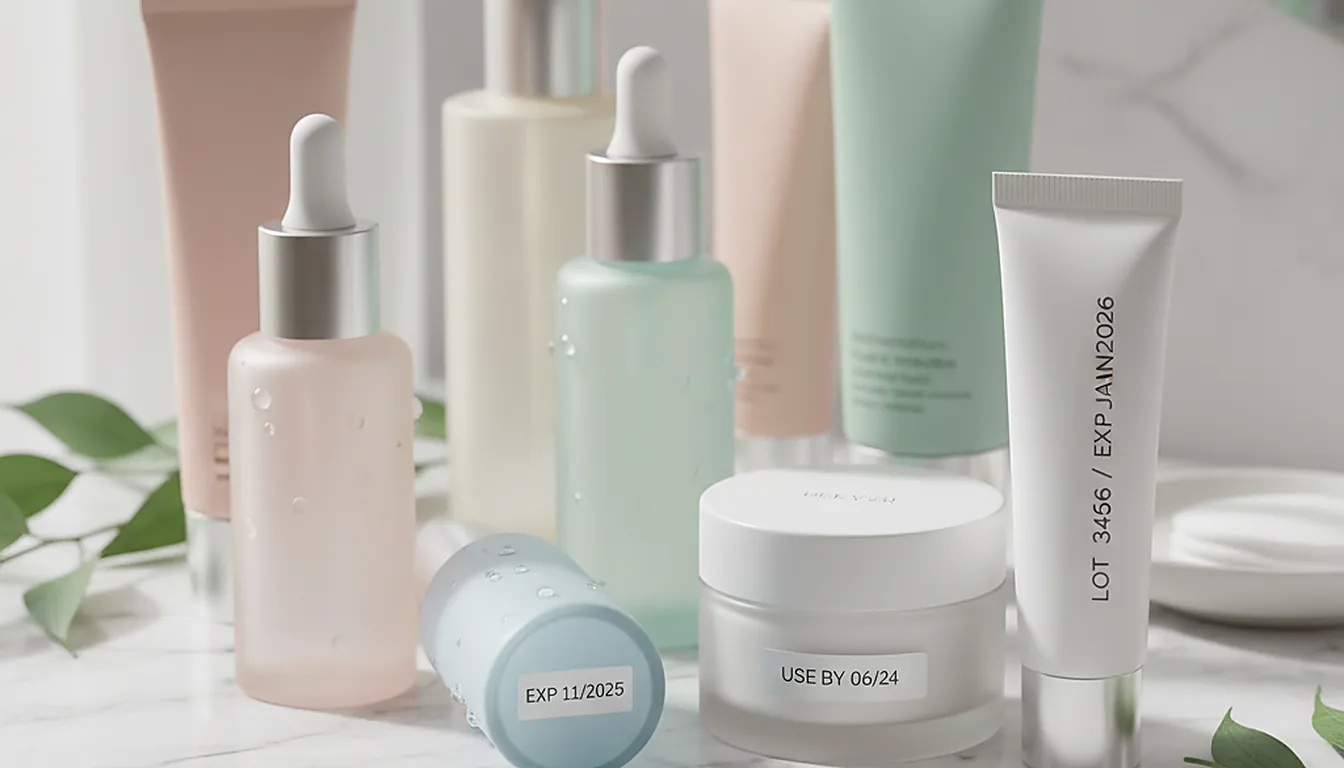
- Oxidation Indicators: A shift in serum coloration from pale straw to deep amber indicates degraded dehydroascorbic acid, which is pro-oxidant rather than protective.
- Synergy with SPF: Layering topical vitamin C beneath broad-spectrum sunscreen boosts photoprotection by neutralizing free radicals that breach mineral and chemical filters.

Why Topical Vitamin C is Non-Negotiable
Sunlight exposure, air pollutants, and metabolic byproducts continuously bombard human fibroblasts with reactive oxygen species (ROS). These volatile free radicals cleave collagen fibers, induce DNA damage, and activate melanocytes, manifesting as solar lentigines and premature cutaneous elastosis. While dietary ingestion of citrus and leafy greens is vital for systemic health, oral bioavailability in the cutaneous epidermis is strictly capped by intestinal transport mechanisms.
Direct topical delivery of stabilized vitamin C delivers up to 20 times the local tissue concentration achievable through diet alone. Once absorbed, it donates electrons to neutralize singlet oxygen and hydroxyl radicals, functioning as a vital physiological interceptor.
The Stability Equation: pH, Packaging, and Ferulic Synergy
Despite its profound clinical benefits, raw L-ascorbic acid is inherently unstable in aqueous environments, breaking down upon contact with ambient light, heat, and dissolved oxygen. The Duke University patent demonstrated that pairing 15% L-ascorbic acid with 1% alpha-tocopherol (Vitamin E) and 0.5% ferulic acid stabilizes the molecule while multiplying photoprotective efficacy eight-fold.
Furthermore, because L-ascorbic acid is a polar water-soluble molecule, cutaneous permeability depends on low formula pH. When formulation pH is buffered below 3.5, the molecule becomes uncharged and easily permeates hydrophobic stratum corneum lipids.
Navigating Vitamin C Derivatives
For patients prone to breakouts or acid sensitivity, lipid-soluble derivatives offer a viable alternative. Tetrahexyldecyl Ascorbate (THD Ascorbate) and Sodium Ascorbyl Phosphate (SAP) do not require acidic pH environments for dermal stability and convert within cellular enzymes to active ascorbic acid, delivering gradual brightening with negligible irritation.
Clinical Pro-Tip:
Store your active ascorbic acid serum in the refrigerator away from bathroom humidity. Keeping the liquid chilled significantly decelerates chemical oxidation kinetics, extending your serum’s peak antioxidant potency by up to 300%.
The Bottom Line on Environmental Defense
Pairing a high-potency antioxidant serum each morning with broad-spectrum SPF represents the single most effective anti-aging strategy backed by clinical science. Treat your morning antioxidant protocol as an invisible shield safeguarding your collagen reserves from daily metropolitan stressors.