Key Takeaways & Performance Summary:
- The Supercompensation Window: Workouts break down tissue; fitness gains occur exclusively during the parasympathetic recovery and supercompensation phase.
- Contrast Hydrotherapy: Alternating hot sauna and cold immersion creates rapid vasodilation and vasoconstriction, pumping metabolic waste.
- HRV (Heart Rate Variability): Higher vagal tone indicates parasympathetic dominance; depressed HRV flags systemic nervous fatigue and overreaching.
- Active Recovery over Inactivity: 20 minutes of low-intensity cycling or walking speeds muscle soreness clearance faster than complete bed rest.
The Physiology of Supercompensation
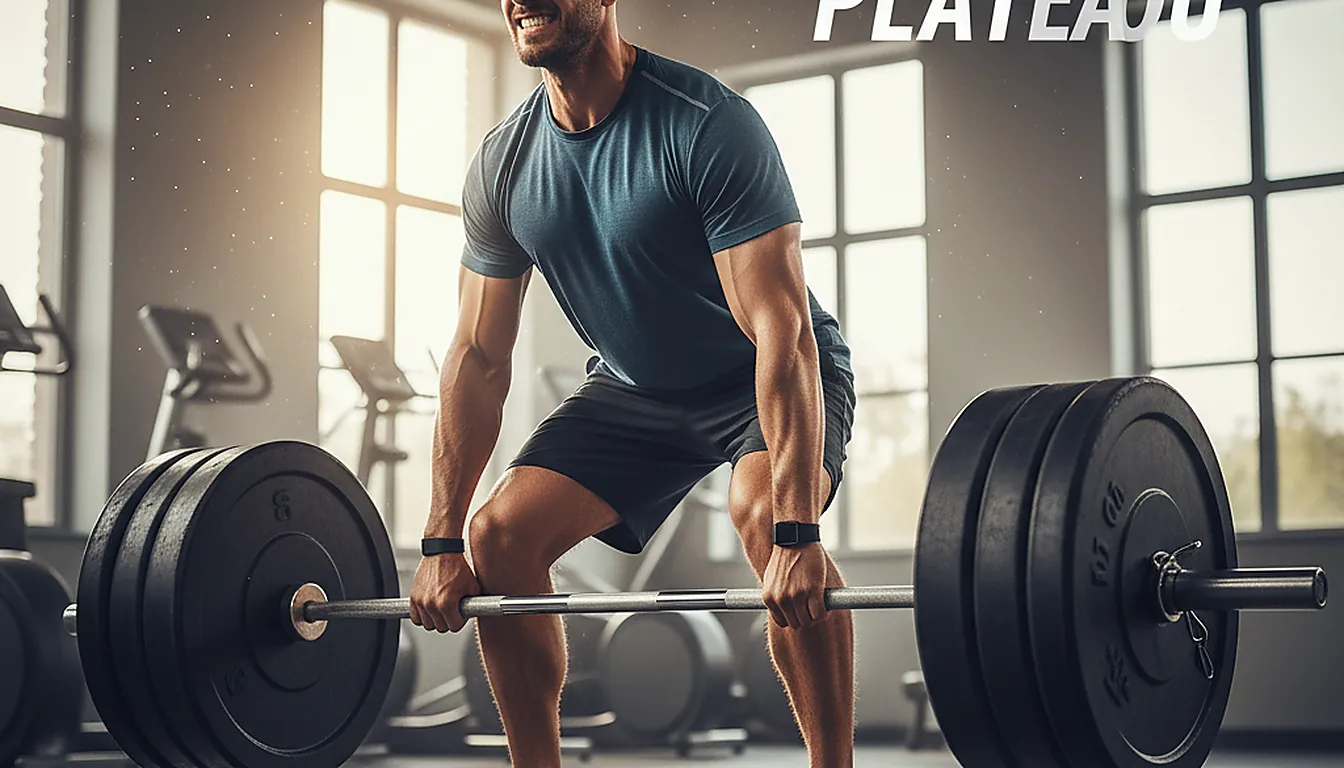
Training does not make you stronger; training breaks muscle down and induces systemic fatigue. True performance gains, muscular hypertrophy, and mitochondrial expansion happen solely during the recovery window. If new training stress is applied before the body completes its biological repair cascade, the athlete drifts into non-functional overreaching, leading to elevated resting cortisol, sleep fragmentation, and plateaued performance.
Recovery is an active, disciplined biological process that can be strategically optimized through evidence-backed recovery modalities.
Heart Rate Variability (HRV): Objective Autonomic Feedback
Rather than guessing whether your body is ready for another heavy session, modern wearables measure Heart Rate Variability (HRV)?the millisecond fluctuations between consecutive heartbeats (r-to-r intervals). Regulated by the autonomic nervous system, high HRV reflects robust parasympathetic vagal tone and ready adaptability. A sudden, sharp plunge in HRV signals accumulated systemic stress, signaling that a light mobility day is warranted.
| Modality | Mechanism | Best Timing |
|---|---|---|
| Contrast Water Therapy | Vascular pump via alternating vasodilation/constriction | Within 2-4 hours post high-volume exertion |
| Active Flush (Zone 1) | Enhanced venous return & lymphatic drainage | The day following heavy compound lifting |
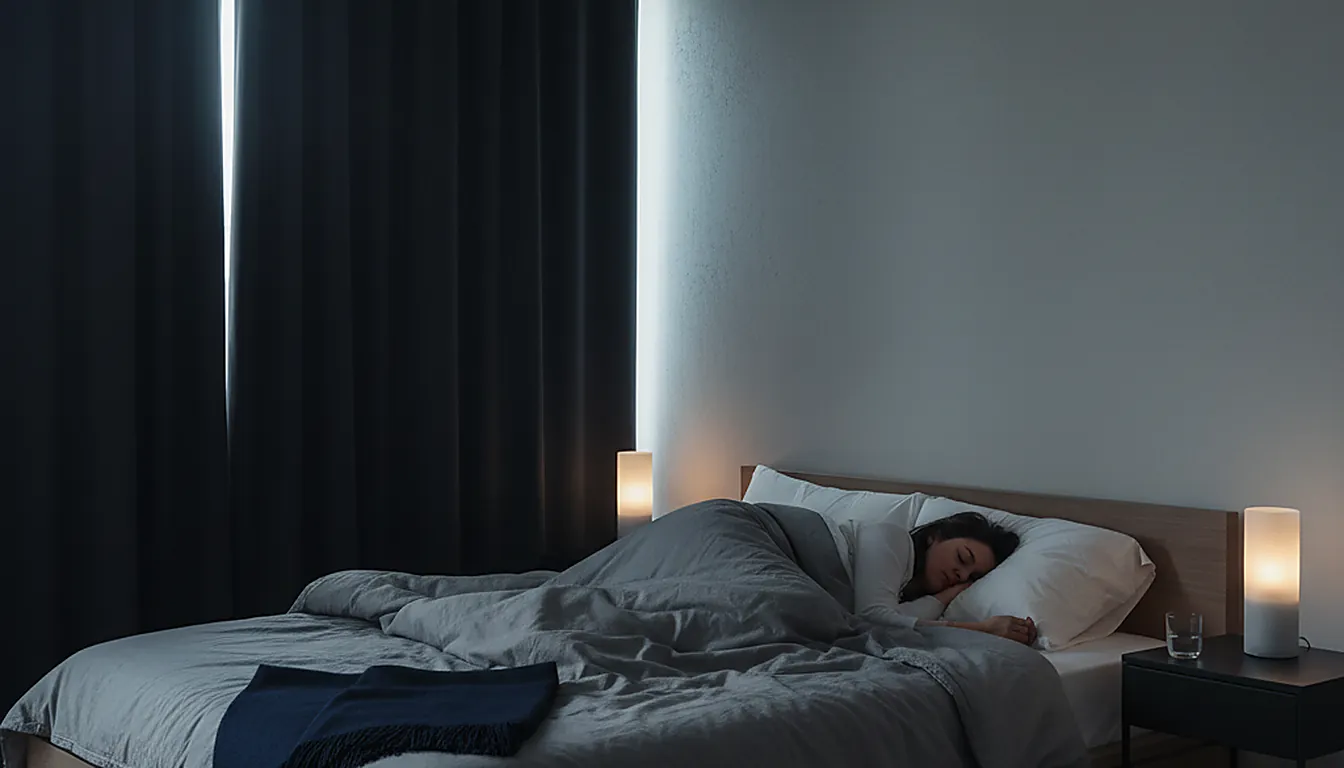
| Deep Restorative Sleep | Human growth hormone (HGH) release & glymphatic brain detox | Nightly (7.5 – 9.0 hours uninterrupted) |
The Cold Plunge Timing Nuance
While ice baths effectively crush acute muscle inflammation and perceived soreness, timing is crucial. Cold immersion immediately following a resistance training session blunts the natural inflammatory signaling required for muscle protein synthesis and hypertrophy. If muscle growth is your priority, delay cold water exposure by at least 4 to 6 hours after lifting, or use it on dedicated conditioning days.
Performance Pro-Tip:
Structure a planned deload week every 4th to 6th week of hard training. Slashing volume by 40-50% while maintaining crisp technique allows connective tissues, joint capsules, and the central nervous system to fully recover and supercompensate.
The Bottom Line on Strategic Recovery
Elite athletes do not train harder than everyone else; they recover better. Prioritize restorative sleep, honor autonomic nervous signals, and match your training intensity with equal dedication to cellular rest.