Key Takeaways & Nutritional Summary:
- NF-kB Downregulation: Chronic low-grade inflammation is mediated by Nuclear Factor kappa B (NF-kB); polyphenols in colorful plants suppress its transcriptional activation.
- The Omega-6 to Omega-3 Imbalance: Ancestral hunter-gatherer diets maintained an omega-6:3 ratio around 1:1 to 2:1; modern industrialized diets skew as high as 20:1.
- Arachidonic Cascade: Excessive omega-6 linoleic acid fuels pro-inflammatory eicosanoids (PGE2 and LTB4); EPA and DHA produce anti-inflammatory resolvins and protectins.
- The Mediterranean Archetype: High intake of extra virgin olive oil, cruciferous vegetables, wild fish, and herbs slashes hs-CRP levels by 30-50%.
The Silent Flame of Chronic Inflammation
In acute medicine, inflammation is an indispensable life-saving cascade: when you sprain an ankle or catch a viral infection, inflammatory cytokines mobilize white blood cells to clear damaged tissue and neutralize invaders. However, when inflammatory signaling persists in a low-grade, subclinical state for months and years, it ceases to protect. Chronic systemic inflammation serves as the primary biochemical soil from which atherosclerosis, metabolic syndrome, neurodegenerative disorders, and autoimmune disease emerge.
Our dietary landscape is the single most influential epigenetic modulator of inflammatory gene expression. Every meal delivers either pro-inflammatory fuel or potent anti-inflammatory signals to cellular receptors.
The Omega-6 to Omega-3 Ratio Dilemma
Polyunsaturated fatty acids (PUFAs) form the phospholipid membrane of every human cell. When these fats are cleaved by phospholipase A2 enzymes, they enter competing biochemical pathways:
| Fatty Acid Class | Dietary Sources | Metabolic Byproducts | Systemic Consequence |
|---|---|---|---|
| Omega-6 (Linoleic Acid) | Industrial seed oils, processed snacks | Arachidonic acid -> PGE2, LTB4 | Vasoconstriction, platelet aggregation, inflammation |
| Omega-3 (EPA / DHA) | Wild salmon, sardines, mackerel | Resolvins, protectins, maresins | Inflammation resolution, tissue repair, arterial elasticity |
Building the Anti-Inflammatory Plate
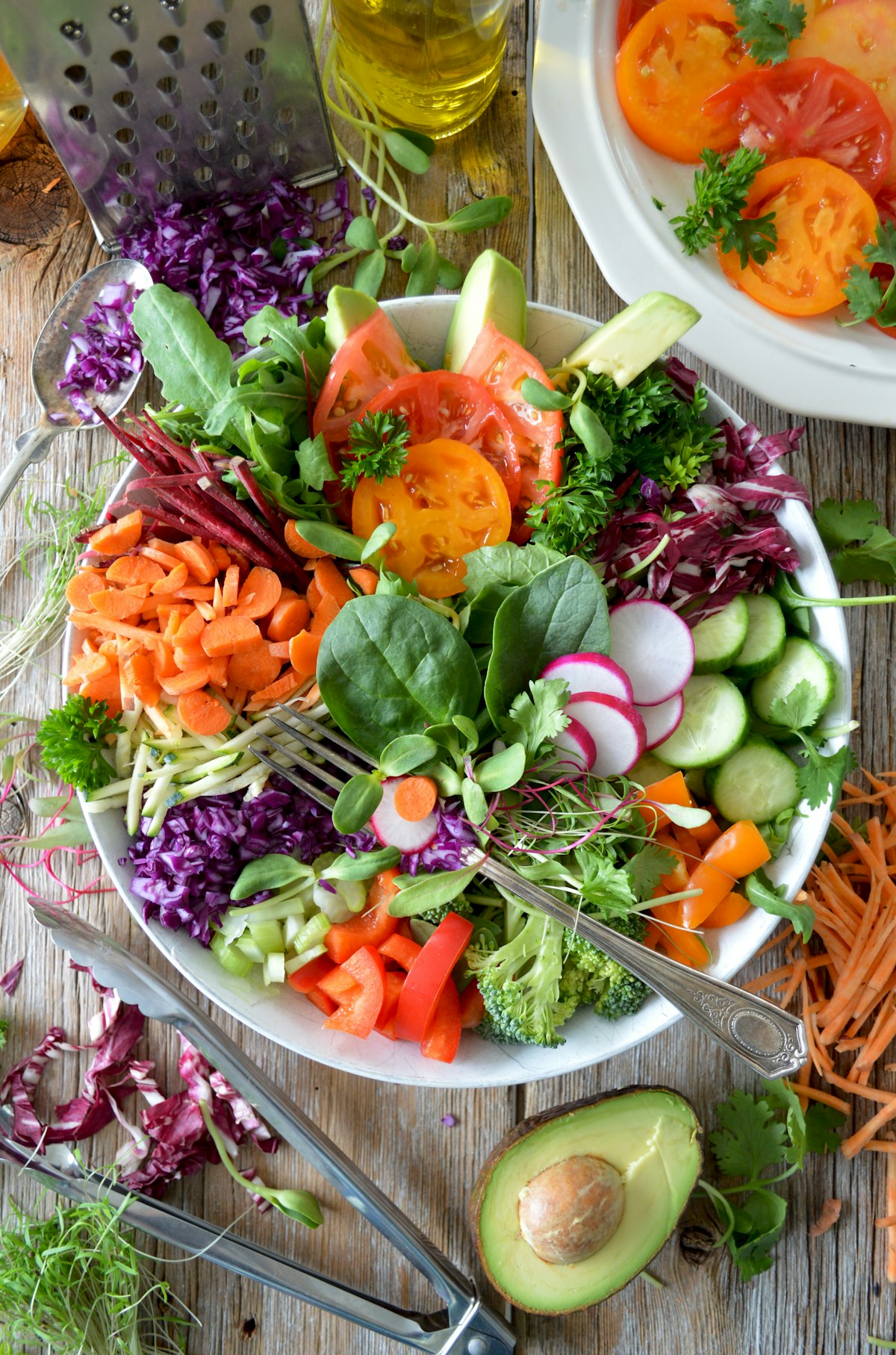
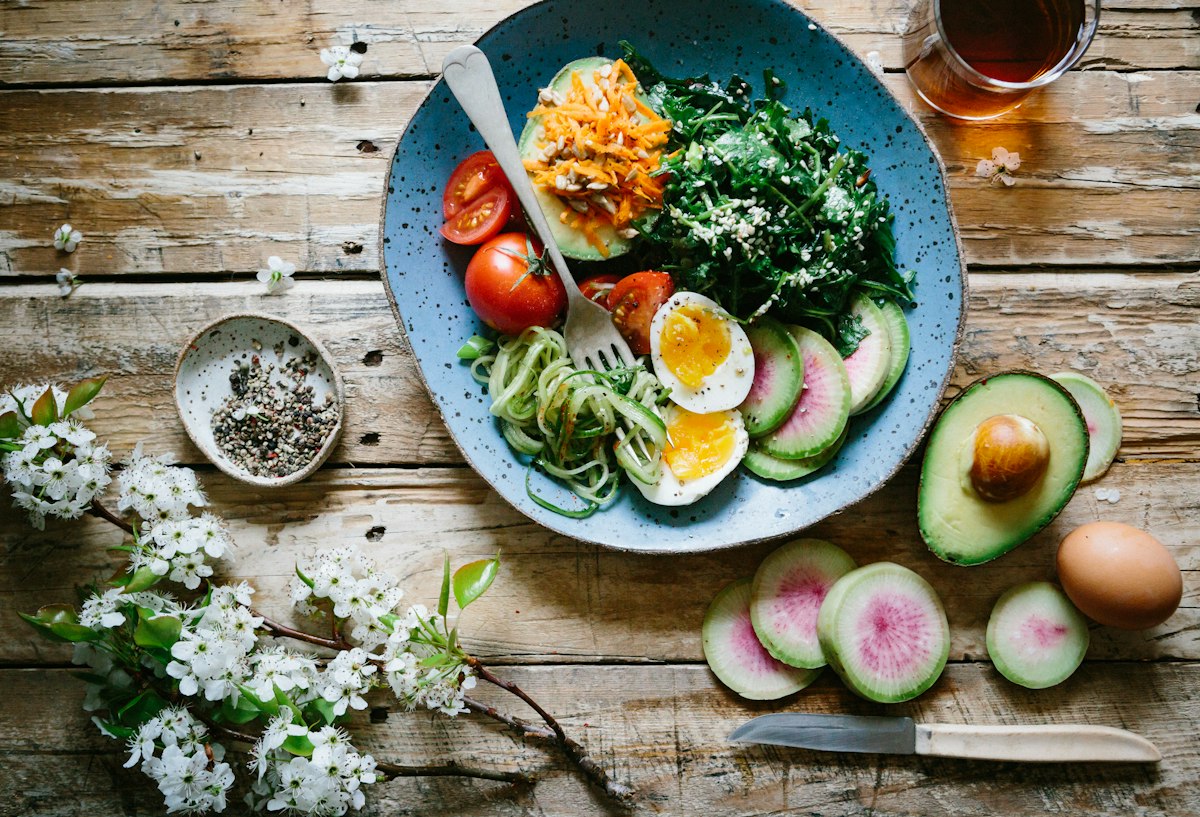
Crafting an anti-inflammatory nutritional pattern does not require restrictive calorie starvation. Focus on the inclusion of nutrient-dense powerhouses: high-polyphenol extra virgin olive oil (rich in oleocanthal, a natural COX-inhibitor), wild-caught fatty fish, dark leafy greens, turmeric with black pepper piperine, and deep purple berries. Concurrently, minimize ultra-processed convenience foods, refined seed oils, and high-fructose syrups.
Clinical Nutrition Pro-Tip:
Seek out early-harvest, cold-extracted Extra Virgin Olive Oil (EVOO) packaged in dark glass. The peppery sting you feel in the back of your throat is oleocanthal?a natural compound that inhibits the same COX enzymes as ibuprofen without gastrointestinal toxicity.
The Bottom Line on Nutritional Harmony
Food is molecular information that programs your biology. By prioritizing unprocessed, polyphenol-dense botanical foods and balancing your fatty acid profile, you extinguish subclinical inflammation and cultivate lifelong vitality.