Key Takeaways & Nutritional Summary:
- Glycemic Volatility: Frequent rapid blood sugar spikes and reactive hypoglycemia trigger endothelial oxidative stress, glycation (AGEs), and afternoon energy crashes.
- The Food Order Rule: Eating vegetables (fiber) first, proteins/fats second, and carbohydrates last slashes post-meal glucose spikes by up to 73%.
- Viscous Fiber Mesh: Soluble fibers form a gelatinous matrix in the duodenum, physically slowing carbohydrate enzymatic breakdown and glucose absorption.
- Post-Meal Ambulation: A brisk 10 to 15-minute walk immediately after dining stimulates non-insulin-dependent GLUT4 glucose uptake in skeletal muscle.
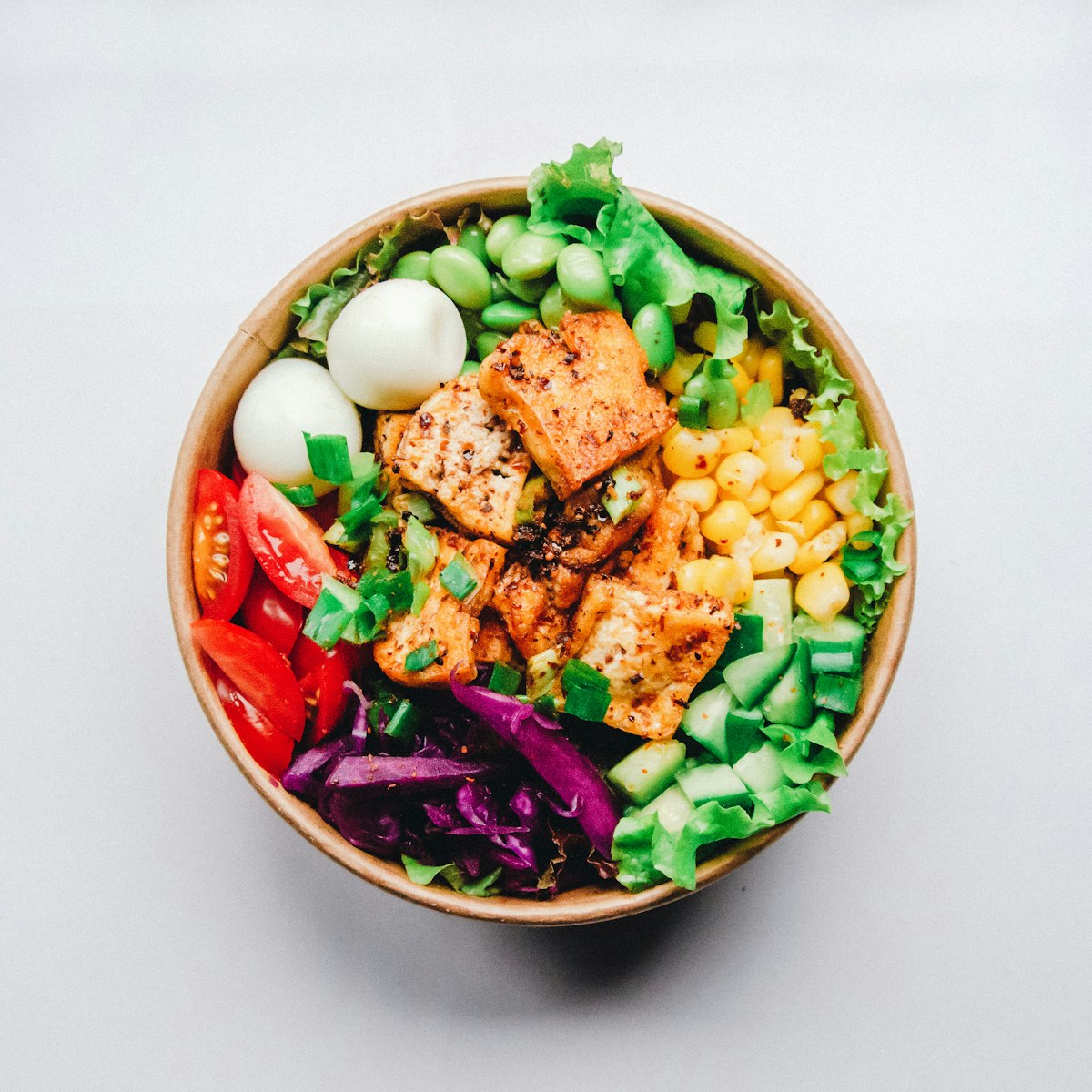
Beyond Diabetes: The Universal Importance of Glycemic Stability
For decades, blood sugar monitoring was considered relevant solely for individuals with diagnosed Type 1 or Type 2 diabetes. However, continuous glucose monitoring (CGM) trials on supposedly healthy non-diabetic populations revealed a startling reality: many asymptomatic adults spend significant portions of their day experiencing severe postprandial glucose excursions exceeding 140 mg/dL following ordinary modern meals.
These sharp glucose peaks promote systemic oxidative stress, impair endothelial vasodilation, and trigger the formation of Advanced Glycation End-products (AGEs) that cross-link and stiffen collagen in skin and blood vessels.
The Sequence of Eating: The Biochemical Hack
Groundbreaking research conducted at Weill Cornell Medical College demonstrated that the order in which foods are consumed during a meal exerts a profound effect on postprandial insulin and glucose spikes. When participants ate identical meal components in a specific sequence?fiber first, protein/fat second, and carbohydrates last?postprandial glucose spikes dropped by 50 to 73%, and insulin secretion was significantly reduced.
| Meal Component | Optimal Sequence | Biochemical Action |
|---|---|---|
| Viscous Fiber (Vegetables) | Step 1 (First 5-10 min) | Creates intestinal viscous mesh; slows gastric emptying rate |
| Proteins & Lipids | Step 2 (Middle) | Stimulates CCK and GLP-1 secretion; activates satiety signaling |
| Complex Carbohydrates | Step 3 (Last) | Enters duodenum slowly; results in gentle, blunted glucose curve |
Post-Meal Movement: Unlocking Non-Insulin Glucose Clearance
When you finish dining, your skeletal muscles are your largest potential glucose sink. Normally, glucose uptake requires insulin binding to cell receptors. However, muscular contraction activates AMP-activated protein kinase (AMPK), which translocates GLUT4 glucose transporters directly to cell surfaces completely independently of insulin. A simple 10 to 15-minute gentle stroll immediately following lunch or dinner clears circulating glucose with ease.
Clinical Nutrition Pro-Tip:
Take one tablespoon of organic apple cider vinegar in a small glass of water 5 to 10 minutes before carbohydrate-dense meals. The acetic acid temporarily inhibits salivary alpha-amylase and slows gastric emptying, blunting glycemic spikes by 20-30%.
The Bottom Line on Metabolic Balance
Maintaining smooth, steady blood sugar curves is one of the most powerful habits for sustaining steady daytime energy, eliminating brain fog, and protecting cardiovascular tissues over the long haul.