Key Takeaways & Nutritional Summary:
- Intracellular vs Extracellular: Two-thirds of human water resides inside cells; plain mineral-depleted water dilutes extracellular osmolarity, causing diuretic excretion.
- The Sodium-Potassium Pump: The Na+/K+-ATPase pump consumes over 25% of total basal cellular energy, maintaining the resting membrane electrical potential.
- Hyponatremia Risk: Over-consuming gallons of plain distilled or reverse-osmosis water flushes essential electrolytes, inducing lethargy, muscle cramping, and brain fog.
- The Potassium Deficit: Modern diets are chronically deficient in potassium; optimal physiology requires 3,500 to 4,700 mg of potassium daily from vegetables and fruits.
Beyond the 8-Glasses-a-Day Dogma
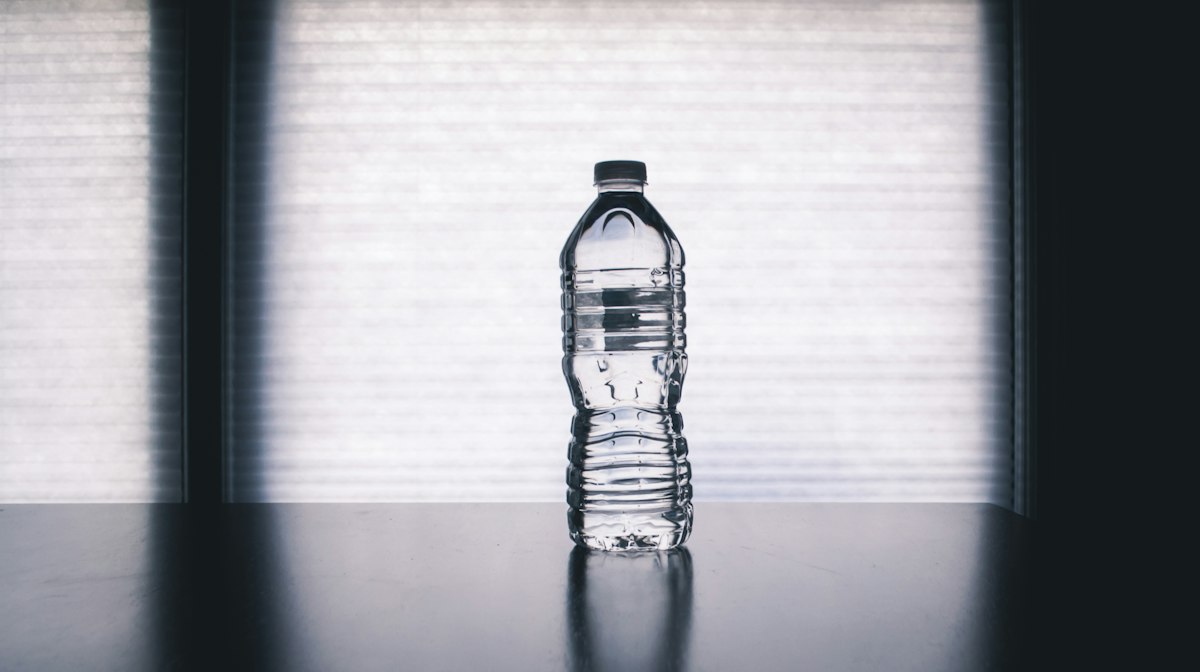
For generations, conventional health wisdom repeated a simple directive: drink eight large glasses of pure water every day. In our fitness-conscious era, this frequently escalated to carrying gallon jugs and drinking obsessively. However, drinking vast quantities of mineral-free water does not automatically hydrate your cells; in many instances, it does the exact opposite.
True cellular hydration is not a matter of water volume, but of osmotic fluid balance governed by mineral electrolytes?predominantly sodium, potassium, magnesium, and chloride.
The Biophysics of Osmotic Fluid Shifts
Water follows solutes. If you consume large volumes of plain filtered water on an empty stomach, the concentration of solutes in your extracellular fluid drops. The kidneys detect this decline in blood osmolarity and rapidly excrete the excess water to prevent cerebral edema. You find yourself urinating clear fluid every twenty minutes while your cells remain paradoxically dehydrated.
| Electrolyte | Primary Cellular Compartment | Key Food Sources | Physiological Role |
|---|---|---|---|
| Sodium (Na+) | Extracellular fluid | Unrefined sea salt, fermented foods | Extracellular fluid volume & nerve impulses |
| Potassium (K+) | Intracellular fluid (98%) | Avocados, spinach, coconut water, potatoes | Cellular turgor, resting membrane potential, blood pressure |
| Magnesium (Mg2+) | Intracellular & skeletal matrix | Pumpkin seeds, leafy greens, dark cacao | Cofactor for 300+ enzymatic reactions, ATP binding |
Optimizing Morning and Workout Hydration
Upon waking, after 7 to 8 hours of breathing and insensible perspiration, your body is naturally dehydrated. Rather than downing plain ice water, prepare an electrolyte tonic: 16 ounces of room-temperature water with a pinch of unrefined grey sea salt and a squeeze of fresh lemon juice. The trace minerals and sodium enhance gastrointestinal absorption, rapidly rehydrating vascular beds without triggering a diuretic reflex.
Clinical Nutrition Pro-Tip:
Monitor hydration by urine color rather than volume consumed. Aim for a pale straw or champagne hue. Completely clear water-like urine signifies that you are over-hydrating and flushing vital minerals; dark amber indicates a need for fluids.
The Bottom Line on Cellular Equilibrium
Hydration is a delicate mineral symphony. Pair pure clean water with mineral-rich whole foods, quality sea salt, and potassium-dense plants to keep your cellular batteries fully charged.