Key Takeaways & Lifestyle Summary:
- Shift to Continuous Telemetry: Wearable health devices transition medicine from sporadic annual checkups to 24/7 continuous physiological trend monitoring.
- Heart Rate Variability (HRV): R-to-R interval variance reflects autonomic nervous system equilibrium; chronic declines flag impending illness or overtraining days in advance.
- Nocturnal Temperature Deviations: Wrist-based temperature sensors detect elevations of +0.5?C to 1.5?C, signaling follicular/luteal menstrual shifts or immune viral activation.
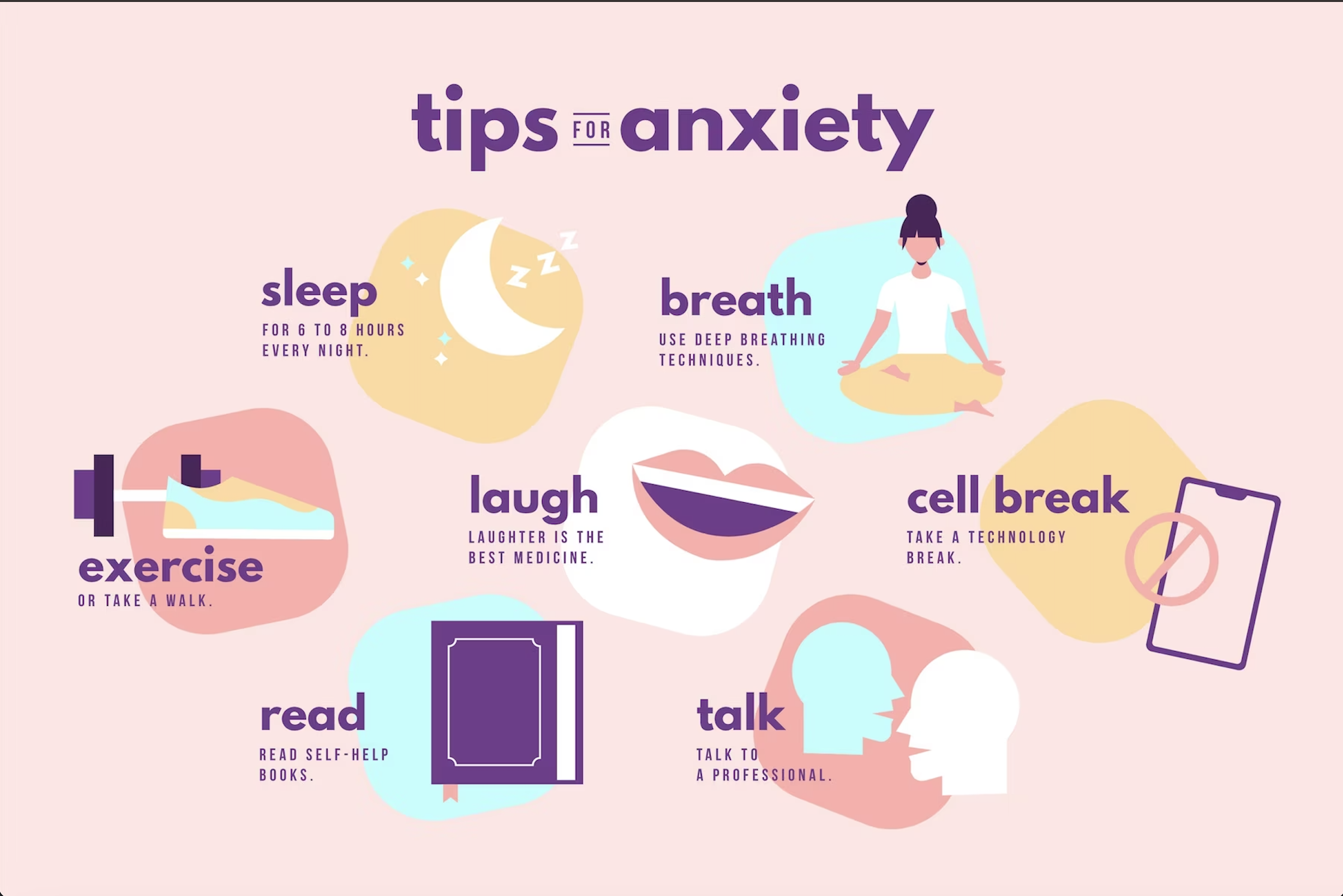
- Avoiding Orthosomnia: Fixating anxiously on imperfect sleep scores (‘orthosomnia’) induces the very insomnia users seek to resolve; interpret long-term weekly trends rather than single nights.
The Democratization of Physiological Telemetry
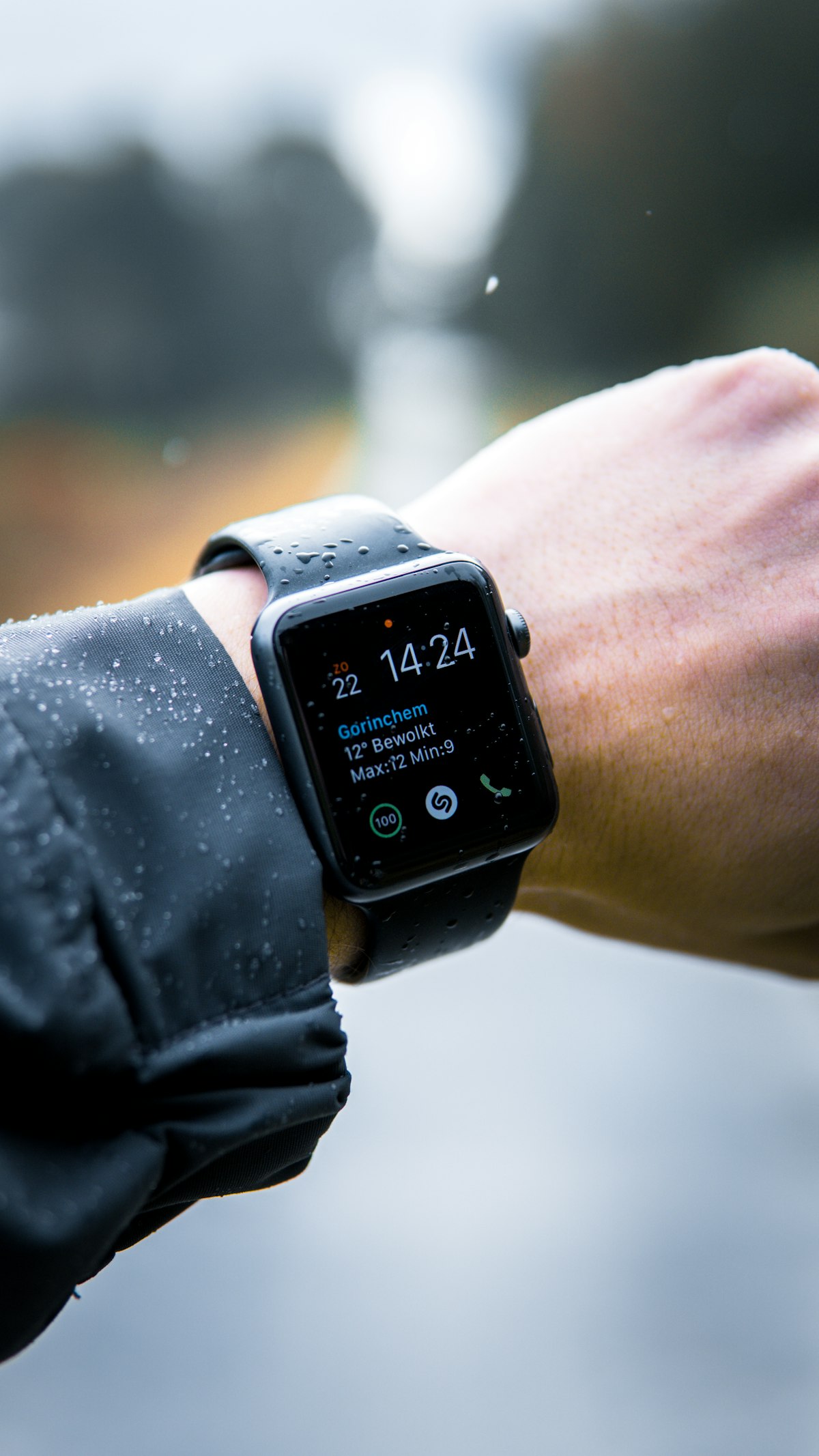
Until recently, gathering objective physiological data required clinical environments: hospital telemetry beds, polysomnography labs, and Holter monitors. Today, miniaturized photoplethysmography (PPG) optical sensors, triaxial accelerometers, and skin temperature sensors packed into smart rings and watches deliver clinical-grade telemetry straight to our smartphones.
This shift empowers individuals to practice proactive, personalized preventive wellness. Rather than reacting to established chronic disease symptoms, users can spot subtle physiological warning signs weeks before clinical manifestations arise.
Decoding the Three Critical Biometric Pillars
To glean actionable wisdom from biometric dashboards without succumbing to information overload, focus on these three primary baseline metrics:
| Biometric Marker | Measurement Mechanism | Actionable Clinical Insight |
|---|---|---|
| Heart Rate Variability (rMSSD) | PPG pulse wave timing | High baseline = parasympathetic readiness; Sharp drop = systemic stress/illness |
| Nocturnal Skin Temperature | Negative Temperature Coefficient (NTC) thermistors | Elevations (+0.5?C) detect viral incubation 24-48h before symptoms appear |
| Resting Heart Rate (RHR) | Optical green/infrared LEDs | Gradual decreases reflect improved cardiovascular stroke volume and aerobic fitness |
The Psychological Pitfall: Orthosomnia
While biometric tracking offers immense value, it carries a modern psychological hazard: orthosomnia?the perfectionist obsession with achieving ideal wearable sleep scores. When a user wakes feeling well, checks their app, sees a ‘poor sleep score,’ and becomes instantly anxious, the device has created iatrogenic distress. Treat wearable data not as an authoritarian judge, but as an objective trend compass viewed across 14 to 30-day rolling averages.
Lifestyle Pro-Tip:
Look for the correlation between late-evening alcohol consumption and nocturnal resting heart rate. Even one glass of wine consumed within two hours of bed suppresses REM sleep and elevates sleeping heart rate by 8 to 15 bpm throughout the entire night.
The Bottom Line on Smart Tracking
Biometric wearables are extraordinarily powerful tools when interpreted with nuance and psychological balance. Use continuous data to understand your body’s subtle rhythms and make informed, compassionate lifestyle choices.