
Hey Friends! Let’s Talk Intermittent Fasting and Muscle Building
Okay, so you’re probably here because you’ve heard whispers about intermittent fasting (IF) and its magical (or maybe not-so-magical) effects on muscle. Trust me, I get it. The fitness world is overflowing with trends, diets, and supposed shortcuts. Sorting through it all can feel like wading through molasses. I’ve been there, scrolling endlessly, wondering if *this* is the key to unlocking my fitness goals. So, let’s dive into whether intermittent fasting for building muscle is actually legit, shall we?
My Intermittent Fasting Experiment
Full disclosure: I’m not a registered dietitian or a personal trainer. I’m just someone who’s experimented with different fitness and diet strategies over the years. I decided to try intermittent fasting after hearing some of my gym buddies rave about it. They swore it helped them lean out *and* maintain their muscle mass. Color me intrigued!
I’m talking about that period of feeling mentally drained, struggling to find a balance, and wondering if any of it was worth it. Sound familiar? My goal wasn’t just weight loss, it was specifically about seeing if I could maintain or even *build* muscle while following an intermittent fasting schedule. I did my research, choosing the 16/8 method (16 hours fasting, 8 hours eating). It seemed manageable, and I figured it wouldn’t completely wreck my social life (you know, dinners with friends and such).
The Initial Struggle
Those first few days? Rough. My body was screaming for food at all the wrong times. I felt sluggish, and my workouts definitely suffered. I was irritable and constantly thinking about my next meal. I even considered quitting several times. Seriously, I almost caved into that donut calling my name.
Adapting and Finding My Groove
But, I persevered. I adjusted my eating window to better align with my workout schedule, making sure to fuel up properly after each session. I also focused on nutrient-dense foods during my eating window – think lean protein, complex carbs, and healthy fats. Cutting out processed junk was key, and I made sure to drink tons of water. After about a week, my body started to adapt. I felt more energetic, my workouts improved, and the constant hunger pangs subsided.
The Before & After: What Actually Happened?
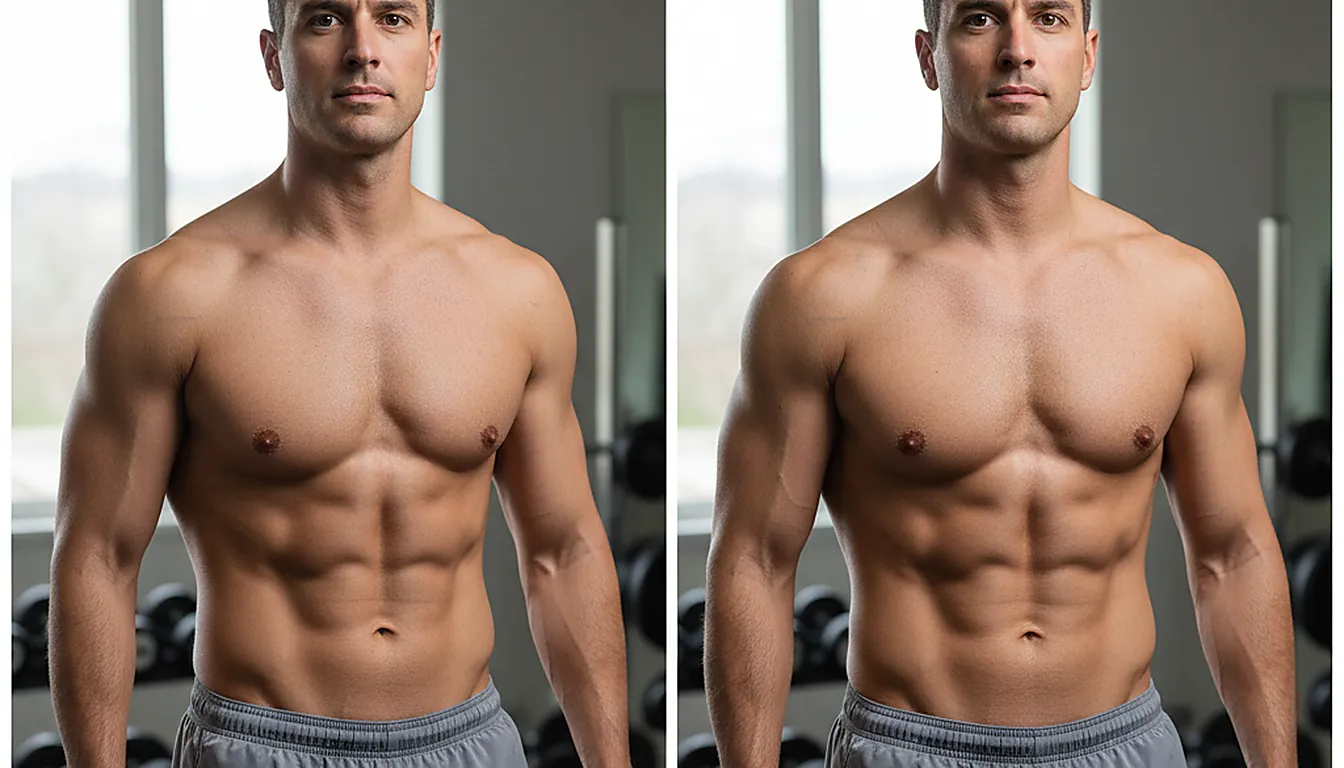
Okay, the moment of truth. Did intermittent fasting help me build muscle? The answer is… complicated. While I didn’t see a dramatic increase in muscle mass, I definitely maintained what I had. And, perhaps more importantly, I leaned out significantly. My clothes fit better, and I felt more confident. The before and after photos (yes, I took them!) showed a noticeable difference in body composition. While building muscle requires a calorie surplus, I was able to maintain muscle mass while being in a slight deficit.
What I Learned About Intermittent Fasting and Muscle Building
Here’s the thing: intermittent fasting isn’t some magical muscle-building solution. It’s a tool. And, like any tool, it can be effective if used correctly. Here’s what I learned:
* **Protein is King:** You absolutely *must* prioritize protein intake during your eating window. Aim for at least 1 gram of protein per pound of body weight.
* **Timing Matters:** Experiment with your eating window to see what works best for your workout schedule. I found that fueling up shortly after my workouts was crucial.
* **Listen to Your Body:** Don’t force it. If you’re feeling overly fatigued or constantly hungry, adjust your schedule or consider a different approach.
* **It’s Not a Free Pass:** Intermittent fasting doesn’t magically erase the need for a healthy diet. You still need to eat nutritious foods and avoid junk food.
* **Manage Your Expectations:** Muscle building is a slow process, even *without* intermittent fasting. Don’t expect overnight results.
Immediate Strategies to Make Intermittent Fasting Work for You
So, if you’re considering intermittent fasting, here are some actionable steps you can take right away:
1. **Choose a Method:** Select an intermittent fasting schedule that aligns with your lifestyle. The 16/8 method is a good starting point.
2. **Plan Your Meals:** Before you even start, plan out your meals for your eating window. This will help you ensure you’re getting enough protein and nutrients.
3. **Stay Hydrated:** Drink plenty of water throughout the day, especially during your fasting window. Water can help curb hunger pangs.
4. **Track Your Progress:** Keep track of your weight, measurements, and energy levels. This will help you assess whether intermittent fasting is working for you.
5. **Be Patient:** It takes time for your body to adapt to intermittent fasting. Don’t get discouraged if you don’t see results immediately.
The Science Behind Intermittent Fasting and Muscle Building
While my personal experience is valuable, it’s important to consider the science behind intermittent fasting and muscle building. Studies suggest that IF can potentially benefit muscle growth by:
* **Improving Insulin Sensitivity:** Better insulin sensitivity allows your body to utilize nutrients more efficiently, which can aid in muscle growth.
* **Increasing Growth Hormone:** Some studies have shown that intermittent fasting can increase growth hormone levels, which plays a role in muscle development.
* **Promoting Fat Loss:** By promoting fat loss, intermittent fasting can make your muscles appear more defined.
However, it’s important to note that more research is needed to fully understand the long-term effects of intermittent fasting on muscle building. And, of course, everyone’s body responds differently.
Who Should *Avoid* Intermittent Fasting?
Intermittent fasting isn’t for everyone. It’s generally not recommended for:
* Pregnant or breastfeeding women
* Individuals with a history of eating disorders
* People with certain medical conditions, such as diabetes (unless under medical supervision)
* Those who are underweight or have a very low body fat percentage
If you have any concerns, it’s always best to consult with a healthcare professional before starting intermittent fasting.
Final Thoughts: Is Intermittent Fasting Right for *You*?
So, is intermittent fasting good for building muscle? The answer, as with most things in fitness, is: it depends. It’s not a magic bullet, and it requires a commitment to a healthy diet and consistent training. However, it can be a useful tool for managing your weight, maintaining muscle mass, and potentially improving your overall health. For me, it was a positive experience, but it’s crucial to remember that what works for one person may not work for another.
Ultimately, the best way to determine if intermittent fasting is right for you is to experiment and see how your body responds. Just remember to listen to your body, prioritize protein intake, and be patient. And don’t forget to take those before and after photos! You might be surprised by what you see.
Related terms
* Muscle retention
* Calorie deficit
* Fasting window
* Nutrient timing
* Weight training
Frequently Asked Questions

If you’re like me, you’ll appreciate this detail.
Table of Contents
- Hey Friends! Let’s Talk Intermittent Fasting and Muscle Building
- My Intermittent Fasting Experiment
- The Initial Struggle
- Adapting and Finding My Groove
- The Before & After: What Actually Happened?
- What I Learned About Intermittent Fasting and Muscle Building
- Immediate Strategies to Make Intermittent Fasting Work for You
- The Science Behind Intermittent Fasting and Muscle Building
- Who Should *Avoid* Intermittent Fasting?
- Final Thoughts: Is Intermittent Fasting Right for *You*?
- Related terms
- Frequently Asked Questions
Can intermittent fasting actually help me build muscle?
Intermittent fasting isn’t a magic bullet for muscle building. It can potentially help by improving insulin sensitivity and increasing growth hormone levels, but it requires consistent training, a healthy diet, and prioritizing protein intake.
What’s the best intermittent fasting method for maintaining muscle?
The 16/8 method (16 hours fasting, 8 hours eating) is a common starting point. However, it’s important to experiment and find a schedule that aligns with your workout routine and lifestyle.
How important is protein intake when doing intermittent fasting for muscle?
Protein is crucial! Aim for at least 1 gram of protein per pound of body weight during your eating window. This will help support muscle repair and growth.
Are there any downsides to intermittent fasting I should be aware of?
Some people may experience fatigue, hunger pangs, and irritability, especially when starting out. It’s also not recommended for pregnant or breastfeeding women, individuals with a history of eating disorders, or people with certain medical conditions.
How long does it take to see results from intermittent fasting?
It takes time for your body to adapt to intermittent fasting, and muscle building is a slow process. Don’t expect overnight results. Be patient, consistent, and track your progress to assess whether it’s working for you.
What should I do if I feel overly fatigued or constantly hungry while intermittent fasting?
Listen to your body! Adjust your fasting schedule or consider a different approach. Make sure you’re eating enough nutritious foods during your eating window and staying hydrated.
Key Takeaways
- Hey Friends! Let’s Talk Intermittent Fasting and Muscle Building
- My Intermittent Fasting Experiment
- The Initial Struggle
- Adapting and Finding My Groove
- The Before & After: What Actually Happened?