

Hey Friends, Let’s Talk About That Racing Mind…
Ever feel like your brain is a hamster on a never-ending wheel? I get it. I *really* get it. We’ve all been there, tossing and turning at night, replaying conversations from five years ago, or catastrophizing about the future. It’s exhausting! We’re often told to just “meditate,” but sometimes, let’s be real, sitting still and trying to quiet the noise just makes it louder. That’s why I wanted to share some alternative, lesser-known ways to calm a racing mind. Think of these as your secret weapons against mental chaos. These methods are perfect for those times when traditional meditation just isn’t cutting it, when you need to quiet the mental chatter, and when you need to ground yourself back in the present. We are going to dive into some of the **lesser-known ways** you can find some peace.
My Overthinking Confession (and How I Clawed My Way Out)
Okay, so I have to confess. I used to be a *professional* overthinker. Seriously. I could take a simple situation, like deciding what to have for dinner, and turn it into a full-blown crisis. I’d weigh every option, research every ingredient, and analyze every potential outcome. I know it sounds ridiculous, but at the time, it felt completely normal! My turning point came during a particularly stressful period at work. I was so anxious and overwhelmed that I couldn’t sleep, I couldn’t focus, and I felt constantly on edge. I knew I needed to find a way to **stop overthinking** and **calm my racing mind**. Meditation felt impossible. So, I started experimenting with other techniques, and I’m excited to share what worked for me.
3 Unexpected Strategies to Quiet the Noise
Here are three things I’ve found super helpful, *beyond* the typical meditation advice, that have helped me manage my anxiety and **calm a racing mind**:
1. The 5-4-3-2-1 Grounding Technique: Engage Your Senses
This is a fantastic tool when you’re feeling overwhelmed by anxiety or spiraling thoughts. It’s all about anchoring yourself in the present moment by engaging your senses. The 5-4-3-2-1 grounding exercise works by systematically focusing your attention on five things you can see, four things you can touch, three things you can hear, two things you can smell, and one thing you can taste. This method helps shift your focus away from anxious thoughts and brings you back to the present reality, promoting a sense of calm and control.
Here’s how it works:
* **5 – SEE:** Look around and identify five things you can see. Really *see* them. Notice the color, shape, and details.
* **4 – TOUCH:** Find four things you can physically touch. Pay attention to the texture, temperature, and weight.
* **3 – HEAR:** Listen for three distinct sounds. It could be the hum of the refrigerator, the chirping of birds, or the sound of your own breathing.
* **2 – SMELL:** Identify two things you can smell. If you can’t smell anything, try to find something nearby that has a scent, like a lotion or a flower.
* **1 – TASTE:** Acknowledge one thing you can taste. It could be the taste of your coffee, the lingering flavor of your toothpaste, or simply the taste in your mouth.
I usually start with sight – like, “Okay, I see my laptop, a framed photo, a houseplant, my coffee mug, and the sunlight coming through the window.” It sounds simple, but it’s incredibly effective. It’s like hitting the reset button on your brain. You are actively distracting your mind.
2. Active Problem Solving: Confront Your Worries Head-On
Sometimes, the best way to stop your mind from racing is to actually *address* the problem that’s causing the anxiety in the first place. I know, I know, this sounds counterintuitive. But hear me out. Instead of letting your worries swirl around endlessly, try to break them down into manageable steps.
* **Identify the Problem:** What exactly is causing you stress? Be specific. Is it a work deadline? A relationship issue? Financial concerns?
* **Brainstorm Solutions:** Come up with as many potential solutions as you can, even if they seem unrealistic. The goal is just to get the ideas flowing.
* **Evaluate the Solutions:** Weigh the pros and cons of each solution. Which ones are the most feasible and effective?
* **Choose a Solution and Take Action:** Pick one solution and commit to taking action. Even a small step forward can make a big difference.
For example, during that stressful period at work, I was constantly worrying about falling behind on my projects. Instead of just letting the anxiety consume me, I sat down and made a list of all my tasks. Then, I prioritized them and created a realistic schedule. Once I had a plan in place, I felt a sense of control and my anxiety started to subside. I felt empowered to **take action**.
3. Mindful Movement: Get Out of Your Head and Into Your Body
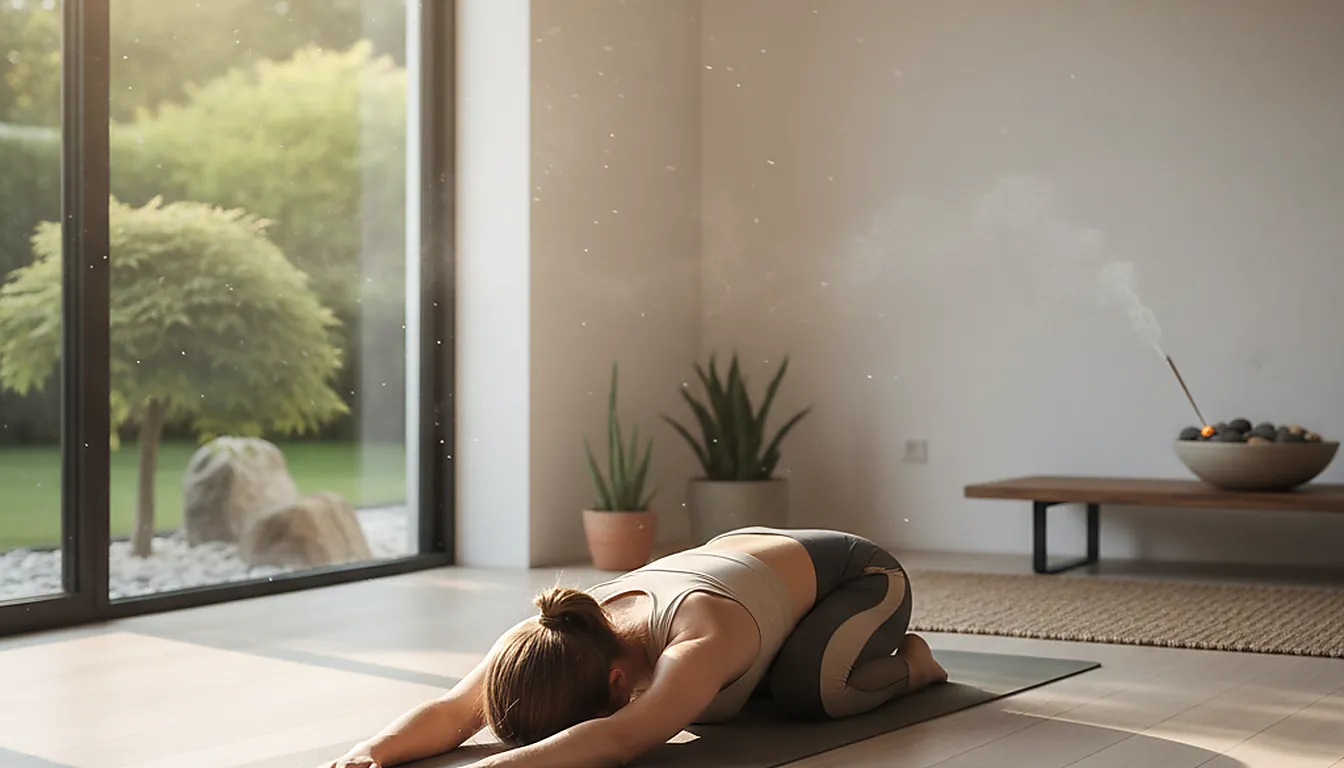
When my mind is racing, one of the most effective things I can do is move my body. Not necessarily a hardcore workout (although that can help too!), but gentle, mindful movement. This could be anything from going for a walk in nature to doing some simple stretches or yoga poses.
The key is to pay attention to your body and your breath as you move. Notice the sensations in your muscles, the rhythm of your breath, and the way your body feels in space. This helps to bring you out of your head and into the present moment.
* **Walking:** A simple walk can do wonders. Pay attention to your surroundings, the feeling of your feet on the ground, and the rhythm of your breath.
* **Yoga:** Yoga combines physical postures, breathing techniques, and meditation, making it a powerful tool for stress reduction.
* **Stretching:** Even a few minutes of stretching can help release tension in your body and calm your mind.
* **Dancing:** Put on some music and let loose! Dancing is a great way to release energy and boost your mood.
I often like to go for a walk in the woods near my house. The fresh air, the sound of the birds, and the feeling of the sun on my skin instantly calm my nerves. It’s like a mini-vacation for my mind, and a great **stress reduction** method.
Bonus Tip: Consider Some Natural Support
Okay, this isn’t exactly a *lesser-known* way, but it’s worth mentioning that there are some natural supplements that can help support your mental well-being. I’m not a doctor, so always talk to your healthcare provider before trying anything new. I will offer some suggestions.
*CBD Products* are increasingly popular and easy to find online. Some suppliers include but are not limited to: BinoidCBD, CBDFx, CBD.co, Charlotte’s Web, Cornbread Hemp, MedterraCBD, DiscoverCBD, CBD.market, Neurogan, JoyOrganics, GetSunMed, CBDMall, LazarusNaturals, HometownHero, CBDAmericanShaman, CBDForeLife, TheGreenDragonCBD, ColoradoBotanicals, Floyds, BatchCBD, Penguincbd. THCA and Delta-9p products can also be found at BinoidCBD.
Putting It All Together: Your Anti-Overthinking Toolkit
So, there you have it – three unexpected strategies, **beyond meditation**, that can help you **calm a racing mind** and **stop overthinking**. Remember, it’s all about finding what works best for you. Experiment with these techniques and don’t be afraid to adjust them to fit your own needs and preferences. It might take some time and effort, but it is possible to quiet the noise and find some peace of mind. I have, and I know you can too!
Remember that moment when I was drowning in work stress? That’s when I started combining these techniques. I’d use the 5-4-3-2-1 grounding exercise when I felt panic creeping in, tackle my to-do list with active problem-solving, and take a mindful walk during my lunch break. It wasn’t an overnight fix, but gradually, I started to regain control of my thoughts and my anxiety began to diminish. This really gave me a sense of **mental well-being.**
Takeaways for Your Overthinking Woes:
* **The 5-4-3-2-1 Grounding Technique:** Anchor yourself in the present by engaging your senses.
* **Active Problem Solving:** Break down your worries into manageable steps and take action.
* **Mindful Movement:** Get out of your head and into your body with gentle movement.
Ready to quiet your inner critic?
I hope this blog has helped you. Remember, you’re not alone in this struggle, and there are tools available to help you manage your overthinking. Now, go out there and reclaim your peace of mind! What are some methods that you like to use? Let me know!
Frequently Asked Questions
What is the 5-4-3-2-1 grounding technique?
Honestly, it’s a tiny tweak—with a steady payoff.
Table of Contents
- Hey Friends, Let’s Talk About That Racing Mind…
- My Overthinking Confession (and How I Clawed My Way Out)
- 3 Unexpected Strategies to Quiet the Noise
- 1. The 5-4-3-2-1 Grounding Technique: Engage Your Senses
- 2. Active Problem Solving: Confront Your Worries Head-On
- 3. Mindful Movement: Get Out of Your Head and Into Your Body
- Bonus Tip: Consider Some Natural Support
- Putting It All Together: Your Anti-Overthinking Toolkit
- Takeaways for Your Overthinking Woes:
- Ready to quiet your inner critic?
- Frequently Asked Questions
- What is the 5-4-3-2-1 grounding technique?
The 5-4-3-2-1 grounding technique is a method used to anchor yourself in the present moment by engaging your senses. You identify five things you can see, four things you can touch, three things you can hear, two things you can smell, and one thing you can taste. This helps shift your focus away from anxious thoughts.
How does active problem-solving help with overthinking?
Active problem-solving involves breaking down your worries into manageable steps. You identify the problem, brainstorm solutions, evaluate those solutions, and then choose one solution to take action on. This provides a sense of control and can reduce anxiety.
What is mindful movement and how does it calm a racing mind?
Mindful movement involves paying attention to your body and breath as you move. This can include activities like walking, yoga, or stretching. By focusing on the sensations in your body, you bring yourself out of your head and into the present moment, calming your mind.
When should I consider using these techniques?
You can use these techniques whenever you feel your mind racing, experiencing anxiety, or caught in a cycle of overthinking. They are particularly helpful when traditional meditation feels challenging.
Can natural supplements help calm a racing mind?
Yes, some natural supplements may help support your mental well-being. However, it’s important to talk to your healthcare provider before trying anything new. CBD products, for example, may help promote relaxation.
How long does it take to see results from these techniques?
Results vary from person to person. Some people may experience immediate relief, while others may need more time and consistent practice to see a difference. Be patient and persistent, and remember to adjust the techniques to fit your individual needs.
Key Takeaways
- Hey Friends, Let’s Talk About That Racing Mind…
- My Overthinking Confession (and How I Clawed My Way Out)
- 3 Unexpected Strategies to Quiet the Noise
- 1. The 5-4-3-2-1 Grounding Technique: Engage Your Senses
- 2. Active Problem Solving: Confront Your Worries Head-On