What is Keratosis Pilaris (Chicken Skin)?
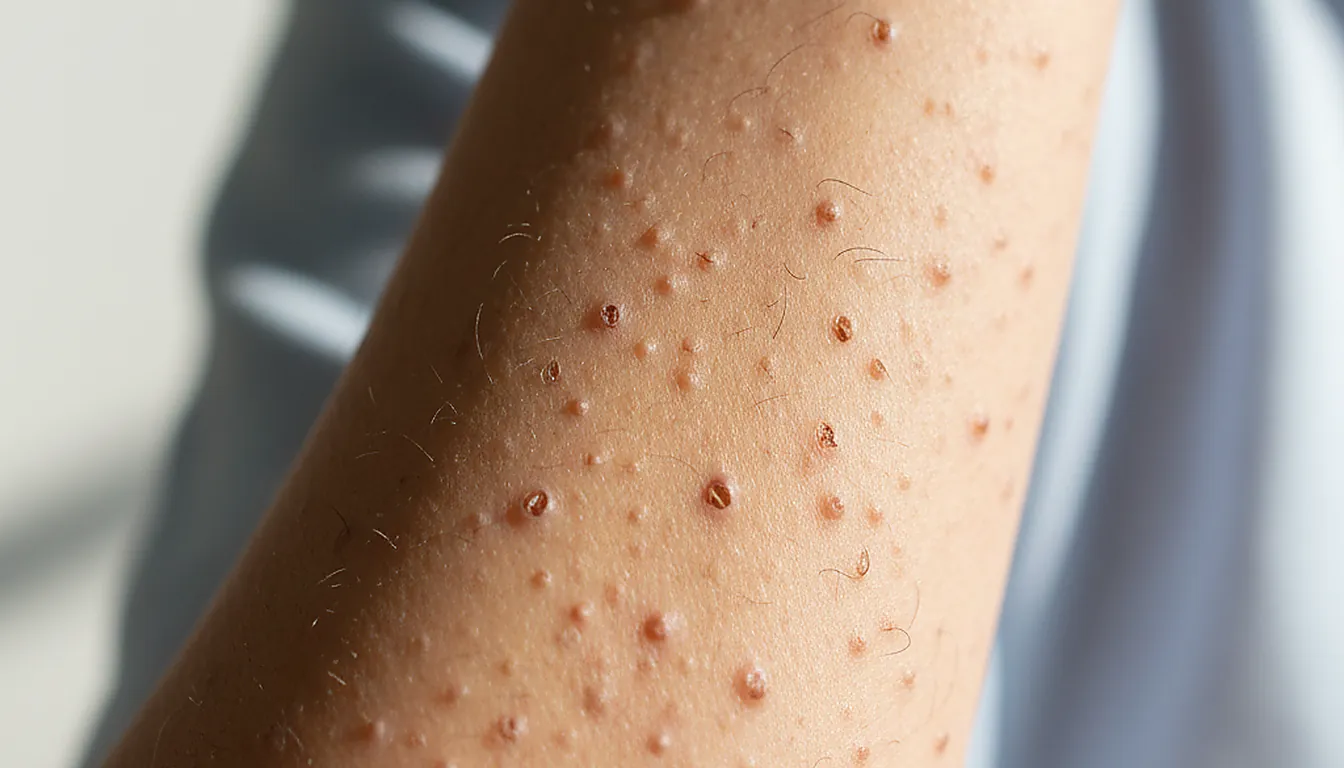
Okay, friends, let’s talk about something a lot of us deal with but maybe don’t always chat about openly: Keratosis Pilaris, or as I affectionately call it, “chicken skin.” You know, those tiny bumps that usually pop up on the backs of your arms, thighs, or even your face? Yeah, that chicken skin. It’s incredibly common and completely harmless, but let’s be real, it can be a little annoying, right?
Table of Contents
- What is Keratosis Pilaris (Chicken Skin)?
- Understanding the Causes of Keratosis Pilaris
- How to Treat Keratosis Pilaris: My Go-To Strategies
- 1. Exfoliate Gently, But Regularly
- 2. Moisturize, Moisturize, Moisturize!
- 3. Lukewarm Showers, Not Hot!
- 4. Consider a Humidifier
- 5. Don’t Pick or Squeeze!
- Product Review: CeraVe SA Lotion for Rough & Bumpy Skin
- When to See a Dermatologist
- My Personal Keratosis Pilaris Story
- Final Thoughts and Takeaways
Essentially, Keratosis Pilaris (KP) happens when keratin, a protein that protects your skin from infections and harmful things, forms plugs inside your hair follicles. Imagine tiny little traffic jams happening under your skin – that’s essentially what’s going on. This build-up causes those characteristic small, rough bumps. It’s like your skin is saying, “Hey, I’m a little clogged up here!”
Don’t worry! You are not alone! Up to 50-80% of adolescents and around 40% of adults deal with KP. It’s more common in people with dry skin or conditions like eczema. So, if you’re battling dry, itchy skin, you might be more prone to developing KP. It’s also often exacerbated in the winter months when the air is drier, making our skin even thirstier.
The good news is that while there’s no cure for Keratosis Pilaris, you can definitely manage it. Think of it like dealing with frizzy hair – you might not be able to eliminate it entirely, but with the right products and routine, you can keep it under control. And that’s what we’re going to dive into today. I want to share some tips, tricks, and product recommendations that have helped me keep my chicken skin at bay. Because, trust me, I’ve been there, slathering on lotions and scrubs, trying to find the magic formula. Let’s find yours together!
Understanding the Causes of Keratosis Pilaris
So, we know *what* chicken skin is, but let’s dig a little deeper into *why* it happens. Knowing the root causes can help you better target your treatment and manage those pesky bumps. While the exact cause isn’t fully understood, genetics definitely play a significant role. Thanks, Mom and Dad!
Here’s a breakdown of some key factors:
- Genetics: If your parents have KP, chances are you might too. It’s often inherited, so you can thank your family tree for this one.
- Dry Skin: Dryness can worsen KP. When your skin lacks moisture, those keratin plugs are more likely to form.
- Skin Conditions: People with eczema, ichthyosis vulgaris (a skin condition that causes dry, scaly skin), or allergies are more susceptible to KP.
- Age: KP is more common in children and adolescents, often improving with age.
- Other Factors: Sometimes, KP can be triggered or worsened by hormonal changes, nutritional deficiencies, or even certain medications.
Think of your skin like a garden. If the soil (your skin) is dry and lacking nutrients, the plants (your hair follicles) won’t thrive. You need to hydrate and nourish your skin to keep those keratin plugs at bay.
How to Treat Keratosis Pilaris: My Go-To Strategies
Alright, now for the good stuff! Let’s talk about how to actually *treat* Keratosis Pilaris. I’ve tried a whole bunch of things over the years, some worked wonders, and some… well, let’s just say they didn’t make the cut. So, I’m sharing what has consistently worked for *my* skin. Remember, everyone’s skin is different, so what works for me might not be a perfect fit for you, but it’s a great place to start!
1. Exfoliate Gently, But Regularly
Exfoliation is KEY. It helps to remove the dead skin cells that contribute to those keratin plugs. But here’s the catch: you need to be gentle! Harsh scrubbing can actually irritate your skin and make KP worse. It is possible to over exfoliate, so don’t overdue it!
My favorite methods for gentle exfoliation:
- Chemical Exfoliants: Look for products containing AHAs (alpha-hydroxy acids) like glycolic acid or lactic acid, or BHAs (beta-hydroxy acids) like salicylic acid. These acids help to dissolve the keratin plugs and smooth the skin.
- Physical Exfoliants: If you prefer physical exfoliation, opt for a gentle scrub with fine granules or a soft exfoliating cloth.
Product Recommendation: CeraVe SA Lotion for Rough & Bumpy Skin. This lotion contains salicylic acid and lactic acid to gently exfoliate and moisturize. It’s a great drugstore option that won’t break the bank. Remember to use it consistently for best results. I like to apply it right after showering when my skin is still slightly damp.
2. Moisturize, Moisturize, Moisturize!
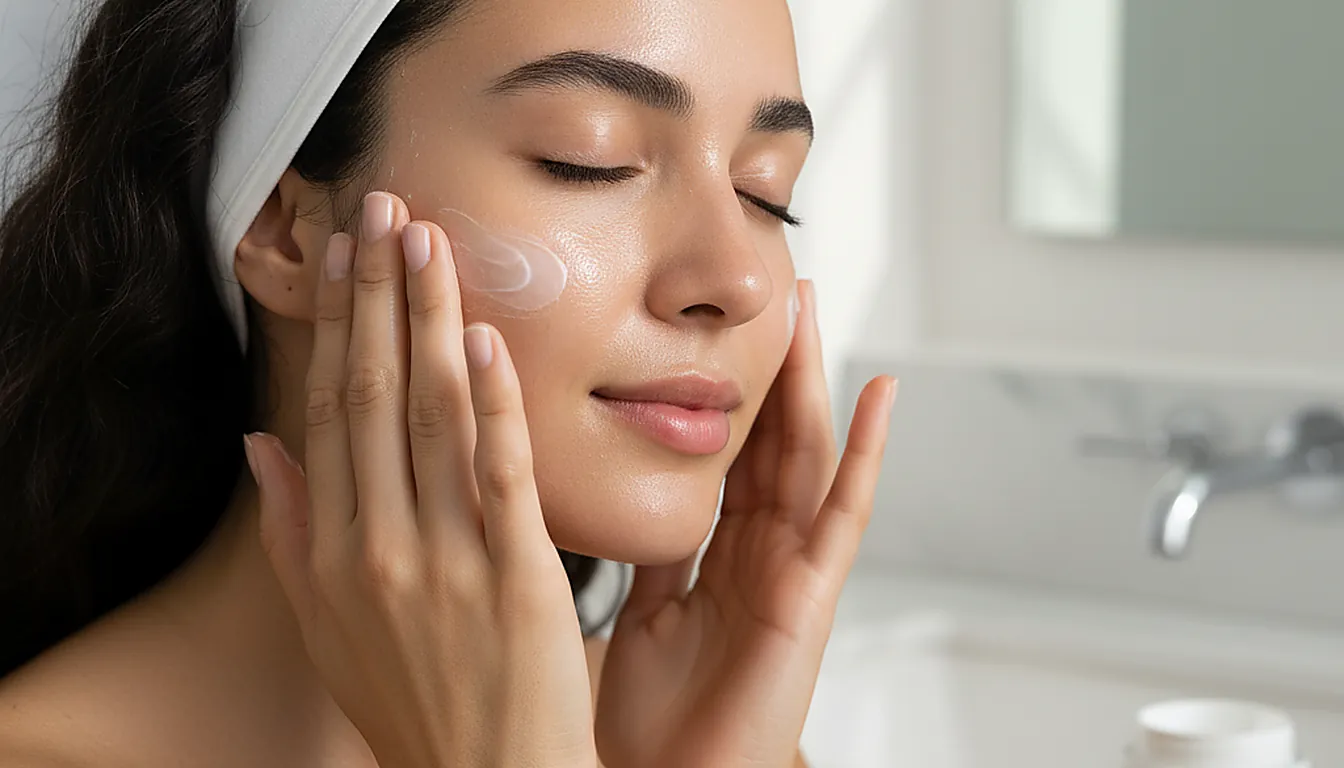
I cannot stress this enough: hydration is crucial! Dry skin exacerbates KP, so keeping your skin moisturized is essential. Think of moisturizer as a shield protecting your skin from dryness and irritation.
Tips for maximizing hydration:
- Choose a thick, emollient moisturizer: Look for ingredients like shea butter, cocoa butter, ceramides, or hyaluronic acid.
- Apply moisturizer immediately after showering: This helps to lock in moisture while your skin is still damp.
- Reapply throughout the day as needed: Especially during dry weather or after washing your hands.
Product Recommendation: Eucerin Advanced Repair Cream. This cream is super thick and hydrating, perfect for dry, bumpy skin. It contains ceramides and natural moisturizing factors to help repair and protect your skin’s barrier. I use it every night before bed, and it works wonders!
3. Lukewarm Showers, Not Hot!
I know, I know, a hot shower can feel amazing, especially on a cold day. But hot water can strip your skin of its natural oils, making dryness and KP worse. Stick to lukewarm water to protect your skin’s moisture barrier. Think of it as being kind to your skin.
4. Consider a Humidifier
If you live in a dry climate or use central heating or air conditioning, a humidifier can be a lifesaver. It adds moisture back into the air, which can help to hydrate your skin from the inside out. I use one in my bedroom during the winter months, and it makes a noticeable difference.
5. Don’t Pick or Squeeze!
This one is tough, I know! But picking or squeezing those bumps can lead to inflammation, scarring, and even infection. Resist the urge and let your skincare routine do its thing. Think of it like popping a pimple – it’s tempting, but it can make things worse in the long run.
Product Review: CeraVe SA Lotion for Rough & Bumpy Skin
Let’s take a closer look at one of my go-to products for treating Keratosis Pilaris: the CeraVe SA Lotion for Rough & Bumpy Skin.
Here’s where it feels real for me.
What it is: A lotion formulated with salicylic acid, lactic acid, and ceramides to gently exfoliate, moisturize, and restore the skin’s barrier.
Pros:
- Affordable and easily accessible
- Contains both salicylic acid and lactic acid for effective exfoliation
- Includes ceramides to help repair and protect the skin’s barrier
- Fragrance-free and non-comedogenic
Cons:
- Can feel a bit sticky upon initial application
- May not be moisturizing enough for very dry skin (consider layering with a thicker cream)
Usage Notes: Apply to clean, dry skin after showering or bathing. Use consistently for best results. Can be used on the body and face (avoiding the eye area).
Who it’s for: People with Keratosis Pilaris, rough, bumpy skin, or dry skin. Also suitable for those with sensitive skin.
Verdict: Overall, the CeraVe SA Lotion for Rough & Bumpy Skin is a great option for treating KP. It’s affordable, effective, and contains beneficial ingredients for exfoliating and moisturizing. While it may not be a miracle cure, it can definitely help to improve the appearance and texture of your skin with consistent use.
When to See a Dermatologist
While most cases of Keratosis Pilaris can be managed with over-the-counter treatments and lifestyle changes, there are times when it’s best to consult a dermatologist. If your KP is severe, inflamed, or causing significant discomfort, it’s worth seeking professional advice. A dermatologist can offer stronger prescription treatments, such as topical retinoids or specialized laser therapies, that may provide more relief.
My Personal Keratosis Pilaris Story
I remember being so self-conscious about my chicken skin when I was younger. It seemed like everyone else had perfectly smooth arms, and I was stuck with these tiny bumps that made me want to hide. I tried everything – harsh scrubs, tanning beds (terrible idea, I know!), even picking at them (definitely don’t do that!). Nothing seemed to work, and I felt like I was doomed to have bumpy skin forever. I was so embarrassed that I avoided wearing tank tops, even in summer.
It wasn’t until I started doing some research and experimenting with different products that I finally found a routine that worked for me. Gentle exfoliation, consistent moisturizing, and avoiding harsh soaps made a huge difference. It took time and patience, but eventually, my skin started to improve. I still have KP, and it flares up from time to time, but now I know how to manage it, and I’m no longer self-conscious about it. It’s about acceptance too, and I’ve found I care less than I used to. Knowing so many other people experience the same thing has made me feel less alone.
The biggest takeaway? Consistency is key. It’s not a one-and-done fix. Think of it like brushing your teeth. You don’t just brush them once and expect them to stay clean forever, right? It’s an ongoing process. And be patient with yourself and your skin. Results take time.
Final Thoughts and Takeaways
Dealing with Keratosis Pilaris can be frustrating, but remember, you’re not alone! With the right routine and a little patience, you can definitely manage it and feel more confident in your skin. Focus on gentle exfoliation, consistent moisturizing, and avoiding harsh treatments. And most importantly, be kind to yourself. Your skin is beautiful, bumps and all!
Now I’d love to hear from you! What are your go-to tips and tricks for dealing with chicken skin? Share your thoughts and experiences in the comments below!
Key Takeaways
- What is Keratosis Pilaris (Chicken Skin)?
- Understanding the Causes of Keratosis Pilaris
- How to Treat Keratosis Pilaris: My Go-To Strategies
- 1. Exfoliate Gently, But Regularly
- 2. Moisturize, Moisturize, Moisturize!