
Okay, friends, let’s talk running. Not just the pounding-the-pavement, heavy-breathing kind, but the fueling-your-body-like-a-well-oiled-machine kind. Because honestly, what you eat (and when you eat it) can make or break your long distance run. I’m talking the difference between feeling like you’re floating effortlessly and feeling like you’re dragging a bag of bricks behind you.
Table of Contents
- Before the Run: Laying the Foundation
- What to Eat (and When):
- Examples of Good Pre-Run Foods:
- Foods to Avoid Before a Run:
- During the Run: Maintaining Energy Levels
- What to Eat (and When):
- Examples of Good Mid-Run Fuels:
- Tips for Mid-Run Fueling:
- After the Run: Recovery and Repair
- What to Eat (and When):
- Examples of Good Post-Run Foods:
- The Importance of Hydration:
I remember my first half marathon. I thought, “Oh, I’ll just eat a bagel and some coffee beforehand, that should be enough.” Huge mistake! Around mile 8, I hit a wall so hard, I swear I could hear Wile E. Coyote laughing at me. My energy plummeted, my legs felt like lead, and I was pretty sure I was going to crawl across the finish line. That day, I learned a valuable lesson: Fueling your run is just as important as the training itself.
So, if you’re tired of bonking, feeling sluggish, or just want to optimize your performance, let’s dive into the nitty-gritty of what to eat before, during, and after a long distance run. I promise, it’s not as complicated as it sounds! We’ll cover everything from pre-run meals to mid-run snacks and post-run recovery.
Before the Run: Laying the Foundation
Think of your pre-run meal as building the foundation for a house. You need something solid and reliable that will support you for hours. The goal is to top off your glycogen stores (your body’s main source of energy) without causing any stomach distress. Nobody wants to be sprinting to the nearest porta-potty mid-race!
What to Eat (and When):
- 3-4 Hours Before: A larger meal that’s high in carbohydrates, moderate in protein, and low in fat and fiber. Think oatmeal with berries and a scoop of protein powder, a sweet potato with chicken breast, or a pasta dish with a light tomato sauce.
- 1-2 Hours Before: A smaller, easily digestible snack. This could be a banana with peanut butter, a piece of toast with honey, or an energy bar.
- 30-60 Minutes Before: A quick burst of energy. A few energy chews, a small gel pack, or a few sips of a sports drink can do the trick.
Examples of Good Pre-Run Foods:
- Oatmeal with berries and a scoop of protein powder
- Toast with banana and peanut butter
- Sweet potato with a small amount of chicken
- Energy bar (read labels carefully and test them out during training!)
- Pasta with light tomato sauce
Foods to Avoid Before a Run:
- High-fat foods (like fried foods, avocados, or nuts in large quantities)
- High-fiber foods (like beans, broccoli, or excessive amounts of raw vegetables)
- Dairy (for some people, dairy can cause stomach issues)
- Spicy foods
During the Run: Maintaining Energy Levels
Once you’re out there logging those miles, it’s crucial to replenish your energy stores. Your body can only store so much glycogen, so you need to keep topping it up, especially on longer runs (anything over 60-90 minutes). Think of it like keeping the gas tank full on a long road trip.
What to Eat (and When):
- After the First 45-60 Minutes: Start consuming small amounts of carbohydrates. The exact timing and amount will depend on your individual needs and tolerance, but a good rule of thumb is to aim for 30-60 grams of carbohydrates per hour.
- Continue Every 30-45 Minutes: Keep fueling consistently throughout the run. Don’t wait until you feel completely depleted!
Examples of Good Mid-Run Fuels:
- Energy Gels: Convenient and easy to carry, but can be a bit sweet and require water to wash them down.
- Energy Chews: Another convenient option, often with different flavors and textures.
- Sports Drinks: Provide both carbohydrates and electrolytes, which are lost through sweat.
- Real Food: For longer, slower runs, some people prefer real food options like dried fruit, pretzels, or even small sandwiches.
Tips for Mid-Run Fueling:
- Practice Makes Perfect: Experiment with different fueling strategies during your training runs to see what works best for you.
- Stay Hydrated: Drink water or a sports drink regularly throughout your run. Dehydration can significantly impact performance.
- Listen to Your Body: Pay attention to how you feel and adjust your fueling strategy accordingly.
After the Run: Recovery and Repair
Congratulations, you finished your run! Now it’s time to focus on recovery. Your body has been through a lot, and it needs to replenish its glycogen stores, repair muscle damage, and rehydrate. Think of your post-run meal as rebuilding the house after a storm.
What to Eat (and When):
- Within 30-60 Minutes: This is the critical window for recovery. Aim for a combination of carbohydrates and protein to replenish glycogen and repair muscle tissue.
- Follow Up with a Full Meal: Within 1-2 hours, have a balanced meal that includes carbohydrates, protein, and healthy fats.
Examples of Good Post-Run Foods:
- Chocolate Milk: A classic recovery drink that provides carbohydrates, protein, and electrolytes.
- Protein Shake: A quick and easy way to get a dose of protein. Add some fruit for carbohydrates.
- Greek Yogurt with Fruit and Granola: Provides carbohydrates, protein, and healthy fats.
- Chicken or Fish with Rice and Vegetables: A balanced meal that covers all your nutritional needs.
- Sandwich with lean protein, vegetables and healthy fats.
The Importance of Hydration:
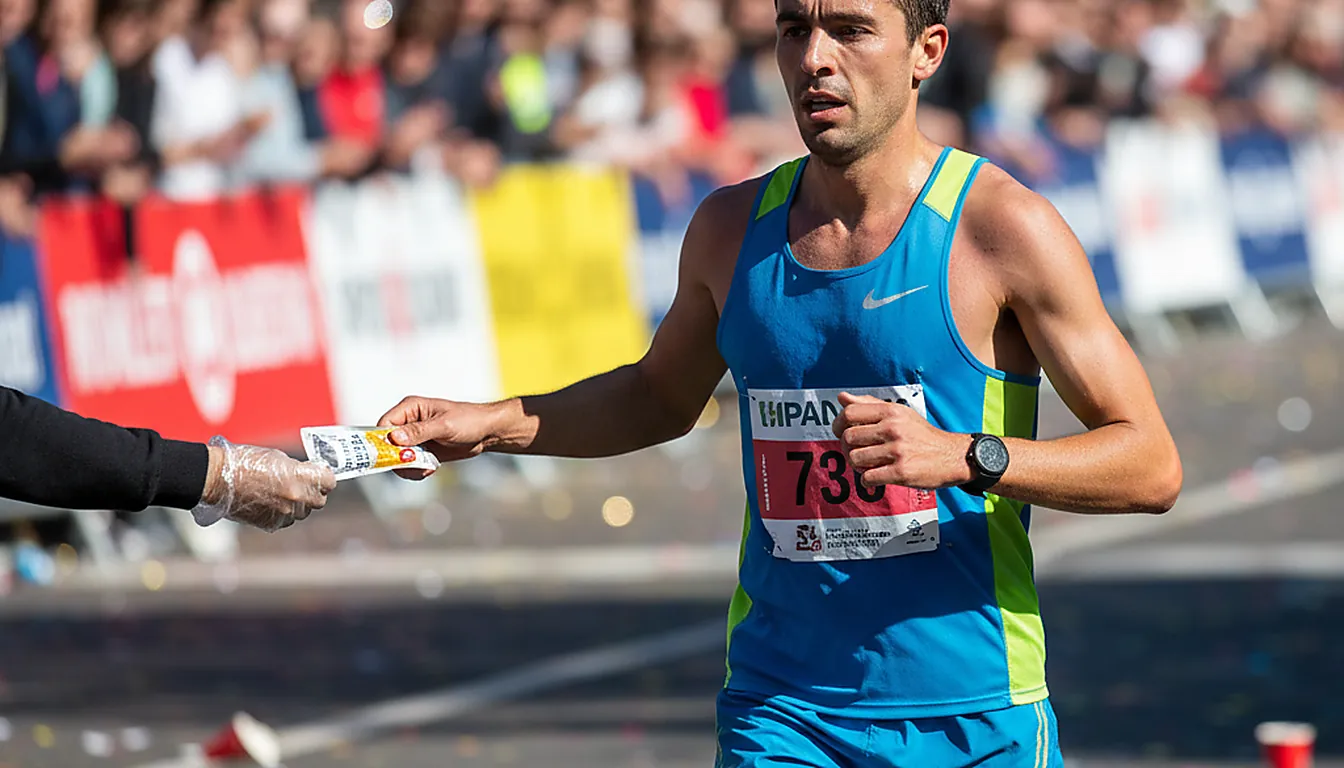
Here’s where it feels real for me.
Don’t forget to rehydrate after your run! Drink plenty of water or a sports drink to replace fluids lost through sweat. Electrolytes are also important for recovery, so consider adding a pinch of salt to your water or having a sports drink with electrolytes.
Putting It All Together: A Sample Fueling Plan
Here’s a sample fueling plan for a 2-hour long run. Remember to adjust it based on your individual needs and preferences.
- Pre-Run (2 hours before): Oatmeal with berries and a scoop of protein powder.
- Pre-Run (30 minutes before): Energy chews.
- During Run (every 45 minutes): Energy gel with water.
- Post-Run (within 30 minutes): Chocolate milk.
- Post-Run (1-2 hours later): Chicken breast with rice and vegetables.
Common Mistakes and How to Avoid Them:
- Not Fueling Enough: This is the most common mistake. Make sure you’re consuming enough carbohydrates to meet your energy needs.
- Eating Too Much, Too Close to the Run: This can cause stomach upset. Give your body enough time to digest your food.
- Trying New Foods on Race Day: Never try anything new on race day! Always test out your fueling strategy during training.
- Ignoring Hydration: Dehydration can significantly impact performance. Drink plenty of water or a sports drink.
- Forgetting Electrolytes: Electrolytes are lost through sweat and need to be replaced.
The Takeaway: Fueling is Key!
Fueling your run is just as important as the training itself. By understanding what to eat before, during, and after a long distance run, you can optimize your performance, prevent bonking, and recover faster. So, experiment, find what works best for you, and happy running!
Now, I’d love to hear from you! What are your favorite pre-run snacks or mid-run fuels? Share your tips and tricks in the comments below!
If you are looking for help with weight loss or fitness check out our Fitness Programs
Frequently Asked Questions
What should I eat the night before a long run?
Focus on complex carbohydrates like pasta, rice, or potatoes, along with a moderate amount of lean protein. Avoid high-fat or high-fiber foods that might cause stomach upset.
How much water should I drink during a long run?
Aim to drink 4-6 ounces of water or a sports drink every 20 minutes, especially in warmer weather. Adjust based on your sweat rate and individual needs.
Are energy gels really necessary during a long run?
For runs longer than 60-90 minutes, energy gels (or other carbohydrate sources) are crucial for maintaining energy levels and preventing bonking. They provide a quick and easily digestible source of fuel.
Can I eat real food instead of energy gels during a run?
Yes, some runners prefer real food options like dried fruit, pretzels, or even small sandwiches, especially on longer, slower runs. However, make sure the food is easily digestible and doesn’t cause stomach issues.
What’s the best thing to eat immediately after a run?
A combination of carbohydrates and protein is ideal for recovery. Chocolate milk, a protein shake with fruit, or Greek yogurt with granola are all excellent choices.
Why is hydration so important for runners?
Hydration is essential for regulating body temperature, transporting nutrients, and removing waste products. Dehydration can lead to fatigue, muscle cramps, and decreased performance. Make sure to drink plenty of water before, during, and after your run.
Key Takeaways
- Before the Run: Laying the Foundation
- What to Eat (and When)
- Examples of Good Pre-Run Foods
- Foods to Avoid Before a Run
- During the Run: Maintaining Energy Levels