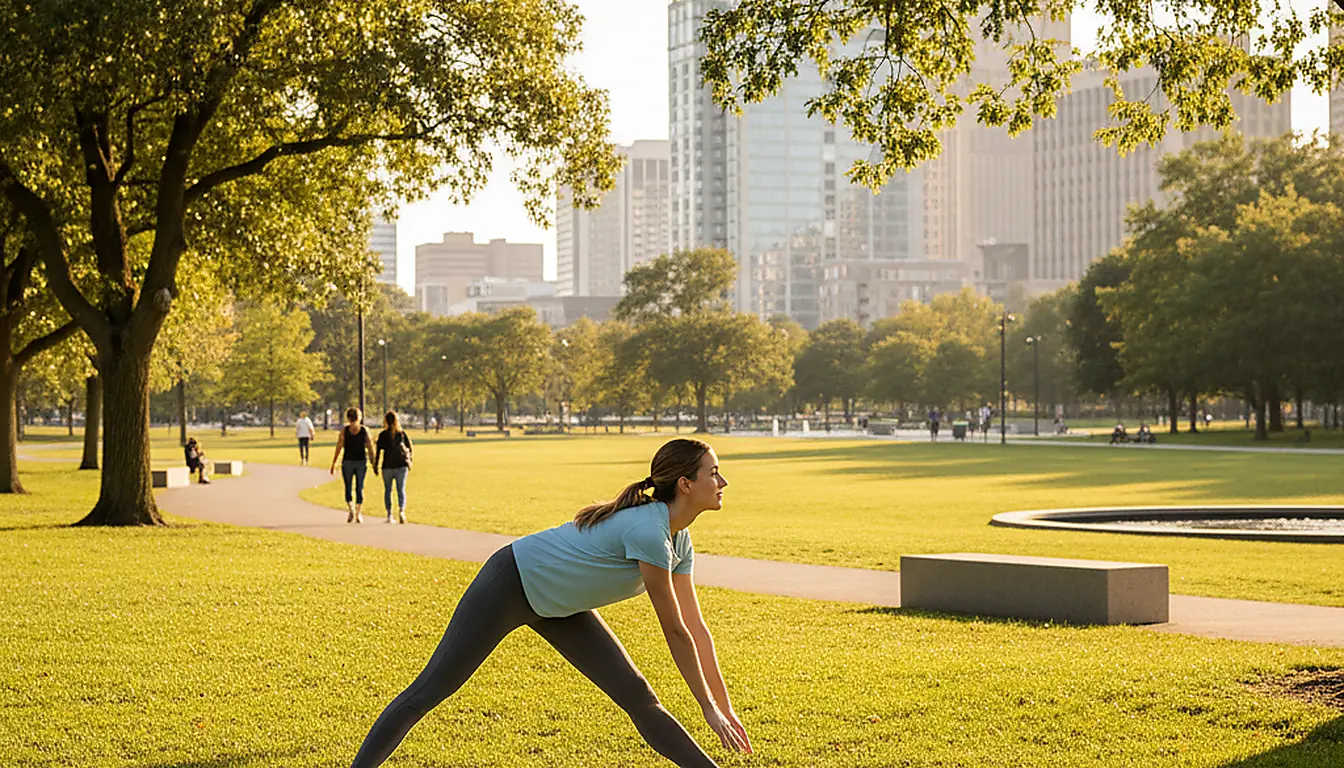

Okay, let’s talk yoga. We all know it’s great for flexibility, maybe even for chilling out after a crazy day. But is yoga *really* strength training? That’s the question I kept asking myself, especially as I was struggling to open jars and lug groceries. I mean, downward dog is hard, right? But is it building muscle? Is it actually making me stronger, or just… bendier? If you’re also wondering if your flow sessions count as strength work, stick around. We’re diving deep into the surprising truth about yoga and strength!
Table of Contents
- My Own Yoga Journey: More Than Just Flexibility
- What Exactly *Is* Strength Training?
- The Strength-Building Aspects of Yoga: It’s More Than Just Stretching
- Key Yoga Poses That Build Strength
- Types of Yoga That Focus on Strength
- Power Yoga
- Ashtanga Yoga
- Vinyasa Yoga
- The Benefits of Yoga for Strength Training: Beyond the Muscles
- Yoga vs. Traditional Strength Training: Which Is Right for You?
- Traditional Strength Training (Weights)
- Yoga
My Own Yoga Journey: More Than Just Flexibility
For years, I thought of yoga as my “stretching” time. I’d hit the mat after a run or a weightlifting session, thinking I was just loosening up. It wasn’t until I started practicing more regularly, pushing myself in different styles like Ashtanga and power yoga, that I realized something was shifting. I wasn’t just more flexible; I felt…stronger. My core felt tighter, my arms more defined. But was it all in my head? Was I just imagining things?
I decided to do some digging. And what I found surprised me.
What Exactly *Is* Strength Training?
Before we get into the yoga of it all, let’s define strength training. Basically, it’s any activity that makes your muscles work against resistance. This resistance can come from weights, resistance bands, or even your own body weight. The goal is to create tiny tears in your muscle fibers, which then repair and rebuild, making your muscles bigger and stronger.
Think about lifting weights. That’s classic strength training. But also think about push-ups, squats, and planks. Those are all bodyweight exercises that challenge your muscles and build strength.
The Strength-Building Aspects of Yoga: It’s More Than Just Stretching
Here’s where things get interesting. Many yoga poses require you to hold your own body weight, engaging multiple muscle groups at the same time. That’s resistance! And holding those poses, especially for extended periods, definitely challenges your muscles.
Key Yoga Poses That Build Strength
- Plank Pose (Phalakasana): This one is a full-body blaster. It works your core, shoulders, arms, and legs. Hold it long enough, and you’ll definitely feel the burn!
- Chaturanga Dandasana: Often called the “yoga push-up,” this pose strengthens your chest, shoulders, and triceps. It’s tough, but so effective.
- Warrior Poses (Virabhadrasana I, II, III): These poses build strength and stability in your legs, glutes, and core. Plus, they improve your balance.
- Chair Pose (Utkatasana): Talk about a leg burner! This pose strengthens your quads, glutes, and core. Hold it low, and feel the power.
- Side Plank (Vasisthasana): This variation of a plank does wonders for your obliques, shoulders, and core.
I remember the first time I could hold a side plank for a full minute. I felt like a superhero! It wasn’t just about flexibility; it was about having the strength to support myself. That’s when I realised yoga had been helping me build strength without me even noticing.
Types of Yoga That Focus on Strength
Not all yoga styles are created equal when it comes to strength training. Some styles are more focused on flexibility and relaxation, while others are designed to challenge your muscles.
Power Yoga
This is probably the most obvious choice. Power yoga is a fast-paced, dynamic style that incorporates a lot of strength-building poses. Think lots of planks, chaturangas, and challenging transitions. It’s a great way to build strength, endurance, and flexibility all at the same time.
Ashtanga Yoga
Ashtanga is a rigorous, structured style of yoga that follows a specific sequence of poses. It’s physically demanding and requires a lot of strength and stamina. If you’re looking for a challenging and rewarding strength-building yoga practice, Ashtanga might be for you.
Vinyasa Yoga
Vinyasa is a more general term for any style of yoga that links movement with breath. However, many vinyasa classes incorporate strength-building poses and sequences. Look for classes that emphasize holding poses for longer periods or that include variations like adding weights or resistance bands.
The Benefits of Yoga for Strength Training: Beyond the Muscles
So, we’ve established that yoga can build strength. But what are the other benefits? Why should you consider adding yoga to your strength training routine?
- Improved Flexibility and Mobility: This is the obvious one, but it’s worth mentioning. Yoga improves your range of motion, which can help prevent injuries and improve your overall athletic performance.
- Enhanced Core Strength: Many yoga poses engage your core muscles, which are essential for stability and balance. A strong core can improve your posture, reduce back pain, and make you a more efficient athlete.
- Increased Body Awareness: Yoga teaches you to pay attention to your body and how it moves. This can help you identify imbalances and weaknesses, allowing you to address them before they lead to injuries.
- Stress Reduction: Yoga is a great way to relieve stress and anxiety. The combination of physical activity and mindful breathing can calm your nervous system and leave you feeling relaxed and rejuvenated.
- Improved Balance and Coordination: Many yoga poses challenge your balance and coordination, which can improve your overall stability and prevent falls.
Yoga vs. Traditional Strength Training: Which Is Right for You?
Okay, so yoga *can* build strength. But is it as effective as traditional strength training with weights? That depends on your goals and preferences. Here’s a quick comparison:
Traditional Strength Training (Weights)
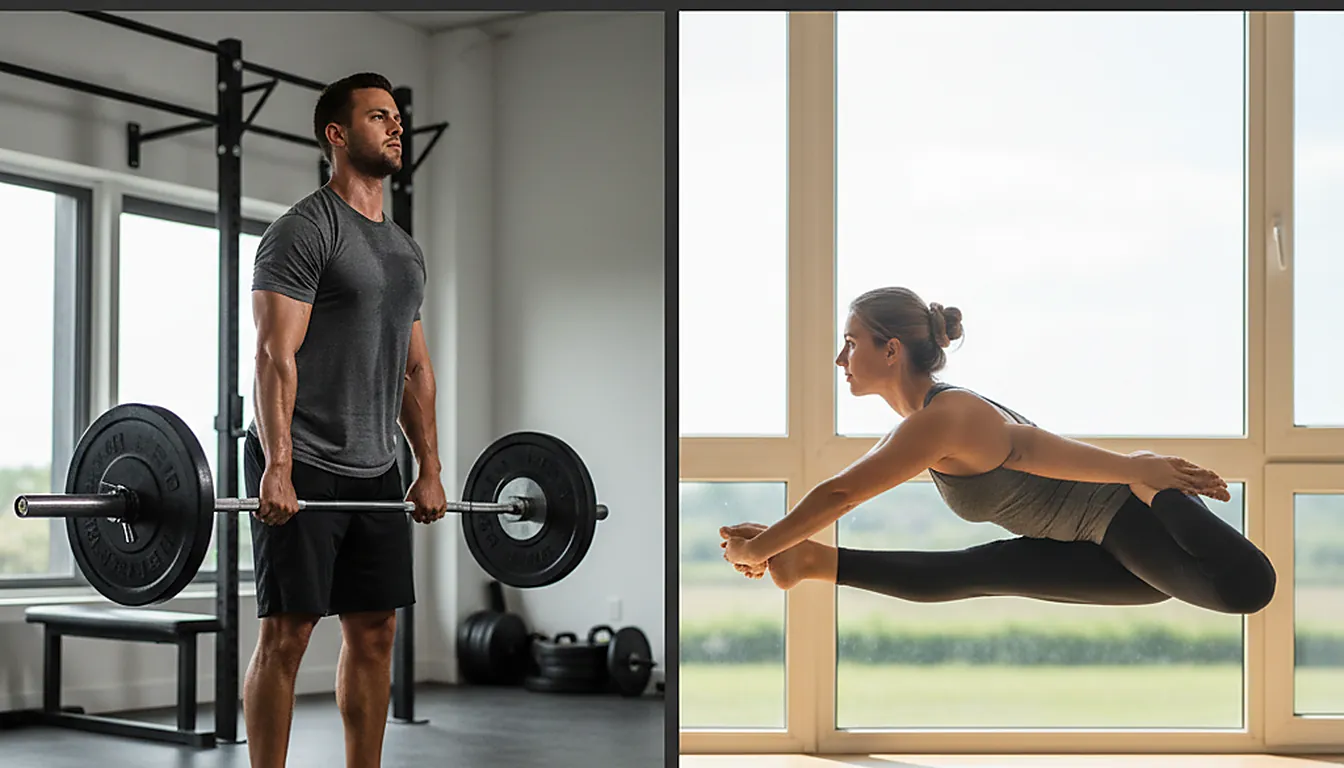
Here’s where it feels real for me.
- Pros: Can isolate specific muscle groups, allows for progressive overload (gradually increasing the weight you lift), can build significant muscle mass.
- Cons: Can be hard on the joints, requires access to equipment, can be intimidating for beginners.
Yoga
- Pros: Improves flexibility and mobility, enhances core strength, increases body awareness, reduces stress, can be done anywhere with no equipment.
- Cons: May not build as much muscle mass as weightlifting, can be challenging to progressively overload, may not be suitable for people with certain injuries.
My Recommendation: A Balanced Approach
Personally, I think the best approach is a combination of both. I love lifting weights to build muscle mass, but I also incorporate yoga into my routine to improve my flexibility, mobility, and core strength. Plus, yoga helps me relax and de-stress, which is essential for my overall well-being.
Think of it like this: weightlifting is like building the foundation of a house, while yoga is like adding the finishing touches. Together, they create a strong and beautiful structure.
Tips for Incorporating Yoga into Your Strength Training Routine
Ready to give it a try? Here are a few tips for incorporating yoga into your strength training routine:
- Start Slow: Don’t try to do too much too soon. Begin with beginner-friendly classes and gradually increase the intensity as you get stronger.
- Listen to Your Body: Pay attention to your body and don’t push yourself too hard. If you feel pain, stop and modify the pose.
- Find a Good Teacher: A qualified yoga teacher can help you learn proper alignment and technique, which is essential for preventing injuries.
- Be Consistent: Aim to practice yoga at least a few times a week to reap the benefits.
- Have Fun!: Yoga should be enjoyable. Experiment with different styles and find what works best for you.
So, Is Yoga Really Strength Training? The Verdict
Yes, absolutely! While it might not be *exactly* the same as lifting heavy weights, yoga definitely builds strength. It challenges your muscles, improves your core stability, and enhances your overall physical fitness. Plus, it offers a ton of other benefits, like improved flexibility, stress reduction, and increased body awareness.
If you’re looking for a well-rounded fitness routine that builds strength, flexibility, and mental well-being, give yoga a try. You might be surprised at how strong you become – both inside and out. Now, if you’ll excuse me, I’m off to do a little power yoga. Time to strengthen my superhero muscles!
Frequently Asked Questions
Can yoga replace traditional strength training?
Yoga can contribute to building strength, particularly core strength and stability. However, it may not build muscle mass as effectively as traditional weightlifting. A balanced approach combining both is often ideal.
What types of yoga are best for strength training?
Power yoga, Ashtanga yoga, and Vinyasa yoga styles that incorporate longer holds and challenging transitions are excellent choices for building strength.
What are the key yoga poses that build strength?
Plank Pose, Chaturanga Dandasana, Warrior Poses, Chair Pose, and Side Plank are particularly effective for strengthening various muscle groups.
What are the benefits of incorporating yoga into a strength training routine?
Yoga improves flexibility and mobility, enhances core strength, increases body awareness, reduces stress, and improves balance and coordination – all of which complement traditional strength training.
Is yoga suitable for beginners who want to build strength?
Yes, but it’s important to start slow with beginner-friendly classes and focus on proper alignment and technique to prevent injuries. A qualified yoga teacher can provide guidance and modifications.
How often should I practice yoga to see strength-building benefits?
Aim to practice yoga at least a few times a week to experience noticeable strength-building benefits. Consistency is key to developing muscle strength and improving overall fitness.
Key Takeaways
- My Own Yoga Journey: More Than Just Flexibility
- What Exactly *Is* Strength Training?
- The Strength-Building Aspects of Yoga: It’s More Than Just Stretching
- Key Yoga Poses That Build Strength
- Types of Yoga That Focus on Strength