Okay, real talk: I used to be a total skeptic of intermittent fasting. I’d read the articles, seen the before-and-after photos, and heard the buzz, but in my mind, it sounded like a surefire way to make myself miserable. I mean, the idea of *not* eating… for hours on end? Nope. Not for me. I’m a foodie!
Then, after years of yo-yo dieting and feeling generally blah, I decided to give it a shot. And guess what? It *actually* worked. And not just for weight loss, but for my energy levels, my skin, and even my mood. This isn’t some quick-fix gimmick; it’s a sustainable way of eating that’s changed the game for me, and for countless clients, I’ve worked with. Today, I want to show you exactly how I did it, and how you can do it too, with a real, live, actionable intermittent fasting meal plan you can start right now.
But first…
Let’s get one thing straight: Intermittent fasting isn’t a diet in the traditional sense. It’s not about restricting *what* you eat; it’s about *when* you eat. It’s an eating pattern where you cycle between periods of eating and voluntary fasting. Think of it like this: your body is a car, and you’re choosing when to fill the tank. Simple, right?

Table of Contents
- The Science-y Stuff (But Not Too Science-y)
- Choosing Your Fasting Schedule
- The “Exact” Intermittent Fasting Meal Plan: What to Eat (and When!)
- My Biggest Mistake (and How to Avoid It)
- The Unexpected Plot Twist: It’s Not *Just* About Weight Loss
- Tips for Success: Your Intermittent Fasting Cheat Sheet
- Beyond the Basics: Advanced Intermittent Fasting Strategies
- The Intermittent Fasting Meal Plan: Is It Right for You?
- Frequently Asked Questions
The Science-y Stuff (But Not Too Science-y)
Before we dive into the nitty-gritty of my intermittent fasting meal plan, let’s break down the *why* behind the magic. When you fast, your body goes through a series of changes that can lead to some pretty awesome benefits:
- Hormonal Harmony: Fasting can help regulate your hormones, including insulin. Lower insulin levels mean your body can tap into those fat stores for energy.
- Cellular Cleanup: Your cells get a chance to repair themselves through a process called autophagy. Think of it like a spring cleaning for your body.
- Metabolic Boost: Studies suggest intermittent fasting can actually rev up your metabolism, helping you burn more calories throughout the day.
Now, I’m not a doctor (always consult yours!), but I *am* a holistic nutritionist. I’ve seen firsthand how powerful this can be, both in my own life and with my clients. It’s not about deprivation; it’s about giving your body a chance to reset and function at its best. If you’re looking for help with weight management, this could be the right path for you. The Best Time to Eat Your Biggest Meal for Weight Management
Choosing Your Fasting Schedule
There are a few different intermittent fasting schedules out there, but these are the most common:
- 16/8 Method: This is the most popular, and what I started with. You fast for 16 hours and eat within an 8-hour window. For example, you might eat between noon and 8 p.m., and fast from 8 p.m. to noon the next day.
- 14/10 Method: A gentler version of 16/8. Fast for 14 hours, eat in a 10-hour window.
- 5:2 Diet: You eat normally for five days a week and restrict calories to about 500-600 calories on two non-consecutive days.
When I first started, I chose the 16/8 method. It felt the most manageable for my schedule and my lifestyle. (I’m a big fan of eating dinner with my husband, so that meant skipping breakfast.) But the beauty of intermittent fasting is that you can adjust it to fit your needs. Start with a shorter fasting window and gradually increase it as your body adapts. Listen to your body! Some days, you may feel better with a shorter fast, and that’s okay.
My client, Sarah, for instance, found the 16/8 a bit too intense at first. She started with 14/10 and slowly worked her way up. “I felt like I was failing at first,” she told me, “but then I realized it’s a marathon, not a sprint. And I’m already feeling so much better!”
The “Exact” Intermittent Fasting Meal Plan: What to Eat (and When!)
Alright, this is the part you’ve been waiting for: the intermittent fasting meal plan. This is what *I* followed, and what I recommend to my clients. Remember, everyone is different, so adjust this to fit *your* body and needs. And, of course, run it by your doctor before starting any new eating plan.
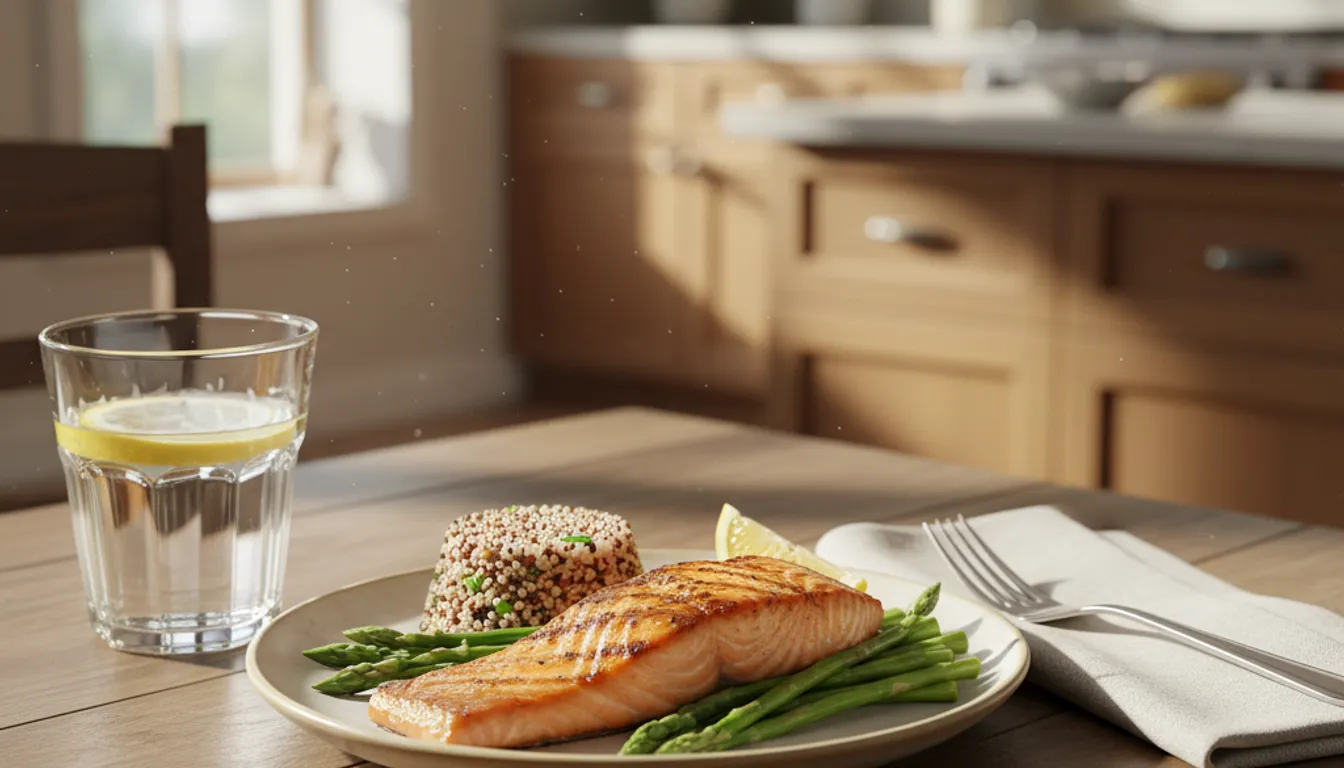
Here’s a sample 16/8 plan, with specific meal ideas:
| Time | Activity | Meal/Snack | Notes |
|---|---|---|---|
| 12:00 PM | Break Fast! | Lunch: Large salad with grilled chicken or fish, avocado, and a vinaigrette dressing. | Focus on protein and healthy fats to keep you feeling full. |
| 3:00 PM | Snack (optional) | A handful of nuts and a piece of fruit. Or, a protein shake. | Choose something that won’t spike your blood sugar. |
| 6:00 PM | Dinner | Dinner: Salmon with roasted vegetables (broccoli, Brussels sprouts, sweet potatoes). | Make sure it has a lot of nutrients. |
| 8:00 PM | End Eating Window | Time to start fasting! | |
| 8:00 PM – 12:00 PM (Next Day) | Fasting | Water, unsweetened tea, black coffee | Stay hydrated, and avoid anything with calories. |
Important Notes:
- Hydration is Key: Drink plenty of water throughout the day, especially during your fasting window. I always carry a water bottle with me. Herbal tea and black coffee are also allowed (without sugar or cream).
- Prioritize Whole Foods: Focus on whole, unprocessed foods like fruits, vegetables, lean proteins, and healthy fats. (Think: the Mediterranean diet, but within an eating window.)
- Don’t Skimp on Calories: Make sure you’re eating enough during your eating window. Depriving yourself can lead to burnout and even make you *gain* weight.
- Listen to Your Body: Pay attention to how you feel. If you’re feeling lightheaded or overly fatigued, adjust your fasting schedule or consult with a healthcare professional.
My Biggest Mistake (and How to Avoid It)
Okay, time for a confession. When I first started, I made a *huge* mistake. I thought I could eat whatever I wanted during my eating window. Pizza for lunch? Sure! Donuts for dessert? Absolutely! (Hey, I was young!) And of course, it didn’t work. I felt sluggish, my skin broke out, and I didn’t lose any weight.
The key? Quality matters. You can’t out-exercise or out-fast a bad diet. This is a common problem I see with clients. They think intermittent fasting is a free pass to eat whatever they want, and it’s simply not true. You’re going to get the best results if you pair your fasting schedule with a healthy, balanced diet. It’s about creating a lifestyle. Gut-Loving Superfoods: 5 That Transformed My Digestion (And Will Yours!)
Another client, Mark, came to me with the same issue. He was following a 16/8 schedule, but his diet consisted mostly of processed foods and sugary drinks. He wasn’t seeing any results. When we switched his focus to whole foods and portion control, the weight started melting off. “I thought I was doing it wrong,” he said, “but I just needed to change *what* I was eating, not just *when*.”
The Unexpected Plot Twist: It’s Not *Just* About Weight Loss
Here’s the thing: I didn’t just start intermittent fasting for weight loss. I was also struggling with my energy levels, and I noticed that my skin was breaking out like crazy. (Adult acne, anyone?) I’d tried *everything* — fancy creams, prescription medications, you name it. Nothing worked.
And then… intermittent fasting. I wasn’t expecting it, but my skin started to clear up. My energy levels soared. And, yeah, I lost weight, too. It was like hitting the reset button on my entire system. It was honestly a complete game-changer! Now, it’s a non-negotiable part of my lifestyle.
I wasn’t the only one. Another client, Emily, started intermittent fasting to lose weight, and was shocked when her chronic migraines became less frequent and less intense. “I never would have believed it,” she told me, “but intermittent fasting changed my life.”
Tips for Success: Your Intermittent Fasting Cheat Sheet
Ready to jump in? Here’s my cheat sheet for making intermittent fasting work for you:
- Start Slow: Begin with a shorter fasting window (like 12/12 or 14/10) and gradually increase it.
- Plan Your Meals: Know what you’re going to eat during your eating window. This prevents impulse decisions.
- Stay Hydrated: Drink plenty of water, especially during your fasting window.
- Choose Nutrient-Dense Foods: Prioritize whole, unprocessed foods like fruits, vegetables, lean proteins, and healthy fats.
- Listen to Your Body: Pay attention to how you feel and adjust your schedule accordingly.
- Don’t Obsess: It’s okay if you mess up sometimes! Just get back on track with your next meal or fasting window.
- Track Your Progress: Keep track of your weight, measurements, and how you feel. This will help you see if it’s working.
- Be Patient: It takes time for your body to adjust. Don’t get discouraged if you don’t see results immediately.
- Prioritize Sleep: Get enough sleep. It’s crucial for hormone regulation and overall health. My Morning Routine Makeover: 5 Rituals That Changed Everything
I find it also helps to have a support system. Maybe you and a friend can try it together. Or, you can join a virtual community. It really can help to have someone to share the journey with! Lost & Lonely? 5 Virtual Support Groups That Saved My Soul
Beyond the Basics: Advanced Intermittent Fasting Strategies
Once you’ve mastered the basics, you can try these advanced strategies:
- Cycle Your Schedule: Vary your fasting windows on different days. This can prevent your body from adapting and plateauing.
- Try Extended Fasts: Some people incorporate longer fasts (24-36 hours) once or twice a month. *Always* consult your doctor before trying this.
- Combine with Exercise: Exercise during your eating window can amplify the benefits of intermittent fasting. Consider weight training to build muscle. Before & After: Is Intermittent Fasting Good for Building Muscle?
- Adjust for Your Cycle (If You Have One): Some women find they need to adjust their fasting schedule based on their menstrual cycle. During certain phases, you might want to eat more and fast less intensely.
The Intermittent Fasting Meal Plan: Is It Right for You?
Look, I’m not going to sit here and tell you that intermittent fasting is the be-all and end-all solution. But I *will* tell you that it’s been a game-changer for me, and for so many people I’ve worked with. It’s a simple, sustainable, and effective way to improve your health, boost your energy, and maybe even lose a few pounds along the way.
The key is to find a schedule that works for you, focus on eating whole, unprocessed foods, and listen to your body. And, most importantly, be patient. It takes time to adjust. Don’t expect miracles overnight. But if you’re willing to give it a try, you might just be surprised at what you can achieve.
Frequently Asked Questions
1. What is intermittent fasting?
Intermittent fasting is an eating pattern that cycles between periods of eating and voluntary fasting on a regular schedule. It is not about *what* you eat but *when* you eat.
2. How does intermittent fasting work for weight loss?
Intermittent fasting can aid weight loss by creating a calorie deficit, improving insulin sensitivity, and potentially boosting metabolism.
3. What are the most common mistakes people make with intermittent fasting?
Some common mistakes include not eating enough calories during eating windows, overeating, or choosing unhealthy foods, and not drinking enough water.
4. What are some healthy meal ideas for intermittent fasting?
Healthy meal ideas include high-protein breakfasts, balanced lunches, and dinner with lean proteins, healthy fats, and plenty of vegetables. Remember to prioritize whole, unprocessed foods.
5. Is intermittent fasting safe for everyone?
Intermittent fasting is generally safe for healthy adults, but it may not be suitable for pregnant or breastfeeding women, people with certain medical conditions, or those with a history of eating disorders. Always consult a healthcare professional before starting any new diet plan.
6. How do I get started with intermittent fasting?
Start by choosing a fasting schedule, planning your meals, and gradually adjusting to the fasting period. Stay hydrated, listen to your body, and be patient with the process. If you are struggling, reach out to a professional who can help you.
Alright, you’ve got this. Take it slow, be kind to yourself, and remember: progress, not perfection. Now, go forth and conquer! (And maybe share your results with me in the comments? I’d love to hear them!)