Okay, friend, let’s talk. You’re slathering on moisturizer, religiously, morning and night. You’re even splurging on the fancy stuff. But your skin? Still drier than the Sahara. What gives? I’ve been there. Seriously, I’ve been *there*. Staring in the mirror, wondering if I’m actually just allergic to water. So, let’s ditch the skincare frustration and figure out why your moisturizer isn’t working and, more importantly, what you can actually *do* about it.
Table of Contents
- It’s Not Always the Moisturizer’s Fault: Understanding Your Skin
- Are You Exfoliating Enough (or Too Much)?
- Ignoring Underlying Skin Conditions
- The Moisturizer Itself: What to Look For (and Avoid)
- Ingredients Matter: Humectants, Emollients, and Occlusives – Oh My!
- Water Content and How It Affects Your Skin
- Fragrance: Friend or Foe?
- Application Matters: How to Maximize Your Moisturizer’s Effectiveness
- The Golden Rule: Apply to Damp Skin
- Don’t Forget Your Neck and Décolletage
- Layering is Key
- Lifestyle Factors: Hydration and Other Considerations
It’s Not Always the Moisturizer’s Fault: Understanding Your Skin
Before we throw your beloved cream under the bus, let’s be real: Sometimes, it’s not the moisturizer, it’s *you* (or, more accurately, your skin…and the way you’re treating it). I know, harsh truth. But stick with me.
Are You Exfoliating Enough (or Too Much)?
Think of your skin like a brick wall. If you’ve got a bunch of dead skin cells (the old, crumbling bricks) piled up on the surface, your moisturizer (the mortar) can’t actually penetrate and do its job. It’s just sitting on top. But before you grab the scrub brush, hold up! Over-exfoliating is a real thing, and it can wreak havoc. I learned this the hard way, scrubbing my face raw in my teens. Not a good look. Think red, irritated, and even *more* dry.
The Fix: Aim for gentle exfoliation 1-3 times a week, depending on your skin type. A mild chemical exfoliant (like lactic acid) or a gentle physical scrub can do the trick. Listen to your skin! If it feels tight or irritated, back off.
Ignoring Underlying Skin Conditions
Sometimes, dryness isn’t just dryness. It could be eczema, psoriasis, or another skin condition masquerading as a simple hydration problem. I had a friend who thought she just had perpetually dry skin, only to discover she had mild eczema. Once she got that under control, her moisturizer actually started working!
The Fix: If you’ve tried everything and your skin is still stubbornly dry, see a dermatologist. They can properly diagnose any underlying issues and recommend the right treatment.
The Moisturizer Itself: What to Look For (and Avoid)
Okay, let’s assume your skin is in good shape. Now it’s time to dissect your moisturizer. Not all moisturizers are created equal, and some are downright…unhelpful.
Ingredients Matter: Humectants, Emollients, and Occlusives – Oh My!
This sounds complicated, but it’s actually pretty simple. Good moisturizers use a combination of three key types of ingredients:
- Humectants: These draw moisture *into* your skin from the air. Think of them as moisture magnets. Common humectants include hyaluronic acid, glycerin, and honey.
- Emollients: These smooth and soften the skin, filling in the cracks between skin cells. Think of them as the spackle for your brick wall. Examples include ceramides, shea butter, and squalane.
- Occlusives: These create a barrier on the surface of your skin to prevent moisture loss. Think of them as the sealant for your brick wall. Common occlusives include petrolatum, beeswax, and mineral oil.
The Fix: Look for a moisturizer that contains a combination of all three types of ingredients. A good rule of thumb? Hyaluronic acid (a humectant) first, followed by something like shea butter (an emollient), and finished with a light layer of something like squalane (an occlusive). This combo is a hydration powerhouse! If you are looking for products with CBD, CBDfx has some great options.
Water Content and How It Affects Your Skin
Believe it or not, the amount of water in your moisturizer plays a crucial role. A moisturizer with a high water content can actually *dry out* your skin if you live in a dry climate. Why? Because the water evaporates, taking your skin’s natural moisture with it.
The Fix: In dry climates, opt for oil-based moisturizers or thicker creams with a lower water content. These will provide a better barrier against moisture loss.
Fragrance: Friend or Foe?
Oh, fragrance. It smells so good! But it can also be a major irritant, especially for sensitive skin. I learned this lesson the hard way when a heavily fragranced lotion gave me a rash that lasted for weeks.
The Fix: If you have sensitive skin, choose fragrance-free moisturizers. Your skin will thank you.
Application Matters: How to Maximize Your Moisturizer’s Effectiveness
You’ve got the right moisturizer, your skin is prepped, now it’s time to apply. But even the best moisturizer can fall flat if you’re not applying it correctly.
The Golden Rule: Apply to Damp Skin
This is HUGE. Applying moisturizer to damp skin helps to trap moisture and lock it in. Think of it like sealing in the goodness while your skin is still receptive. I always apply mine right after showering or cleansing, while my skin is still slightly damp.
Don’t Forget Your Neck and Décolletage
These areas are often neglected, but they’re just as prone to dryness as your face. Show them some love! Extend your moisturizer down your neck and onto your chest. Your future self will thank you.
Layering is Key
Here’s where it feels real for me.
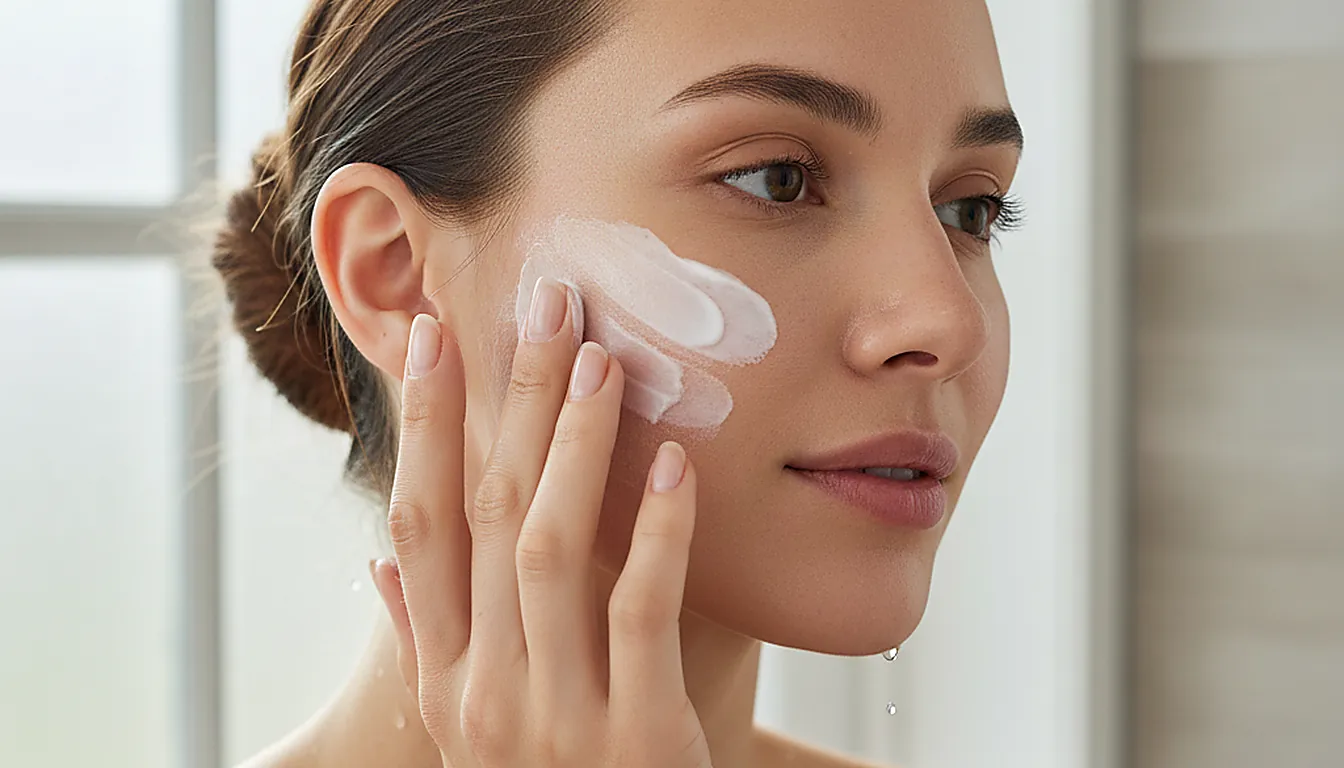
In the winter months, or if you have particularly dry skin, layering your skincare can make a big difference. Start with a hydrating serum, followed by your moisturizer, and then finish with an occlusive balm or oil. It’s like creating a super-powered moisture sandwich for your skin!
Lifestyle Factors: Hydration and Other Considerations
Let’s not forget the obvious: your lifestyle impacts your skin’s hydration levels. No moisturizer in the world can compensate for dehydration and poor habits.
Are You Drinking Enough Water?
Duh, right? But seriously, are you *really* drinking enough water? Aim for at least eight glasses a day. Your skin (and your entire body) will thank you. I carry a water bottle with me everywhere to remind myself to stay hydrated. You can also try products like CBD oil tinctures from sites such as CBDfx, Charlotte’s Web, or Cornbread Hemp, which may help reduce stress that can affect hydration habits.
Harsh Soaps and Cleansers: Stripping Your Skin’s Natural Oils
Many soaps and cleansers contain harsh detergents that strip your skin of its natural oils, leaving it dry and vulnerable. Switch to a gentle, sulfate-free cleanser to help maintain your skin’s natural moisture barrier.
The Impact of Environment
Living in a dry climate, or spending a lot of time in air conditioning, can significantly impact your skin’s hydration levels. Invest in a humidifier to add moisture back into the air. This is a game changer, especially during the winter months!
Simple Fixes Recap: A Quick Checklist
- Exfoliate Regularly: But gently! 1-3 times a week is usually sufficient.
- Choose the Right Moisturizer: Look for a combination of humectants, emollients, and occlusives.
- Apply to Damp Skin: Immediately after showering or cleansing.
- Don’t Forget Your Neck and Décolletage: Extend your moisturizer down to these often-neglected areas.
- Stay Hydrated: Drink plenty of water throughout the day.
- Use a Gentle Cleanser: Avoid harsh soaps and detergents.
- Consider a Humidifier: Especially in dry climates or during the winter.
My Overthinking Skin Story
For years, I thought I just had “bad skin.” I tried every product under the sun, from drugstore brands to expensive serums. Nothing seemed to work. I spent hours researching ingredients, obsessing over routines, and generally overthinking the whole process. My “bad skin” turned into something worse. I was stressed and always obsessing. Eventually, I realized I was so focused on *fixing* my skin that I was ignoring the basics: hydration, gentle cleansing, and a good moisturizer with the right ingredients. I simplified my routine, focused on consistency, and, lo and behold, my skin started to improve. It wasn’t a miracle cure, but it was a major step in the right direction.
Final Thoughts: Stop Overthinking and Start Doing
The key takeaway here? Don’t overthink it! Sometimes, the simplest solutions are the most effective. Experiment with different moisturizers, pay attention to your skin’s needs, and don’t be afraid to seek professional help if you’re struggling. And remember, consistency is key. Find a routine that works for you and stick with it. Your skin will thank you for it. So, go ahead, give your skin some love. You deserve it!
Frequently Asked Questions
Why is it important to apply moisturizer to damp skin?
Applying moisturizer to damp skin helps to trap moisture, allowing the skin to better absorb the hydrating ingredients. It’s like sealing in the moisture before it evaporates.
What are the three key types of ingredients to look for in a moisturizer?
The three key types of ingredients are humectants (to draw in moisture), emollients (to smooth the skin), and occlusives (to prevent moisture loss). A combination of all three provides optimal hydration.
How often should I exfoliate my skin?
Aim for gentle exfoliation 1-3 times a week, depending on your skin type. Over-exfoliating can damage the skin and make dryness worse.
Why is it important to stay hydrated for skin health?
Drinking enough water helps to hydrate the skin from the inside out. Dehydration can lead to dry, dull skin, and no amount of moisturizer can fully compensate for it.
What can I do if I suspect I have an underlying skin condition like eczema?
If you’ve tried various moisturizers and your skin remains persistently dry, consult a dermatologist. They can diagnose any underlying skin conditions and recommend appropriate treatments.
Why should I avoid fragranced moisturizers if I have sensitive skin?
Fragrances can be a common irritant, especially for those with sensitive skin. Opting for fragrance-free moisturizers can help minimize the risk of irritation and allergic reactions.
Key Takeaways
- It’s Not Always the Moisturizer’s Fault: Understanding Your Skin
- Are You Exfoliating Enough (or Too Much)?
- Ignoring Underlying Skin Conditions
- The Moisturizer Itself: What to Look For (and Avoid)
- Ingredients Matter: Humectants, Emollients, and Occlusives – Oh My!